
Gold Frame Equestrian Artwork
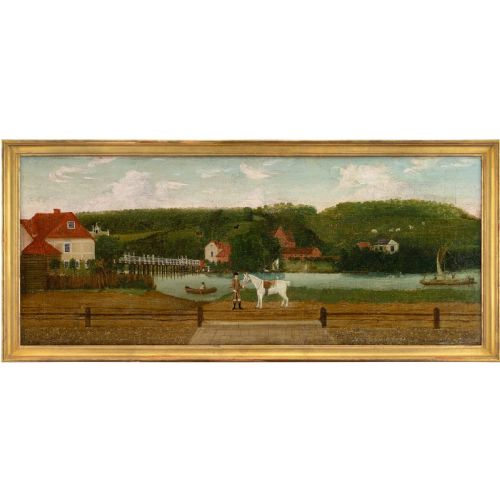
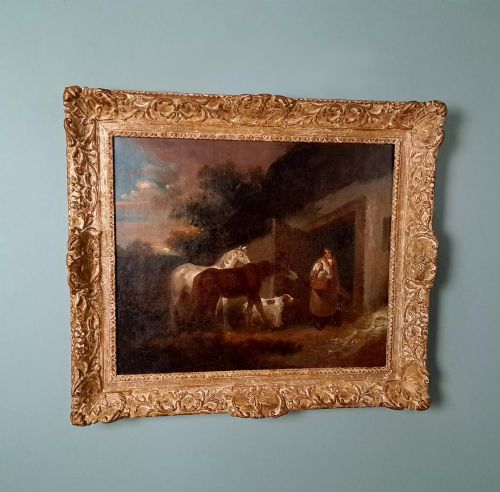
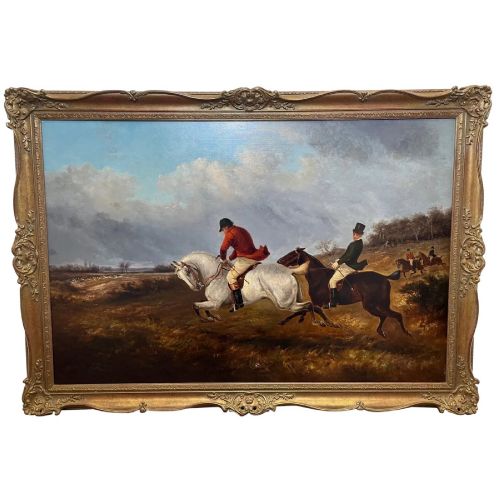
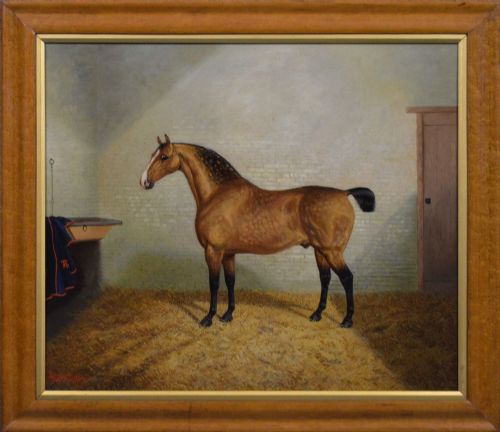
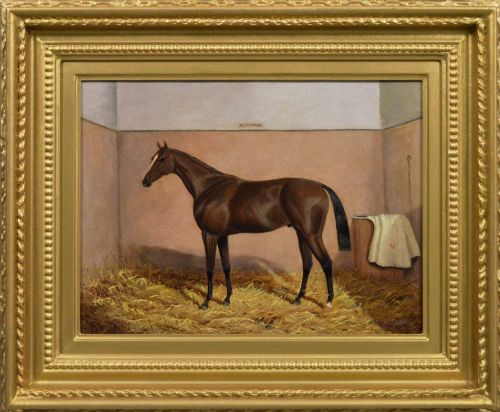
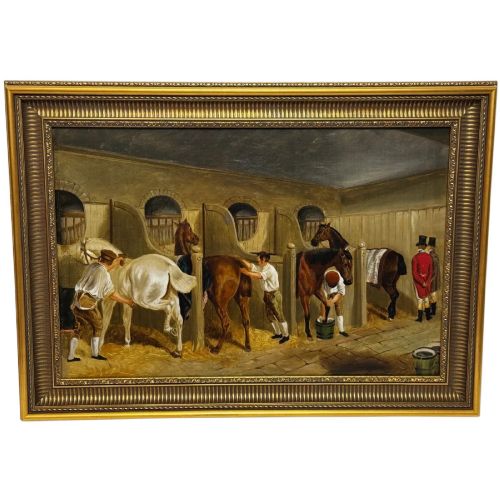
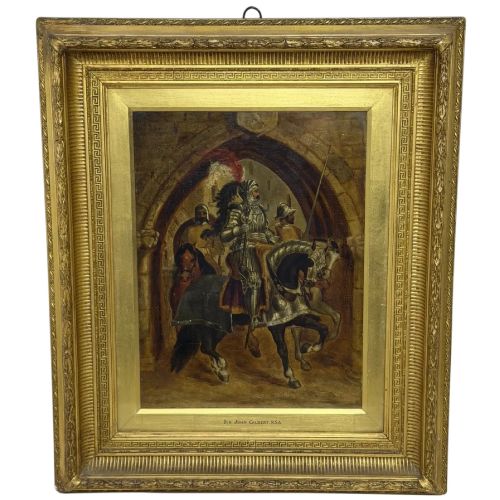
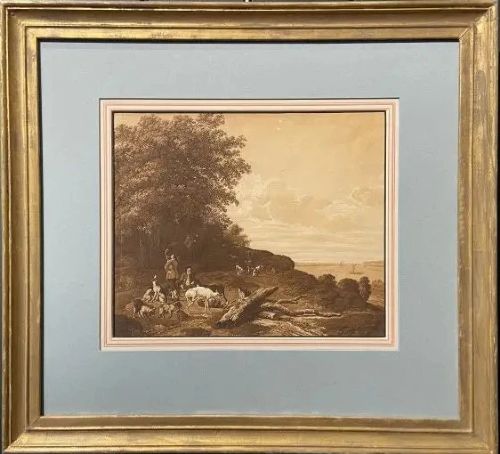
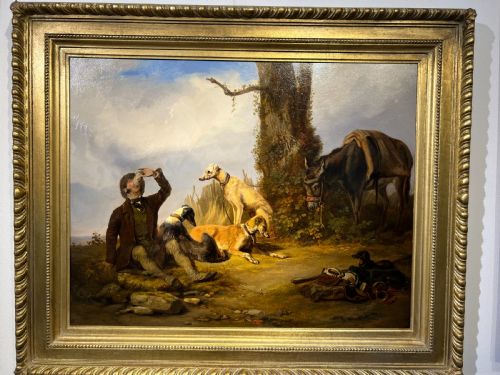
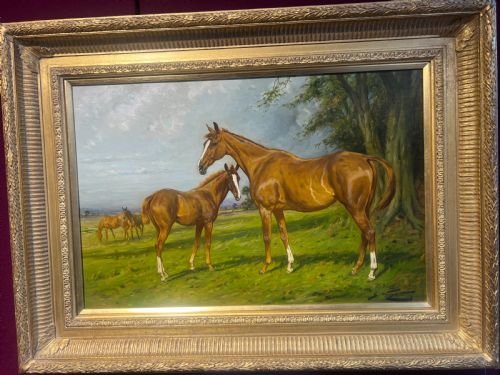
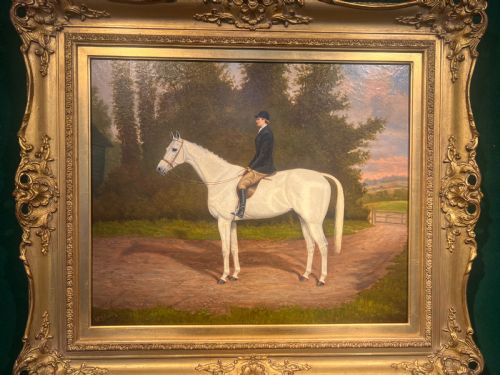
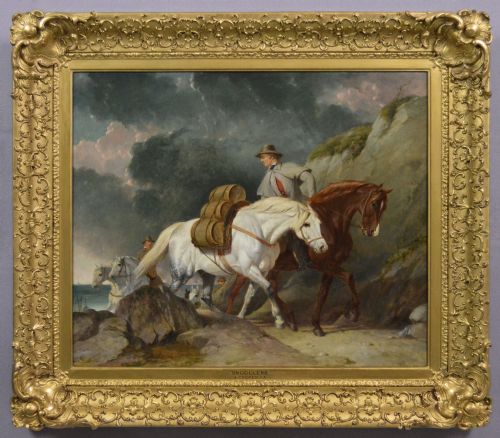
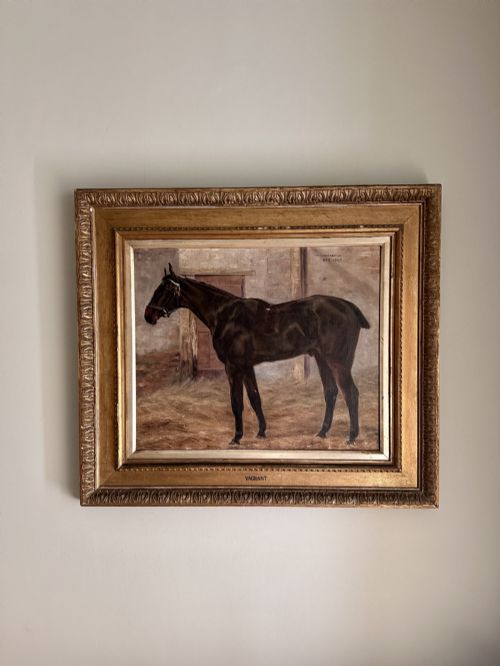
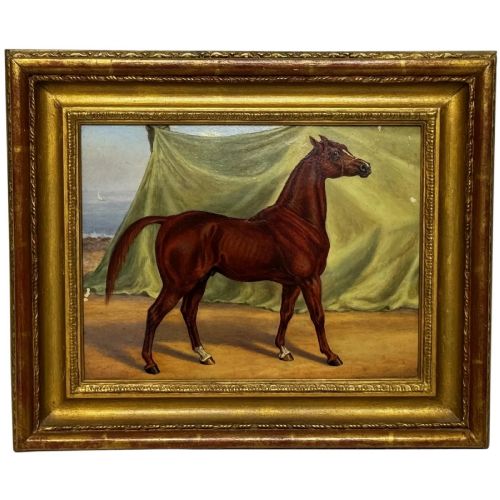
Gold frame equestrian artwork brings together centuries of sporting heritage, horse portraits and hunting scenes housed within gilded timber.
Gold Frame Equestrian Artwork
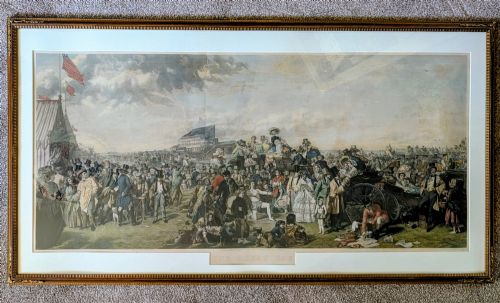
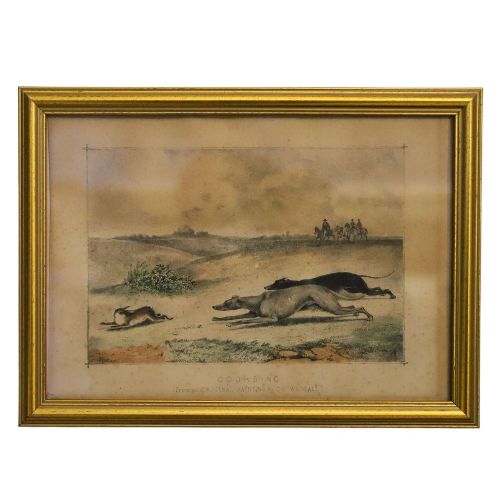
Gold frame equestrian artwork encompasses paintings, prints and watercolours depicting horses, riders and sporting scenes set inside wooden and gilt surrounds.
The selections span the seventeenth century through the Victorian and Edwardian eras into the mid-twentieth century, featuring oil on canvas and paper.
Buyers encounter oil paintings of racehorses, hunting subjects and pastoral landscapes reflecting British sporting traditions across various periods.
Materials and Construction
Artists painted oil on canvas or paper, utilising rich pigments to capture the musculature of horses and the detail of rural estates.
Frames consist of wood finished with gilt or giltwood, framing the visual subjects with metallic lustre appropriate to each era.
Several equine portraits record the names of Victorian racehorses alongside their jockeys.
Quality Variations
Mastery in anatomical rendering and dynamic movement separates accomplished animal painters from basic workshop output.
The depth and preservation of the original oil paint alongside the execution of the gilt frame determine the overall visual success.
William Joseph Shayer Senior·Thomas Smythe·Albert Clark·Abraham Cooper·John Ferneley Senior·John Frederick Herring Jnr
The Gold Frame Equestrian Artwork Glossary
- Giltwood
- Wood that has been coated with gold leaf or a gold-coloured finish. This material forms the ornate borders surrounding many historical paintings.
- Oil on Canvas
- Pigment mixed with drying oil applied to a woven fabric support. This combination provides durability and a textured surface for detailed brushwork.
- Lithograph
- A print made from a flat stone or metal plate treated to retain ink where required. Artists utilised this technique for reproducing illustrations in the nineteenth century.
- Equestrian
- Pertaining to horses, horse riding or the representation of horses in art. Such subjects dominate British sporting art from the Georgian and Victorian periods.
Gold Frame Equestrian Artwork: Frequently Asked Questions
What periods do these pieces represent?
The works span from the seventeenth century through the Victorian and Edwardian eras up to the mid-twentieth century. Most examples date from the nineteenth century.
Creators utilised oil paint, canvas and giltwood to produce portraits of thoroughbreds, hunting scenes and coaching subjects.
How were these artworks framed?
Makers constructed surrounds primarily from wood finished with gilt or gold leaf to complement the painted scenes. These borders provide structural support and a decorative finish.
Gold frames protect the edges of the canvas and enhance the visual impact of the equestrian subject matter.
What subjects appear in these paintings?
Artworks depict individual racehorses, fox hunting meetups, coaching scenes and pastoral landscapes with horses. Named thoroughbreds and estate horses frequently serve as the central focus.
Artists also recorded rural activities involving horses, carts and riders across English and international locations.
Are these works original paintings or prints?
The selection includes original oil paintings on canvas as well as period lithographs and watercolours. Each medium reflects the specific techniques of its era.
Hand-painted oils showcase textured brushwork, whereas printed works utilise graphic methods from the nineteenth century.