

Gold Frame Equestrian Art
Gold frame equestrian art brings together centuries of sporting heritage and oil painting in rich gilt settings.
Gold Frame Equestrian Art
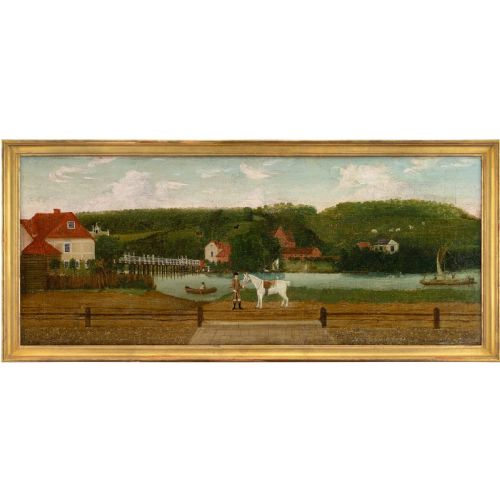
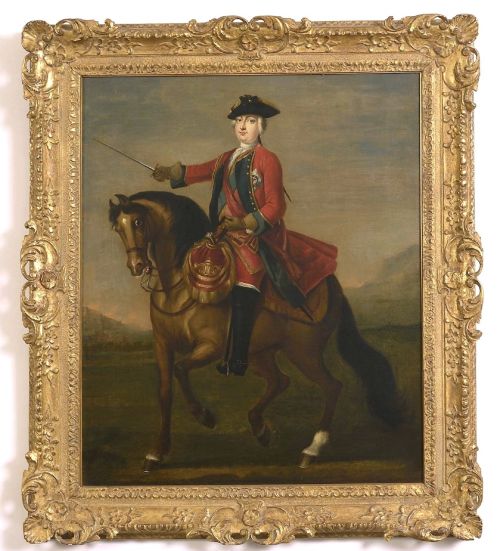
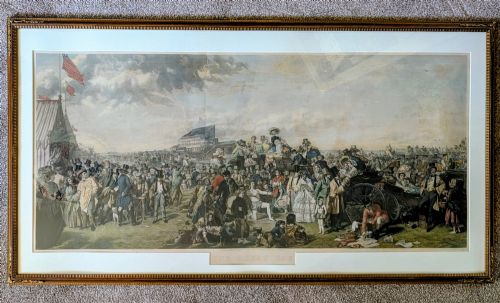
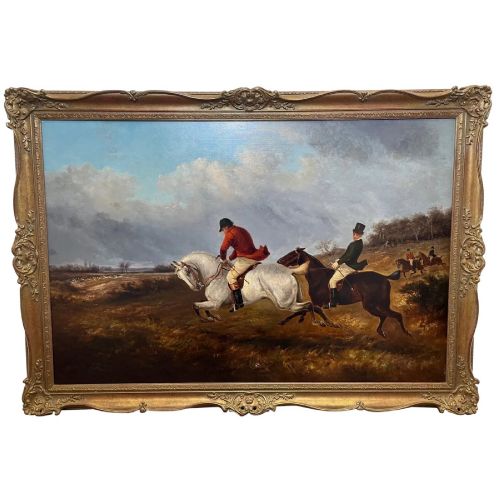
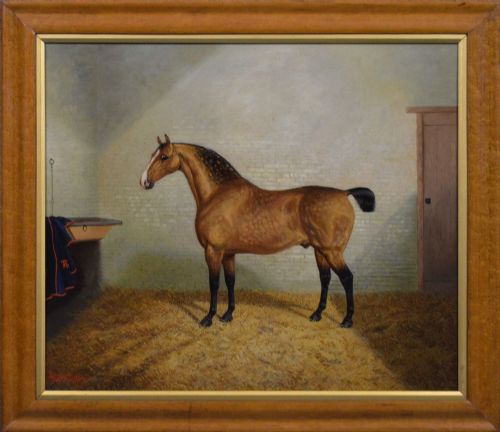
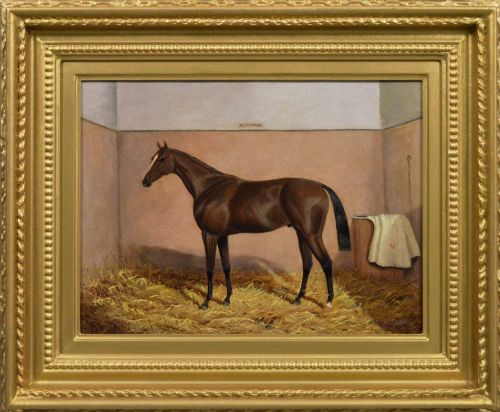
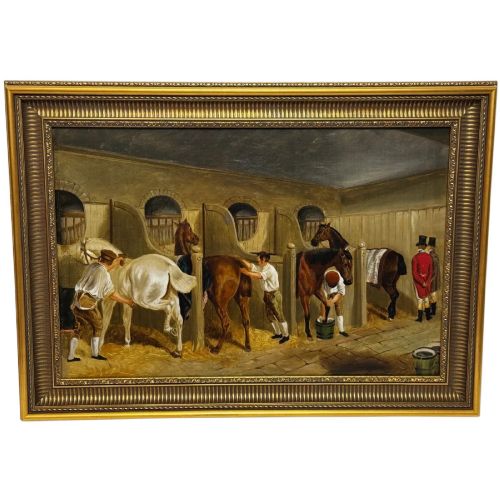
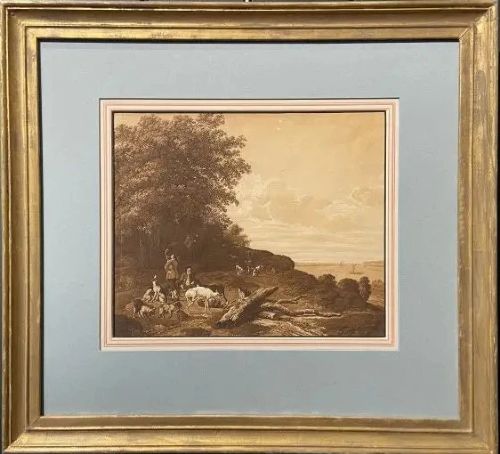
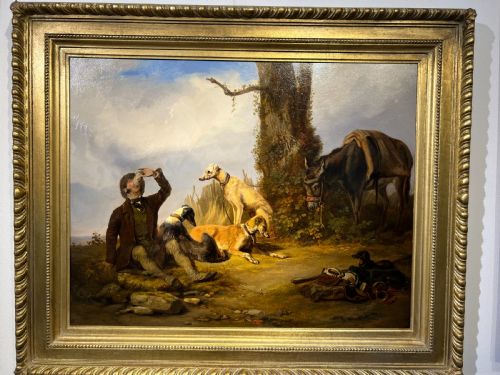
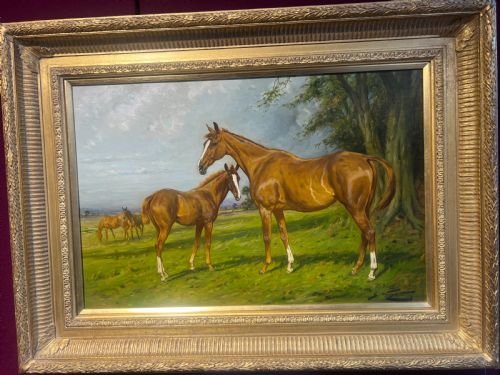
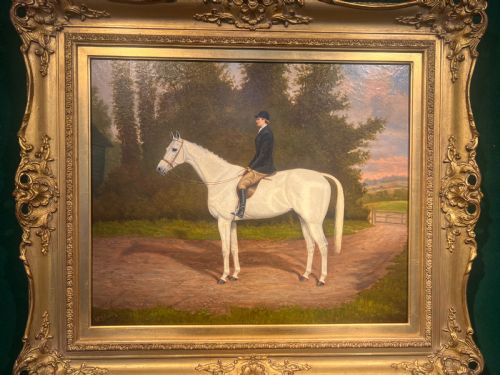
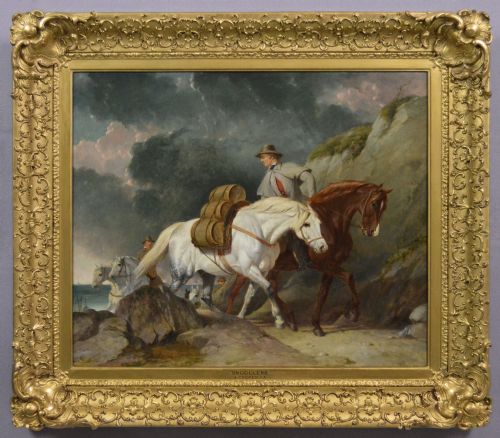
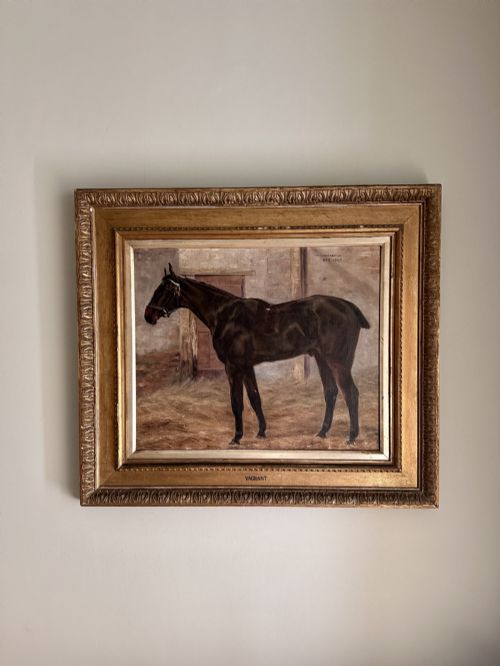
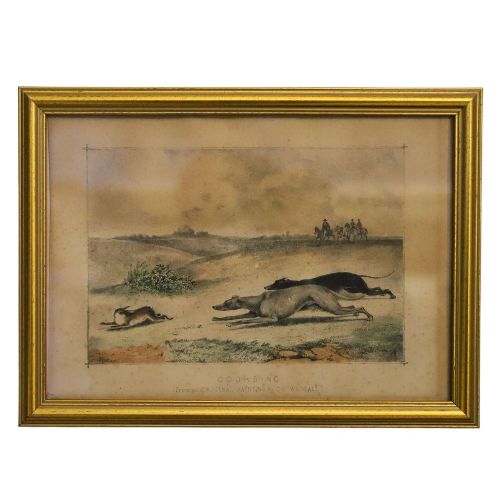
Gold frame equestrian art comprises oil paintings, watercolours, prints, and needlework depicting horses, hunts, and rural scenes housed within giltwood or gold leaf surrounds. These works range from individual portraits of famed racehorses and hunters to sweeping coaching scenes and pastoral landscapes.
Buyers meet works spanning from the Georgian and Victorian eras into the mid twentieth century, created by British schools and named artists working in oil on canvas.
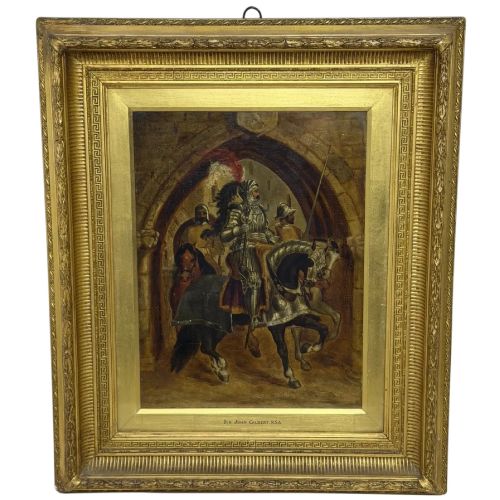
The subjects extend from intimate stable portraits to dynamic racing studies and historical hunting processions, each carrying the patina of its period.
Materials and Construction
Artists painted primarily in oil on canvas or wood panels, utilising oil paint to capture the musculature of horses and the reflective sheen of coats. Watercolours on paper and silk needlework also appear among the framed pieces.
The enclosing frames are constructed from wood finished with giltwood, gold leaf, or plain gilt, providing a reflective border that complements the warm tones of the painted scenes.
Gold Frame Equestrian Art Retail Price Guide 2026
Typical asking prices for gold frame equestrian art among the pieces listed under this phrase on Sellingantiques today, from the lower quarter to the upper quarter. They describe what is for sale here now, not the wider market.
Among the historical subjects, horses share the canvas with unexpected companions, including steam locomotives and flocks of farmyard ducks.
Evaluating Quality
Quality rests in the anatomical accuracy of the horses, the handling of light in the landscape, and the depth of the brushwork in the animal's coat. Master hand in the portraiture distinguishes a flat record from a living study.
The character and preservation of the accompanying gilt frame contribute to the overall integrity of the piece, with period gilding carrying distinct visual weight.
William Joseph Shayer Senior·John Wootton·Thomas Hudson·William Powell Frith·Thomas Smythe·Albert Clark·Sir John Gilbert·Johannes Lingelbach·Sir Edwin Henry Landseer·George Wright·William Albert Clarke·Abraham Cooper·Fred Fitzpatrick·C. H. Weigall·Edward Priestley·Vernon DeBeauvoir Ward·C R Breytle·John Alfred Wheeler·Philip Rideout·Herman S Melville·John Ferneley Senior·Alfred Munnings·Charles Walter Simpson·John Arthur Lomax·John Frederick Herring Jnr
The Gold Frame Equestrian Art Glossary
- Giltwood
- Wood carved and coated with gold leaf or a gold-coloured finish. It provides a bright, reflective border to traditional oil paintings.
- Oil on Canvas
- Pigment mixed with drying oils applied to stretched fabric. This medium allowed artists to build rich textures and deep colour tones.
- Equestrian Art
- Depictions of horses in sporting, racing, or pastoral contexts. This genre includes individual animal portraits and wide hunting scenes.
- Lithograph
- A print made from a design drawn on limestone or metal plate. It enabled the reproduction of fine graphic works in the nineteenth century.
Gold Frame Equestrian Art: Frequently Asked Questions
What subjects appear in these paintings?
These works depict thoroughbred racehorses, hunters in stables, coaching scenes, and fox hunting gatherings set within pastoral landscapes or estates.
Subjects also include historical royal mounts and narrative sporting moments from British field sports.
How do I identify the period of a frame?
Period frames often display hand-carved wooden ornamentations and authentic gold leaf application that shows gentle wear over the centuries.
Victorian and Georgian frames utilise specific moulding profiles and corner joins distinct from later reproductions.
Were these works created as portraits?
Many equine pieces function as direct portraits of named racehorses, prize studs, or personal mounts commissioned by owners and estates.
Others capture broader sporting narratives, coaching journeys, and agricultural scenes involving working horses.
How should I care for an oil painting?
Display oil paintings away from direct sunlight and sudden humidity changes to protect both the canvas and the supporting wooden stretcher.
Dust the gilt frame gently with a dry, soft brush without applying cleaning solutions to the gilded surfaces.