



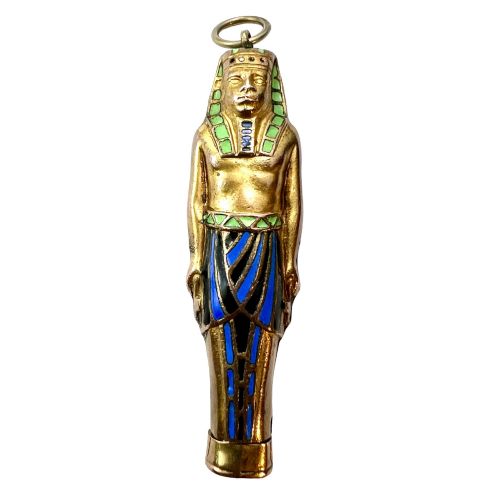
Gold Fob Pendant
A gold fob pendant brings the tactile weight of the nineteenth and early twentieth centuries directly to modern chains.
Gold Fob Pendant
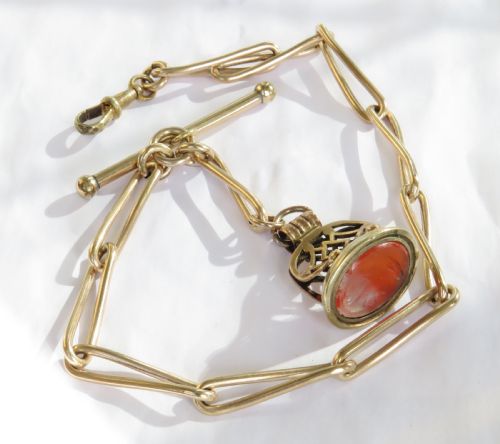
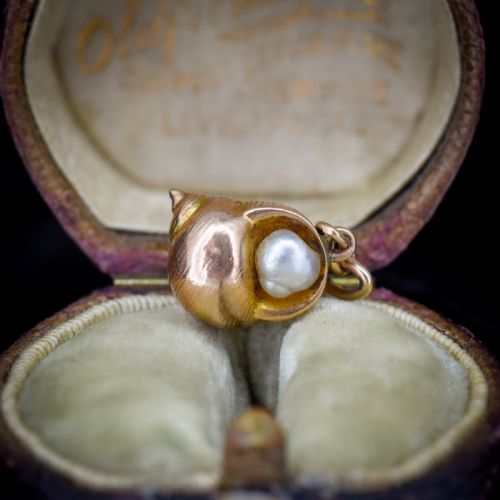
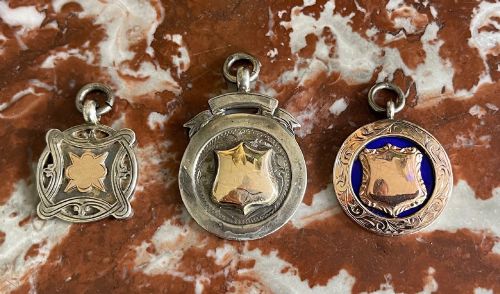
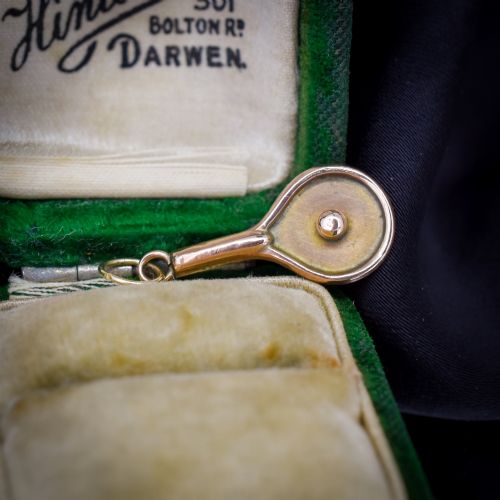
A gold fob pendant encompasses pieces originally designed to hang from pocket watch chains, including swivel seals, carved hardstone charms, and decorative medals. Buyers searching for a gold fob pendant encounter forms originating in the Georgian, Victorian, and Edwardian eras, alongside later mid-century examples.
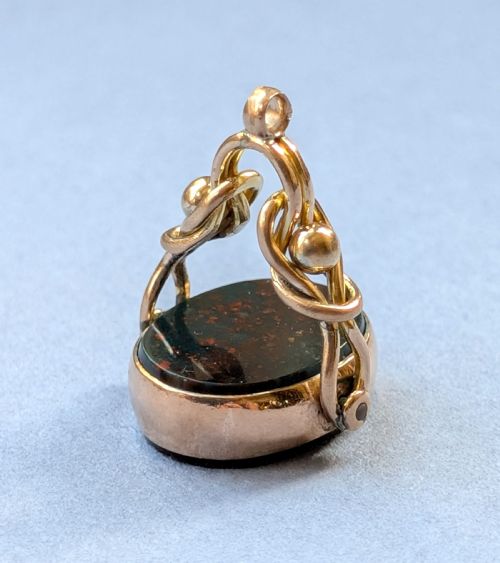
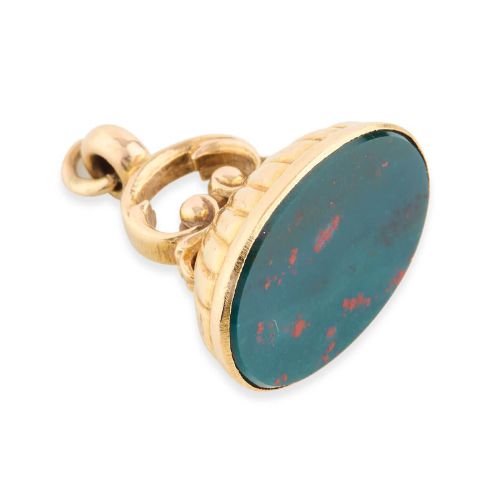
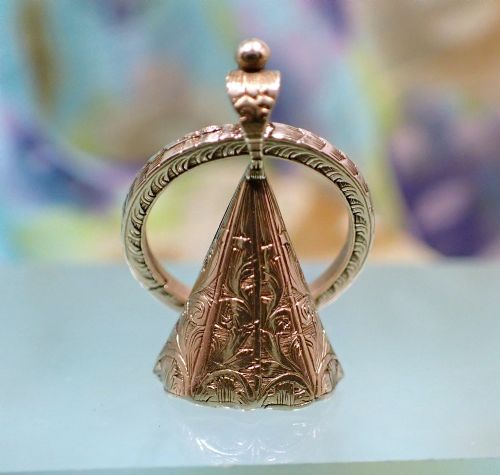
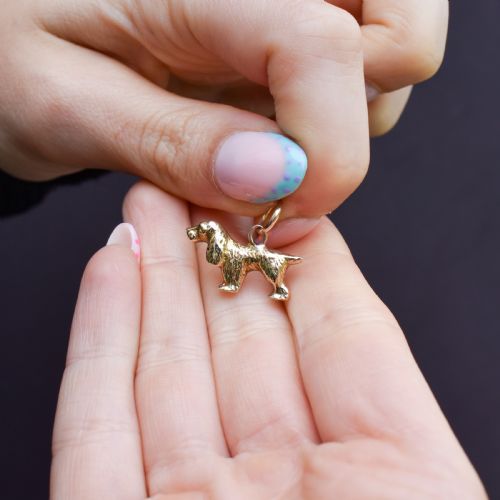
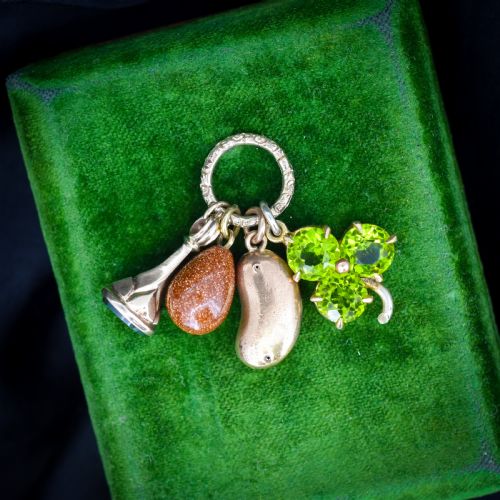
The selection ranges from simple bloodstone and carnelian swivel seals to ornate Masonic medals and figural charms. Many pieces combine functional elements such as spinning bezels or watch keys with intricate metalwork.
Originating as practical accessories for gentlemen and gentlewomen to mark time or stamp wax, these objects survive today primarily as distinct pendants for neck chains. The common thread is a dense construction of gold paired with coloured hardstones or glass.
Materials and construction
Goldsmiths utilised varying purities, predominantly nine-carat and fifteen-carat yellow and rose gold, alongside gilt metal and gold-cased brass. These metals were cast, stamped, or hand-engraved to form mountings that secure hardstones or glass inserts.
Natural minerals such as carnelian, bloodstone, sardonyx, chalcedony, and agate provide the contrasting faces for intaglios and plain seals. Stones were shaped by hand, polished, and frequently set into rotating axes to allow two display faces on a single pendant.
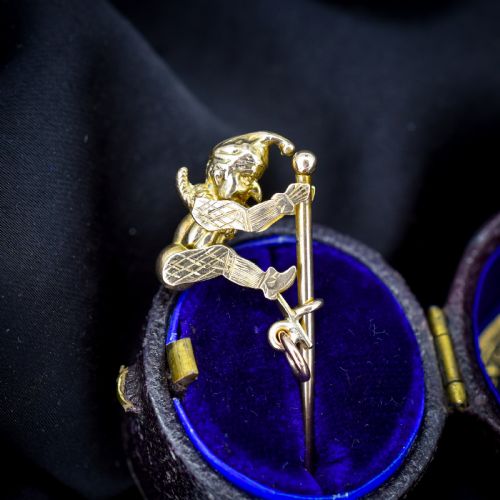
Mr Punch makes occasional appearances dangling from chains, proving the Victorians enjoyed a sense of humour alongside their solemn heraldic seals.
Assessing quality and craftsmanship
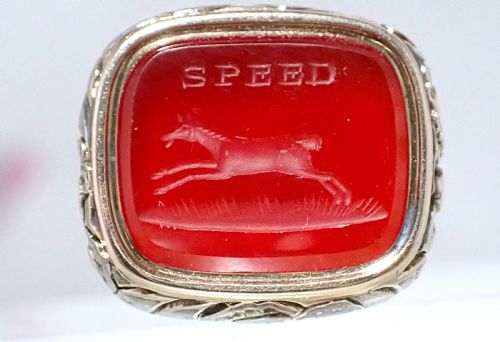
The standard of intaglio carving dictates much of the distinction between pieces, moving from shallow mechanical engraving to deep, expressive hand-cut figures, coats of arms, or monograms. Fine examples display crisp detailing in the animal motifs, human portraits, or heraldic symbols cut directly into the stone.
Structural complexity also defines the upper tiers, seen in rotating swivel mechanisms that turn smoothly without play, or multi-part mounts incorporating chased ornamentation and applied wirework. Weight and the thickness of the gold shell or solid gold components indicate the original maker's investment in durable materials.
The Gold Fob Pendant Glossary
- Carnelian
- A reddish-orange variety of chalcedony frequently used for the seal faces of fobs. It takes a high polish and was favoured for intaglio engraving.
- Bloodstone
- A dark green chalcedony flecked with red spots of jasper, commonly mounted opposite carnelian in spinning fobs. The contrasting colours allowed the wearer to reverse the stone.
- Intaglio
- A design carved intothe surface of a stone so that an impression pressed into wax produces a raised relief. These served practical signing or sealing functions.
- Swivel Fob
- A pendant featuring a central pivoting ring that allows the stone-set bezel to turn one hundred and eighty degrees. This mechanism exposed either a second stone or an engraved monogram.
- Albert Chain
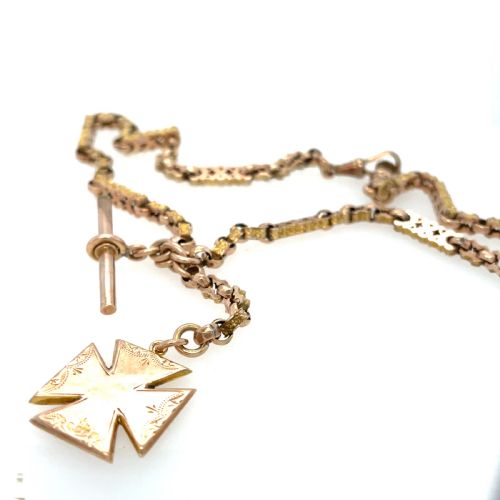
- A pocket watch chain designed to pass through a waistcoat buttonhole, carrying a T-bar at one end and a fob pendant dangling from the centre. Many surviving pendants originally hung from these chains.
Gold Fob Pendant: Frequently Asked Questions
What is a gold fob pendant?
A gold fob pendant is a small decorative or functional item originally worn suspended from a pocket watch chain. These pieces often feature hardstone seals, engraved initials, or figural charms.
Today, they are widely worn on neck chains as individual pendants, retaining their historical character and dense precious metal construction.
How do I tell Victorian fobs from Georgian ones?
Georgian fobs typically exhibit hand-carved details, heavier yellow gold cased construction, and softer, more rounded floral or heraldic motifs. Stones like carnelian are often set in thick, ornate bezels.
Victorian and Edwardian examples introduce nine-carat and fifteen-carat rose gold, sharper stampings, and a wider variety of novelty subjects, military medals, and spinning mechanisms.
Can I still use an antique fob as a seal?
Many antique fobs retain their original carved intaglio bases, which were traditionally pressed into hot sealing wax to authenticate letters and documents. While modern owners usually wear them purely as jewellery, the carved stone faces remain fully capable of leaving an impression.
Care should be taken when using antique hardstones with modern sealing waxes to avoid thermal shock or scratching.
What are bloodstone and carnelian?
Bloodstone and carnelian are natural quartz minerals that became the standard materials for nineteenth-century seal faces. Carnelian provides a translucent orange-red surface, while bloodstone offers a deep green body marked with red jasper spots.
Pendant fobs often mounted both stones back-to-back within a rotating swivel frame.