
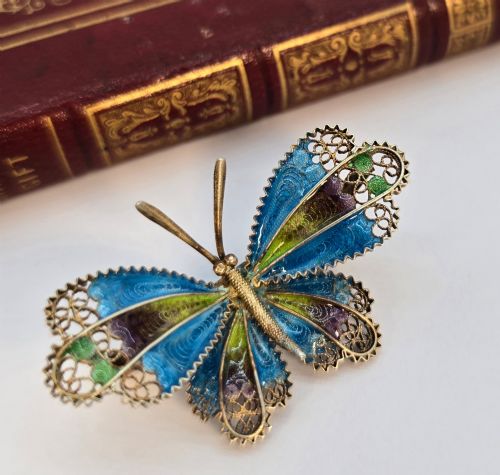
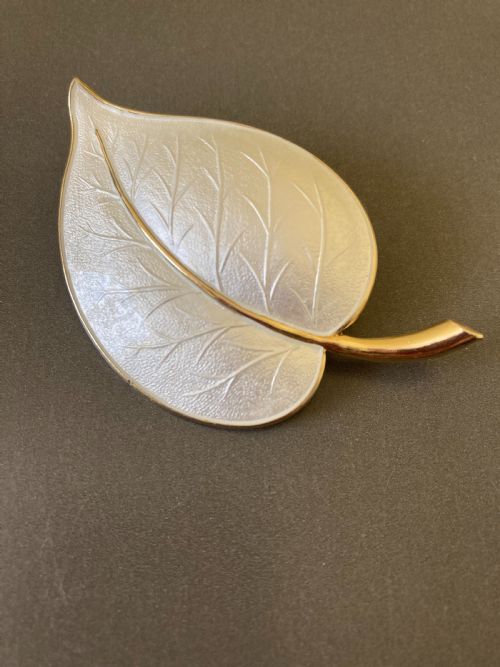
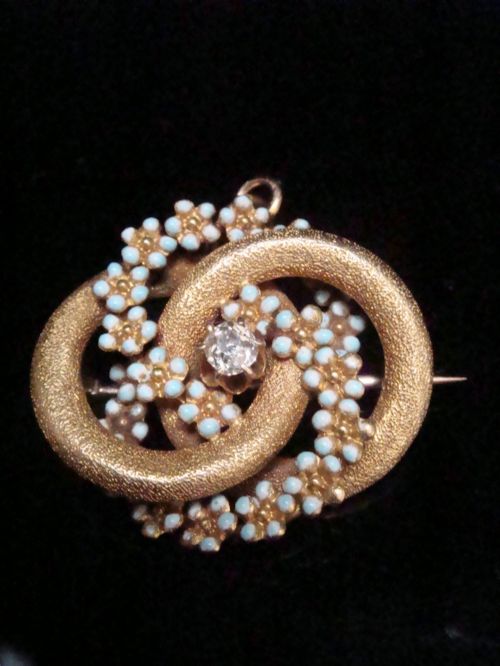
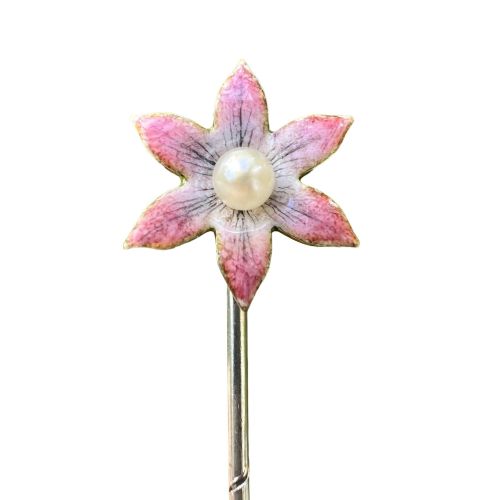


Gold Enamel Brooch
These gold enamel brooch designs combine rich metalwork with vitreous colour, offering a wearable miniature of historical taste.
Understanding the Gold Enamel Brooch
A gold enamel brooch brings together precious metals and fused glass pigments to create durable, decorative dress ornaments. When you search for a gold enamel brooch, you encounter pieces spanning from the Georgian and Victorian eras through to the mid twentieth century.
The selection ranges from early mourning pieces containing hair under glass to whimsical animal forms and geometric stars. You are most likely to meet Victorian and Edwardian examples featuring floral motifs, birds, and symbolic blue enamel work.
Makers utilised various carats of yellow gold, frequently pairing the metal with natural pearls, diamonds, and garnets. These jewels served both sentimental functions and purely decorative roles on lapels and cravats.
Materials and Construction
Goldsmiths shaped fourteen, fifteen, and eighteen-carat yellow gold into frames, bezels, and bar mounts to house the decorative elements. Enamel work involved fusing powdered glass to the metal surface at high temperatures to achieve rich blue, black, or polychrome colour fields.
Many examples incorporate seed pearls, rose-cut diamonds, and cabochon garnets claw-set or mounted in collets alongside the enamel panels. Mourning variants often integrated human hair and glass compartments behind the central gold and enamel display.
The archive shows extensive use of fifteen-carat yellow gold alongside blue and black enamel across Victorian and Edwardian examples.
Markers of Quality
Quality rests in the precision of the enamel work and the refinement of the underlying gold fabrication. Superior examples demonstrate smooth vitreous surfaces free from cracking, alongside detailed hand-chased metalwork and secure stone settings.
Maker attribution elevates certain pieces, particularly those bearing recognised workshop marks from firms such as Murrle Bennett or French makers utilising rolled gold processes. The complexity of the subject matter, from naturalistic owls and swallows to intricate floral clusters, also determines distinction.
Murrle Bennet & Co·FIX
The Gold Enamel Brooch Glossary
- Enamel
- A glassy substance fused to metal through high-temperature firing. It provides permanent colour and intricate detail to the brooch surface.
- Seed pearl
- A very small, naturally formed pearl often used in Victorian jewellery. These tiny gems frequently accent starburst and floral enamel designs.
- Mourning brooch
- A commemorative jewel worn to remember a deceased person. These pieces often feature black enamel, braided hair under glass, and gold inscriptions.
- Bar brooch
- A slender horizontal pin mount popular during the Edwardian period. They frequently display central enamel motifs like birds, insects, or flowers.
Frequently Asked Questions
How do I date a gold enamel brooch?
Dating relies on stylistic clues, pin mechanisms, and material composition. Georgian and early Victorian pieces often feature closed-back settings and intricate mourning hairwork.
Later Edwardian and Arts and Crafts examples display lighter bar mounts, natural pearls, and characteristic maker marks or lower-carat gold standards.
What is mourning jewellery?
Mourning jewellery was worn to memorialise deceased loved ones, particularly during the Victorian era following the death of Prince Albert. These items utilised black enamel, seed pearls, and compartments for human hair.
Such pieces combined personal sentiment with strict social customs of remembrance and bereavement.
How should I clean my brooch?
Vitreous enamel is essentially glass and requires gentle handling to prevent scratching or thermal shock. Clean the gold and stones using a soft cloth and warm soapy water.
Avoid harsh chemical dips or ultrasonic cleaners, which can damage fragile enamel or dislodge hair and pearls held behind glass.
What does a sweethearts brooch mean?
Sweetheart brooches were military and naval tokens given by service personnel to family members during wartime. They frequently displayed regimental crests, anchors, or patriotic symbols in enamel and gold.
Civilians wore these pins on lapels or ties to show support and maintain a connection to loved ones on active service.