


Arts and Crafts Pin
An arts and crafts pin brings together honest metalwork and quiet stones, offering a wearable piece of early twentieth-century design.
Arts and Crafts Pin
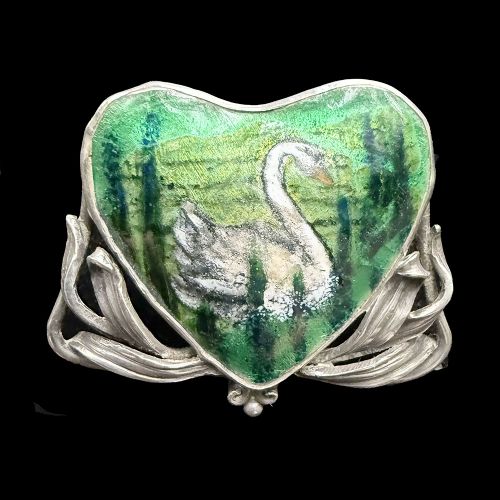
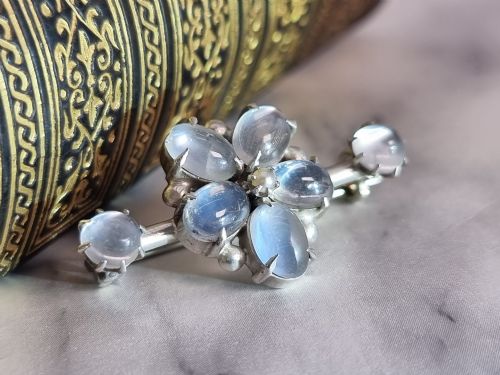
When you search for an arts and crafts pin, you find small personal ornaments shaped by hands that favoured traditional craft over industrial output. The examples met most often on this page take the form of silver brooches and hat pin cushions set with moonstones, sapphires, or coloured enamel. These objects draw on the aesthetic movements of the Edwardian era and the early decades of the twentieth century, combining utility with distinct decorative charm.
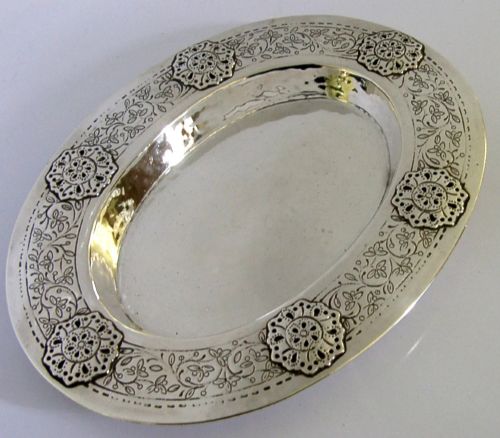
The materials used reflect a preference for substance and texture, frequently pairing sterling silver or copper with cabochon gems. Alongside wearable brooches, the category extends to specialised items like hat pin stands that served dressing tables of the period. Each piece carries the imprint of workshop traditions that valued individual design above mass production.
Materials and Craftsmanship
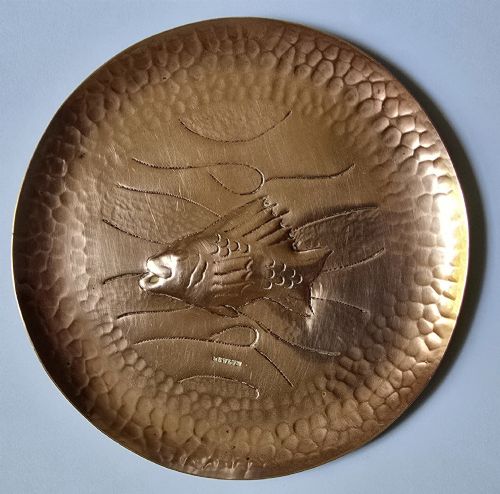
Makers shaped these pieces from sterling silver, copper, and yellow gold, often employing hand-beaten techniques that left subtle tool marks across the metal surface. Enamel work provided vibrant colour, applied in translucent layers to catch the light behind floral or geometric motifs.
Stones such as moonstones and sapphires were typically cut as cabochons rather than faceted, held securely within simple bezels that let the natural glow of the mineral take precedence over complex stone-cutting.
Some pins share shelf space with utilitarian hat pin cushion stands designed to keep dressing tables orderly.
Judging Quality
Quality in these items rests upon the clarity of the maker's hand and the harmony of the composition. Superior examples display precise metalwork where bezels fit snugly around the stones and enamel work remains even without excessive pitting.
The distinction between standard workshop output and the finest pieces often lies in the depth of relief, the weight of the silver or copper, and the distinctiveness of the design rather than any reliance on standard factory casting.
Rhoda Wager·Murrle Bennet and Co·Artificer's Guild·Liberty and Co
The Arts and Crafts Pin Glossary
- Cabochon
- A gemstone shaped and polished with a smooth, convex dome rather than faceted edges. This cut was favoured by period metalsmiths to showcase the inner lustre of stones like moonstones.
- Bezel
- A collar of metal wrapped around the edge of a gemstone to hold it in place. Hand-formed bezels are a hallmark of bespoke workshop production.
- Enamel
- A glassy substance fused to metal through high-temperature firing to add colour and pattern. It appears frequently in floral and abstract motifs on these pieces.
- Hat Pin
- A long pin used to secure women's hats to their hair, often featuring an elaborate decorative head matching the style of the brooch.
- Sterling Silver
- An alloy consisting of silver and other metals, chosen for durability while maintaining a bright metallic lustre. Most pieces of this standard carry appropriate hallmarks.
Arts and Crafts Pin: Frequently Asked Questions
What is an arts and crafts pin?
An arts and crafts pin is a small decorative fastening, usually a brooch or hat pin, produced during the late nineteenth or early twentieth century. These items emphasise hand-wrought metals like silver and copper, often accented with enamel or moonstones.
They reflect a design philosophy that rejected mass production in favour of traditional craftsmanship and natural motifs. Collectors value them for their distinct artistic character and connection to historic craft guilds.
How do I date an arts and crafts pin?
Dating these pieces involves examining the materials, hallmarks, and stylistic traits associated with specific periods such as the Edwardian era or the 1900s to 1920s. Maker's marks and guild stamps provide the most reliable evidence for precise attribution.
Stylistic cues, including the use of specific enamel colours and cabochon stone settings, also help place an object within its historical decade.
How do I care for silver and enamel jewellery?
Care for these pieces requires gentle cleaning with a soft cloth to preserve the patina on the silver and avoid scratching the enamel. Harsh chemical dips should be avoided, as they can damage softer stones like moonstones and ruin delicate metal finishes.
Storing them individually in soft pouches prevents abrasion from other items in a collection.