
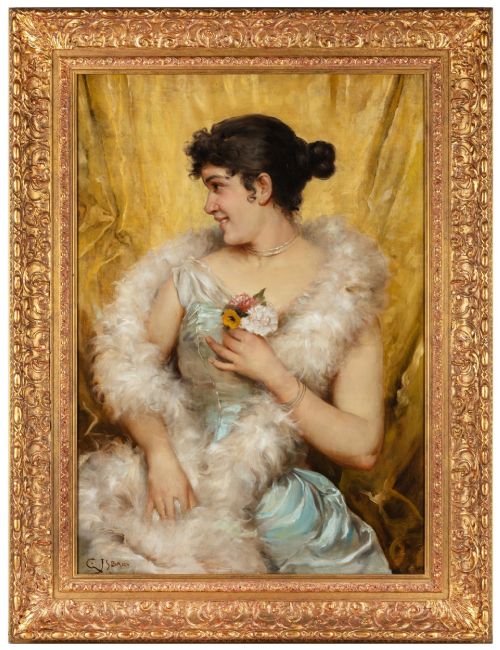
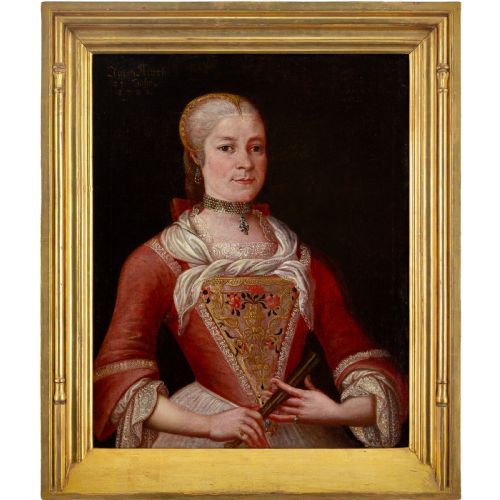
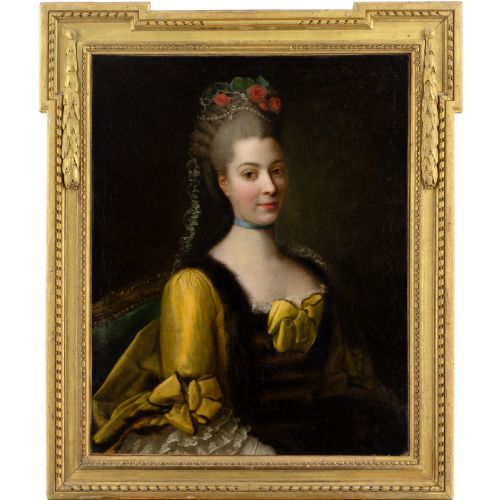
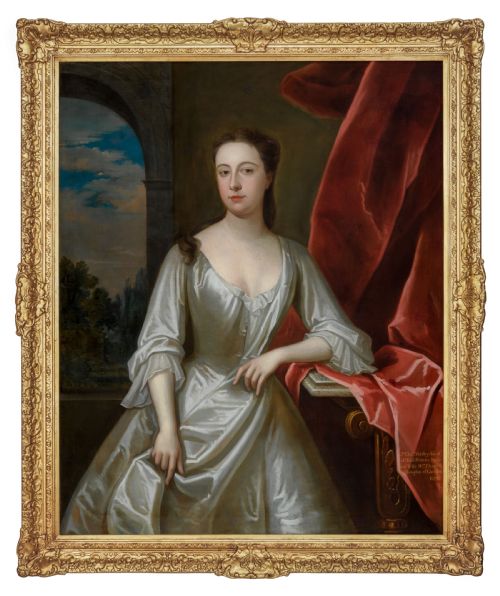
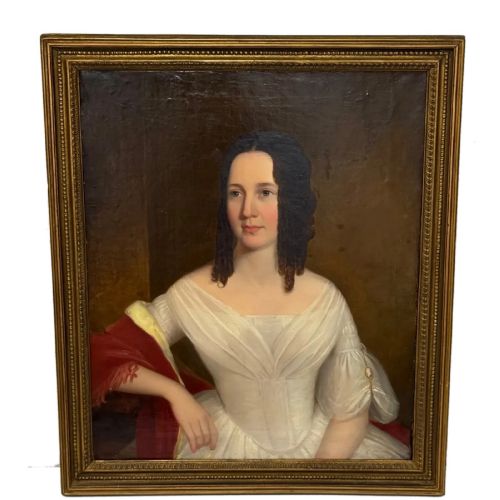
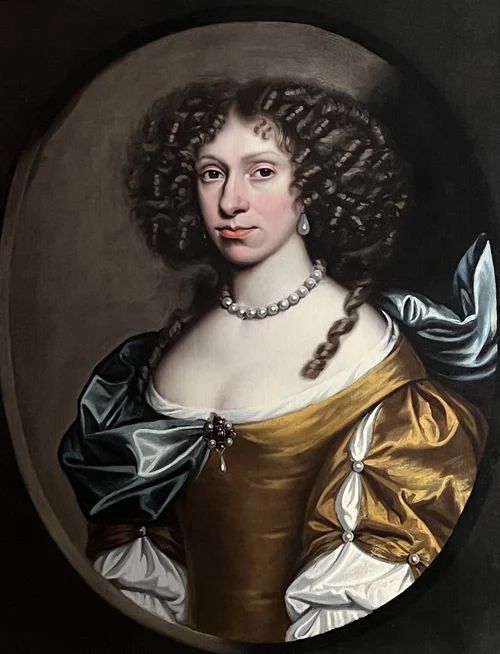
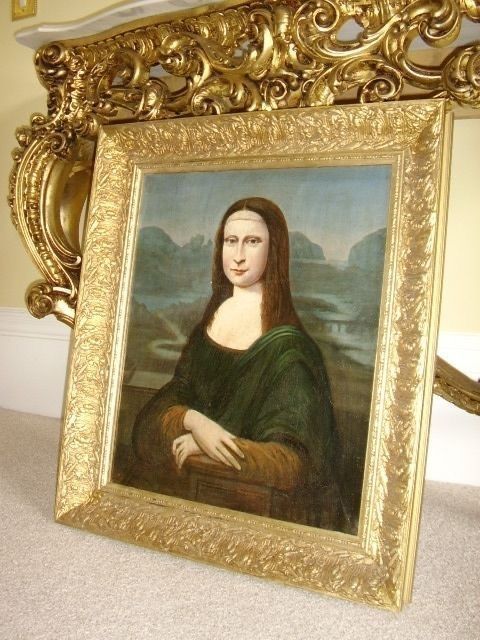
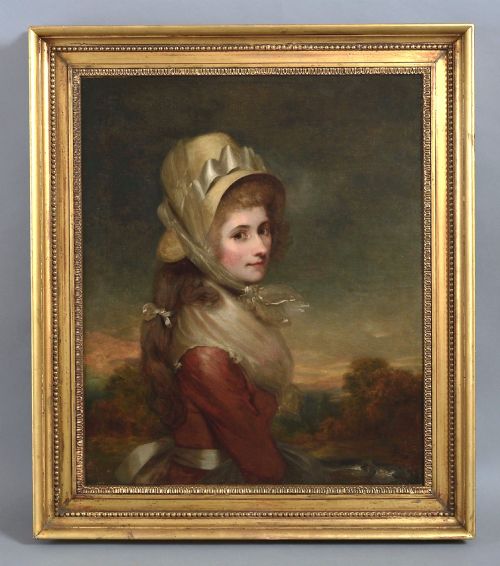

Gold Dress Oil Portrait
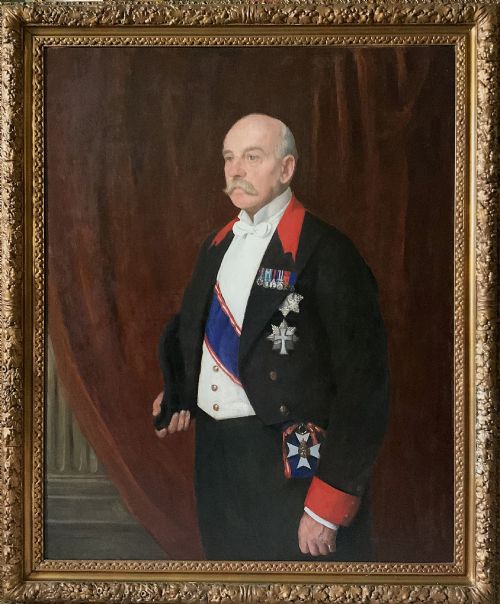
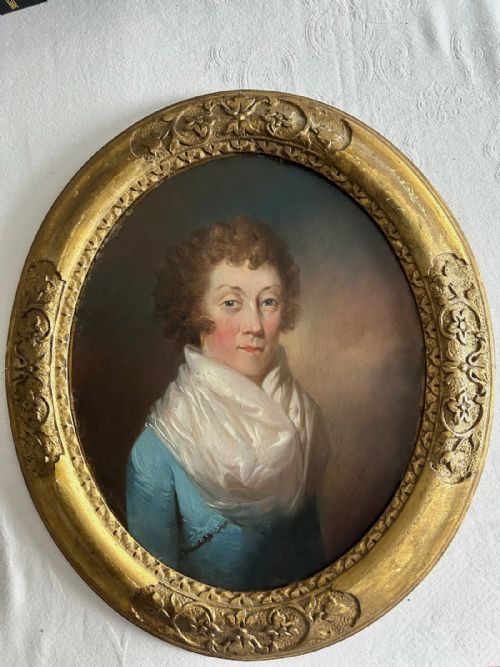
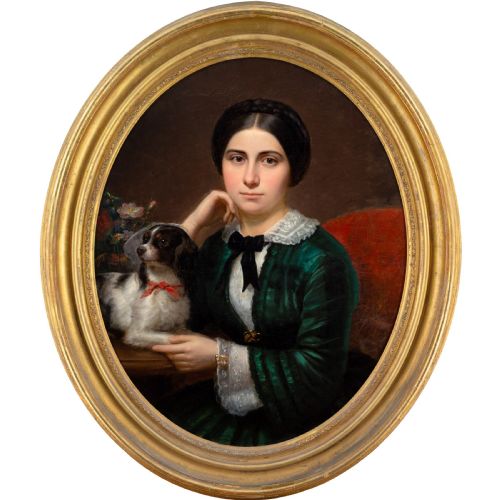
A gold dress oil portrait captures the luminosity of silk and satin through layered pigments, offering collectors a direct window into historical society.
Gold Dress Oil Portrait
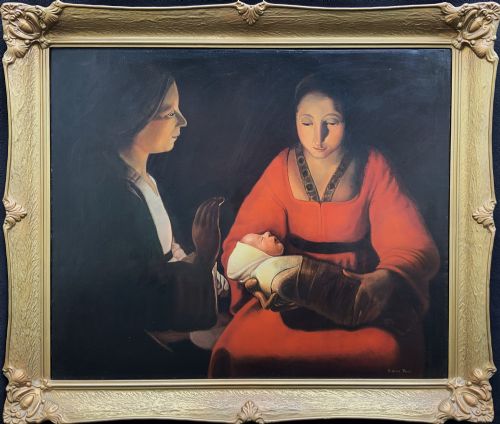
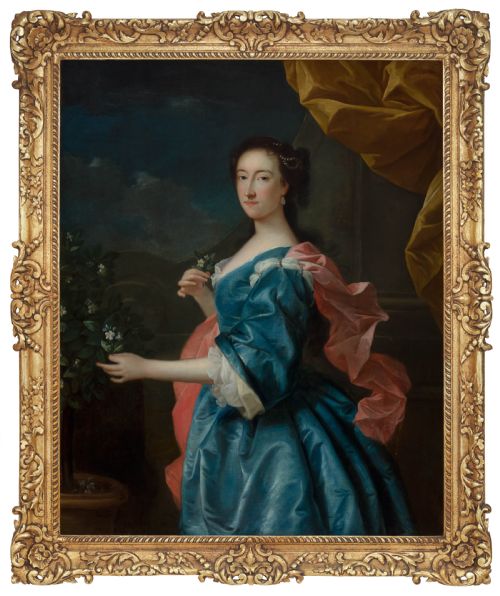
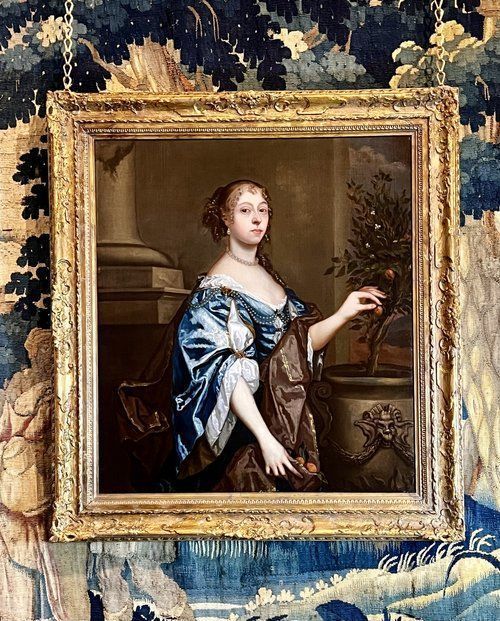
A gold dress oil portrait is a painted likeness on canvas, frequently depicting aristocratic subjects adorned in rich garments that reflect ambient light. These works span multiple centuries, ranging from seventeenth-century baroque depictions to nineteenth-century romantic pieces.
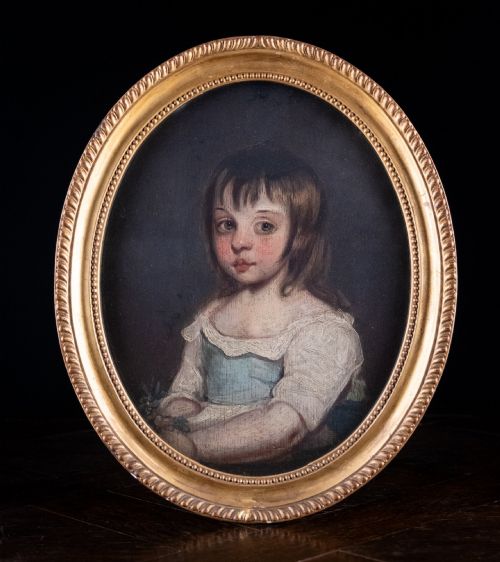
The selection encompasses regional European schools, including English, French, and Bavarian works, alongside pieces executed by named circle artists and anonymous hands alike. Subjects often include noblewomen, children, and significant historical figures posed with domestic animals or symbolic flora.
Framing frequently incorporates period elements such as gilded wood and carved gesso, complementing the luminous hues of the painted attire. Buyers encounter both monumental canvases designed for grand rooms and smaller, intimate portrayals.
What varies in quality
Quality rests primarily in the anatomical precision of the hands and face, alongside the artist's ability to render the fall of heavy fabrics like silk and satin. Finer works display careful handling of light across the subject's dress, whereas simpler pieces rely on stiffer, more formulaic drapery.
The preservation of the original paint surface and the integrity of the canvas dictate the long-term visual power of the piece. Contemporary or later frames can also alter the overall presentation compared to original gilded wood housings.
Represented schools include the 18th Century Bavarian School and the French School, alongside British and Italian portrait traditions.
Sir Godfrey Kneller·David Scougall·Jeremiah Davison·Pieter Borsseler·Michael Dahl·John Greenhill·Attilio Toro·Nicolas Fouché·John Horsburgh
The Gold Dress Oil Portrait Glossary
- Baroque
- A European style spanning the seventeenth and early eighteenth centuries characterised by drama, rich colour, and exuberant detail. Portraits from this era often feature elaborate garments and dynamic lighting.
- Giltwood
- Wood that has been treated with a thin layer of gold leaf or gold paint. This finish is typical of antique picture frames designed to complement the warm tones of oil paintings.
- Circle of
- A designation used when a painting is produced by an unidentified artist working closely in the style and workshop tradition of a master. It denotes strong stylistic similarities to a documented painter.
- Canvas
- A heavy woven fabric used as a support surface for oil painting. It is typically stretched tightly over a wooden frame before priming and painting.
- Attributed to
- A term applied when a work is considered likely to be by a specific artist based on stylistic evidence, though without definitive documentation.
Gold Dress Oil Portrait: Frequently Asked Questions
How do I identify the period of a portrait?
Dating relies heavily on the style of the clothing, the construction of the canvas stretcher, and the characteristics of the framing. Costume historians look at lace collars, sleeve cuts, and hair styling to narrow down the decade.
Pigment analysis and canvas preparation techniques further assist in confirming whether a work belongs to the seventeenth, eighteenth, or nineteenth century.
Where should I hang a large oil portrait?
These works require wall space away from direct sunlight and excessive heat sources to protect the oil pigments and canvas from degradation. Stable indoor humidity prevents warping in both the canvas support and the gilded wooden frame.
Placing the painting at eye level in a principal room allows the details of the subject's dress and expression to be fully appreciated.
What do symbols like orange trees mean in these paintings?
Botanical elements such as orange trees and blossoms frequently signified fertility, wealth, or status in historical portraiture. Aristocratic sitters often chose specific props to communicate their lineage, virtues, or personal achievements.
Including pets like dogs or exotic birds similarly added layers of domestic narrative or personal affection to the composition.
What is the difference between school and circle attributions?
A school attribution indicates a painting was created within a specific geographical region and time period, reflecting local training methods without pointing to a single master. A circle attribution connects an anonymous hand directly to the studio environment of a known painter.
Both designations help contextualize the artistic lineage of works where signatures are absent or illegible.