




Antique Noblewoman Painting
An antique noblewoman painting captures centuries of aristocratic presence, offering a direct window into historical portraiture for your collection.
Antique Noblewoman Painting
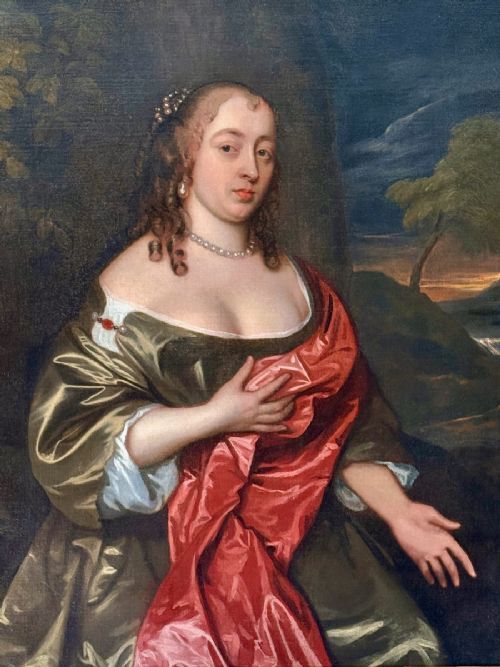
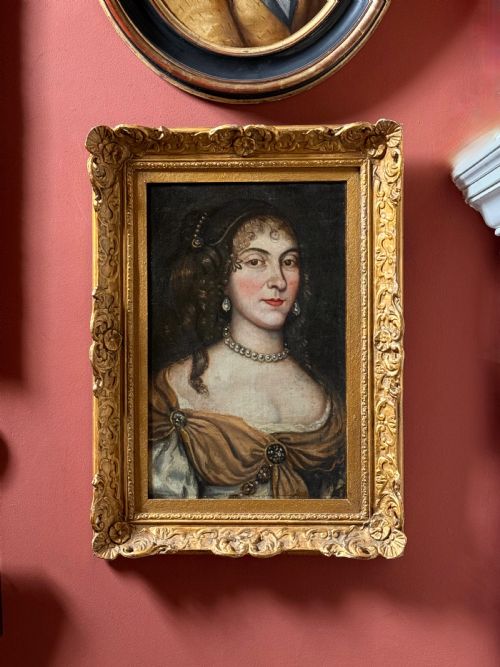
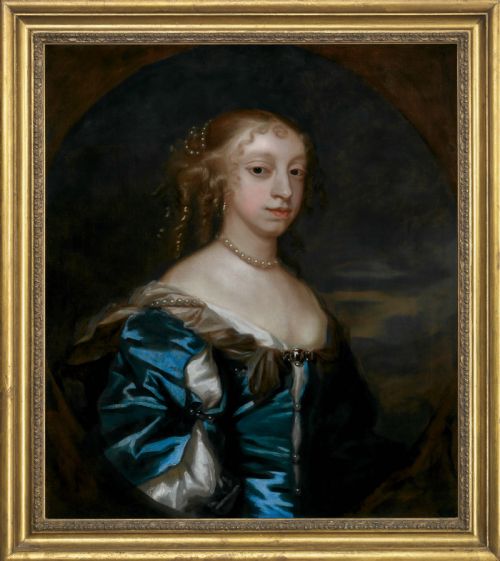
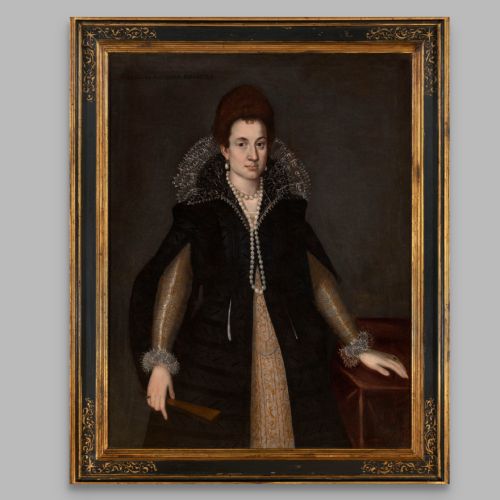
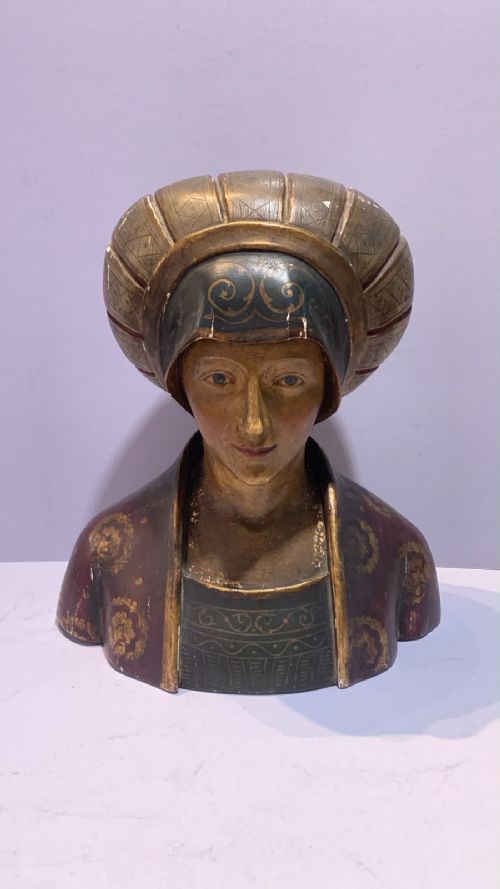
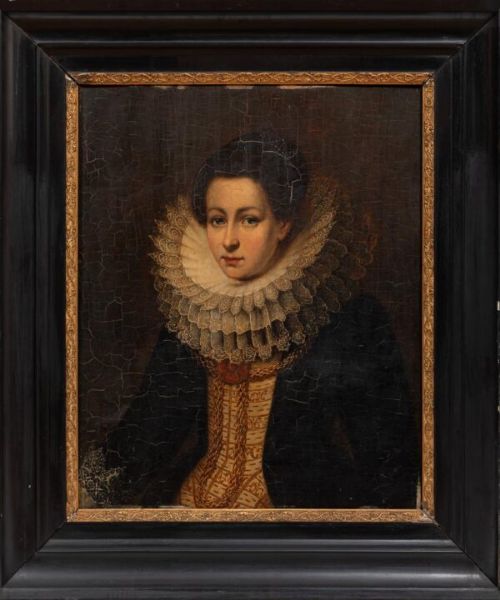
An antique noblewoman painting depicts aristocratic women from periods ranging from the late sixteenth century through the nineteenth century, capturing distinct eras of fashion and social standing. These works include fine art oil paintings on canvas alongside sculptural portrait miniatures and grand tour busts.
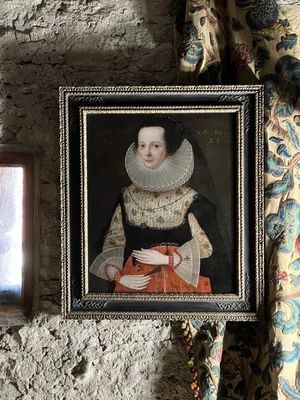
The seventeenth century predominates on this page, offering numerous oil on canvas works executed in Baroque and English school styles. Subjects often wear elaborate costume, ruff collars, or ermine trimmed cloaks, reflecting the rich portraiture traditions of Dutch, Italian, and English masters.
Materials and construction
Artists built these works primarily using oil paint applied to canvas stretched over wood frames. Many pieces incorporate gold leaf and gilt wood on their frames to enhance the visual weight of the portrait.
Sculptural variants utilise stone or metal for busts, while traditional paintings rely on layered oil pigments to capture the intricate textiles of historical dress.
Several noblewomen wear elaborately stiffened ruff collars so vast they surely made eating soup an extreme sport.
Assessing quality in historical portraits
The preservation of the original canvas and the integrity of the gilt wood framing contribute significantly to the standing of each piece. Attribution to known circles or specific schools also influences the character of the work.
John Hayls·Pietro Fachetti·Sir Anthony Van Dyck·John Greenhill·Sir Godfrey Kneller·Charles Jervas
The Antique Noblewoman Painting Glossary
- Baroque
- A European artistic style originating in the early seventeenth century, characterised by drama, deep shadow, and rich detail. It heavily influences many portraits of this era.
- Ruff
- A prominent, pleated starched collar worn by nobility in the sixteenth and seventeenth centuries. These garments require immense skill to render in oil paint.
- Gilt wood
- Wood coated with a thin layer of gold leaf or gold paint. This technique frames many historical oil paintings on this page.
- Grand Tour
- A traditional trip through Europe undertaken by upper-class Europeans in the eighteenth and nineteenth centuries. It often resulted in the acquisition of portrait busts and artworks.
Antique Noblewoman Painting: Frequently Asked Questions
What periods do these paintings cover?
The selection spans from the late sixteenth century through the nineteenth century, with a strong emphasis on the seventeenth century.
You will also find later interpretations and mid-century works referencing earlier Venetian and Renaissance styles.
How should I display an antique oil painting?
Hang these works away from direct sunlight and excessive humidity to protect the oil paint and canvas. Maintain a stable room temperature to prevent the wood stretcher frames from warping.
Pairing them with appropriate period lighting enhances the depth of the darker Baroque backgrounds.
What subjects appear in these artworks?
Subjects include named aristocratic figures such as Lady Diana Bruce and the Duchess of Newcastle. Many portraits feature noblewomen in elaborate costumes, extensive landscapes, or detailed ruff collars.
Some pieces represent broader regional schools, including Dutch, English, and Italian traditions.
Are all pieces flat paintings?
While the majority consist of oil on canvas paintings, the category also includes sculptural works. You will encounter nineteenth-century grand tour busts depicting noblewomen.
These three-dimensional pieces offer an alternative medium to traditional canvas art.