

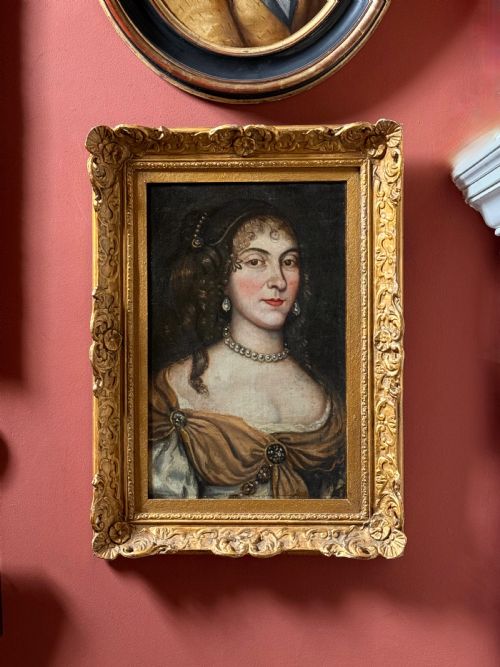
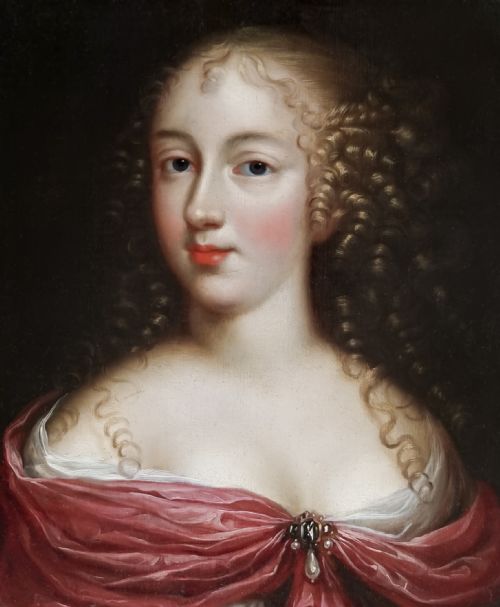
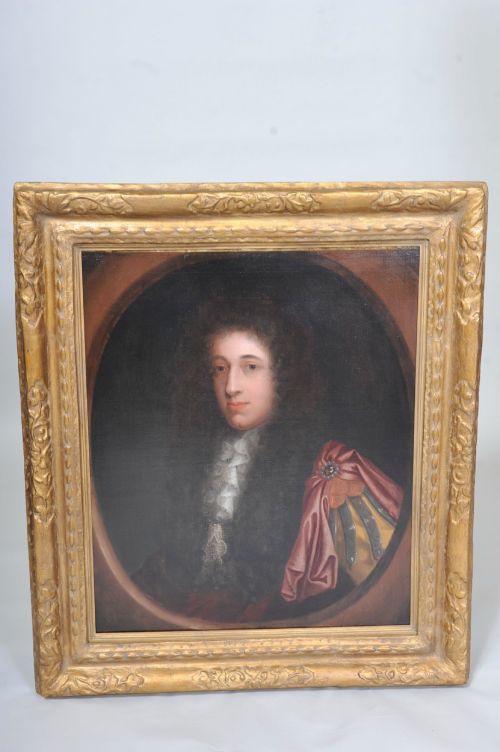
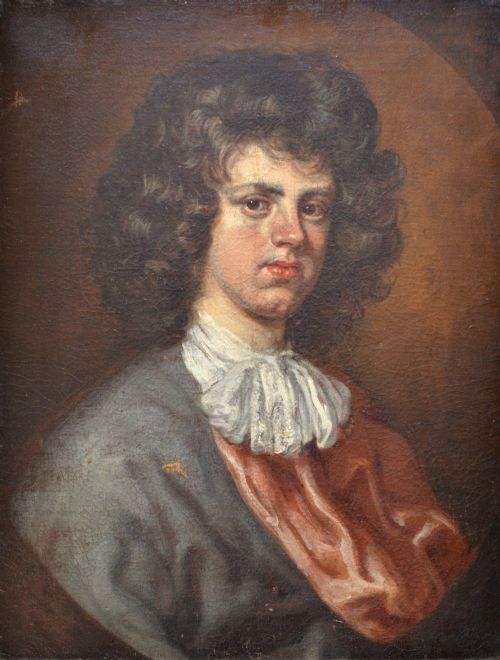
Stuart Period Oil Portrait
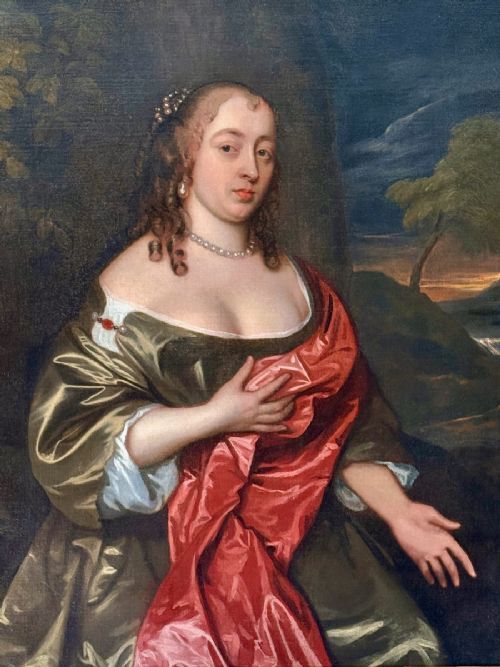
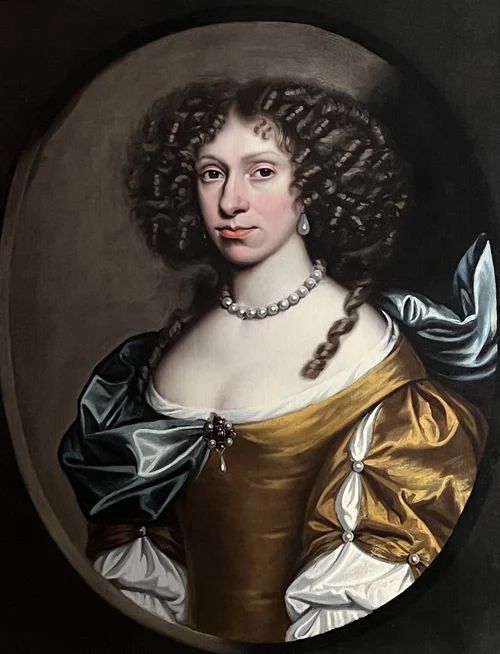
When you want a stuart period oil portrait, you are looking at centuries-old depictions of nobility and gentry rendered in oils.
Stuart Period Oil Portrait
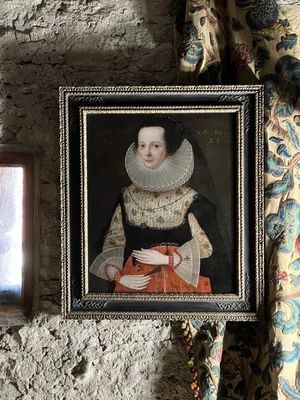
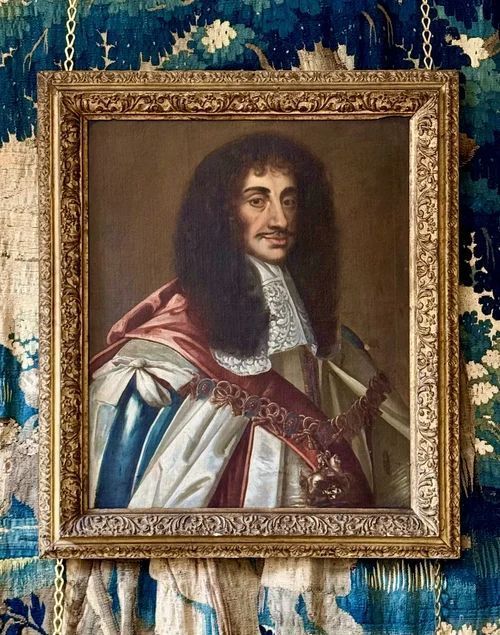
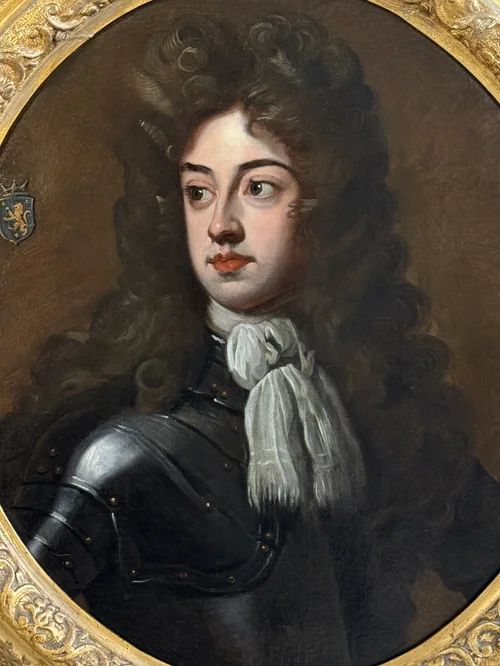
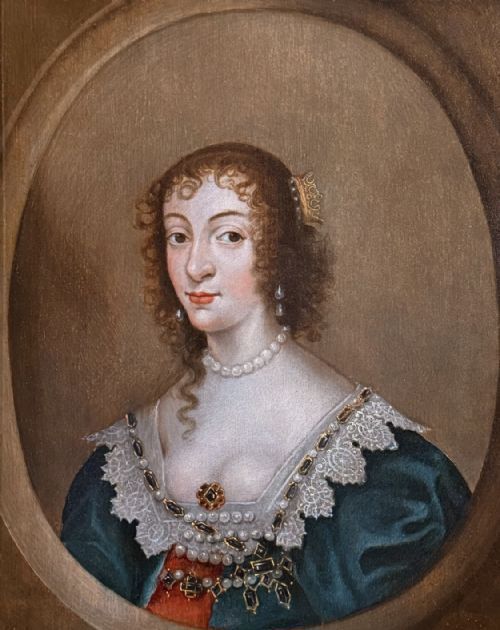
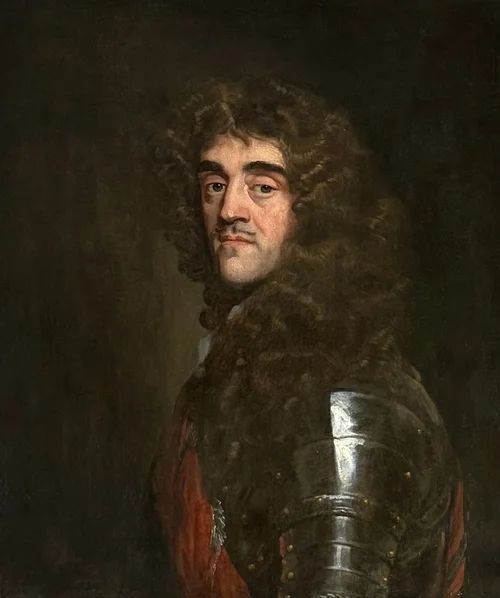
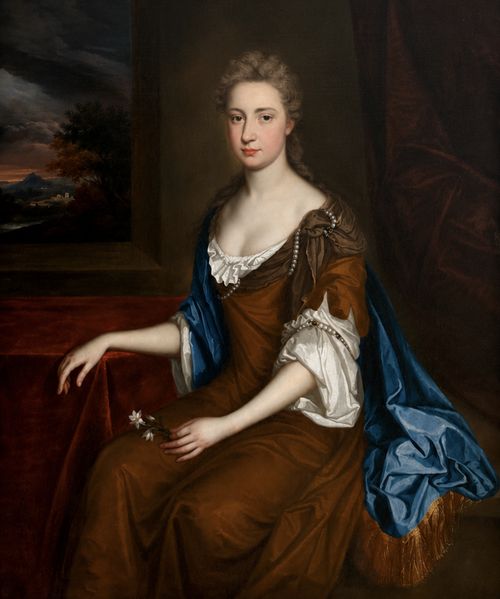
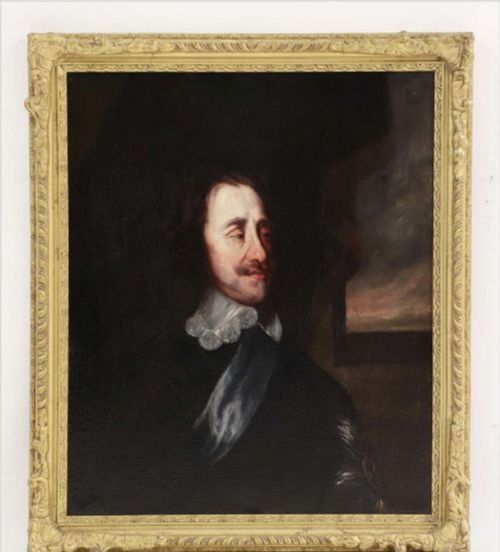
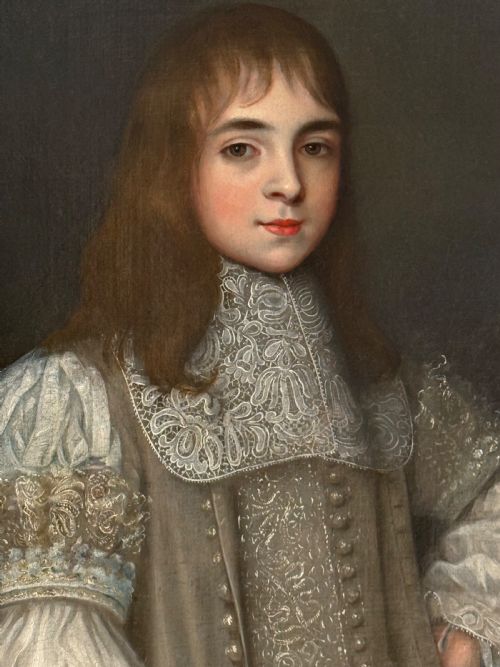
A stuart period oil portrait captures subjects from the seventeenth century, spanning the Jacobean era through the reign of Charles II and the late seventeenth century. Most works on this page present subjects in elaborate costume, armour, or formal attire, often identified by family name or historical title.
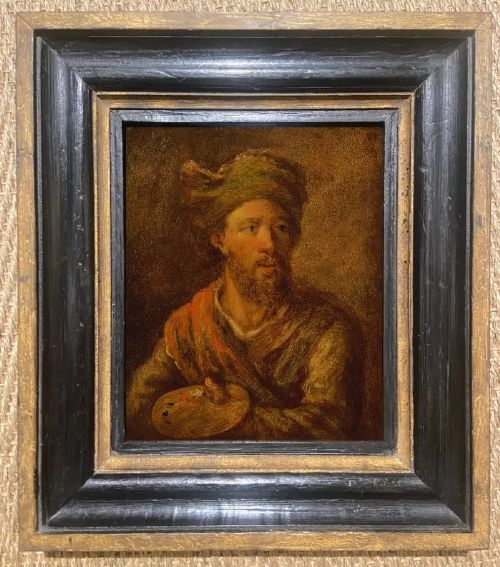
The formats vary from intimate panel paintings to large canvas works depicting lords, ladies, kings, and poets. Many pieces emerge from studio circles or regional schools influenced by prominent court painters of the era.
Materials and technique
These works rely primarily on oil paint applied to woven canvas or wooden panels, supported by traditional ground layers. Artists built up the composition through layered glazes, particularly when rendering heavy velvet fabrics, intricate lace collars, and gilded armour.
Frames are frequently constructed from wood and finished with gold leaf or giltwood, complementing the dark, rich palettes typical of seventeenth-century British and Baroque painting.
Several seventeenth-century sitters share space with small domestic pets and stern poets who clearly preferred their books to company.
Distinctions in quality
Works attributed directly to master painters or their immediate studio assistants display greater anatomical precision and psychological depth than provincial copies produced by lesser-known contemporary hands.
Sir Peter Lely·Sir Godfrey Kneller·John Greenhill·Mary Beale·Cornelius Johnson
The Stuart Period Oil Portrait Glossary
- Baroque
- A stylistic period of the seventeenth and early eighteenth centuries characterised by dynamic movement, drama, and rich detail. It heavily influenced court portraiture during the Stuart era.
- Panel painting
- An artwork executed on a flat piece of wood rather than stretched canvas. This surface was common in earlier seventeenth-century works before canvas became the dominant medium.
- Circle of
- A designation used when a painting shows the distinct style and methods of a known master's workshop. It indicates production during the artist's lifetime in close association with them.
- Giltwood
- Wood carved and treated with gold leaf or gold paint to create a decorative metallic surface. It forms the traditional material for ornate antique picture frames.
- Garter
- A reference to the Order of the Garter, an ancient British order of chivalry. Portraits featuring this insignia often depict high-ranking nobility and royalty.
Stuart Period Oil Portrait: Frequently Asked Questions
How can I date a Stuart portrait?
Dating relies heavily on the clothing styles, lace collars, hair fashions, and any recorded biographical details of the sitter. Costumes changed rapidly across the decades from the stiff ruffs of the Jacobean period to the flowing drapery of the Restoration.
Inscriptions on the canvas or panel often provide further chronological clues, though these must be assessed alongside the physical materials and painting technique.
What is the difference between studio work and an original?
An original painting is executed entirely by the named master's own hand. Studio works or pieces from the circle of an artist were produced by assistants under supervision or by contemporaries closely following the master's manner.
While master-signed pieces command greater attention, high-level studio portraits from the seventeenth century often display exceptional artistic quality and historical importance.
Why are many sitters dressed in armour?
Armour served as a conventional symbol of status, military authority, and elite masculinity during the seventeenth century. Even gentlemen who had not seen active combat often chose to be portrayed in partial plate armour to project strength and lineage.
This artistic convention reflects the turbulent political and military conflicts of the era, including the English Civil Wars.
How should I care for an oil on panel painting?
Panel paintings require stable environmental conditions with controlled humidity to prevent the wood from warping or splitting. Keeping the artwork away from direct sunlight and heat sources protects both the wooden support and the delicate oil glazes.
Professional conservation advice should be sought before undertaking any cleaning or framing adjustments on seventeenth-century surfaces.