
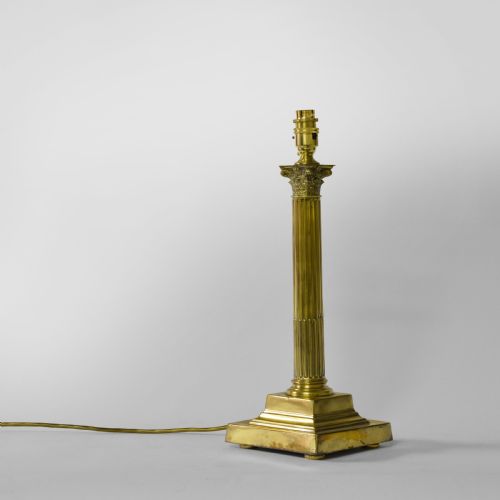


Gold Column Lamp Base
A gold column lamp base brings classical weight and presence to a room, channelling ancient architecture into an interior.
Gold Column Lamp Base
When you search for a gold column lamp base, you are looking at substantial lighting fixtures that draw directly on classical architectural forms. These pieces translate stone columns into gleaming metal, timber and gilt finishes suited for domestic interiors.
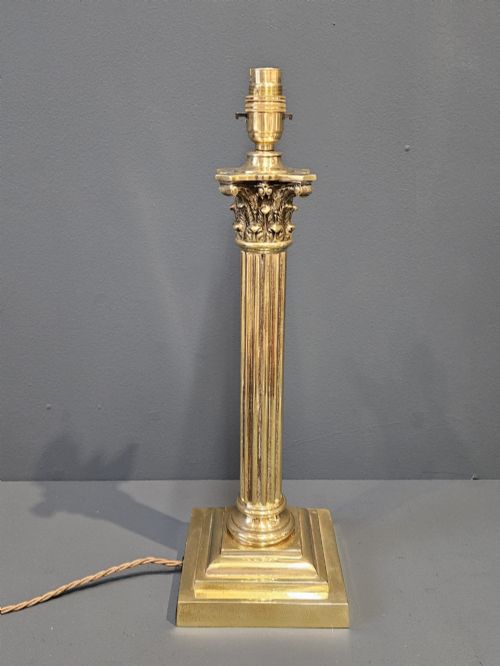
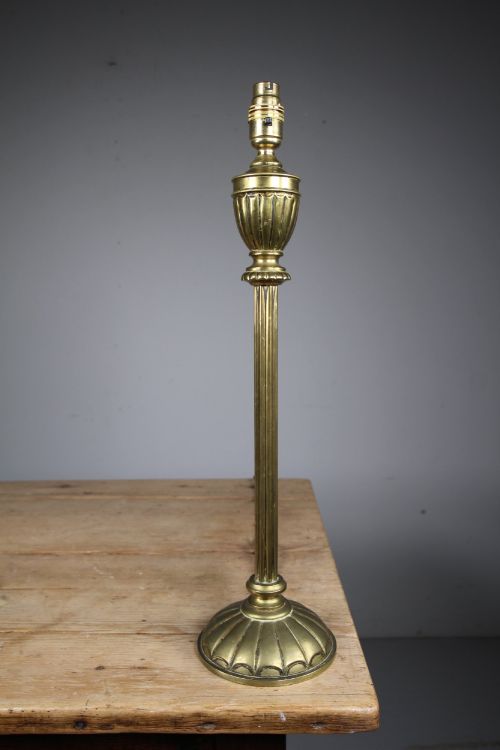
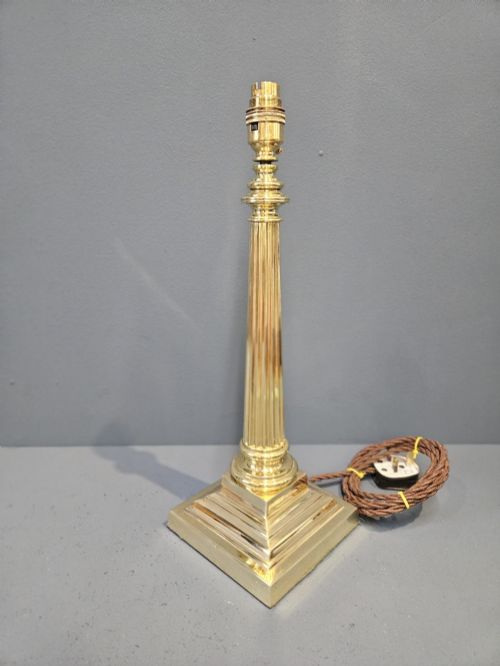
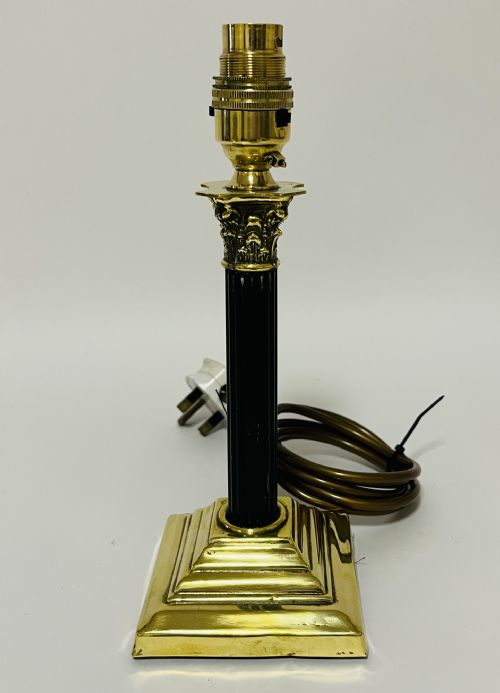
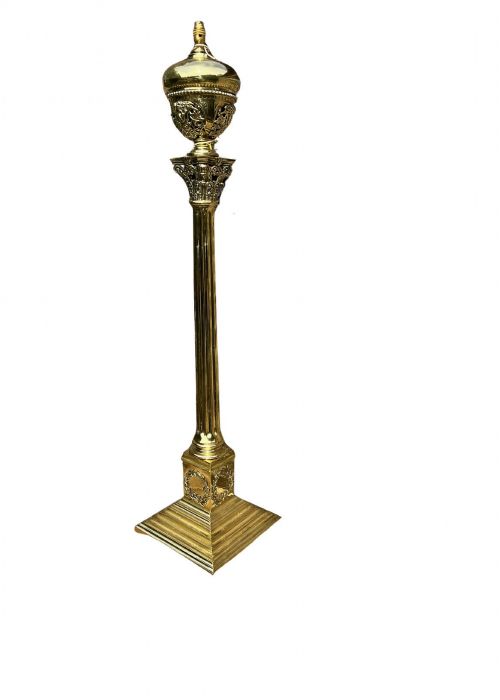
The version you are most likely to meet on this page is a tall brass table lamp or standard lamp, frequently designed in the Corinthian style with fluted shafts and ornate capitals. These pieces span the Victorian, Edwardian and early twentieth-century periods.
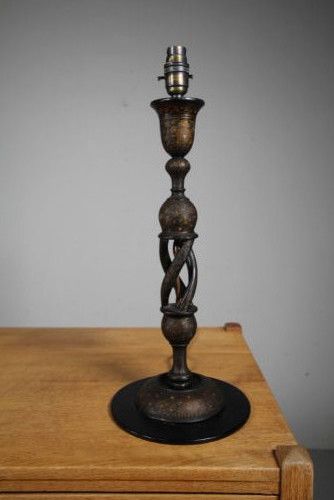
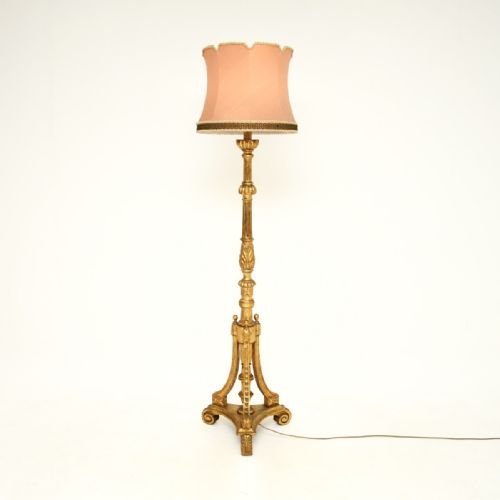
The selection ranges from heavy brass table models to towering floor standards and converted candlesticks. Alongside traditional brass and gilt bronze, you will encounter pieces incorporating marble, porcelain, timber and painted details.
How they were made
The makers of these column bases relied heavily on cast brass, gilt bronze and ormolu to achieve a rich metallic surface. Metal components were often cast in sections, chased for crisp detail and then gilded or polished.
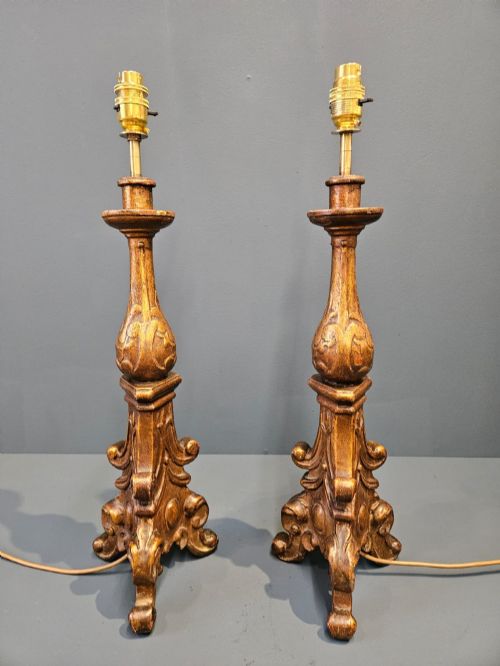
Other examples utilise giltwood, carved timber and painted surfaces to mimic solid gold or bronze. Marble and porcelain sections were occasionally integrated into the shafts to add colour and textural contrast to the metalwork.
Listings span the Victorian, Edwardian, William IV and 1920s periods, showing a strong preference for classical architectural revivals.
What varies in quality
The quality of a column lamp base rests upon the crispness of its casting and the depth of its materials. Fine examples display sharply defined acanthus leaves on Corinthian capitals and substantial weight in the metal or marble used.
Proportion and scale separate the finest examples from standard production pieces. A well-balanced shaft with a sturdy, weighted base and thoughtful integration of materials demonstrates superior craftsmanship.
The Gold Column Lamp Base Glossary
- Corinthian column
- A classical architectural column style featuring ornate capitals decorated with rows of carved acanthus leaves. This motif is the most frequent choice for brass table and standard lamps.
- Ormolu
- Finely ground high-carat gold mercury-gilded onto a bronze or brass base metal. It provides a rich, enduring metallic lustre on nineteenth-century pieces.
- Telescopic
- A standard lamp mechanism allowing the height of the column to be adjusted. This practical feature appears on floor-standing models from the late nineteenth and early twentieth centuries.
- Toleware
- Painted or enamelled sheet metal used for decorative accents on certain lamp bases. It introduces contrasting dark tones against gilt and brass elements.
- Reeded column
- A shaft decorated with parallel convex mouldings running vertically up the length. This treatment adds texture and catches the light differently than a smooth surface.
Gold Column Lamp Base: Frequently Asked Questions
How do I date a brass column lamp?
Dating relies on examining the construction methods, wiring ports, switch types and base weight. Earlier Victorian and nineteenth-century pieces often feature heavier cast components and simpler internal weighting.
Later Edwardian and 1920s examples may incorporate telescopic mechanisms or different casting seams. Comparing the capital style and base proportions against known period pieces helps narrow down the decade.
Can I use these lamps as floor standards?
Many listings include tall standard lamps designed to stand directly on the floor. These pieces often feature heavier weighted bases to ensure stability.
Shorter table lamps are intended for sideboards, desks or occasional tables. Check the height dimensions in the listing to confirm whether a piece is a floor or table model.
What is the difference between ormolu and brass?
Brass is an alloy of copper and zinc with a warm metallic appearance that can be polished or left to age. Ormolu specifically refers to a gold gilt application over a bronze or brass substrate.
Ormolu displays a deeper, more uniform golden finish derived from the gold content. Plain brass relies purely on the metal alloy and surface lacquer for its tone.