
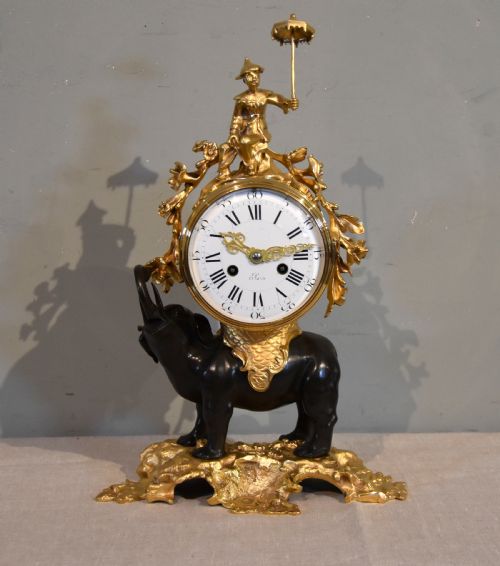


Gold Chinoiserie Desk
These gold chinoiserie desk pieces bring lacquer, gilt, and black surfaces together for any room.
Gold Chinoiserie Desk
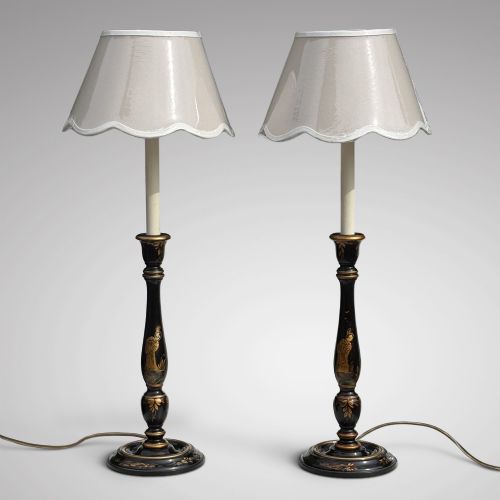
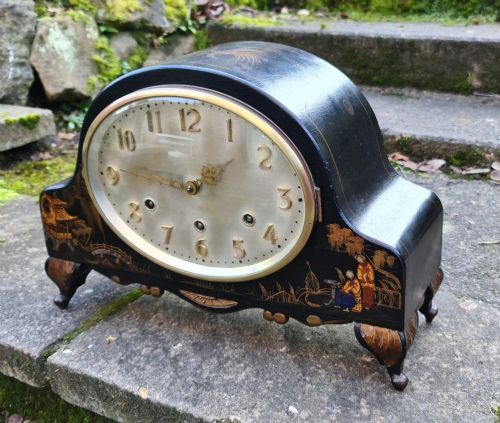
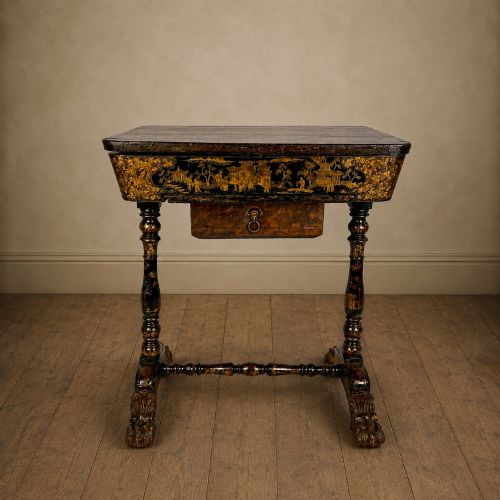
A gold chinoiserie desk encompasses writing furniture decorated with raised or flat painted motifs on dark lacquer grounds, often finished in gilt or gold leaf. Buyers encounter 18th century Georgian examples alongside Edwardian and later interpretations.
The category extends to bureaux and bureau bookcases featuring japanned decoration, bringing ornamental scenes of figures, pavilions, and landscapes into domestic workspaces.
How they were made
Craftsmen built these pieces from wood and lacquered wood, applying multiple layers of lacquer to achieve deep black or dark grounds before decorating the surfaces with gold leaf and gilt paints.
Metal elements such as brass mounts, ormolu, and pressed brass often complement the woodwork, while glass and fabric appear in related items across the selection.
Listings feature periods spanning from the 18th century through to the Edwardian era and 1930.
What varies in quality
The depth of the lacquer finish and the crispness of the gilt decoration separate standard pieces from finer examples, as hand-painted details require immense skill to render figures and foliage with clarity.
Structural integrity of the underlying timber and the preservation of original gilt decoration determine the standing of each piece within its period.
The Gold Chinoiserie Desk Glossary
- Japanned
- European work imitating Japanese and Chinese lacquer finishes using varnish and gold paint. This technique creates the distinctive dark surfaces seen on many period bureaux.
- Chinoiserie
- European artistic style reflecting Chinese and East Asian motifs. Artisans applied these whimsical landscapes and figures to furniture and clocks.
- Gilt
- Gold or gold-like material applied to a surface for decoration. It highlights the raised details on lacquer panels.
- Bureau
- A sloping desk often fitted with internal drawers and pigeonholes. These items form the core of writing furniture in the category.
- Ormolu
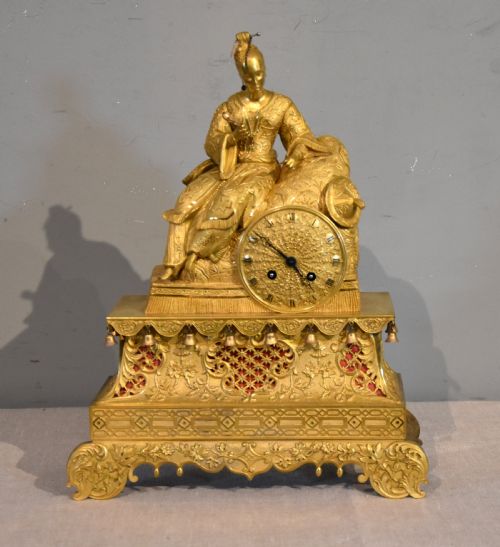
- Gilded bronze used for mounts and decorative fittings. French clocks and tables frequently incorporate this material.
Gold Chinoiserie Desk: Frequently Asked Questions
How do I date a lacquer desk?
Examine the timber construction methods and the wear patterns on the lacquer surface to establish the period of manufacture.
Georgian and Edwardian examples display distinct hardware and internal drawer construction that help distinguish their exact age.
Where should I place this furniture?
Position these pieces away from direct sunlight and heat sources to protect the delicate lacquer and gilt decoration from cracking.
A study, drawing room, or hallway provides a suitable environment where the dark finishes can stand out against lighter walls.
How do I clean gold lacquer?
Dust the surfaces gently with a soft, dry cloth to prevent scratching the fine gilt layer.
Avoid chemical polishes and damp cloths, which damage the historic varnish and lacquer finishes.
What is the difference between japanning and lacquer?
Japanning is the European imitation of Asian lacquer work, developed to mimic imported goods using local varnishes and metallic powders.
Both methods produce dark, glossy surfaces adorned with raised gold designs, though authentic Asian export pieces utilise tree sap resins.