

Gold Carved Wooden Mirror
A gold carved wooden mirror brings warmth and reflective depth to a room through centuries of craftsmanship.
Gold Carved Wooden Mirror
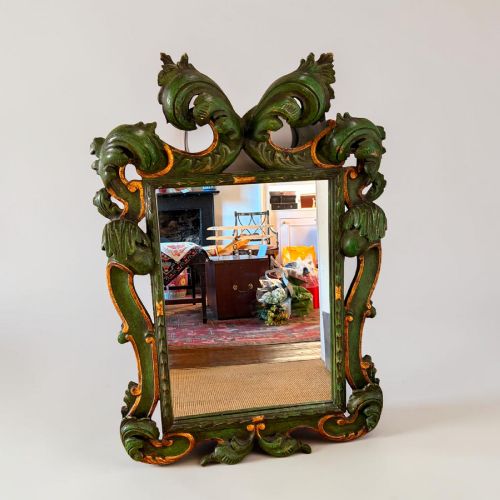
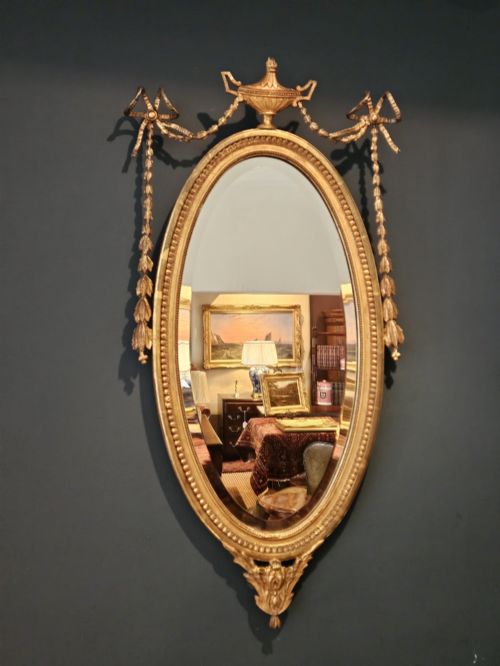
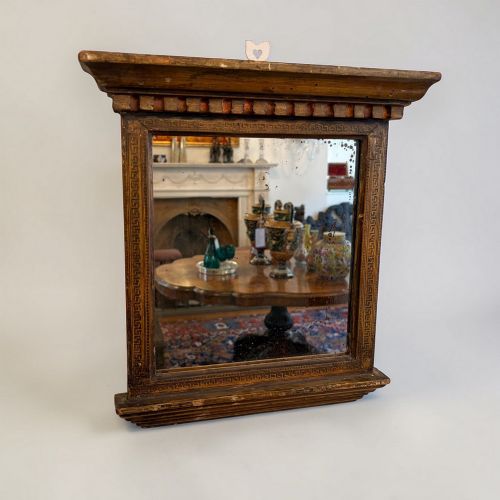
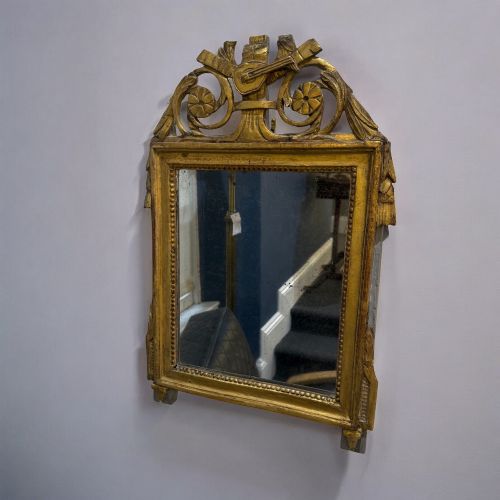
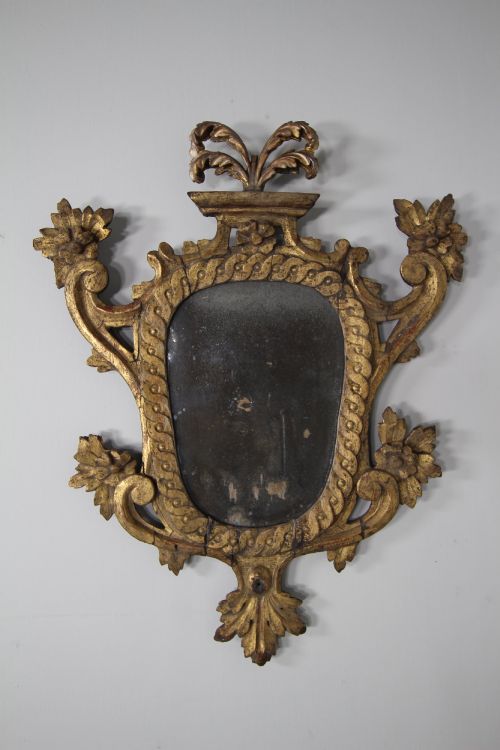
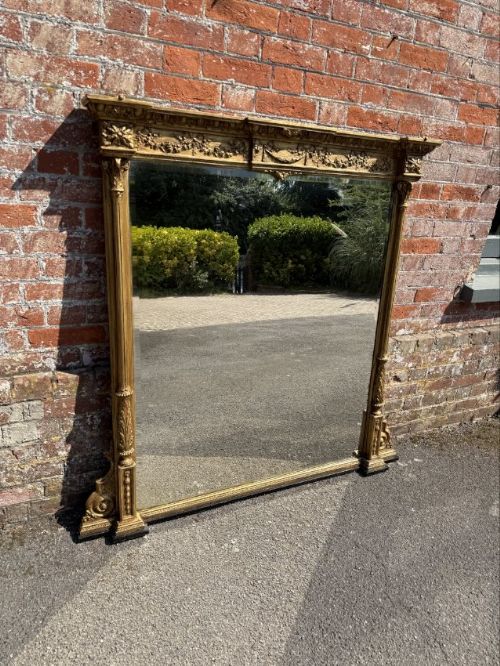
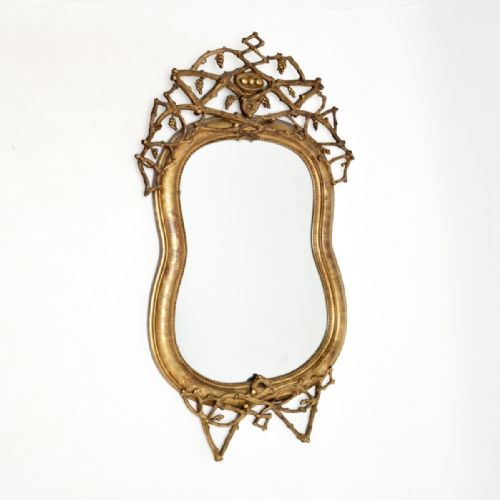
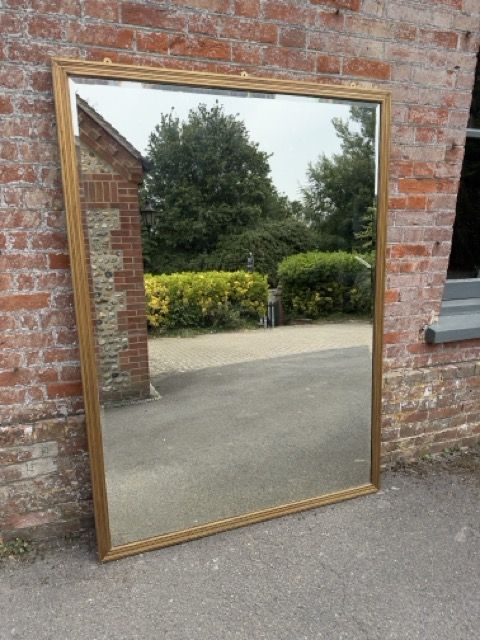
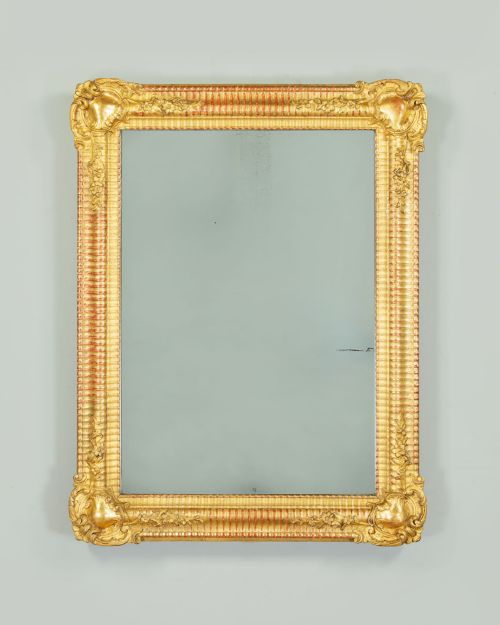
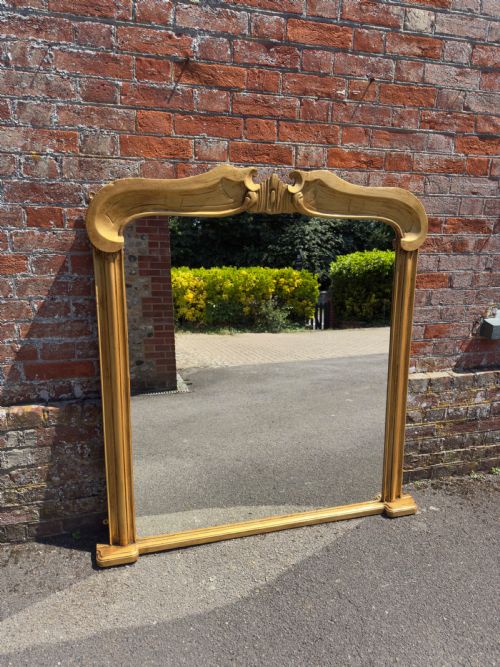
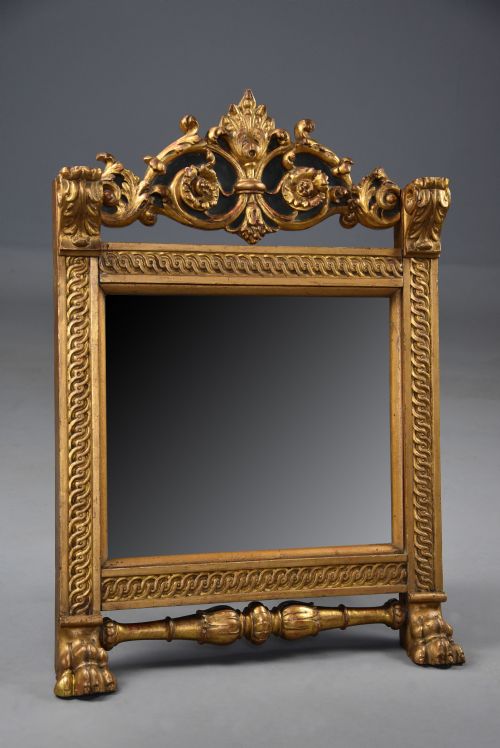
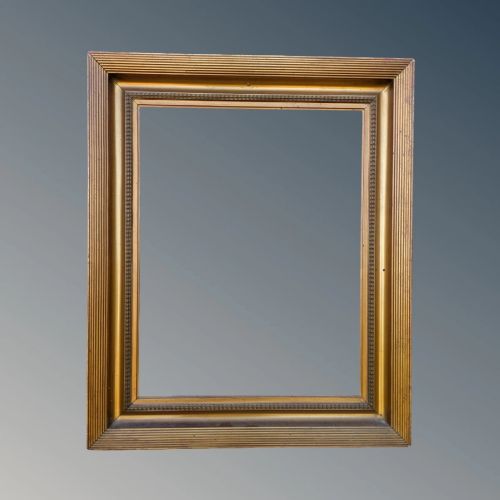
A gold carved wooden mirror combines a carved timber base with a reflective glass plate, finished in metallic leaf or pigment. When you search for a gold carved wooden mirror, you encounter forms ranging from compact table mirrors and picture frames to expansive wall-hanging pier glasses and architectural overmantels.
The pieces appearing on this page originate predominantly from the eighteenth and nineteenth centuries, alongside early twentieth-century examples. English, French, and Italian workshops dominate the selection, bringing distinct regional interpretations to architectural and decorative forms.
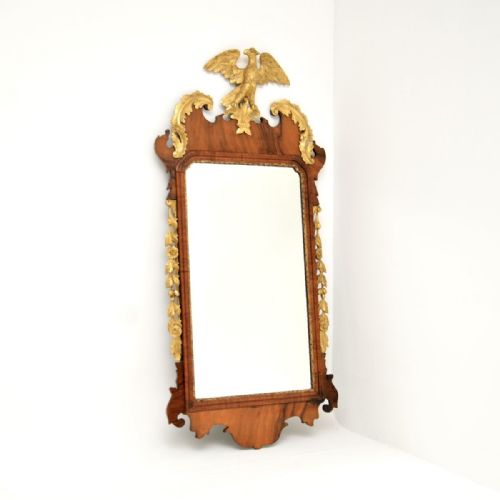
Stylistic variations span Italian Baroque and Rococo, French Louis XV and Louis XVI revivals, alongside British Georgian and Victorian designs. Wall mirrors and overmantels represent the most frequent formats, serving historically to bounce natural daylight around formal reception rooms.
How they were made
Makers carved structural foundations from timber such as oak, mahogany, walnut, or softer woods before applying layers of gesso to smooth the surface. Artisans then laid gold leaf or silver-gilt over the prepared ground, burnishing the metal to achieve a brilliant metallic sheen.
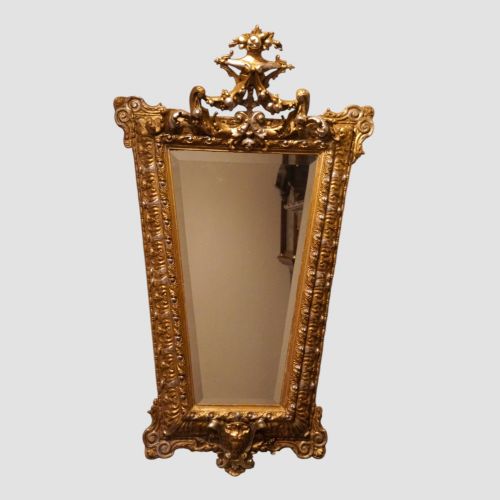
Many frames incorporate applied composition ornaments or hand-carved relief work featuring floral, mythological, or scroll motifs. Engraved mirror plates and bevelled glass further distinguish the construction of these decorative objects.
A smiling carved wooden face peers out from an overmantel frame, watching the room change around it for over a century.
What varies in quality
The depth and clarity of the hand-carving separate standard decorative frames from exceptional sculptural pieces. Crisp undercut foliage and sharply defined moulded details indicate superior craftsmanship during the manufacturing process.
The integrity of the original gilding and the preservation of the underlying gesso layers dictate the visual impact of the surface. Surviving original mirror plates with authentic foxing and ageing add historical depth compared to modern replacement glass.
The Gold Carved Wooden Mirror Glossary
- Giltwood
- Timber that has been coated with gold leaf or gold paint. This finish creates the luminous metallic surface characteristic of traditional decorative frames.
- Gesso
- A mixture of gypsum and binder applied to wood to create a smooth surface for gilding. It holds fine carved details before metal leaf is laid down.
- Overmantel
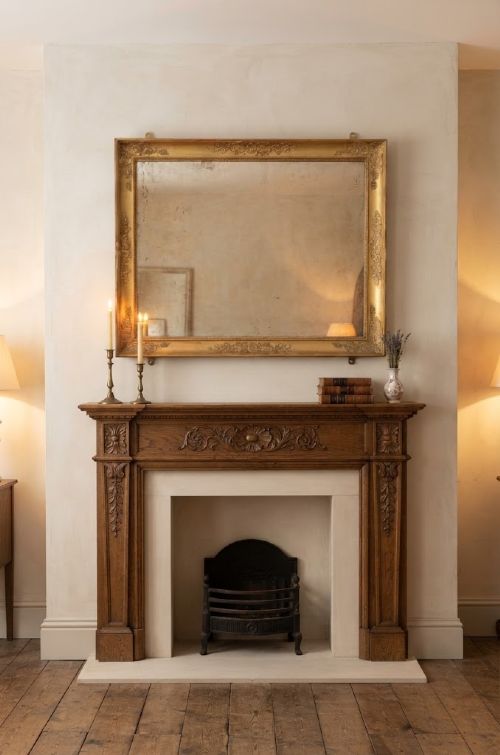
- A large mirror designed to hang specifically above a fireplace mantelpiece. These pieces often feature wide proportions suited to architectural wall spaces.
- Rococo
- An ornate design style from the eighteenth century featuring asymmetric scrolls, C-curves, and shell motifs. Revival pieces from the nineteenth century frequently copy these flowing forms.
- Pier glass
- A tall, narrow mirror designed to hang on the wall space between two windows. They reflect additional light into darker architectural interiors.
Gold Carved Wooden Mirror: Frequently Asked Questions
How do I clean a giltwood frame?
Dust the carved wooden surface gently with a soft, dry brush to prevent damage to the delicate gold leaf layers. Avoid using water, liquid solvents, or modern chemical cleaning products on historical gilding.
Keep the mirror glass clean using a microfiber cloth and a minimal amount of glass cleaner applied to the cloth rather than directly onto the glass plate.
Where should I hang an overmantel mirror?
Position the mirror directly above a fireplace mantelpiece to anchor the room's central focal point. Ensure the wall fixings match the substantial weight of the timber and gesso construction.
Allow enough clearance above the mantel shelf so the frame proportions complement the surrounding wall space and ceiling height.
How do I identify the period of a mirror?
Examine the construction methods visible on the reverse of the wooden frame, including joinery techniques and the type of timber used. Tool marks and screw types provide clues regarding nineteenth-century manufacturing versus earlier periods.
Compare the decorative motifs against known stylistic eras such as Baroque, Rococo, or Neoclassical revivals to narrow down the decade of production.
Can these mirrors be used in bathrooms?
High humidity and moisture from baths or showers can soften historical gesso and cause the gold leaf to lift from the wood base. Avoid placing antique gilded mirrors in damp environments to preserve the fragile finish.
Display them instead in dry living rooms, hallways, or bedrooms where temperature and humidity remain stable.