


Giltwood Shell Crest Mirror
These giltwood shell crest mirror pieces bring carved wooden frames and reflective glass together across periods from the eighteenth century to the twentieth.
Giltwood Shell Crest Mirror
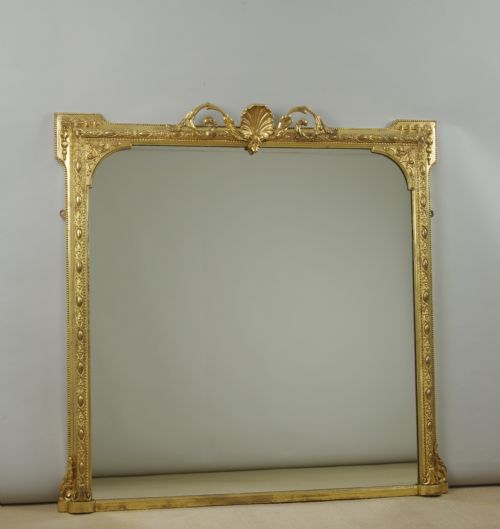
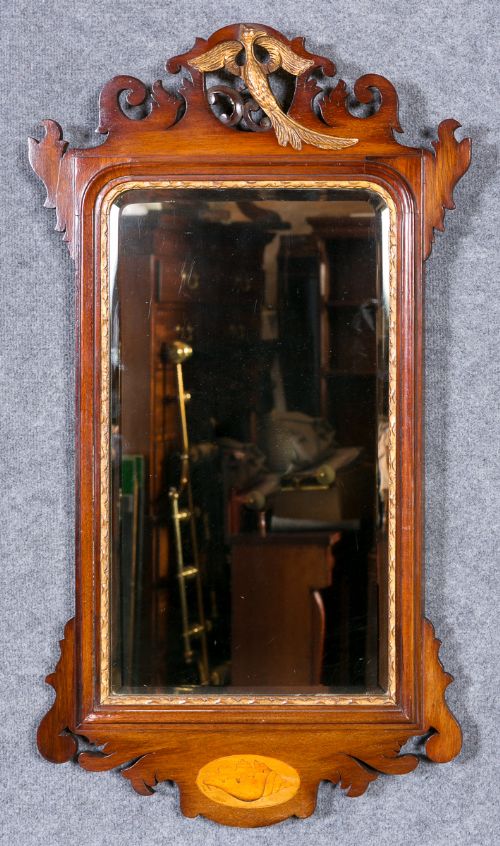
A giltwood shell crest mirror provides a reflective surface held within a carved and gilded wooden frame, frequently featuring shell motifs at the top centre. Buyers examining this page will encounter wall mirrors, overmantel mirrors, and pier mirrors spanning the eighteenth, nineteenth, and twentieth centuries. The selection encompasses forms described through styles such as Rococo Revival, French Louis XVI style, George I, Queen Anne, and Chippendale.
Most examples date from the nineteenth century and the early twentieth century, including Victorian pieces alongside items styled after earlier periods. Makers and artisans produced these frames in various scales, from large statement overmantels to smaller wall-hanging formats. Alongside standard giltwood and gilded wood, certain pieces incorporate paintwork, walnut, or tapestry elements within the overall design.
The physical form serves both a practical reflective function and a decorative architectural role within a room. Overmantel mirrors sit traditionally above a fireplace mantel, while pier mirrors occupy the narrow wall space between windows. Each style draws upon distinct historical design vocabulary, connecting modern interiors with historical craftsmanship.
How they were made
Construction relies upon a wooden base frame, often fashioned from timber such as walnut, which is then overlaid with gesso to create a smooth surface for carving and gilding. Artisans applied thin sheets of gold leaf to the prepared gesso ground, sometimes combining this metallic finish with areas of paint or parcel painting to accentuate specific carved details.
Carvers shaped the wooden frames and applied intricate motifs, including shell crests, scrolls, and foliage, depending on the prevailing style of the period. Mirror glass was then fitted into the finished frame, secured from the rear to complete the piece.
Certain nineteenth-century frames even incorporated vintage tapestry panels, proving that historical interior designers loved a good mixed-media gallery wall just as much as we do.
What varies in quality
Quality in these mirrors rests upon the crispness of the hand-carved wooden ornament and the finesse of the underlying gesso work. Superior examples display sharply defined motifs and delicate scrolling that retain their depth beneath the layers of gilding.
The condition of the gilding and the integrity of the wooden frame dictate the overall standard of preservation. Pieces that maintain their original gold leaf and structural joinery without heavy intervention represent the higher tier of surviving examples.
The Giltwood Shell Crest Mirror Glossary
- Giltwood
- Wood that has been coated with gold leaf or gold paint. This finish creates a bright, reflective metallic surface that characterises the frame.
- Gesso
- A plaster-like mixture applied to a wooden substrate to provide a smooth surface for gilding and carving. It allows craftsmen to fashion intricate relief details.
- Overmantel mirror
- A large mirror specifically designed to be hung above a fireplace mantel. These pieces often span a considerable width to match the scale of the hearth below.
- Pier mirror
- A tall, narrow mirror made to hang on the pier of wall between two windows. They reflect additional light into darker architectural spaces.
- Trumeau mirror
- A decorative mirror incorporating a painted panel or a piece of artwork above the glass. French examples frequently utilise this combined format.
Giltwood Shell Crest Mirror: Frequently Asked Questions
Where should I hang an overmantel mirror?
An overmantel mirror is traditionally positioned directly above a fireplace mantelpiece to anchor the wall visually. It reflects light from the room and fills the vertical space below the ceiling.
Ensure the wall fixings match the substantial weight of these gilded wooden frames. Secure the mirror safely to wall studs or masonry to support the heavy structure.
How do I identify a Victorian mirror?
Victorian mirrors often exhibit heavier ornamentation and draw upon historical revival styles popular during the nineteenth century. Examination of the frame construction and backing materials helps confirm the period.
Makers of this era utilised machine-sawn timber alongside traditional hand-carving techniques. Look at the condition of the glass and frame assembly to assess age.
What is the difference between a pier mirror and a wall mirror?
A pier mirror is specifically proportioned to fit the narrow wall space between two windows. Its slender vertical format distinguishes it from standard wall mirrors.
Standard wall mirrors feature more balanced proportions suited for general placement across any room. Both types utilise similar giltwood and gesso construction methods.
How should I clean a gilded frame?
Dust gilded frames gently with a soft, dry brush to remove accumulated particles. Avoid commercial cleaning liquids or abrasive cloths that can damage the delicate gold leaf.
Keep these mirrors away from direct moisture and extreme temperature fluctuations to protect the gesso and wood. Regular, careful maintenance preserves the historical surface finish.