


Gold Carved Lions
Gold carved lions bring monumental presence and neoclassical splendour to interiors through gilded woods and fierce sculptural detail.
Gold Carved Lions
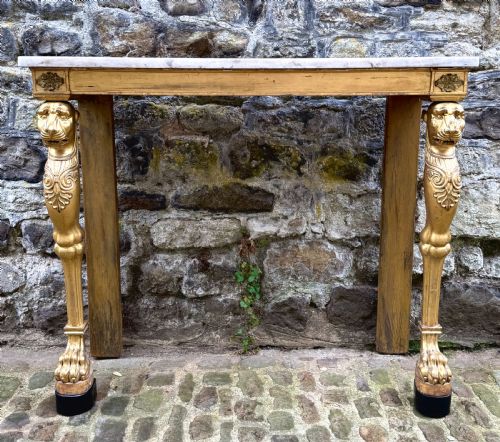
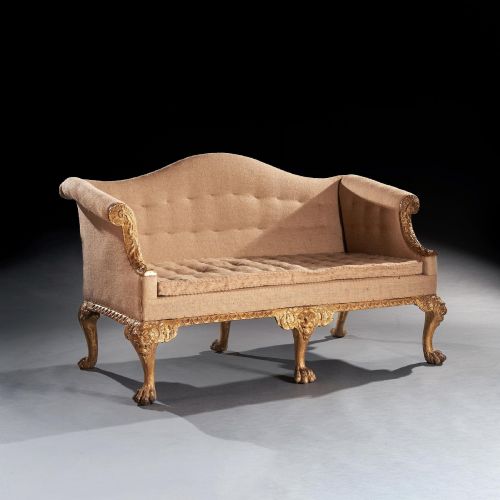
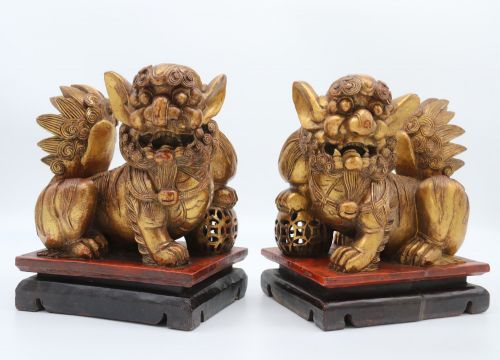
Gold carved lions encompass decorative ornaments, fob seals, sculptures, and furniture supports originating across the eighteenth, nineteenth, and early twentieth centuries. When searching for gold carved lions, buyers encounter grand console tables, pier mirrors, sofas, and stools incorporating gilded wood and gesso ornamentation. These items draw heavily on Regency, Georgian, Italian Baroque Revival, and Neoclassical design vocabularies.
Console tables and wall mirrors form the most prominent furniture categories on this page, frequently featuring marble tops and prominent lion mask or paw supports. Smaller decorative items like fob seals and carved figures provide alternative ways to introduce these motifs into a room. Pieces span periods from the mid eighteenth century through to the early twentieth century, reflecting enduring stylistic revivals.
How they were made
The construction of these pieces relies primarily on carved wood foundations, particularly mahogany and softer timbers prepared for gilding. Artisans applied layers of gesso to wooden bases before finishing surfaces with water gilding or oil gilt techniques to achieve a rich metallic sheen.
Decorative elements incorporate applied ormolu mounts, intricate lacquer work, and breccia marble tops on larger console tables. Upholstery fabrics complement carved frames on sofas and stools, while smaller items utilise sardonyx and glass.
Even a pocket watch seal gets the royal treatment when carved as a golden lion head.
What varies in quality
Quality in gold carved lions rests upon the depth and vigour of the carving, distinguishing crisp anatomical detail in mane and muscle from softer, more generalised execution. The refinement of the gesso application and the integrity of the underlying wood substrate dictate the durability and visual impact of the gilded surface.
Proportion and structural scale also differentiate masterworks from standard productions, particularly in monumental console tables and architectural mirrors. The integration of high-grade materials, such as breccia marble tops or finely cast ormolu, elevates the standing of individual pieces.
Giles Grendey
The Gold Carved Lions Glossary
- Giltwood
- Wood that has been coated with thin gold leaf or powder over a prepared gesso ground. This finish provides the characteristic metallic brilliance seen on frames and furniture.
- Gesso
- A plaster mixture applied to wood surfaces to create a smooth base for gilding or painting. It allows carvers to achieve sharp, detailed relief work.
- Console Table
- A wall-mounted or freestanding table supported by brackets or console legs. These tables frequently feature elaborate sculptural supports, including lion masks and paws.
- Curule Stool
- An ancient chair form featuring X-shaped legs revived during neoclassical periods. These stools often incorporate gilded wooden frames and upholstered seats.
- Fob Seal
- A small pendant or charm attached to a pocket watch ribbon. Examples include carved gemstone matrices used for sealing correspondence.
Gold Carved Lions: Frequently Asked Questions
Where do gold carved lions fit best in a home?
These pieces suit formal reception rooms, entrance halls, and libraries where their architectural scale and metallic finish can command attention. Console tables anchor walls beneath large pier mirrors, while smaller decorative ornaments sit comfortably on mantelpieces and desks.
Pairing gilded furniture with restrained surrounding decor allows the carved lion details to stand out without overwhelming the space. Their classical lineages harmonize with both traditional period interiors and curated contemporary settings.
How do I care for gilded wooden surfaces?
Gilded wood requires gentle maintenance using a soft, dry microfibre cloth to remove dust without disturbing the delicate gold leaf. Avoid liquid cleaners, abrasive cloths, and direct sunlight, which can cause the underlying gesso and gold leaf to crack or fade over time.
Maintaining a stable room temperature and humidity level prevents the wood beneath the gilding from expanding and contracting. Professional conservation is recommended for any structural repairs or restoration of damaged gilding.
What distinguishes Regency furniture from Georgian pieces?
Georgian pieces, dating from the mid eighteenth century, often display robust carved forms influenced by Palladianism and early neoclassical design. Lion masks and hairy paw feet on these items tend to exhibit deep, muscular relief and heavy proportions.
Regency design, emerging around the turn of the nineteenth century, draws inspiration directly from ancient Roman, Greek, and Egyptian archaeology. The resulting pieces frequently employ cleaner architectural lines paired with crisper, more stylised gilded ornamentation.
How can I tell Italian Baroque Revival from original periods?
Italian Baroque Revival pieces, often produced during the nineteenth century, deliberately emulate the dramatic scale and theatrical ornamentation of earlier seventeenth and eighteenth-century aesthetics. They frequently combine monumental console structures with highly assertive animal supports and breccia marble tops.
Examining the tool marks, joinery methods, and the composition of the gesso layers helps specialists date the manufacture accurately. Revival pieces display nineteenth-century manufacturing techniques even when successfully replicating earlier decorative motifs.