

Gold Carved Chair
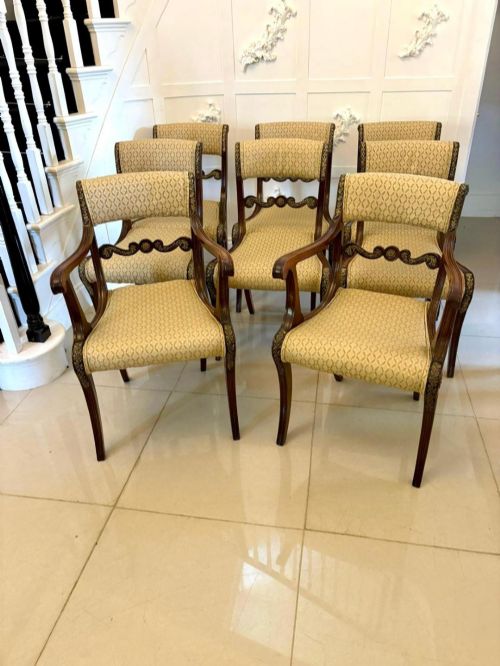
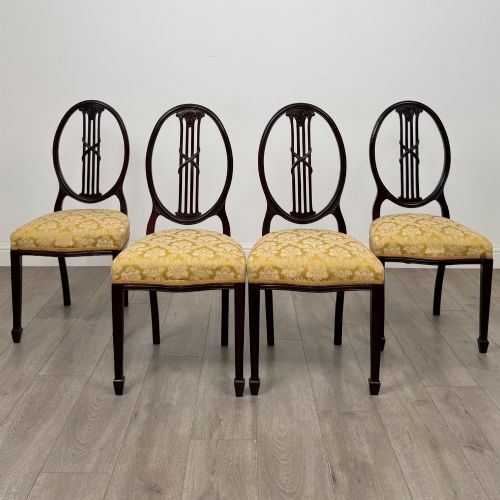
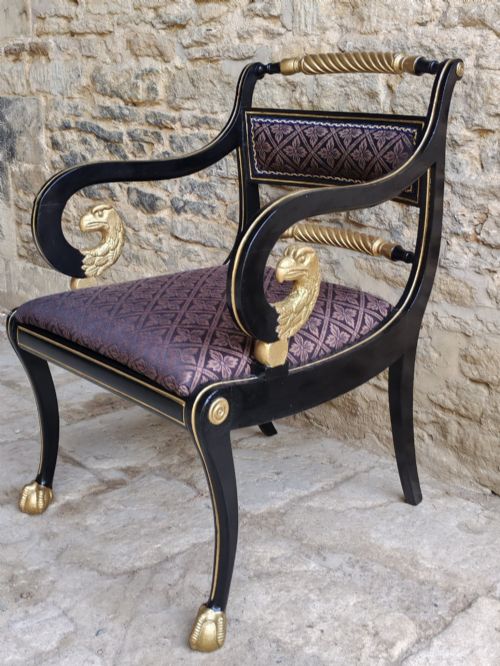
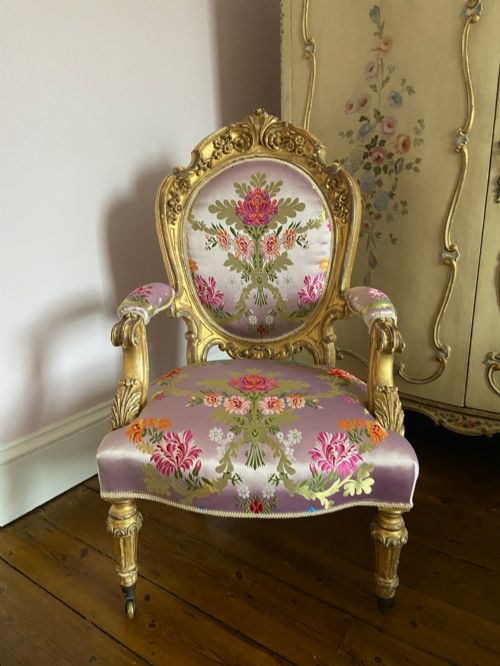
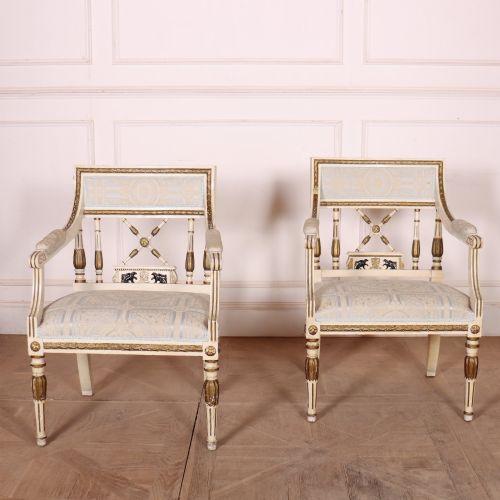
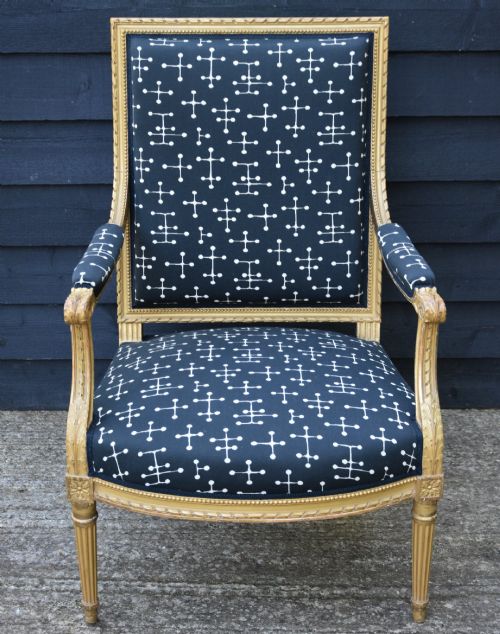
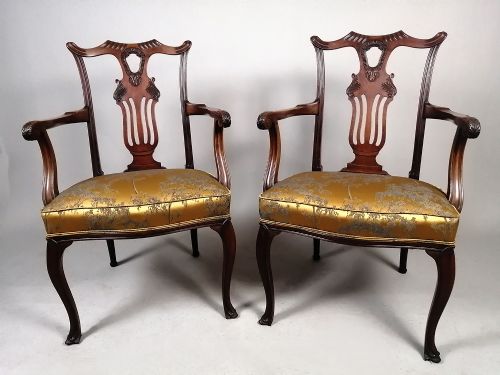
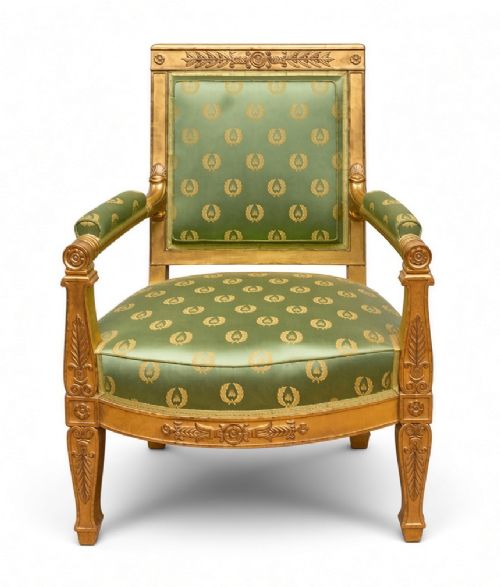
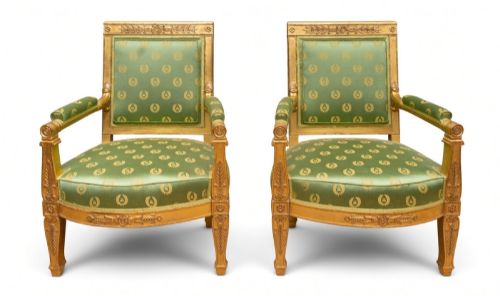
These gold carved chair examples span French salon seating and English library seating, bringing gilded luxury and carved timber into period interiors.
Gold Carved Chair
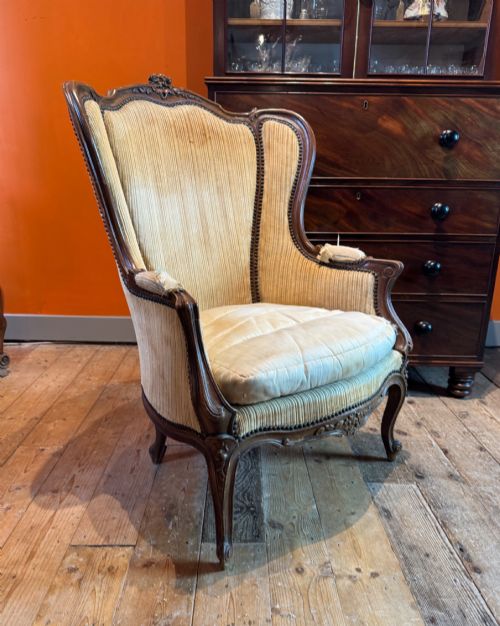
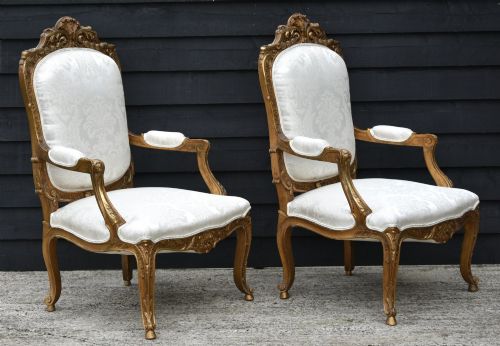
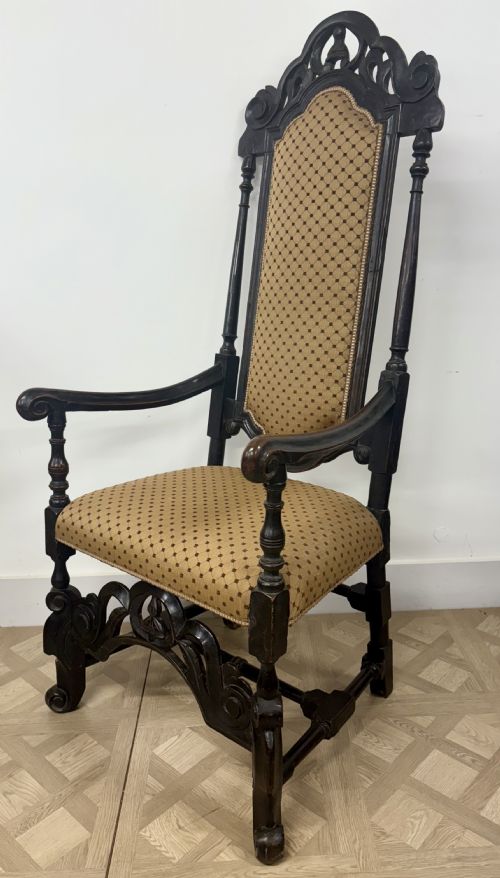
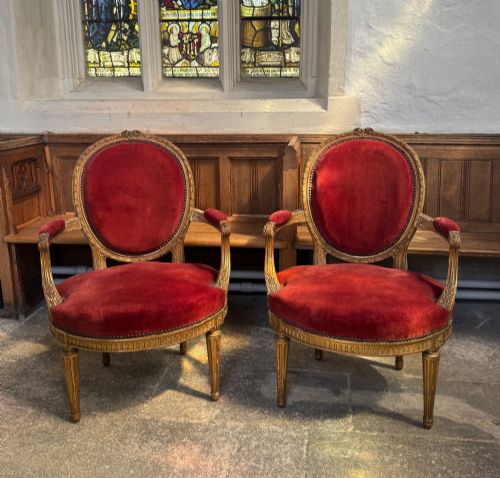
When you search for a gold carved chair, you encounter a selection of seating dominated by 19th-century French giltwood armchairs and English mahogany or walnut dining chairs. The offerings range from grand Louis XVI style salon chairs to Victorian fireside armchairs and occasional pieces.
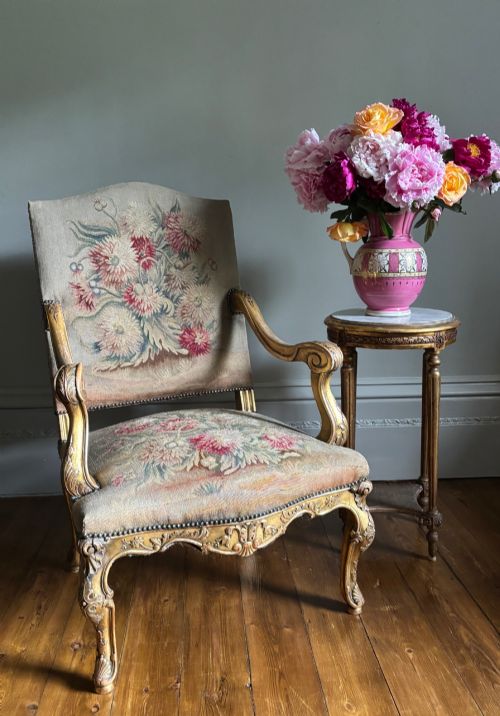
Most examples lean towards French decorative traditions, including Rococo and Baroque influences alongside straightforward Victorian interpretations. Armchairs and bergères frequently appear with gilt finishes and carved frames, accompanied by occasional chairs and salon suites.
How they were made
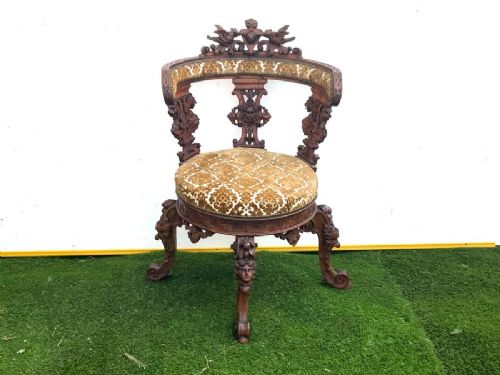
Makers shaped structural frames primarily from hardwoods such as mahogany, walnut, beech and oak, employing traditional joinery to secure weight-bearing joints. Carvers then worked directly into the timber to execute acanthus leaves, scrollwork and linear mouldings.
Surfaces destined for a gilded appearance received layers of gesso before gold leaf application or gilt finishes, while upholstered components relied on textiles like velvet, silk, fabric and suede fixed over sprung or stuffed foundations.
Some gilded armchairs spent their youth pretending to be thrones for aristocratic drawing rooms.
What varies in quality
The distinction between ordinary and exceptional pieces rests upon the crispness of the hand-carving and the depth of the timber underframing. Deeply undercut foliage and balanced proportions separate bespoke cabinet work from standard production pieces.
The integrity of the original gilt finish and the quality of the underlying gesso preparation also dictate the standing of an item. Surviving period upholstery textiles and tight, uncompromised joinery elevate the overall execution.
Jacob-Desmalter·Thomas Chippendale·Blaise Maucuy
The Gold Carved Chair Glossary
- Giltwood
- Timber coated with gold leaf applied over a prepared gesso ground. This finish defines much of the French and English decorative seating found here.
- Bergère
- An enclosed upholstered armchair with wooden framing and a solid or stuffed upholstered back and sides. It originated in France during the 18th century.
- Fauteuil
- An open-framed armchair with upholstered back and seat, exposing carved wooden armrests and legs. These chairs typically date from French revival and classical periods.
- Gesso
- A plaster mixture applied to wood surfaces to create a smooth base for gilding. Its thickness determines how sharply the carver can detail the ornament.
Gold Carved Chair: Frequently Asked Questions
What is a giltwood chair?
A giltwood chair is a wooden seat coated in gold leaf applied over a prepared plaster and size ground. These pieces were designed to catch candle and natural light in formal reception rooms.
Craftsmen carved the underlying structure from timbers like beech or walnut before applying the delicate metallic finish. The technique produces a bright decorative surface distinct from plain polished wood.
Where were these chairs used?
These seats belonged in formal domestic spaces such as drawing rooms, libraries, salons and reception halls. They functioned as permanent seating or decorative accents against panelled walls.
Armchairs provided comfort in reading rooms, while matching sets of dining chairs furnished large tables for entertaining guests. Lighter salon and occasional chairs could be moved around rooms as required.
How do I care for giltwood?
Giltwood requires dry dusting with a soft brush to protect the delicate gold leaf surface from abrasion. Moisture and chemical cleaners can lift the historic gesso and leaf layers.
Keep these pieces out of direct sunlight and away from heat sources to prevent timber shrinkage and cracking. Professional conservation maintains the stability of both the wood frame and the metallic finish.