




Gold Cameo Pin
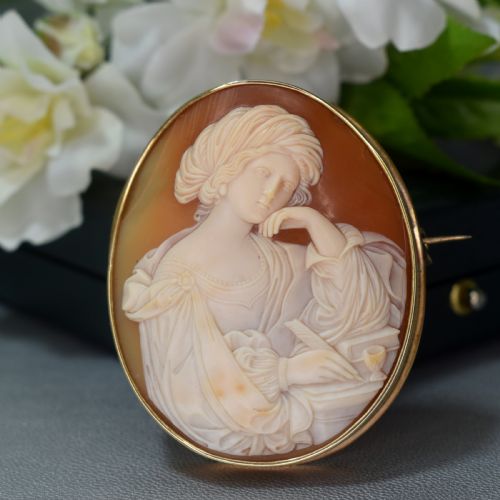
A gold cameo pin brings classical carved relief directly to the lapel through shell and hardstone mounted in precious metal.
Gold Cameo Pin
A gold cameo pin combines a carved relief portrait or mythological scene with a precious metal mount designed to fasten securely to garments. When you examine a gold cameo pin on this page, you encounter pieces spanning the Georgian and Victorian eras, alongside later nineteenth-century examples.
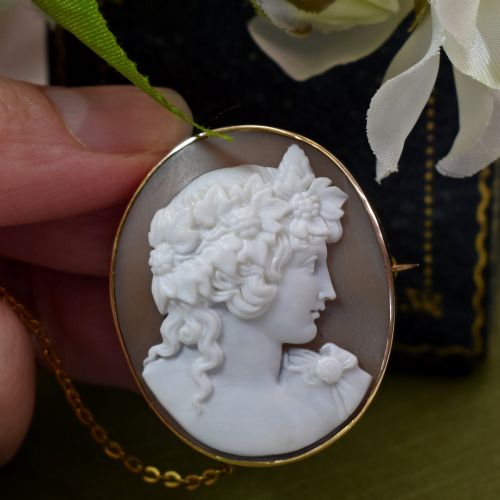
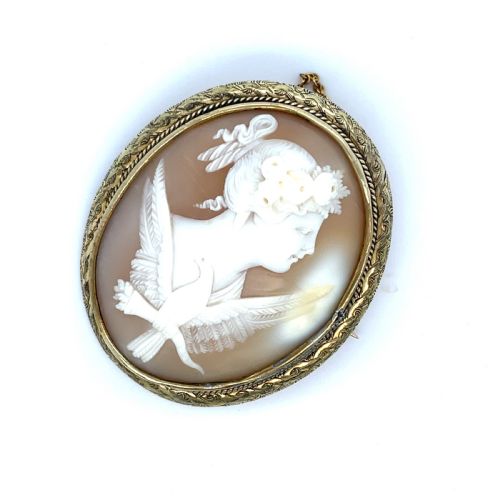
The subjects depicted draw heavily from classical antiquity, featuring figures such as Aphrodite, Aurora, Antinous Vertumnus, and the Persian Sibyl after Guercino. Italian workshops produced many of the finest shell carvings, while French and British makers mounted them in various grades of gold.
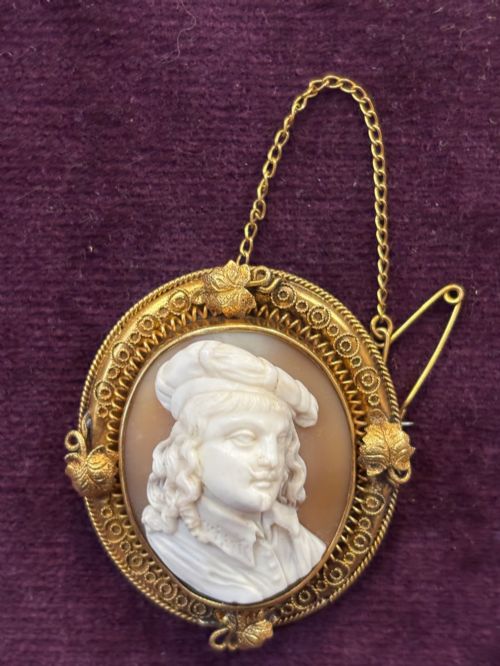
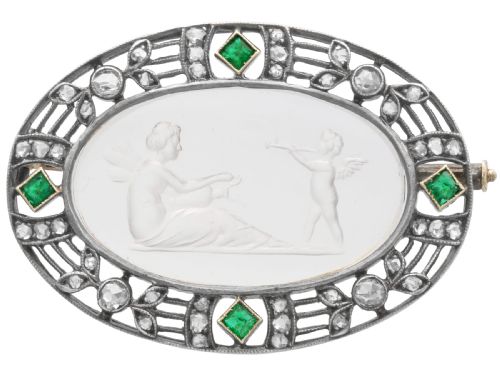
Brooch formats predominate amongst the listings, frequently incorporating hinged pins and C-clasps alongside dedicated stick pins. The mounting frames range from plain bezels to ornate filigree and elaborate gold work set with diamonds or emeralds.
Materials and construction methods
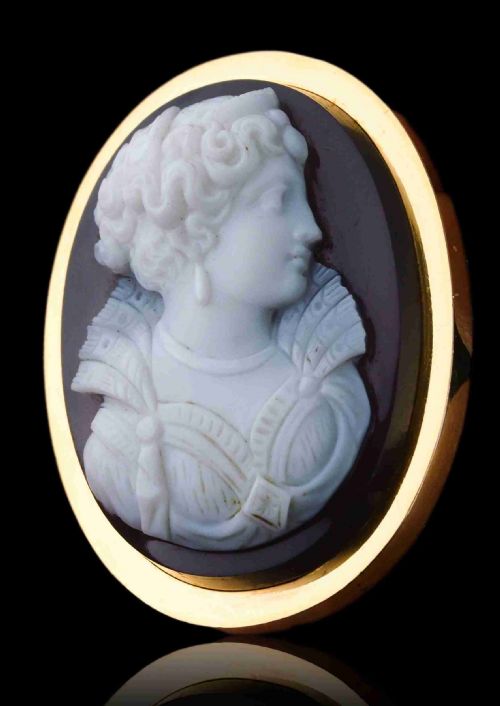
The carvers selected layered media such as conch shell and banded agate hardstone, exploiting natural colour contrasts to make the raised subject stand out against a darker background. These relief carvings required immense dexterity and patience from the lapidary, who worked by hand using specialised miniature tools.
Goldsmiths housed these miniature sculptures within frames cast, fabricated, or filigreed in 9ct, 12ct, 15ct, 18ct, 20ct, and yellow gold, sometimes utilising pinchbeck for specific mounts. Additional gemstone accents, including diamonds, emeralds, and coral, were occasionally integrated into the gold frames to elevate the piece.
Antinous appears transformed into Vertumnus, proving even ancient Roman youths took on freelance modeling roles in shell.
Assessing quality in carved pins
Quality rests primarily on the depth and crispness of the carving, where master carvers achieved subtle facial expressions and anatomical accuracy rather than flat, generalized contours. Finer specimens display meticulous attention to detail in hair, drapery, and mythological attributes.
The standard of the gold frame further distinguishes the tier of the piece, moving from simple wire mounts to heavy, chased, or filigreed settings created by notable makers. The integration of high-carat gold and secondary gemstones like diamonds indicates an atelier of higher ambition.
R Pernice
The Gold Cameo Pin Glossary
- Cameo
- A method of carving an object such as a engraved gem, item of shell, or piece of hardstone where a raised image stands out from a contrasting background. This technique has ancient origins and defines the central visual element of these pins.
- Hardstone
- A semi-precious stone of sufficient hardness to take a fine polish, including varieties like agate used for durable layered carvings. These stones offer a different texture and weight compared to shell.
- Filigree
- Ornamental work of fine wire formed into delicate openwork patterns, frequently seen soldered onto Victorian gold frames. This technique adds intricate texture around the central cameo mount.
- Pinchbeck
- An alloy of copper and zinc invented in the eighteenth century to imitate gold, sometimes utilised for historic brooch frames. It provides the warm appearance of gold without the higher bullion content.
- Grand Tour
- A cultural journey of Europe undertaken by wealthy young men in the eighteenth and nineteenth centuries, during which many Italian carved shell cameos were acquired as souvenirs. These travel pieces often reflect classical revival motifs.
Gold Cameo Pin: Frequently Asked Questions
How do I wear a gold cameo pin safely?
Pin the piece securely through substantial fabrics like wool or heavy silk that can support the weight of the gold frame and carved relief without sagging. Fasten the safety catch or ensure the pin tongue rests securely inside its C-clasp before movement.
Avoid wearing these delicate items on loose weaves or thin cottons where the pin might catch or tear the threads. Store the piece flat in a dedicated lined box when not being worn to protect the protruding shell or hardstone from impact.
How do I tell shell from hardstone cameos?
Examine the reverse and the translucency of the material using a loupe to check for the natural fibrous layers typical of conch shell. Shell carvings often let light pass through when backlit and may show subtle growth lines.
Hardstone cameos utilising agate present a denser, opaque appearance with distinct, sharply defined colour strata that do not transmit light. The surface of hardstone feels cooler to the touch and resists scratching far more than softer shell.
What is the difference between Georgian and Victorian pins?
Georgian examples, dating from the early nineteenth century and earlier, often feature closed-back settings and hand-carved classical motifs mounted in lower-refinement gold or pinchbeck. Their frames tend toward simpler architectural lines or pinchbeck collars.
Victorian pieces reflect broader industrial techniques, utilising varied gold carats from 9ct to 18ct, alongside elaborate filigree, chased decoration, and gemstone accents. The subjects during this later reign expanded to include specific mythological figures and portraits executed with high sculptural relief.