

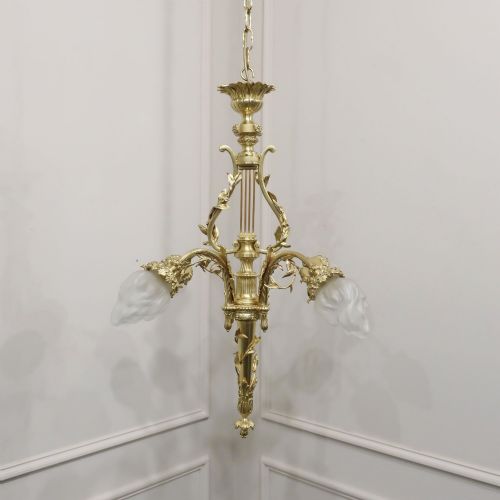
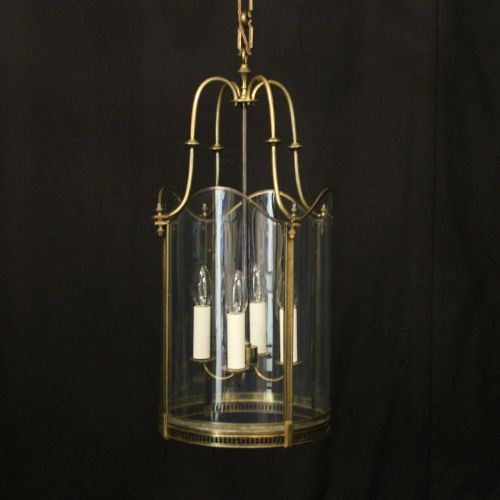
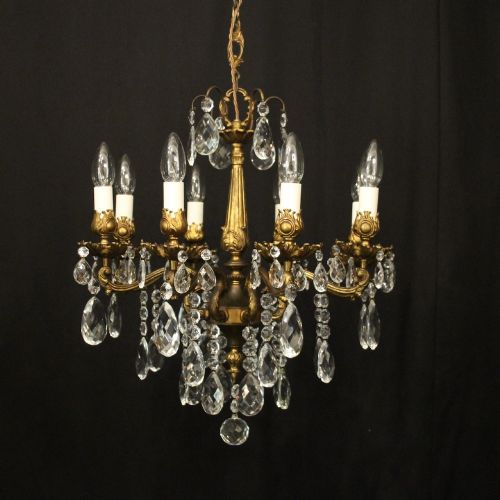
Gold Bronze Pendant Light
A gold bronze pendant light brings nineteenth and early twentieth century French illumination into a room with warmth and heavy metal presence.
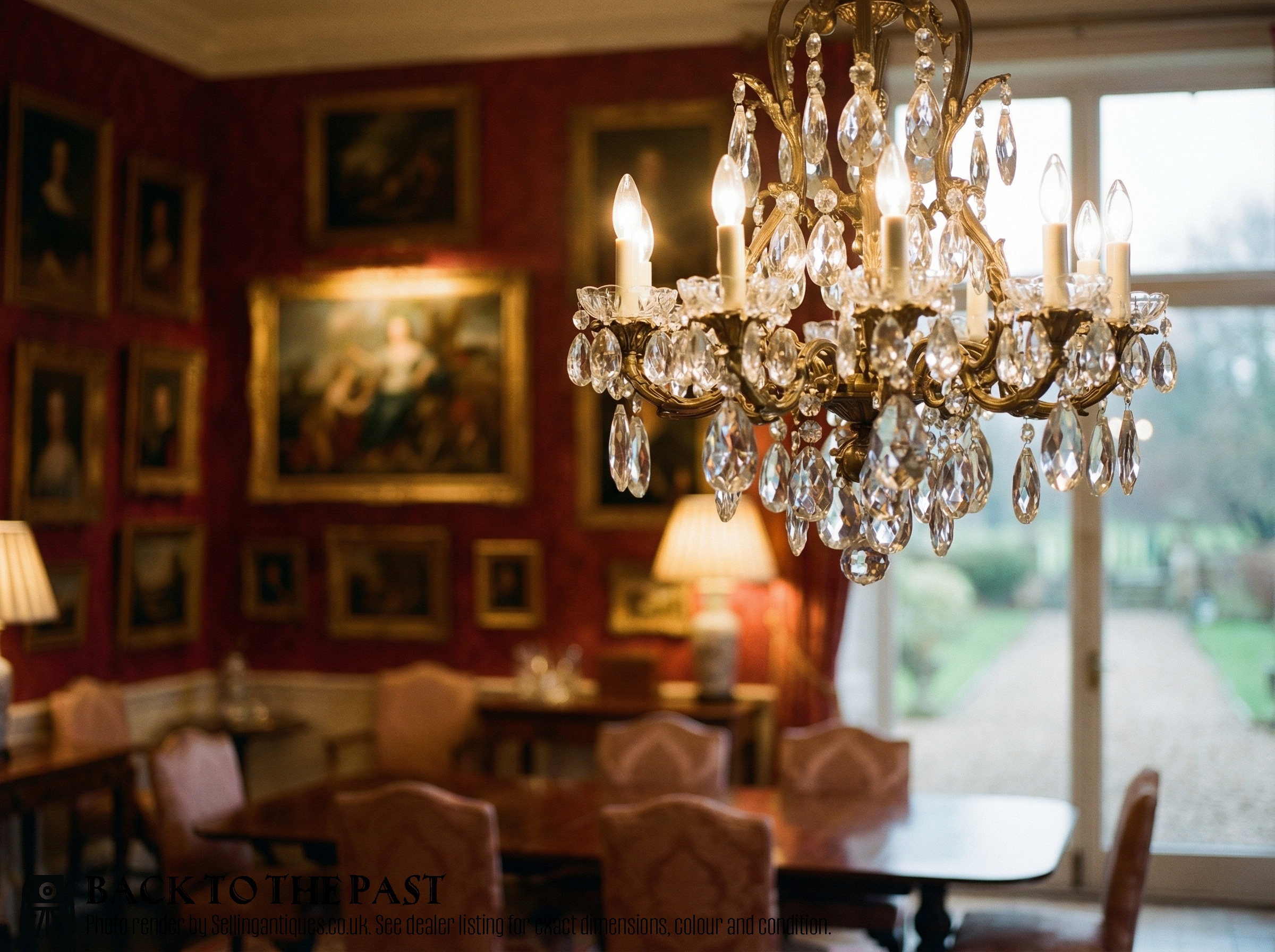
Gold Bronze Pendant Light
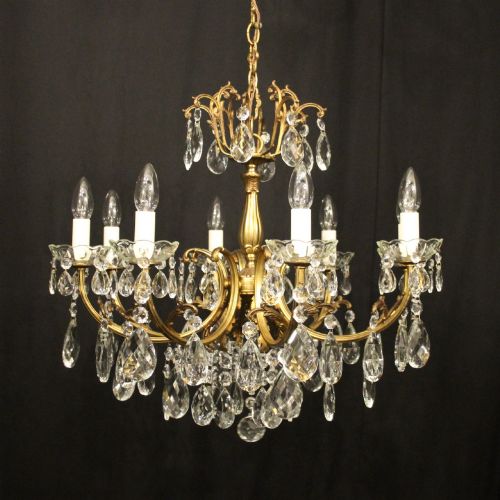
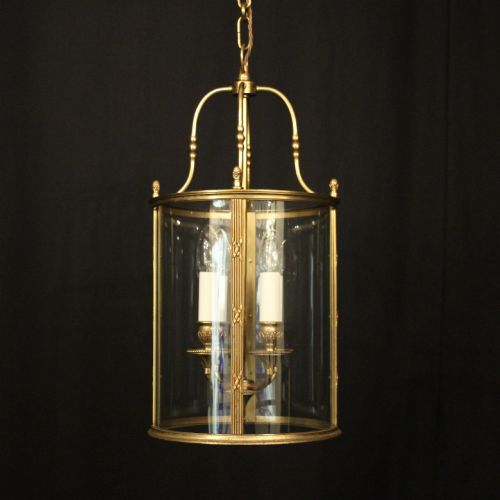
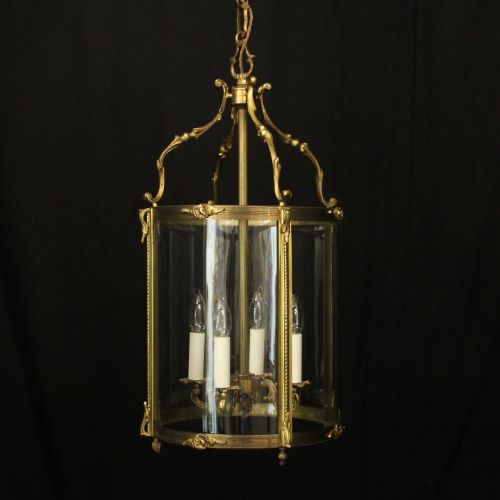
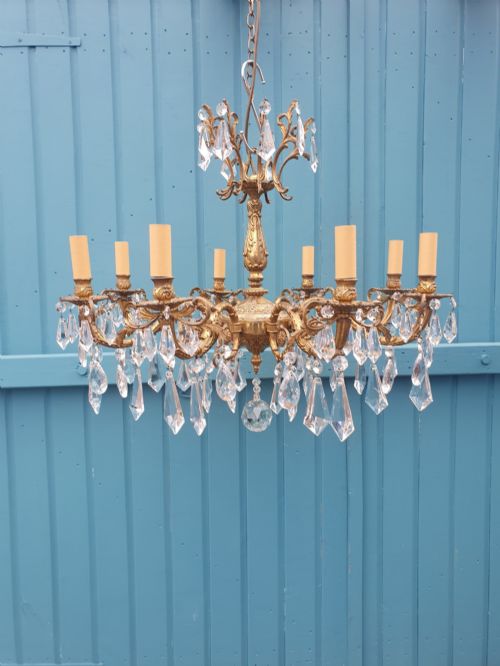
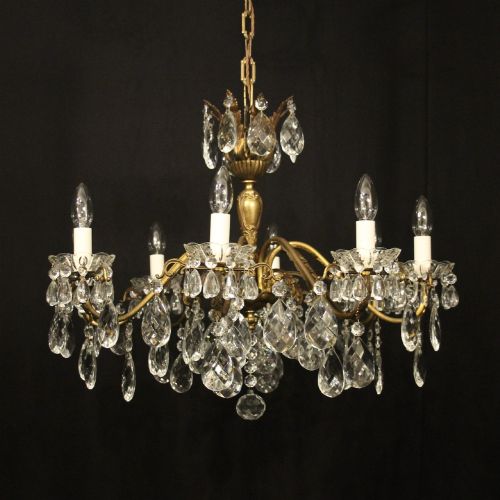
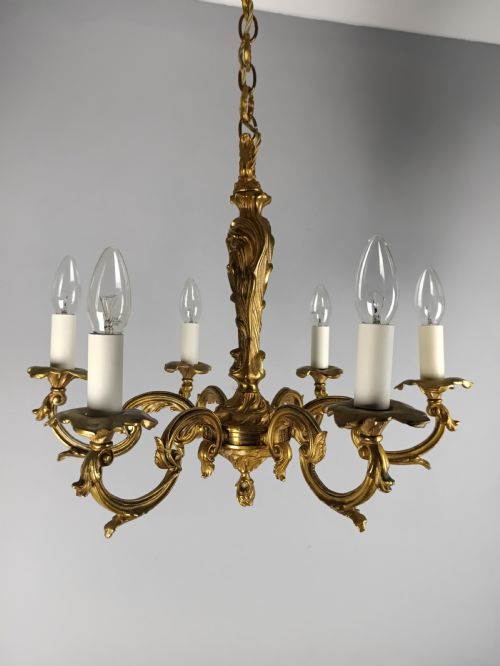
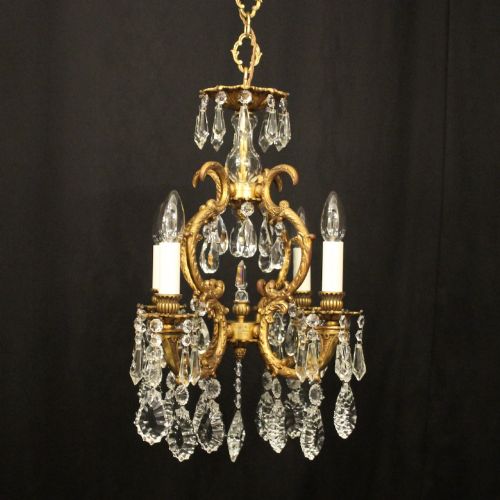
A gold bronze pendant light encompasses chandeliers, hall lanterns, and ceiling lights originating largely from French workshops across the Victorian era, the nineteenth century, and the early twentieth century. Buyers encounter styles ranging from French Empire and Louis XVI to Florentine Baroque and Rococo Revival, spanning multi-light configurations and smaller hall fixtures.
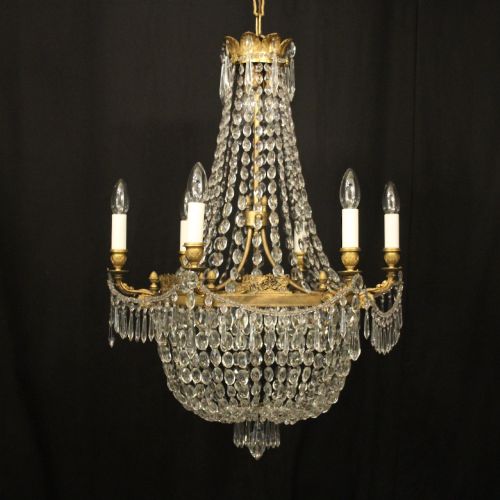
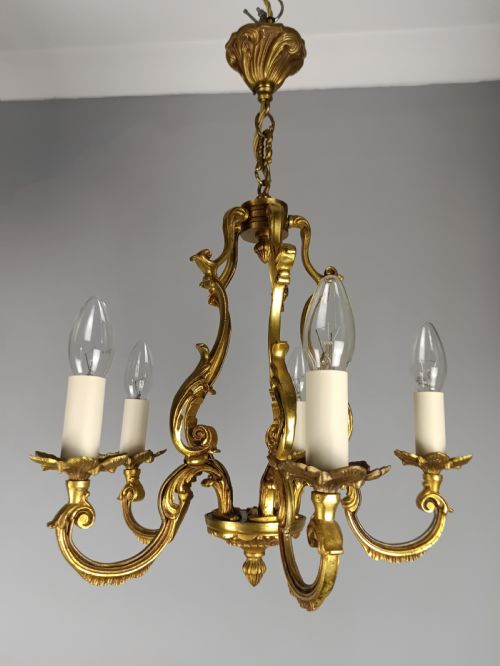
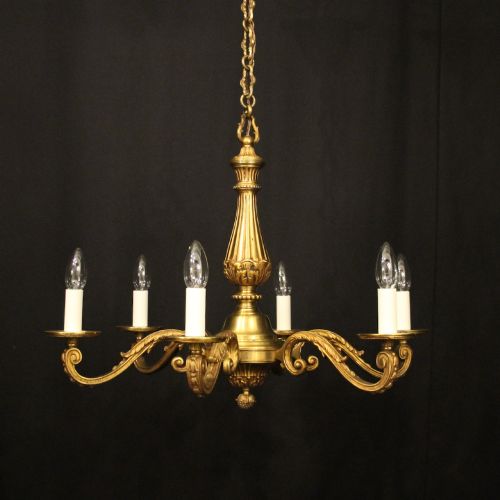
The most common examples on this page are French chandeliers and lanterns dated to the 1920s and 1930s, often designed with four to eleven lights and embellished with crystal drops. These pieces reflect historical decorative movements, utilising forms such as birdcages, lyres, tents, and waterfalls to dominate ceiling spaces.
Beyond central chandeliers, the category includes wall sconces and hanging lanterns that share the characteristic gilded metalwork and glass components. Each object serves to suspend artificial illumination downward, functioning as both an architectural anchor and a decorative centrepiece within a room.
Materials and construction methods
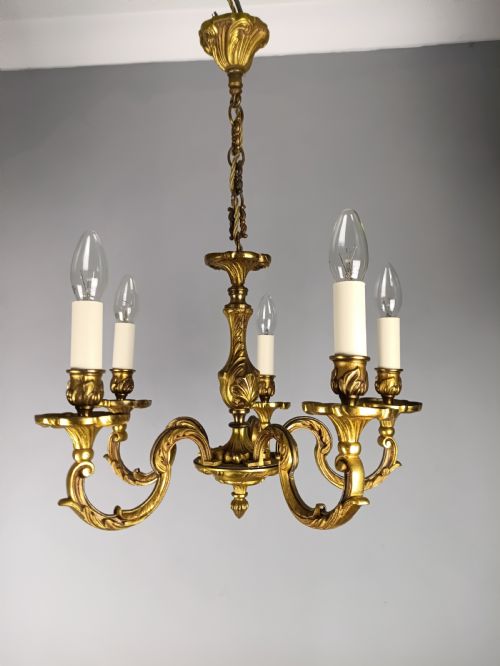
The primary structural material in these pieces is bronze, brass, or spelter, subjected to gilding to achieve a golden surface finish. This metallic framework supports glass and crystal elements, including cut glass spikes, droplets, and convex panes set into lanterns.
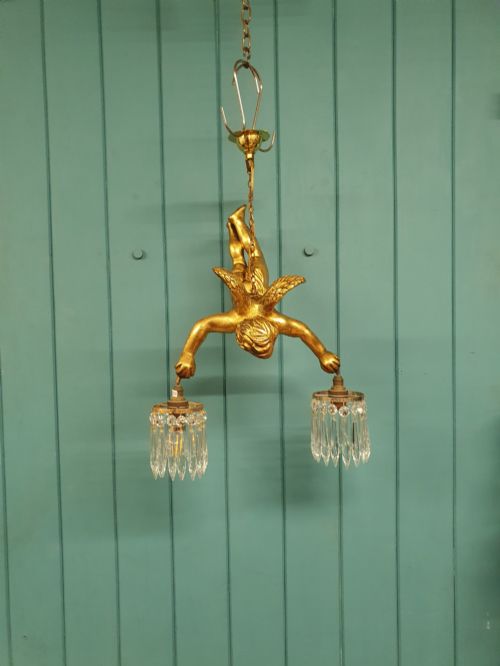
Craftsmen cast the metal components in sections before assembling them into frames, arms, and decorative motifs such as leaves and cherubs. Crystal drops and beads are hand-wired to the bronze or brass armatures, creating the cascading tent and waterfall effects seen in larger chandeliers.
Listings span periods from the Victorian era and the nineteenth century through to 1930, predominantly featuring French Empire, Rococo, and Neoclassical styles in gilt bronze and glass.
Factors separating different grades of work
Quality in these hanging lights depends upon the crispness of the metal casting and the depth of the gilding applied to the bronze or brass surface. Finer examples display sharp detail in ornamentation, such as acanthus leaves and lyres, whereas simpler production shows softer edges and flatter metallic tones.
The integration and quality of the crystal elements also distinguish pieces, with hand-cut and polished prisms reflecting light more intensely than moulded glass. The structural integrity of the armatures and the weight of the cast bronze determine the overall substance and durability of the fixture.
The Gold Bronze Pendant Light Glossary
- Gilt bronze
- Metal cast in bronze and coated with a layer of gold or gold-coloured leaf. This technique provides the characteristic warm sheen found on period lighting fixtures.
- Hall lantern
- A ceiling-suspended light enclosed in glass panels within a metal frame. These fixtures were traditionally hung in entrance hallways to illuminate entryways.
- Tent and waterfall
- A chandelier configuration where strings of crystals form a triangular tent shape at the top, cascading down into a waterfall effect around the lower lights.
- Spelter
- A zinc alloy frequently used as a cheaper alternative to bronze for decorative castings. It was often painted or gilded to imitate the appearance of heavier metals.
Gold Bronze Pendant Light: Frequently Asked Questions
How do I hang a heavy antique chandelier?
These fixtures require direct attachment to ceiling joists using a steel hook or mounting bracket capable of supporting the combined weight of the bronze and crystal. Professional installation by an electrician ensures the electrical wiring safely connects to the ceiling box while the chain bears the load.
Ceiling height dictates the suspension length, with larger chandeliers typically positioned high enough to clear foot traffic in open rooms or centered above dining tables.
How do I clean crystal on a pendant light?
Regular dusting with a soft microfibre cloth maintains the clarity of the glass and crystal drops between deeper cleanings. For accumulated grime, remove individual crystals where possible and wash them in warm water with mild soap before drying thoroughly.
Leaving crystals attached while wiping them down prevents damage to the delicate wire fixings, though care must be taken around the gilt bronze frame to avoid harsh chemical exposure.
Are these lights wired for modern electricity?
Most surviving period fixtures have been rewired for contemporary electrical standards, utilising standard lamp holders concealed within the candle sleeves or arms. Buyers should inspect the internal wiring of any prospective purchase to confirm it meets local safety regulations.
Low-wattage LED bulbs shaped like candle flames work well inside these fixtures, producing adequate illumination without generating excessive heat near the aged metal and glass components.
How do I identify French Empire style?
French Empire lighting draws on classical antiquity, featuring symmetrical lines, military motifs, laurel wreaths, and architectural proportions. These pieces often incorporate rich gilt bronze surfaces paired with neat arrangements of crystal beads and spears.
Such designs emerged during the early nineteenth century under Napoleonic rule and saw revivals into the twentieth century, maintaining a formal and dignified presence in interior spaces.