
Cut Crystal Drop Light
A cut crystal drop light brings brilliance and refraction to a room, using hanging elements to scatter light across walls.
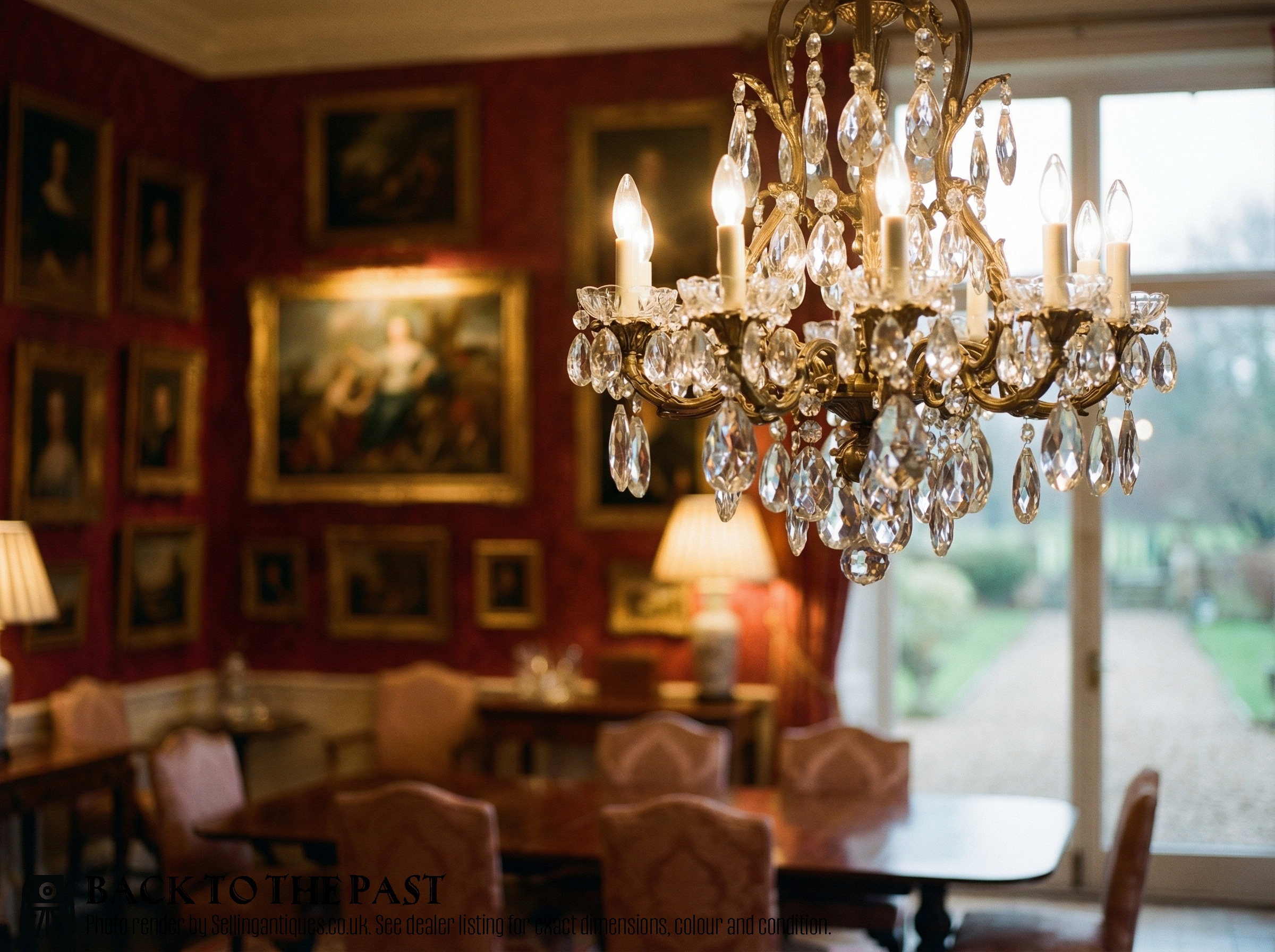
Cut Crystal Drop Light
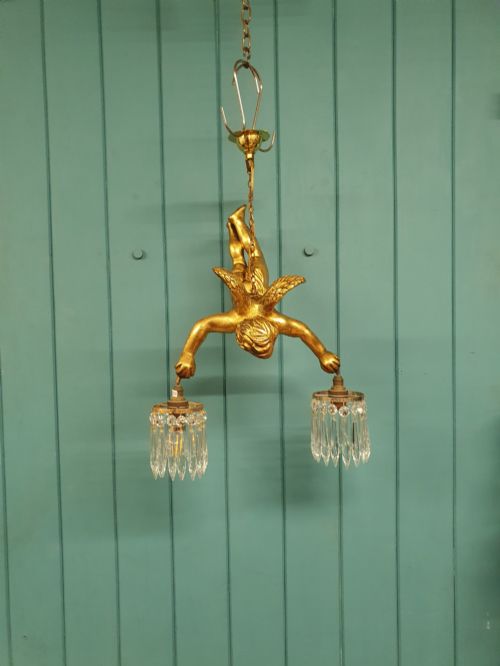
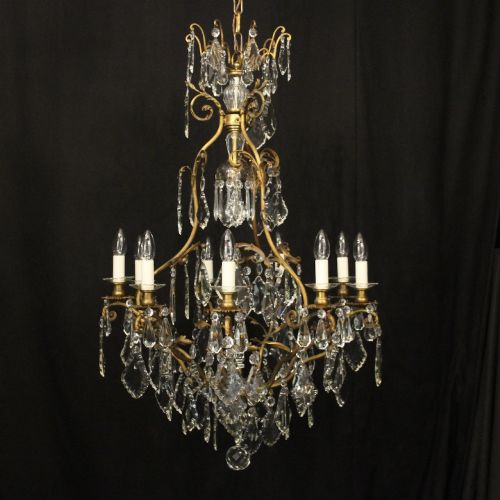
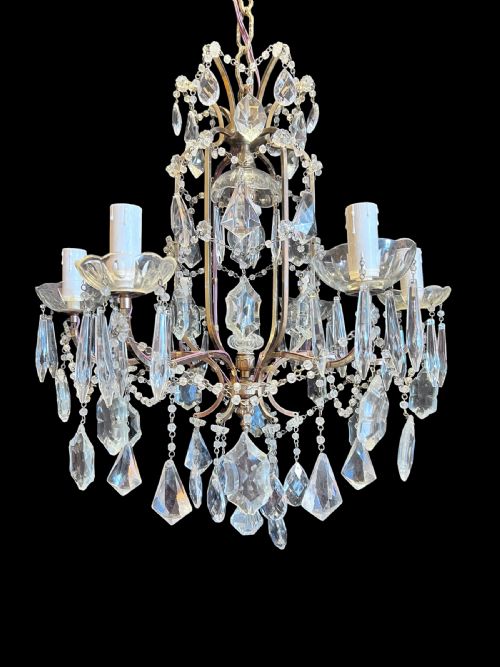
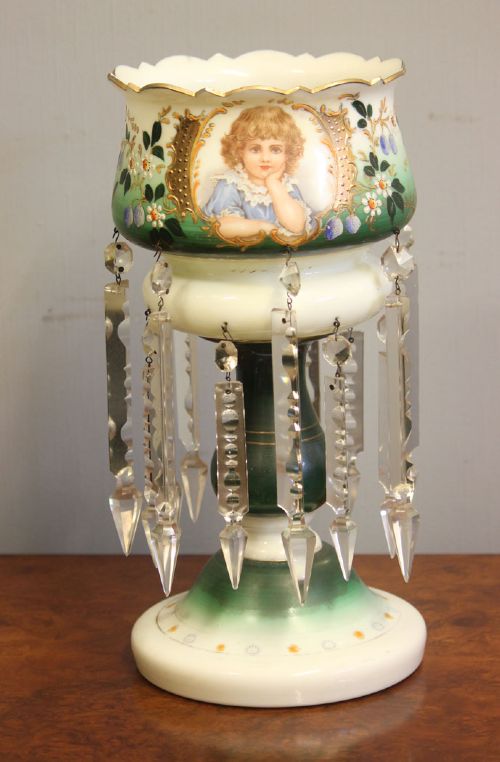
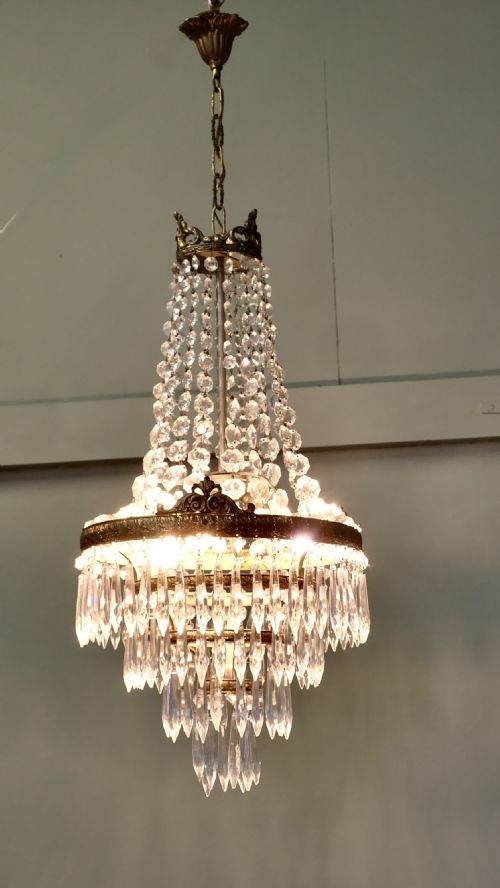
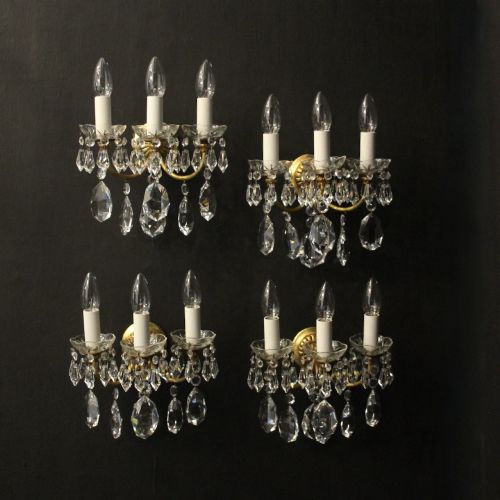
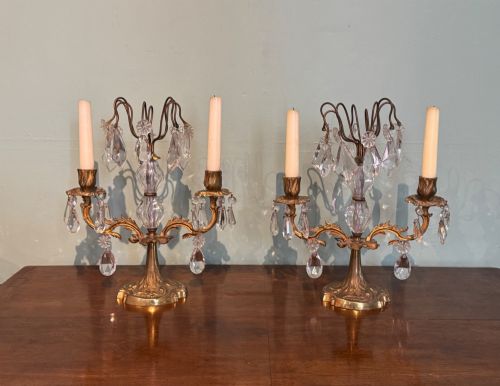
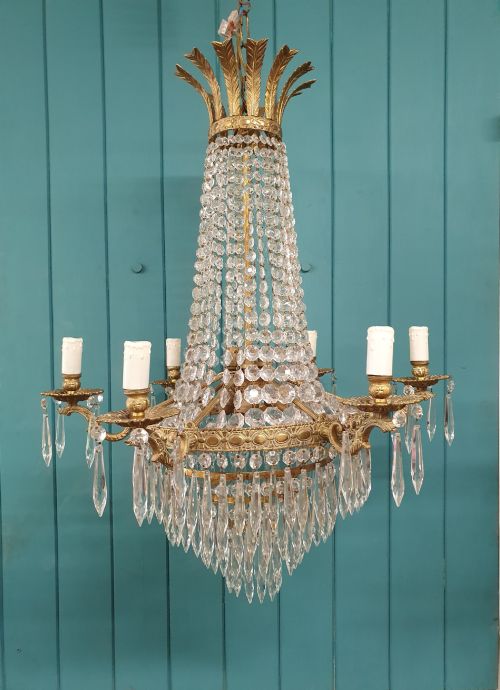
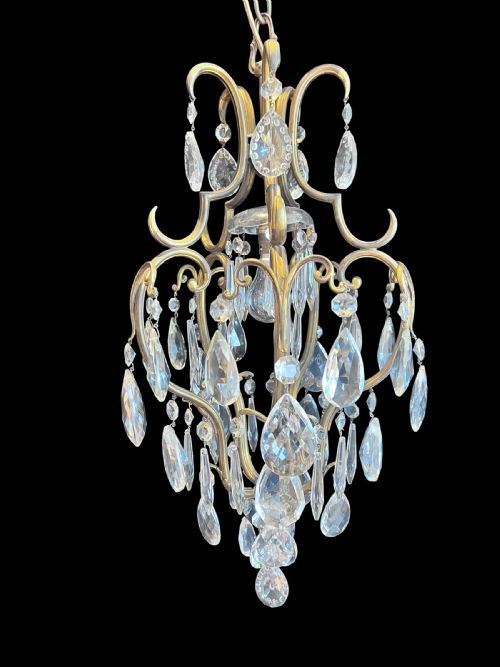
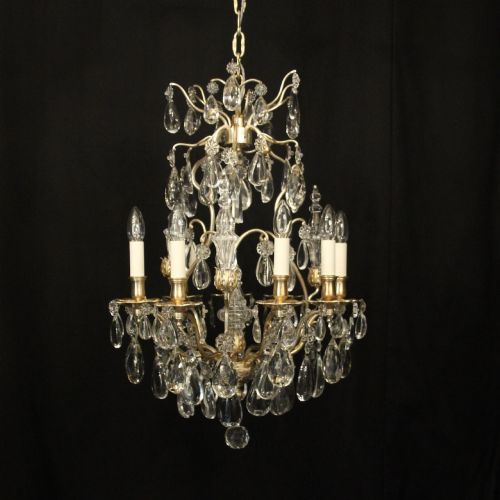
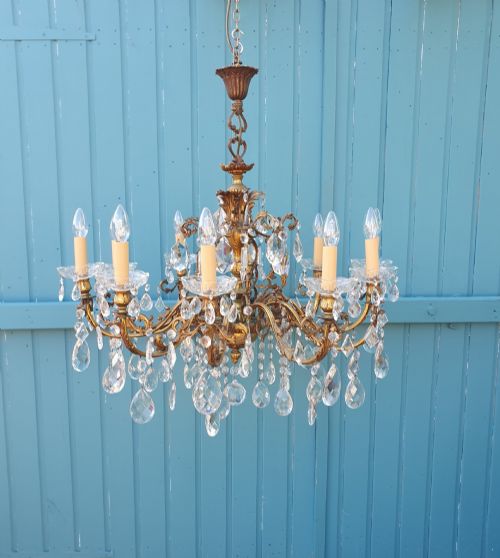
A cut crystal drop light encompasses chandeliers, wall lights, ceiling lights, and mantel lustres designed to reflect and refract illumination through hanging elements. The selection relies heavily on French and Italian designs spanning the nineteenth century, the Edwardian era, and the nineteen-twenties.
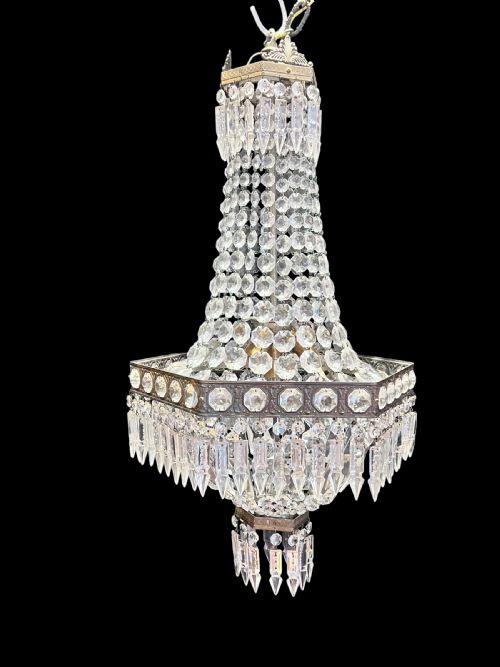
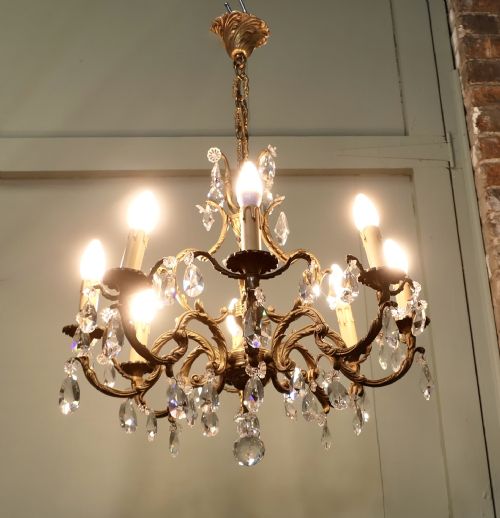
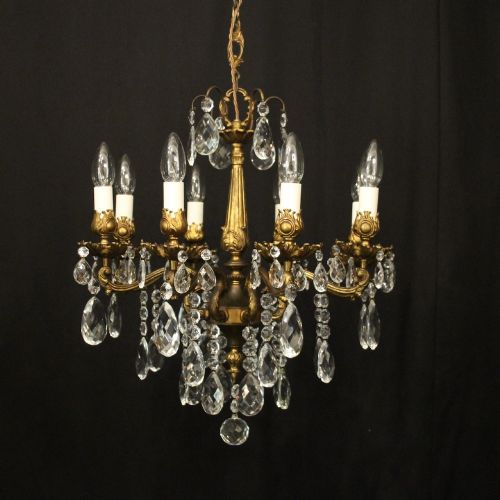
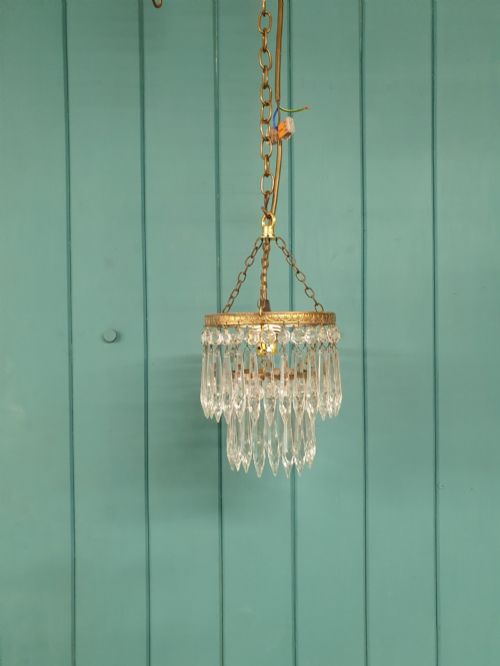
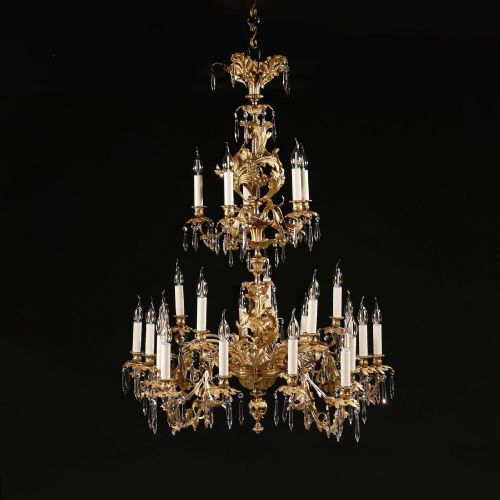
The forms vary widely from small single-light fixtures and bag chandeliers to large multi-armed chandeliers and table candelabras. Examples range from simple brass and cut glass spike chandeliers to elaborate gilt bronze frames hung with crystal drops and amber or mauve fruits.
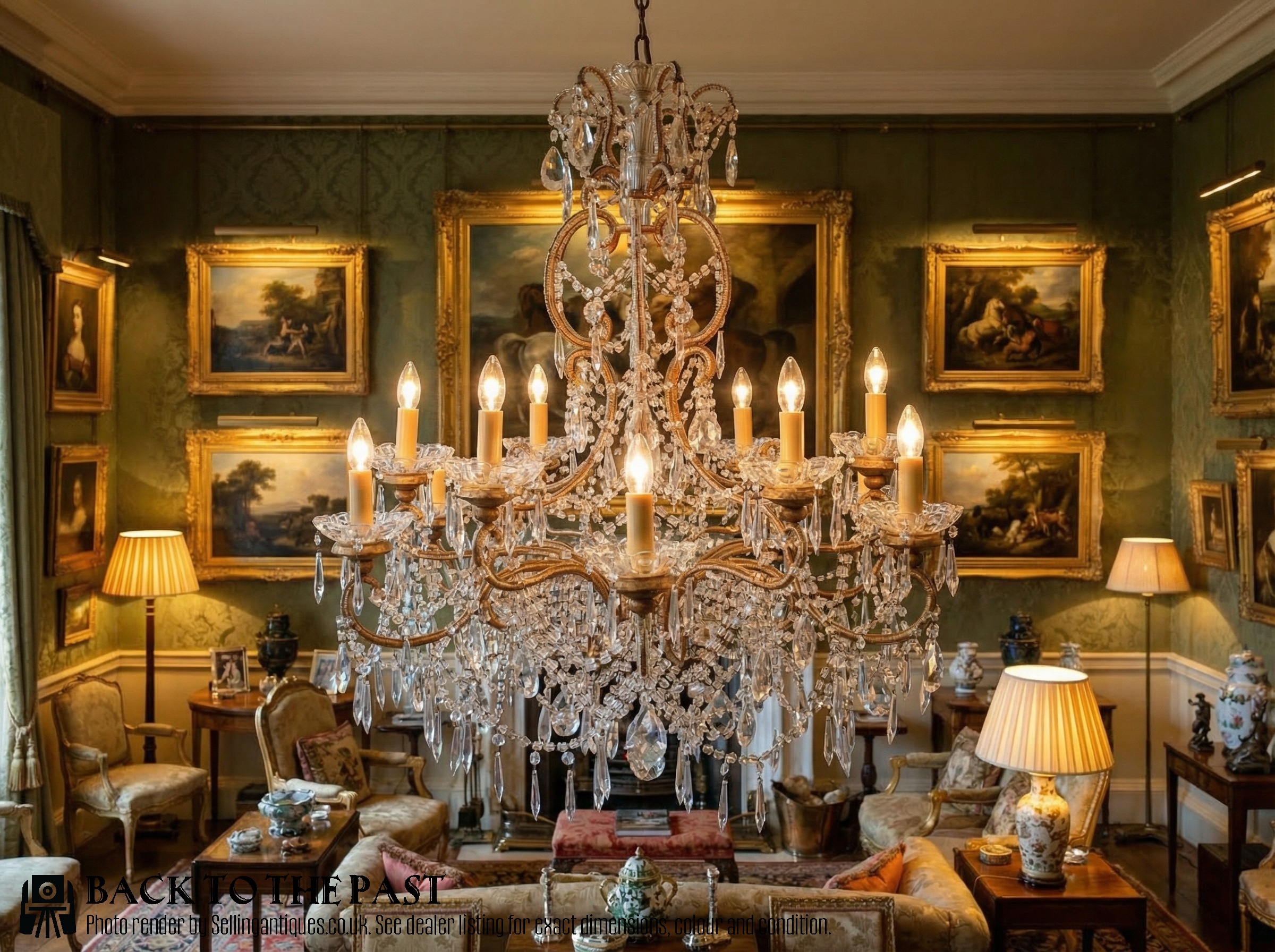
Materials and construction
The metal framework typically employs brass, bronze, or spelter, frequently finished with silver or gold gilding to enhance the reflective quality of the piece. Frames are constructed with arms, coronas, and bands designed to support hanging glass components securely.
Hanging elements consist of cut glass and crystal, shaped into spikes, prisms, beads, and lustres that catch and scatter light. These components are attached to the metallic structure using wire or pins, allowing movement and maximum light refraction.
Certain French chandeliers include coloured glass elements shaped as amber and mauve fruits hidden among the crystal drops.
Separating the grades
Quality rests upon the clarity and cutting of the glass elements alongside the weight and detail of the metal chassis. Finer pieces display crisp facets on the crystal drops and intricate cast decoration on the bronze or brass mounts.
The scale and ambition of the design distinguish standard fixtures from grander examples. Multi-armed chandeliers with complex tent and bag configurations or elaborate gilt bronze mounts represent higher levels of nineteenth and early twentieth-century craftsmanship.
The Cut Crystal Drop Light Glossary
- Lustre
- A decorative tabletop ornament featuring hanging crystal drops, designed to reflect candle or ambient light.
- Tent and bag chandelier
- A lighting fixture featuring an upper conical tent of strung crystals dropping down to a gathered bag shape below.
- Gilt bronze
- A metal substrate coated with a fine layer of gold, commonly found on French frames from the nineteenth and early twentieth centuries.
- Spike chandelier
- A compact hanging light fixture characterised by prominent protruding crystal spikes arranged around the body.
Cut Crystal Drop Light: Frequently Asked Questions
How do I clean a crystal drop light?
Maintenance involves gentle cleaning of individual glass drops and the metal frame using appropriate solutions without harsh abrasives.
Many components can be wiped in situ or removed carefully for thorough washing and drying before reattachment.
Where should I hang a drop light?
These fixtures suit hallways, dining spaces, and principal rooms where their refractive properties create strong visual impact.
Placement should account for ceiling height and the physical drop of the specific chandelier or pendant light.
How do I identify the period?
Dating relies on combining the evidence of metal casting styles, wiring methods, and the specific configurations of the crystal drops.
Nineteenth-century pieces often display heavier bronze casting, while nineteen-twenties examples frequently feature specific bag or tent formations.
What is the difference between glass and crystal?
Crystal contains mineral additives such as lead oxide that increase density, weight, and light refraction compared to standard glass.
This composition allows the cut facets to produce sharper prismatic reflections when illuminated.