

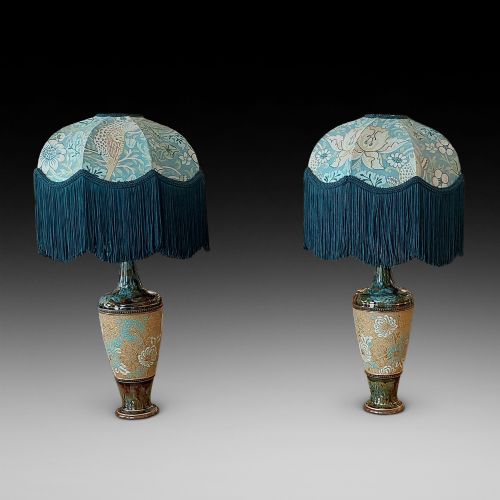
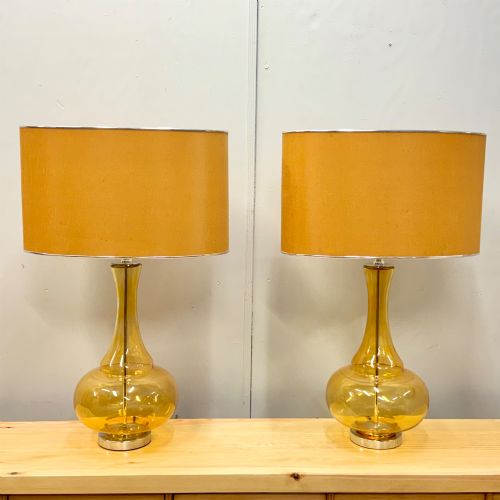
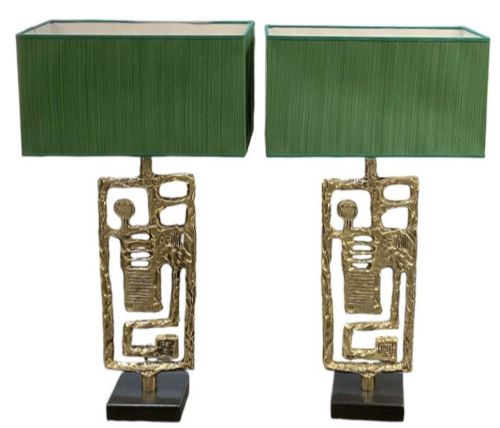
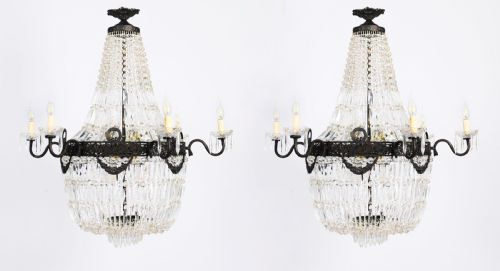
Antique Light Fixture Pair
An antique light fixture pair brings symmetry and period character to a room, offering matching illumination from eras spanning the Victorian years to the Art Deco decades.
Antique Light Fixture Pair
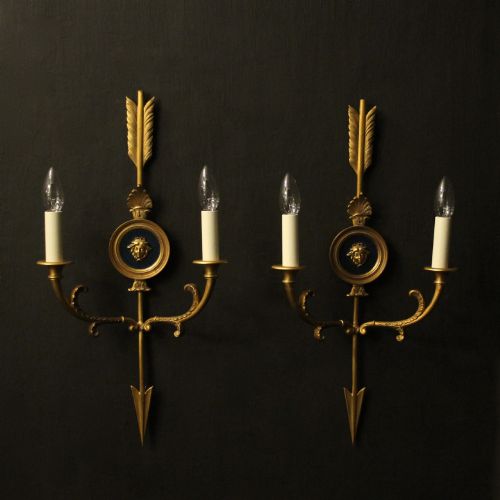
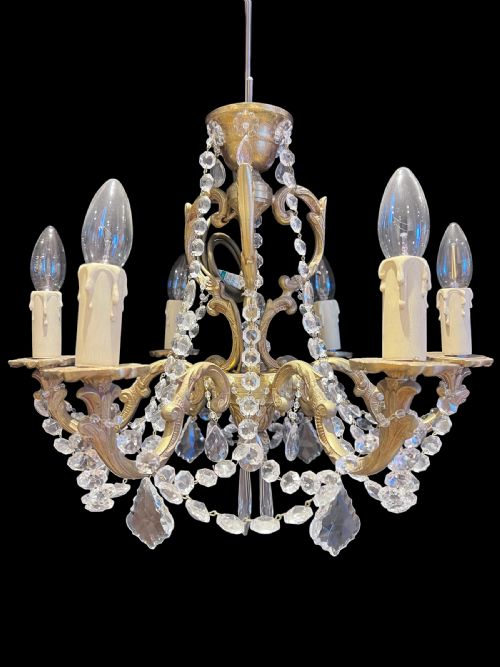
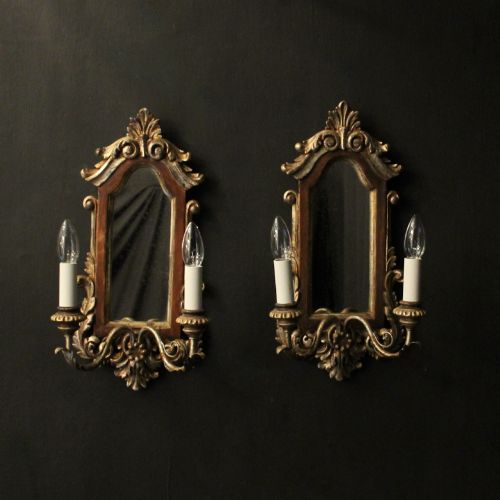
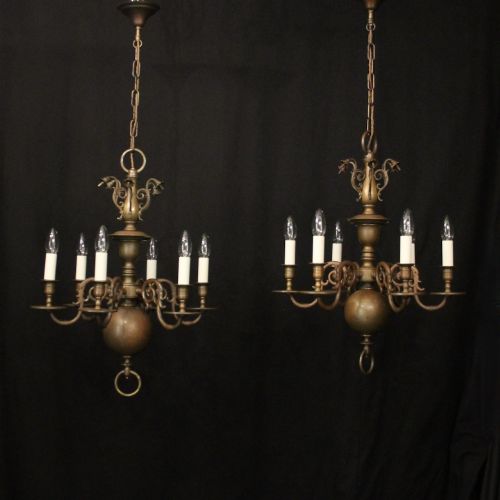
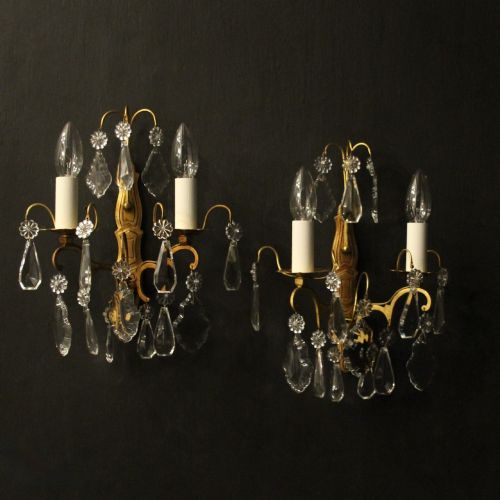
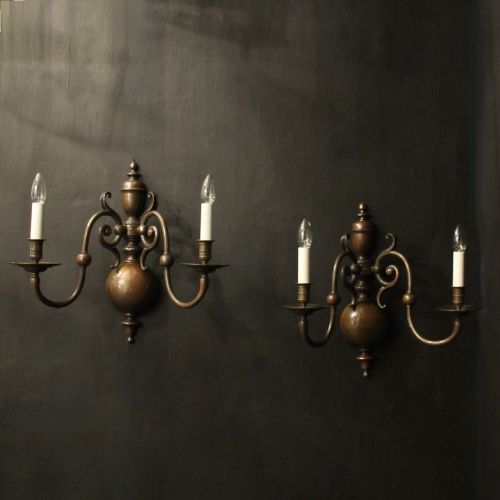
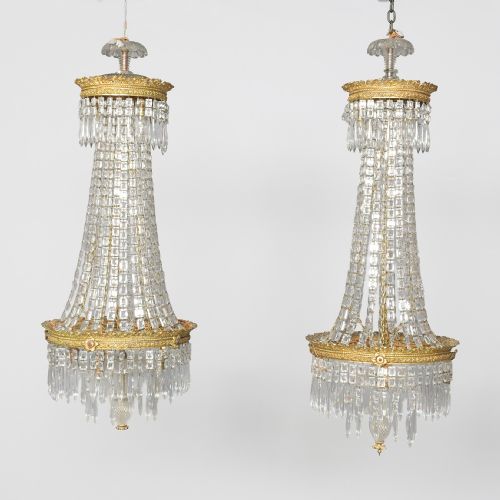
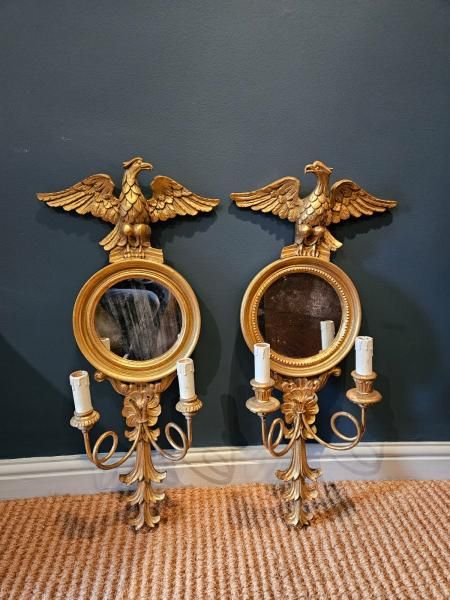
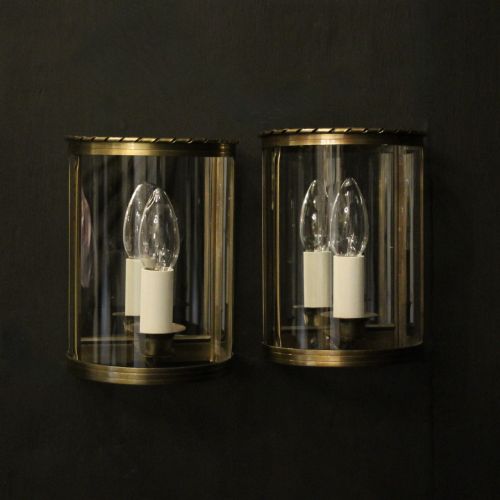
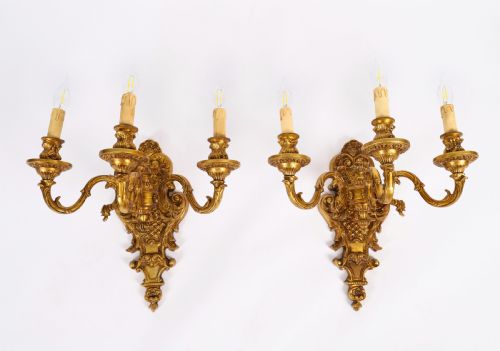
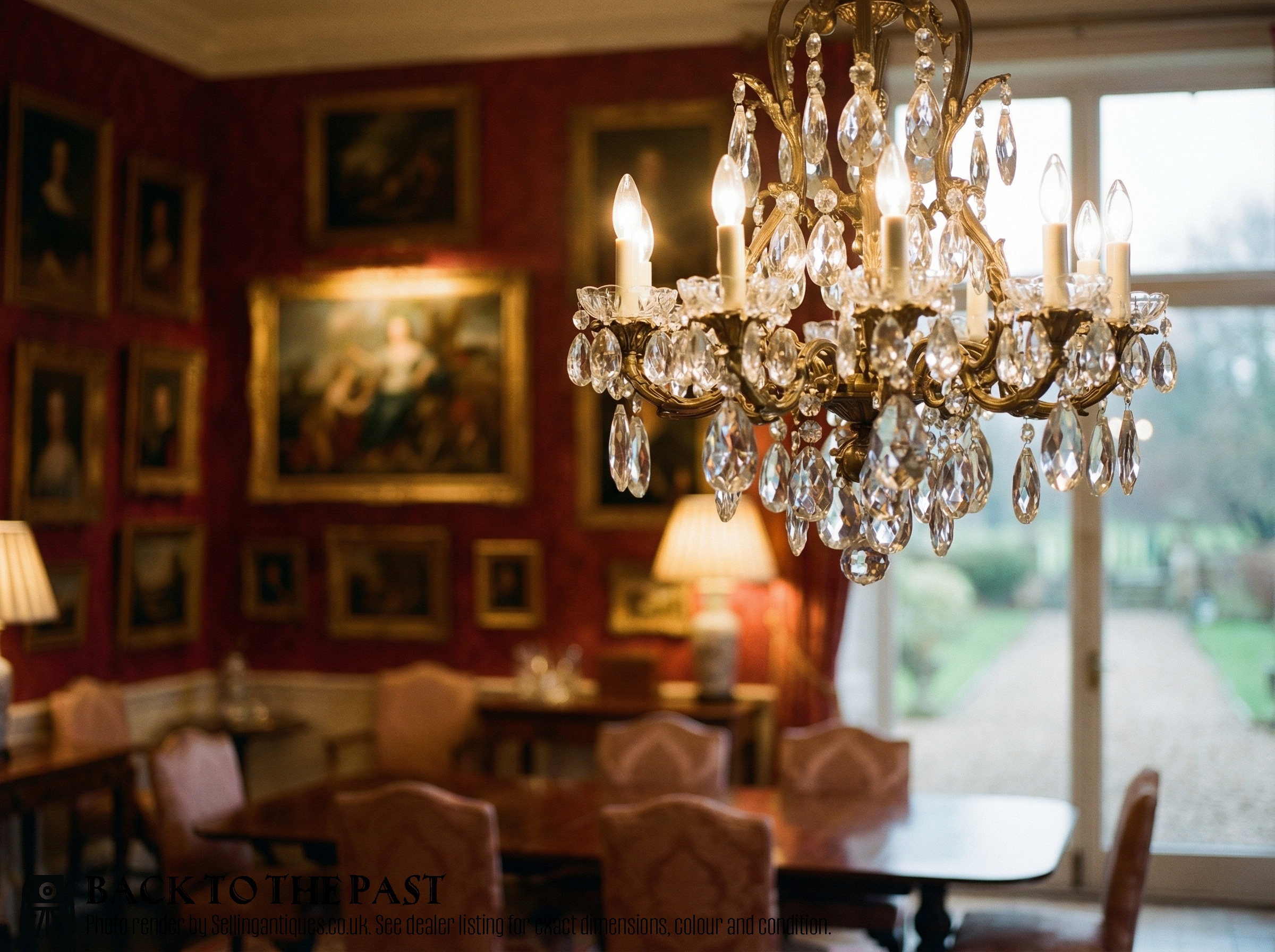
An antique light fixture pair consists of two matching matched sources of illumination designed to balance a room, most frequently appearing as wall lights, sconces, and chandeliers. Buyers seeking this phrase encounter French gilt bronze, brass, and carved giltwood formations originating from the nineteenth and early twentieth centuries. The selection leans heavily toward French Rococo and Louis Revival wall sconces alongside multi-light chandeliers and hanging lanterns.
The objects serve both functional and decorative purposes, historically lighting drawing rooms, hallways, and ballrooms with candles or early electricity. Surviving examples reflect the design shifts of the Victorian, Edwardian, and Art Deco periods, maintaining their original configurations or adapting safely for modern interiors. Matching pairs offer a unified aesthetic that single lighting fixtures cannot achieve in symmetrical spaces.
How they were made
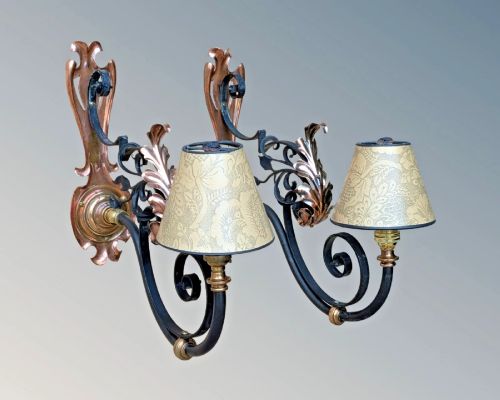
Metalworking formed the backbone of these pieces, utilising cast bronze, brass, copper, and wrought iron shaped into arms, frames, and backplates. Artisans employed gilding techniques such as ormolu to coat bronze surfaces, while others carved intricate details directly into giltwood for Florentine girandoles. Glass and crystal elements were cut, blown, or moulded into pendants, shades, and convex panels to refract light across a room.
Stylistic ornamentation drew heavily from French neoclassical motifs, Rococo scrolls, and Art Nouveau organic curves, applied by hand to each component of the pair. Assembly involved mechanical fastening with screws and pins, joining arms to central stems or mounting brackets securely. Metal patination was often applied deliberately to create aged surfaces on bronze and brass.
Listings feature brass, bronze, and giltwood pieces spanning the Victorian, Edwardian, and Art Deco periods.
What varies in quality
The refinement of the casting and carving sets exceptional examples apart from standard workshop output, visible in the crispness of acanthus leaves and ram's head masks. Superior gilt bronze and ormolu retain deep, lustrous surfaces, whereas lesser pieces show wear or inferior metallic mixtures. The quality of the crystal or glass components dictates how brilliantly light disperses through prisms and shades.
Structural integrity and the retention of matching original components determine the standing of a pair within its period. Pairs that preserve their complete set of arms, drops, and backplates without later replacements demonstrate higher integrity. The subtlety of hand-chased details on metal surfaces distinguishes masterwork production from mass commercial manufacture.
F and C Osler·Liberty·Schneider
The Antique Light Fixture Pair Glossary
- Ormolu
- Gilded bronze produced by applying a finely ground mercury and gold amalgam to a bronze base and heating it. This technique was widely used in French decorative lighting during the eighteenth and nineteenth centuries.
- Girandole
- An ornamental branched wall-mounted candlestick or light fixture, frequently incorporating a mirror backplate to reflect and amplify the illumination. Florentine examples often feature carved and giltwood frames.
- Toleware
- Painted or enamelled tinplate items, commonly shaped into lanterns or shades. The technique allows for rich surface colours and patterns.
- Holophane
- A brand of prismatic glass designed to direct and diffuse light efficiently. These scientific glass shades became popular in industrial and domestic lighting during the early twentieth century.
Antique Light Fixture Pair: Frequently Asked Questions
How do I hang a pair of wall sconces?
Wall sconces require secure mounting to wall studs or appropriate cavity fixings to support the weight of bronze or brass arms. Electrical connections must be handled carefully to ensure safe integration with household wiring.
Positioning two sconces at eye level, typically flanking a mirror, fireplace, or doorway, creates balanced illumination and visual symmetry. Height adjustments depend on the scale of the room and the furniture below.
Are these lights ready for modern wiring?
Many surviving pieces are rewired for contemporary electrical standards, while others retain older setups that require professional adaptation. Buyers should inspect the internal wiring to confirm compliance with current safety regulations.
Working with a qualified electrician ensures that delicate metal arms and antique sockets are handled without damaging historical components.
How do I clean antique brass and bronze?
Dusting gently with a soft, dry cloth prevents the accumulation of grime on intricate castings and crystal drops. Harsh chemical polishes should be avoided because they strip away desirable historic patination.
Specialist care preserves the aged surface of gilt bronze and ormolu, maintaining the subtle tones developed over decades of exposure.
What is the difference between a chandelier and a pendant?
Chandeliers feature multiple branches designed to hold several lights arranged in a tiered or circular formation. They typically hang from a central chain and ceiling rose.
Pendant lights usually suspend a single light source or enclosed lantern from a cord, chain, or rod. Pendants focus illumination directly downward or diffuse it through a single shade.