


Gold Brass Mantle Clock
Gold brass mantle clock pieces combine heavy metal cases with glass panels, bringing Victorian and Edwardian timekeeping into domestic spaces.
Gold Brass Mantle Clock
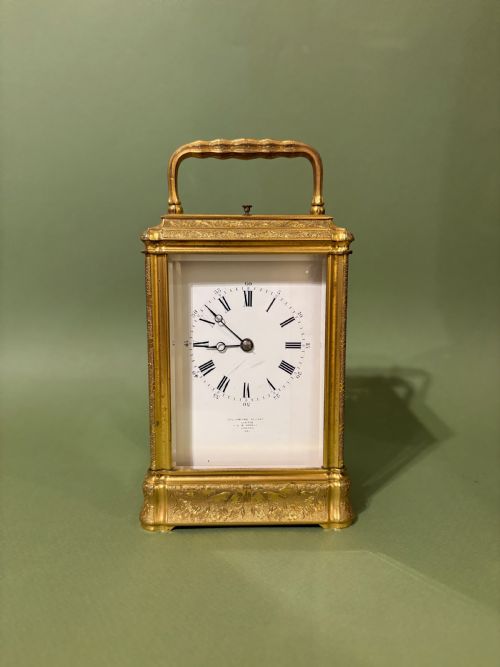
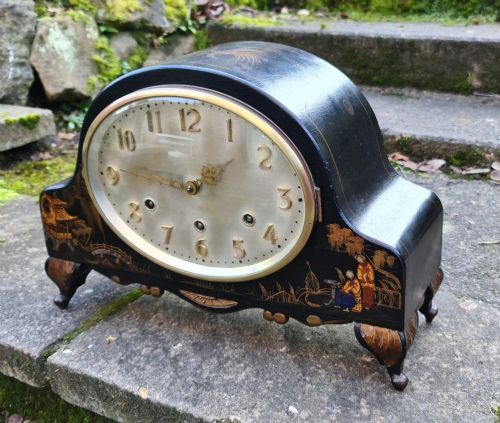
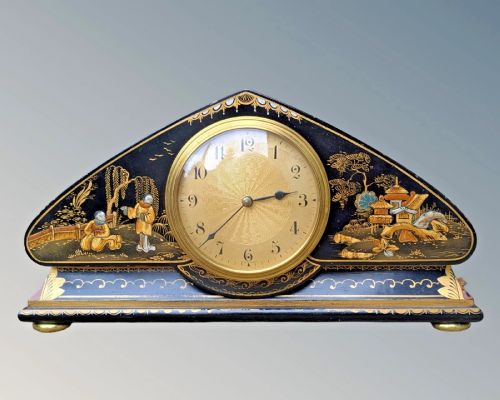
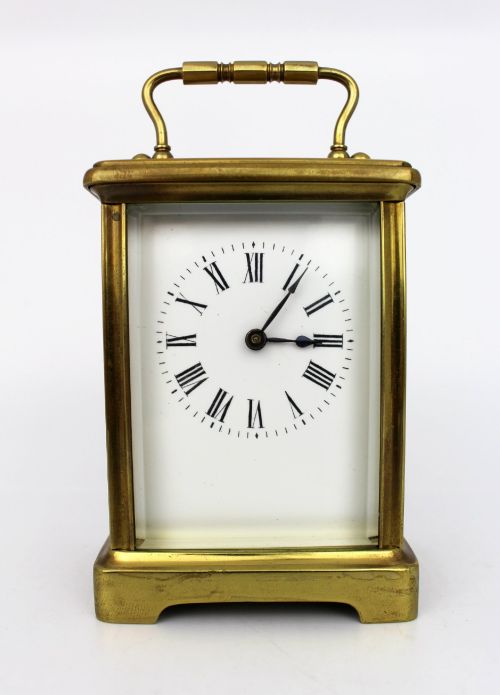
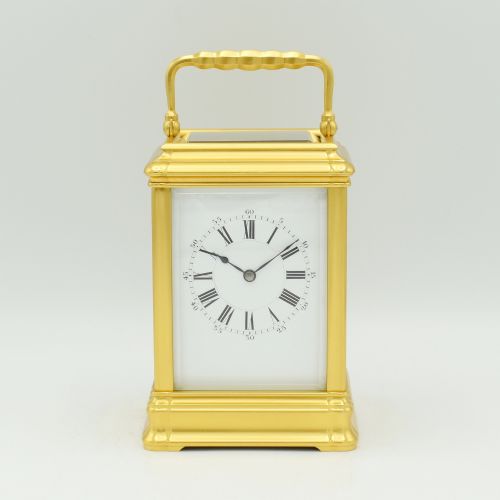
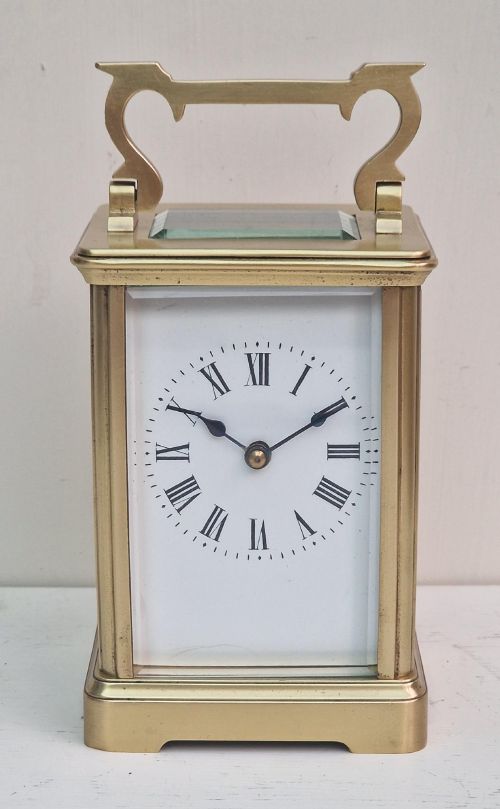
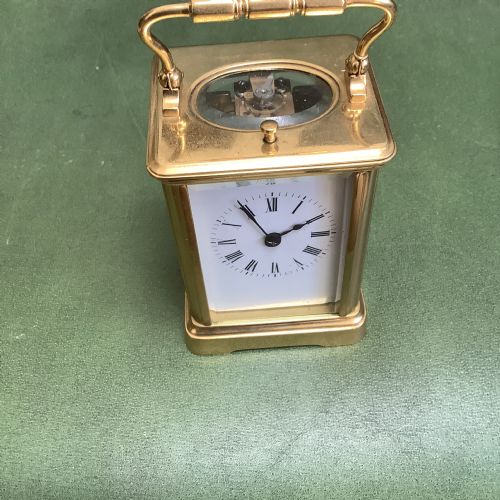
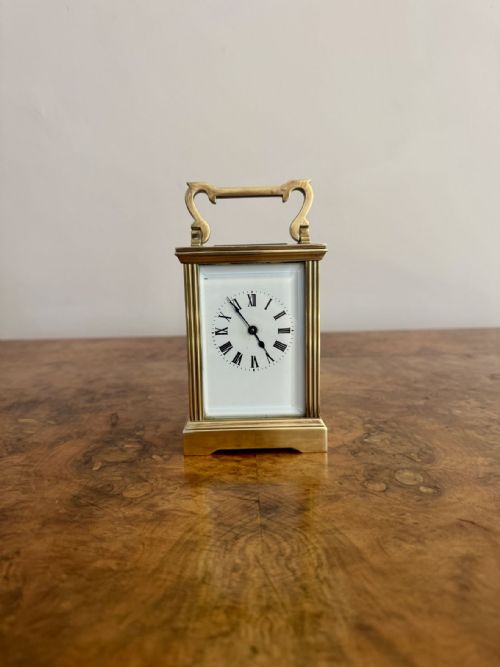
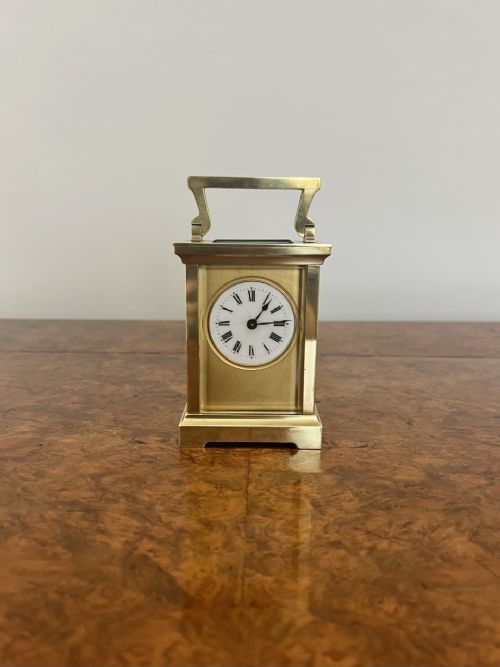
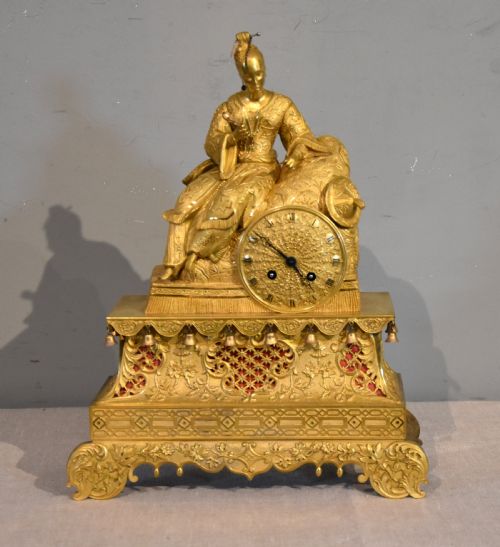
A gold brass mantle clock sits on furniture surfaces, taking the form of carriage clocks, bracket clocks, and ornate mantel pieces. These objects originate largely from French and English workshops across the nineteenth century and into the Edwardian era.
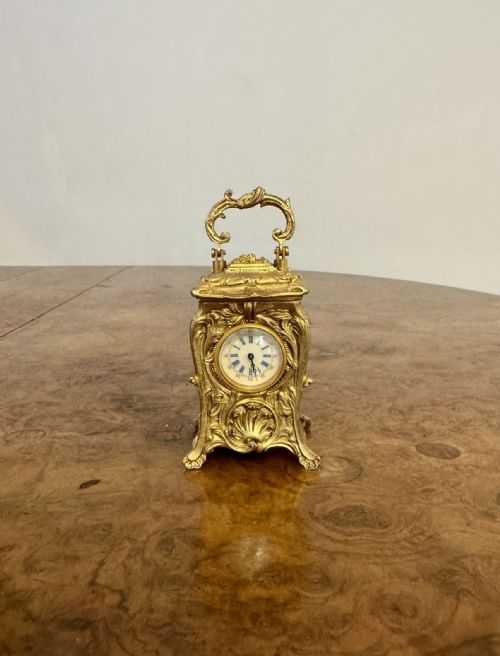
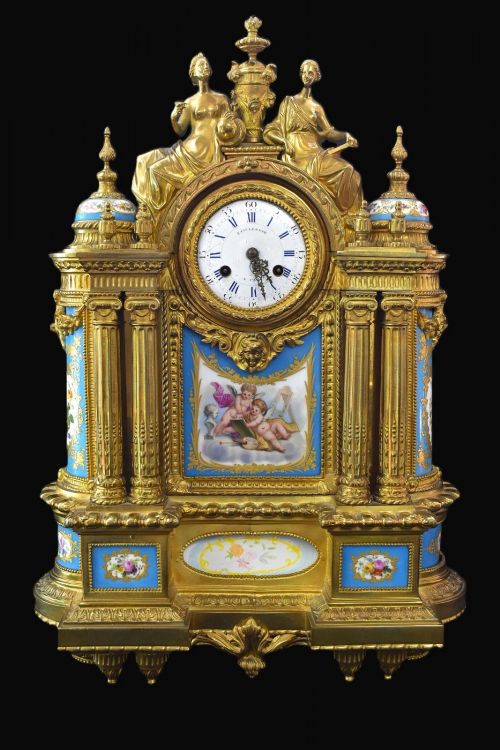
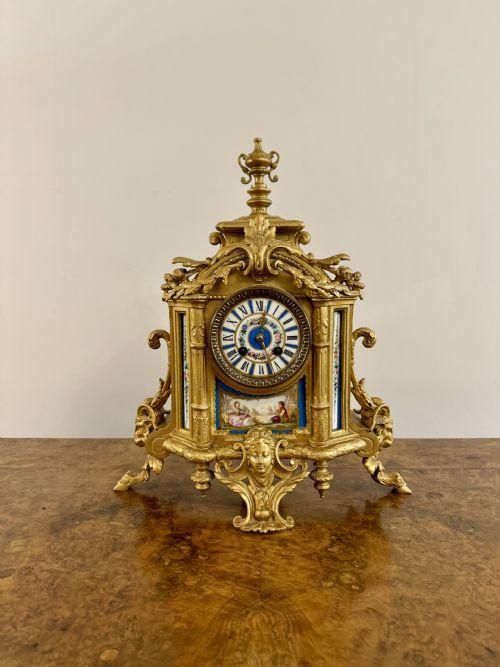
The buyer encounters brass, gilt bronze, and ormolu housings frequently on this page. Many pieces incorporate glass sides to display the internal movement, while others feature porcelain panels or champleve enamel work.
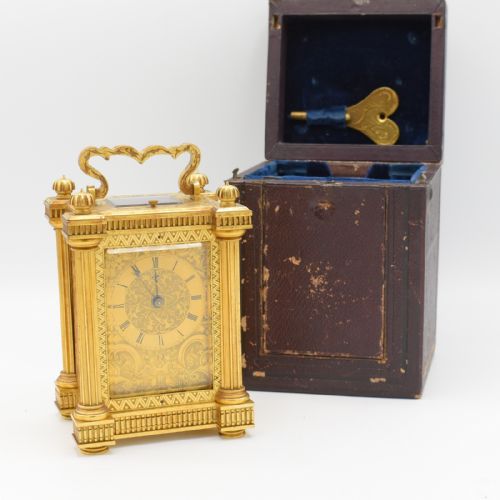
Carriage clocks with swing handles appear regularly alongside larger mantel clocks and garniture sets. Styles range from plain brass rectangles to decorative French Rococo Revival and Louis XVI Revival designs.
How they were made
Casings utilise cast brass, gilt bronze, and ormolu, often combined with bevelled glass panels to reveal the mechanical movement inside. Metal surfaces receive polished or gilt finishes, while porcelain and champleve enamel add decorative colour to dials and panels.
Clockmakers housed movements inside heavy metal frames, pairing brass gear trains with enamel chapter rings and steel hands. Travel cases accompanied portable carriage clocks, protecting the exterior during transit.
Object forms span carriage clocks, desk clocks, mantel clocks, and multi-piece garniture sets.
What varies in quality
The distinction between tiers rests upon the crispness of the metal casting and the depth of the gilding on the bronze or brass case. Heavier gauges of metal and finely chased surface details separate standard production items from elaborate pieces.
Complications within the movement, such as repeaters, alarm mechanisms, and calendar functions, elevate the standard of the clock. Intricate dial painting and the integration of Sevres porcelain or champleve enamel distinguish more ambitious works.
HENRI JACOT·Howell & James London·C. Detouche Paris·Etienne Lenoir·Duverdrey & Bloquel·Henry Jacob·L Epee
The Gold Brass Mantle Clock Glossary
- Ormolu
- Gilt bronze produced by applying a mercury and gold amalgam to a bronze base and heating the metal. This technique creates a durable golden surface seen on French nineteenth century clock cases.
- Champleve
- An enamelling technique where troughs are dug into a metal surface and filled with coloured vitreous enamel before firing. It appears frequently on Victorian and French dials and bezels.
- Garniture
- A set consisting of a central clock flanked by matching decorative objects such as candelabras. These balanced sets were designed to sit together on a mantelpiece.
- Repeater
- A mechanical complication that chimes the hours and quarters on demand when a lever or button is pressed. This feature is common in better quality carriage clocks.
Gold Brass Mantle Clock: Frequently Asked Questions
What is a carriage clock?
A carriage clock is a portable timekeeper enclosed in a brass case with glass sides and a folding handle on top. Nineteenth-century travellers used them during journeys.
Most examples sit on four small feet and contain a spring-driven movement rather than a pendulum.
How do I wind a brass clock?
Winding requires a matching key inserted into the winding arbours on the dial or backplate. Turning the key clockwise tensions the mainspring.
Care should be taken not to overwind the mechanism, stopping as soon as resistance is felt.
What is a clock garniture?
A clock garniture comprises a central mantel clock accompanied by a matching pair of side ornaments, typically candelabras or urns. Makers designed these sets to create a symmetrical display.
Materials usually match across all three pieces, combining gilt bronze and porcelain.
How do I identify French pieces?
French pieces often display foundry marks, maker signatures, or serial numbers stamped on the brass backplate of the movement. Stylistic indicators include Rococo Revival curves and Sevres-style porcelain plaques.
Many carriage clocks house French movements even when retailed in London shops.