



Gold Brass Instrument
A gold brass instrument brings precision and utility into the home, ranging from scientific barometers to pocket sundials.
Gold Brass Instrument
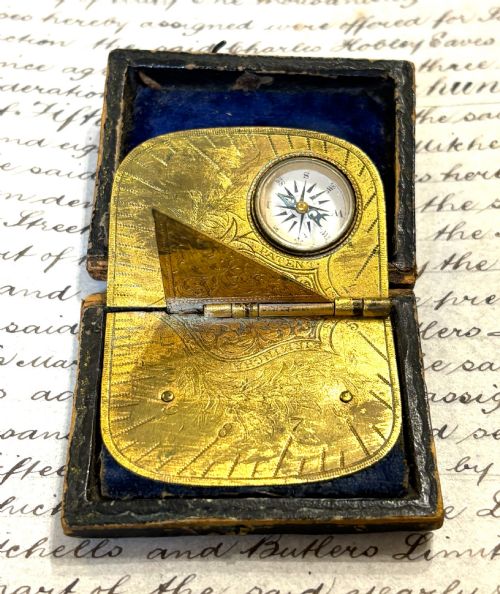
A gold brass instrument search covers a diverse group of functional objects, primarily scientific apparatus, weather stations, and optical devices from the Georgian, Regency, and Victorian eras. These items span from library telescopes and folding pocket sundials to barometer sets and balance scales.
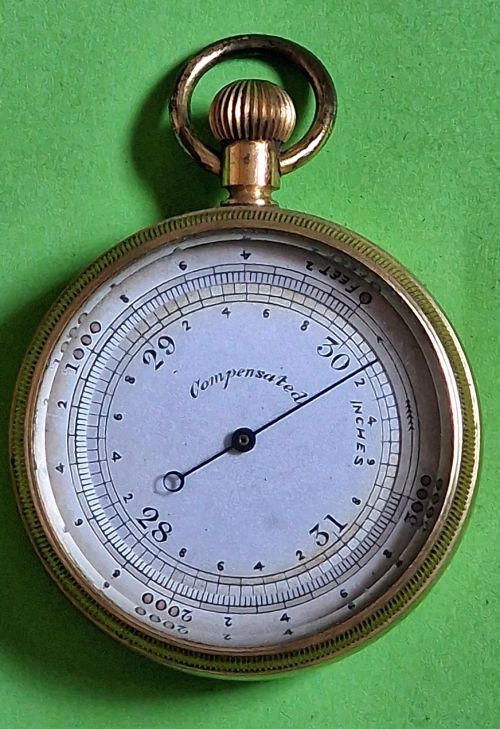
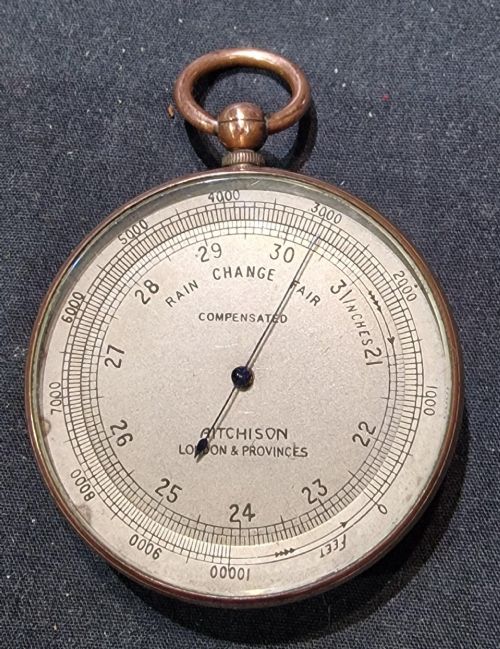
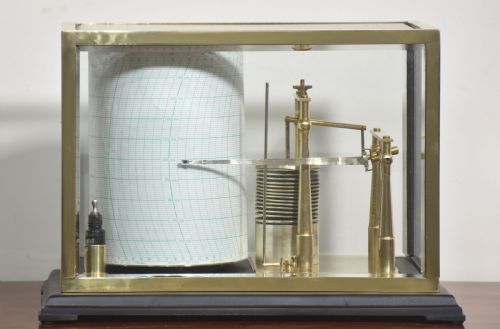
The version most likely to appear on this page is a Victorian or late nineteenth-century pocket barometer, aneroid barometer, or scientific instrument housed in brass or gilt brass. Pieces often reflect specific scientific or domestic uses, including hair hygrometers, altimeters, and carriage clocks.
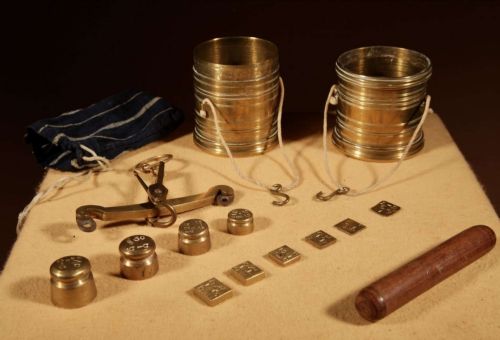
Origins stretch across English, French, and German workshops, with examples like Dutch bushel balances and Parisian carriage clocks sitting alongside British library telescopes and pocket instruments. Materials frequently combine metal, glass, wood, and paper alongside the primary brass components.
Materials and construction methods
Makers utilised brass, gilt brass, and metal as the primary structural and decorative bodies for these instruments, often pairing them with glass lenses, dials, and protective paper or wooden cases. Metals were cast, turned, and polished to achieve precise mechanical housings.
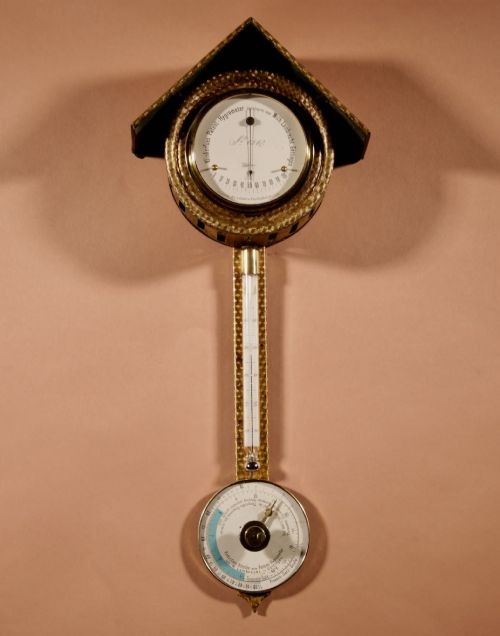
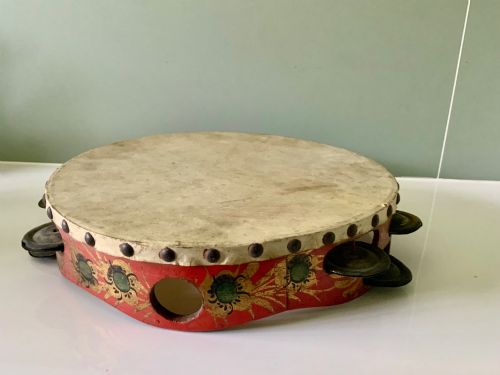
Surface finishes include gilt brass applications that impart a rich gold appearance, alongside painted details on items such as tambourines and enamel clock faces. Delicate components like hair hygrometer mechanisms and barometer needles required specialist calibration and fine assembly.
Some nineteenth-century meteorologists trusted human hair to predict the rain.
Assessing quality in scientific and decorative pieces
Quality rests upon the precision of the mechanics, the crispness of the engraved or signed details on dials and casings, and the survival of original fitted cases. Finer examples retain their original glass, intact paper scales, and fully functioning inner movements without replacement parts.
The reputation of the maker and the complexity of the mechanism elevate certain instruments, distinguishing standard utilitarian items from exhibition pieces or patented designs by known makers.
Wilh Lambrecht Gottingen Germany·Short And Mason·Poulenc Freres of Paris·Antoine Redier of Paris·Stephen Houghton And Son·Davis of London
The Gold Brass Instrument Glossary
- Aneroid barometer
- A device for measuring atmospheric pressure without liquid, typically housed in a round brass case with a dial face.
- Hair hygrometer
- An instrument that measures humidity utilising human or animal hair, which expands and contracts with moisture levels in the air.
- Carriage clock
- A small, spring-driven clock designed for travel, usually featuring a brass frame inset with glass panels.
- Bushel balance
- A precise weighing scale system used for measuring dry goods, often contained within a fitted wooden set.
- Gilt brass
- Metal treated with a gold-coloured wash or leaf application to provide a bright, decorative surface finish.
Gold Brass Instrument: Frequently Asked Questions
How do I care for a brass instrument?
Keep brass instruments in a stable environment away from excessive moisture and direct sunlight to protect the metal and any paper components.
Dust gently with a soft, dry cloth and avoid harsh metal polishes that can remove gilt finishes or damage engraved inscriptions.
Where were these instruments used?
These items served various practical purposes in libraries, ships, scientific laboratories, and domestic households across the nineteenth century.
Owners utilised them for navigation, weather forecasting, telling time, and scientific observation both indoors and outdoors.
How do I date an antique barometer?
Dating relies on the style of the casing, the typography on the dial, and any maker signatures or patent dates marked on the metal.
Victorian and Georgian pieces often exhibit distinct mechanical designs and framing techniques characteristic of their specific decade of manufacture.
Are these scientific instruments still accurate?
While many barometers, clocks, and compasses retain their mechanical integrity, they function primarily as historic decorative objects rather than calibrated scientific tools.
Restoration or professional adjustment may be required if you wish to restore full working operation to antique clockwork or weather mechanisms.