


Gold Brass Firedogs
These gold brass firedogs anchor a hearth with warmth and presence, offering the refined metalwork that period rooms demand.
Gold Brass Firedogs
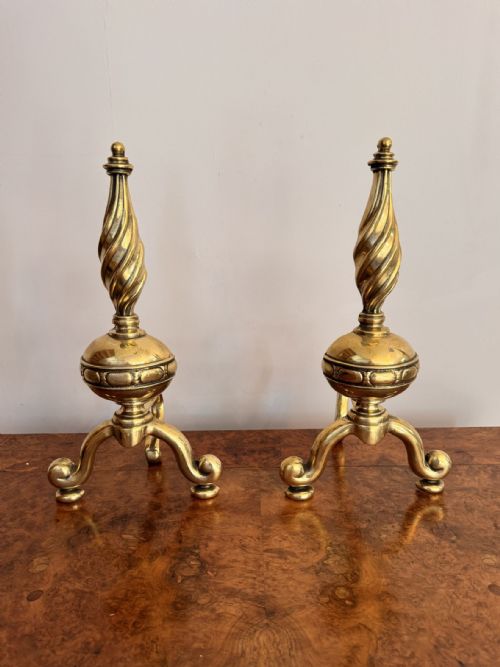
When you search for gold brass firedogs, you encounter functional hearth furniture designed to support logs above the floor of an open fireplace. The selection spans distinct eras, from eighteenth-century examples to late nineteenth-century Victorian pieces.
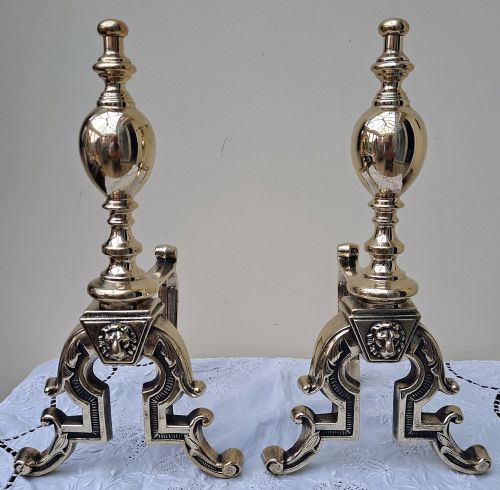
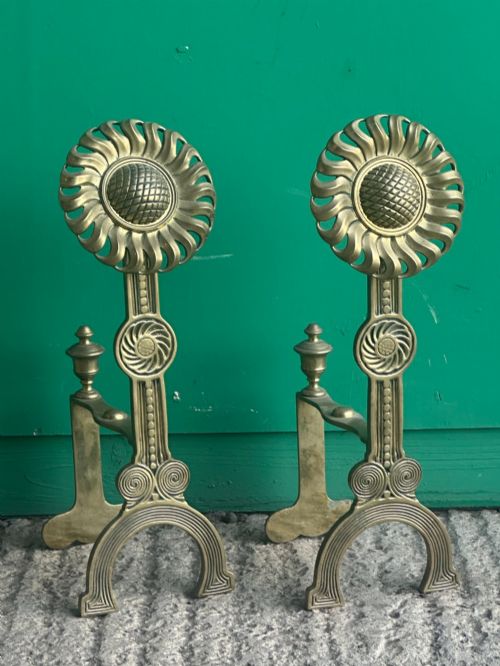
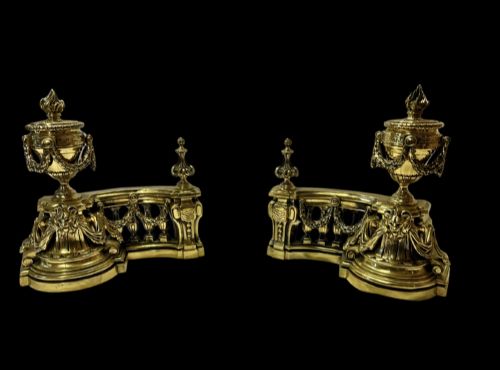
Most items on this page take the form of paired fire dogs, andirons, or chenets intended to sit symmetrically at the front of the hearth. Styles range from French Rococo and Louis XVI copies to Aesthetic Movement and Regency Revival designs.
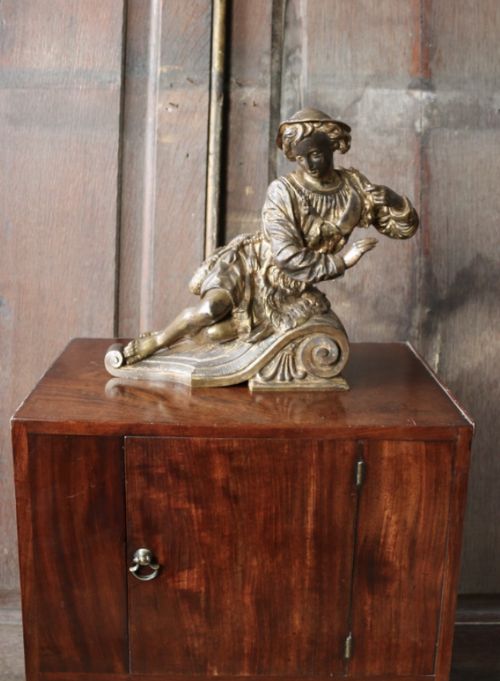
Makers drew on classical and natural motifs, producing items shaped as figures, sunflower patterns, or formal architectural mounts. These fireplace accessories served both a practical purpose in wood-burning grates and a decorative role in formal reception rooms.
How they were made
Foundry work relied on casting brass, bronze, and iron, producing solid components that could bear the weight and heat of the hearth. Manufacturers utilised cast brass and cast iron to build robust structural frames.
Surface finish involved fire gilding, ormolu mounting, and the application of gilt bronze or gilded brass to impart a bright metallic lustre. Artisans combined these techniques to create contrast between polished highlights and darker iron elements.
Listings feature materials such as brass, bronze, cast iron, ormolu, and gilded brass across the nineteenth and eighteenth centuries.
What varies in quality
Execution of detail separates standard foundry output from finer studio work, visible in the sharpness of cast foliage, figures, and mounts. Pieces attributed to specific designers or manufacturers show superior chiselling and finishing after the cast leaves the sand.
Material selection dictates the weight and stability of the pair, with heavier cast brass and substantial bronze offering greater durability than thinner alternatives. The integrity of the original mercury gilding or ormolu mounts further distinguishes higher tier examples.
Thomas Jeckyll·William Tonks
The Gold Brass Firedogs Glossary
- Andiron
- A metal support used in pairs to hold logs in an open fireplace. They typically feature an upright decorative front standard supported on horizontal legs.
- Chenet
- The French term for an andiron or firedog. These often display elaborate scrollwork, figures, or architectural motifs associated with continental interiors.
- Ormolu
- Finely ground high-carat gold applied to a bronze object using a mercury amalgamation technique. This historic process produces a warm, durable golden finish found on higher quality period pieces.
- Gilt bronze
- Bronze that has been coated with a layer of gold leaf or gold wash. It provides the visual richness of solid gold while utilising a strong base metal.
Gold Brass Firedogs: Frequently Asked Questions
What is the difference between firedogs and andirons?
The terms are generally used interchangeably to describe the decorative metal supports placed inside an open fireplace. Both serve to elevate logs for better air circulation and combustion.
Regional preference often dictates the term used, with andirons more common in British and American contexts and firedogs sharing the same functional root.
Were these pieces meant for coal or wood?
Traditional firedogs and andirons were primarily designed to hold logs of wood above the hearth floor. Their horizontal billets supported the burning timber while allowing ash to fall away.
Later Victorian variations sometimes accompanied basket grates adapted for coal, but the primary form remained rooted in wood-burning traditions.
How do I clean gilded brass or ormolu?
Historic fire metalwork requires gentle dusting with a soft brush rather than aggressive chemical polishing. Harsh abrasives will strip away the thin layer of original gilding.
Professional conservation advice should be sought if tarnish obscures the surface, as preserving the patination maintains the integrity of the piece.
How do I date a pair of firedogs?
Dating relies on identifying stylistic markers, such as the symmetrical exuberance of French Rococo or the botanical motifs of the Aesthetic Movement. Manufacturing techniques, including the transition from sand casting to machine finishing, also provide clues.
Comparing the weight, assembly pins, and back billets with dated examples helps narrow the period of origin.