
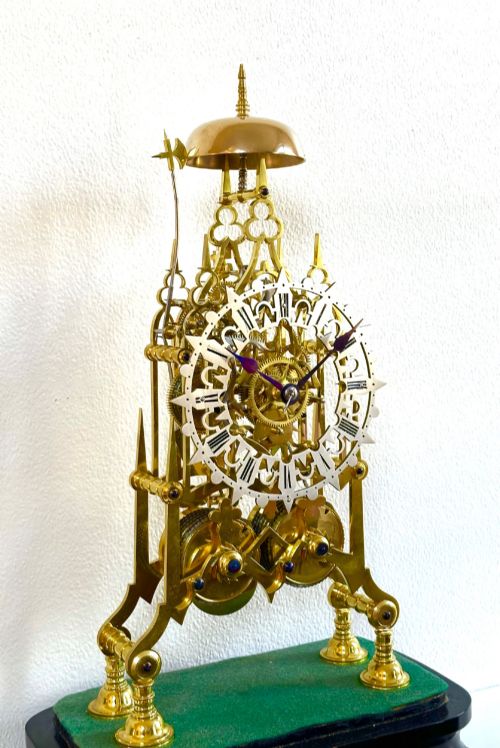


Gold Brass Bell
A gold brass bell brings clear tone and warm metal weight to a room, ranging from small desk counter pieces to large maritime and tavern forms.
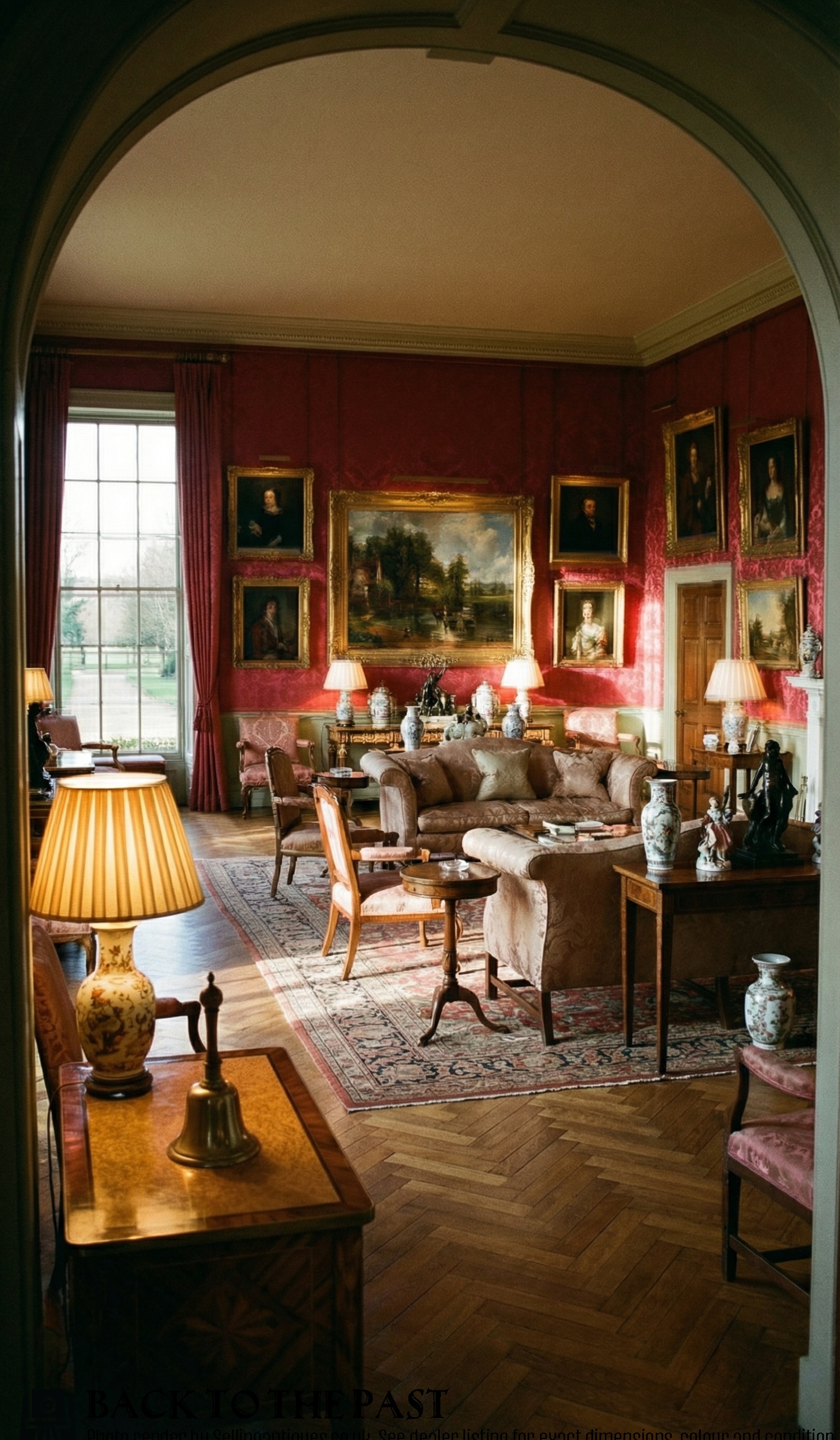
Gold Brass Bell
When you search for a gold brass bell, you encounter a variety of objects designed for striking, hanging, or ringing across several centuries. The selection spans domestic desk bells, hand bells, church or ship items, and clock movements that use bells to mark the hour.
You are most likely to meet Victorian and nineteenth-century examples on this page, alongside Georgian and early twentieth-century designs. Forms range from simple tavern candlesticks and counter bells to intricate carriage clocks and lantern clocks.
The materials reflect traditional foundry work, utilising cast brass, bell metal, and gilt bronze. These pieces serve functional roles as alarms, service calls, and timepieces while carrying decorative presence.
How they were made
The creation of a gold brass bell relies on metal casting, where molten brass or bell metal is poured into moulds to achieve the desired thickness and resonance. Craftsmen then turned and polished the metal on lathes to refine the shape and enhance the surface sheen.
Many items incorporate secondary materials such as steel for internal springs and hammers, wood for bases, and glass or enamel for clock dials. Gilt bronze and ormolu finishes appear on French mantel and carriage clocks, applied through mercury gilding or electroplating.
Listings feature items spanning the eighteenth, nineteenth, and twentieth centuries, utilising brass, bell metal, glass, and gilt bronze.
What varies in quality
Quality in a gold brass bell depends on the purity and density of the metal alloy, which dictates the clarity and sustain of the tone when struck. Heavier castings with uniform thickness show superior foundry work compared to lighter, more porous production.
The fineness of hand-chiselled detail on decorative mounts, such as those found on French carriage clocks and gilt bronze mantel pieces, separates standard production from high-end craftsmanship. Maker signatures and complex movements like double fusee or repeating strikes further elevate a piece.
Grey of Edinburgh·Jaeger Le Coultre
The Gold Brass Bell Glossary
- Bell metal
- An alloy of copper and tin traditionally used for casting bells to produce a resonant tone. It contains a higher tin content than standard brass.
- Carriage clock
- A small, spring-driven clock designed for travel, often featuring a glass-panelled brass case and a bell for striking the hours.
- Double fusee
- A clock movement mechanism utilising a cone and chain to equalise the pull of the mainspring, ensuring accurate timekeeping as the spring unwinds.
- Gilt bronze
- Bronze metal treated with a layer of gold to give a rich, reflective surface finish. It is frequently seen on nineteenth-century French clocks.
- Lantern clock
- An early form of domestic brass clock, typically wall-mounted with exposed weights and a bell mounted on top.
Gold Brass Bell: Frequently Asked Questions
How do I clean a brass bell?
Clean a brass bell using a soft cloth and mild soapy water to remove surface dust without stripping the natural patina. Avoid harsh abrasive polishes that can wear away fine engraving and alter the historic appearance.
Dry the metal thoroughly after cleaning to prevent spotting. Regular gentle dusting is usually sufficient to maintain the finish.
Why do some bells sound different?
The pitch and resonance of a bell depend primarily on its alloy composition, wall thickness, and overall mass. Bells cast with higher proportions of tin produce a clearer, longer-lasting ring.
Geometrical design also influences acoustics, as the shape of the sound bow determines how the sound waves project into the room.
How do I identify a Victorian bell?
Victorian pieces often display registration marks, specific factory numbers, or stylistic traits associated with nineteenth-century revival movements. The use of machine-assisted turning combined with hand-finishing becomes more common in this period.
Examine the mounting hardware and internal components for manufacturing clues that match nineteenth-century industrial standards.
Where were desk bells used?
Desk and counter bells served practical communication roles in nineteenth-century hotels, shops, railway stations, and domestic households. Staff relied on them to summon attention from patrons or employers.
Their presence in public spaces made them durable, sturdy objects built to withstand frequent daily use.