
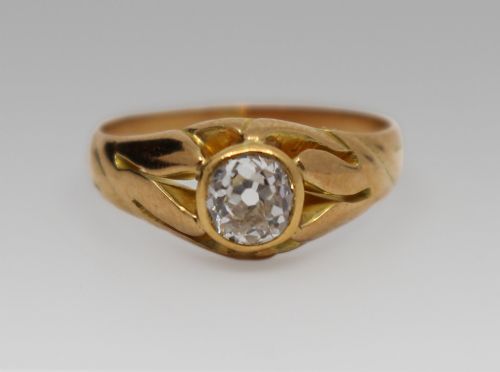
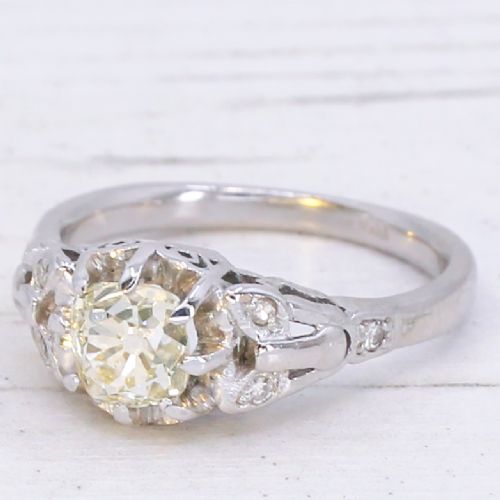
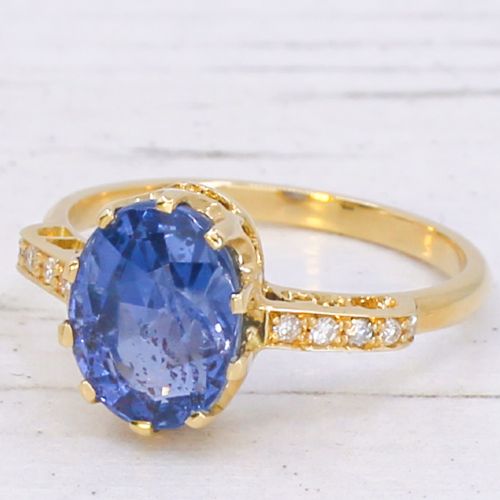
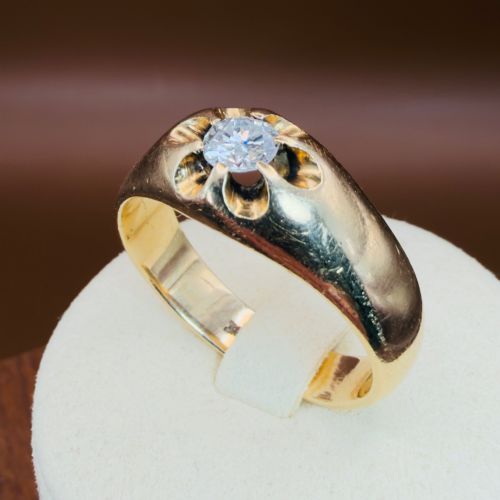
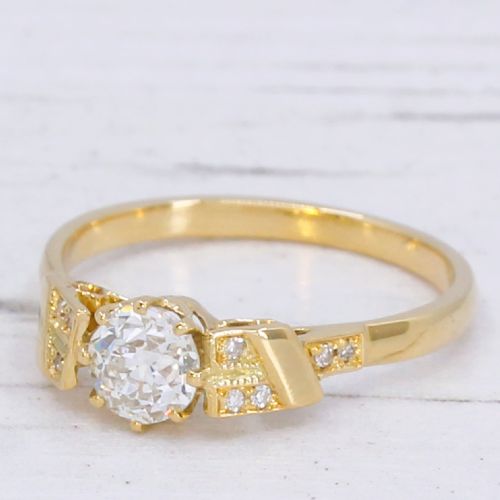

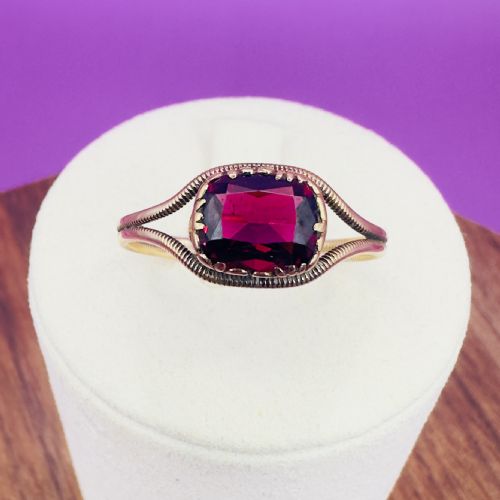

Gold Band Solitaire Ring
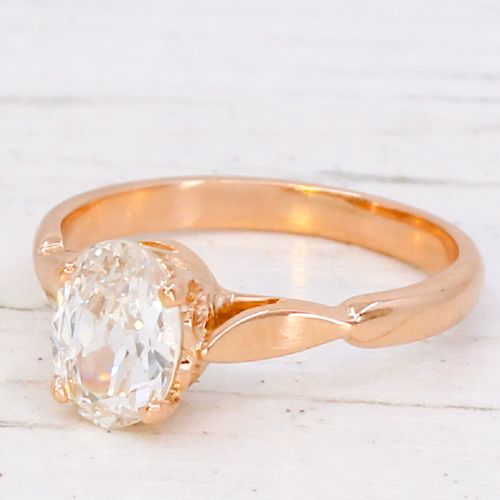
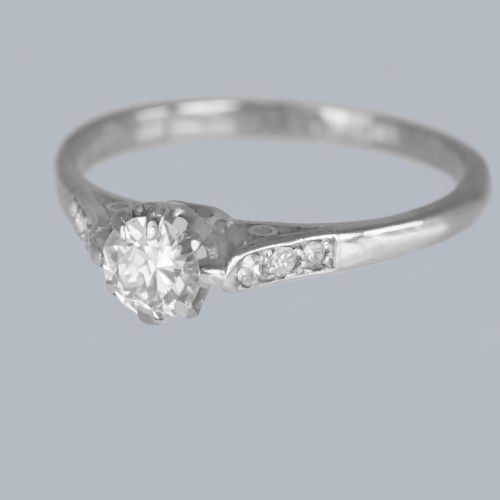
These gold band solitaire ring pieces bring together single central stones and enduring precious metals from periods spanning Georgian times to the mid-century.
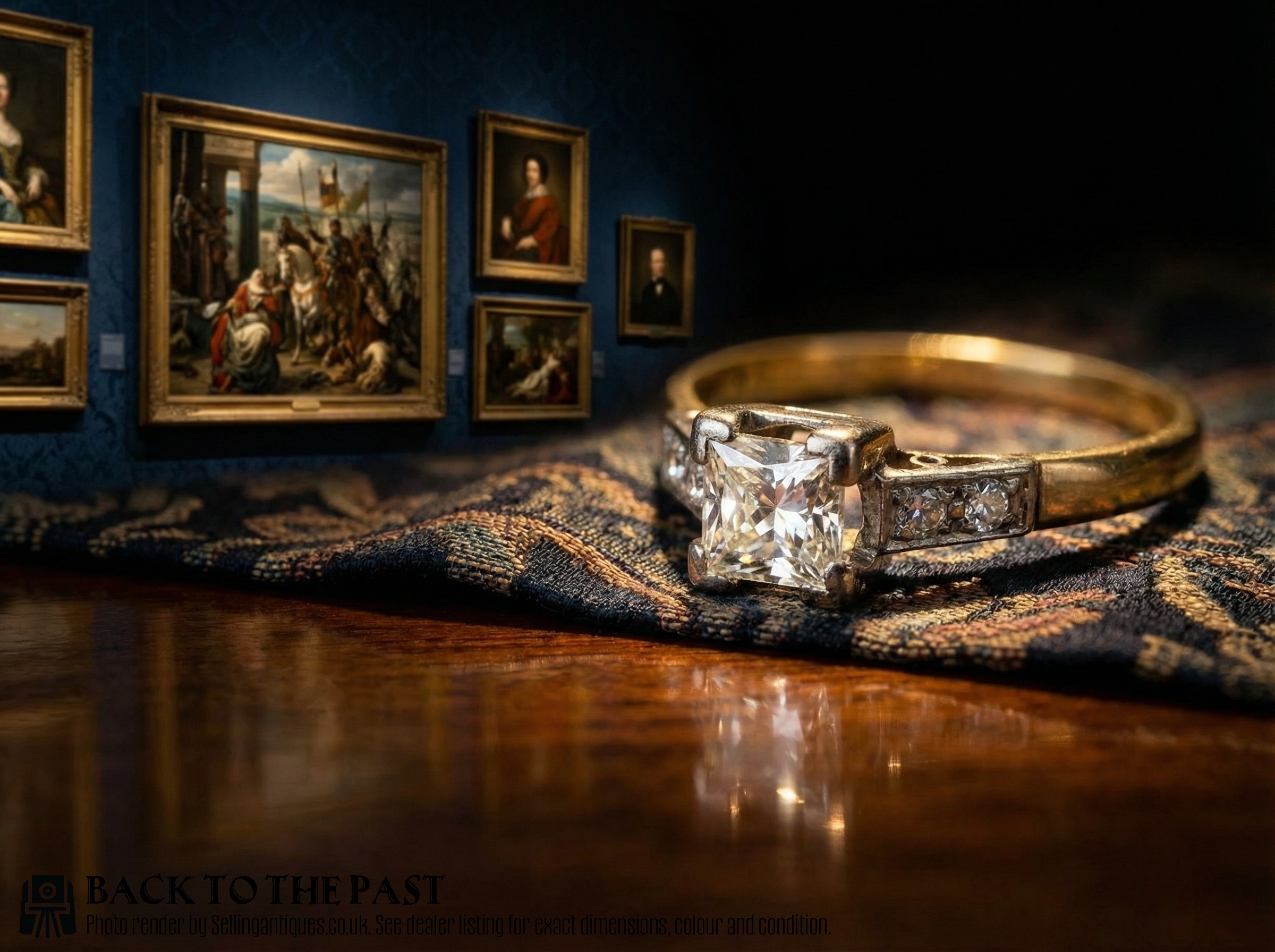
Gold Band Solitaire Ring
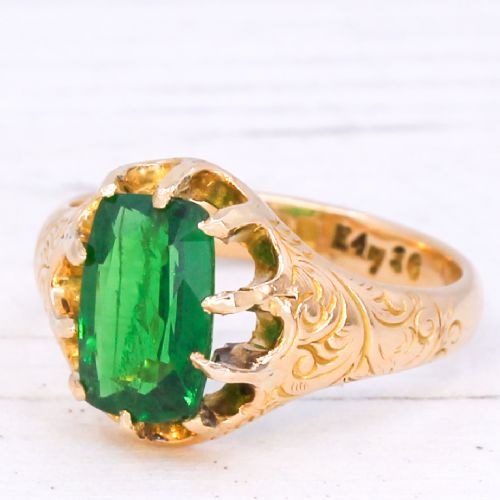
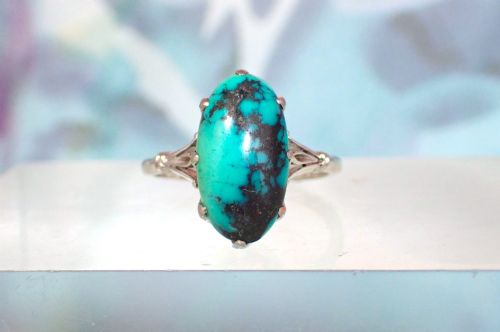
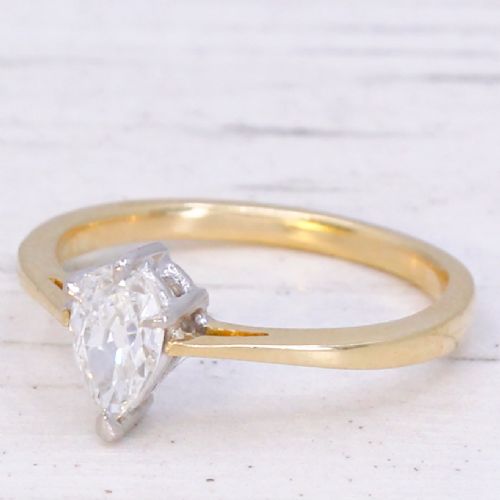
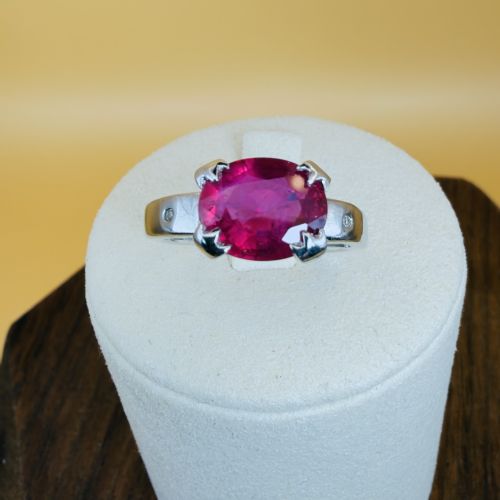
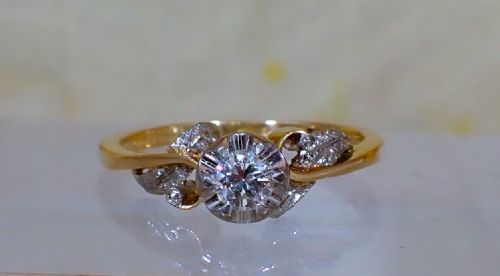
A gold band solitaire ring centres on a single prominent gemstone mounted upon a precious metal band, designed to draw the eye directly to the focal stone. These pieces span centuries of jewellery design, encompassing Georgian, Victorian, Edwardian, Art Deco and mid-century aesthetics.
The versions most commonly met on this page combine yellow gold, white gold or platinum settings with diamonds, sapphires, rubies or garnets. Their forms range from delicate antique mountings to heavier twentieth-century designs created for everyday wear.
How they were made
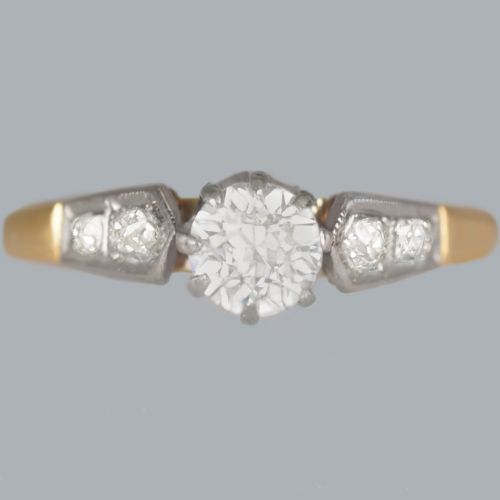
Craftsmen utilised traditional hand-working techniques to shape precious metals including yellow gold, rose gold, white gold and platinum into secure bands and bezels or prong settings. Stones were cut by hand, resulting in characteristic antique cuts such as old European, old mine, and old cut diamonds.
Settings often incorporated contrasting metals, pairing yellow or rose gold bands with platinum heads to enhance the brilliance of diamonds or securely hold coloured gemstones like sapphires, rubies, and emeralds.
Several rings come with secret diamond-set shoulders hiding tiny sparkling details right where the band meets your finger.
What varies in quality
Quality rests upon the skill of the lapidary in cutting the central gemstone, the purity and weight of the gold or platinum band, and the structural integrity of the setting. Superior examples display harmonious proportions between the stone and the mounting.
The distinction between standard commercial pieces and finer examples lies in the precision of the metalwork, the clarity and colour of the principal gem, and whether the mount retains its original form without modern alterations.
The Gold Band Solitaire Ring Glossary
- Solitaire
- A ring set with a single gemstone, typically a diamond.
- Old European cut
- An early form of brilliant-cut diamond popular from the late nineteenth century through the Art Deco period, featuring a small table and a high crown.
- Platinum
- A dense, durable silvery-white precious metal frequently utilised in Edwardian and Art Deco mountings to securely hold gemstones.
- Gypsy ring
- A style where the gemstone is flush-set directly into the thick metal band, popular during the Victorian era.
Gold Band Solitaire Ring: Frequently Asked Questions
How do I care for my gold band solitaire ring?
Clean your ring gently using warm water, mild washing liquid, and a soft-bristled brush to remove everyday oils and debris from beneath the setting.
Take the ring off during heavy manual tasks or contact sports to protect the metal band and prevent the central gemstone from loosening in its mount.
Can I wear an antique solitaire ring every day?
Many antique rings were built for daily wear, particularly sturdier platinum-topped gold designs from the Edwardian and Art Deco eras. Sturdier bands withstand regular use well.
Lower-carat gold or lighter Victorian settings require more mindful care, and you should check the prongs periodically with a jeweller to ensure stones remain secure.
How do I identify the period of a solitaire ring?
Examine the cut of the central diamond or gemstone, as old mine and old European cuts point directly to Victorian and Edwardian periods. Metal choices also offer strong clues.
Art Deco pieces frequently combine white gold or platinum with geometric motifs, while mid-century examples often feature heavier yellow gold bands and brilliant-cut stones.
What is the difference between old cut and brilliant cut?
Old cut diamonds were shaped by hand before modern machinery existed, resulting in smaller tables, higher crowns, and deeper pavilions that produce a softer candlelit sparkle.
Modern brilliant cut stones follow strict geometric proportions established in the twentieth century to maximise light return and fiery brilliance.