



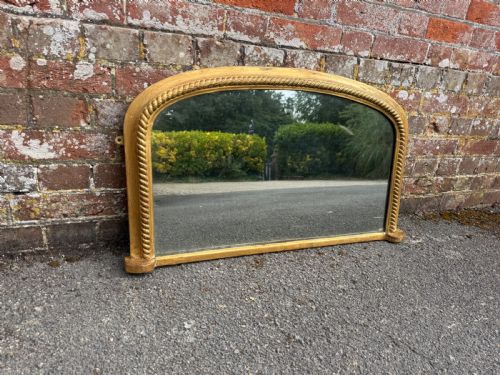
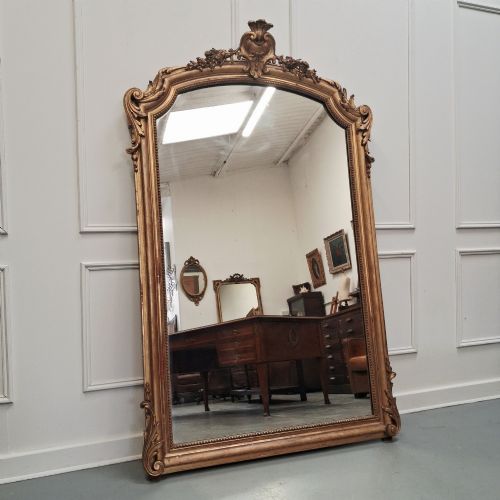
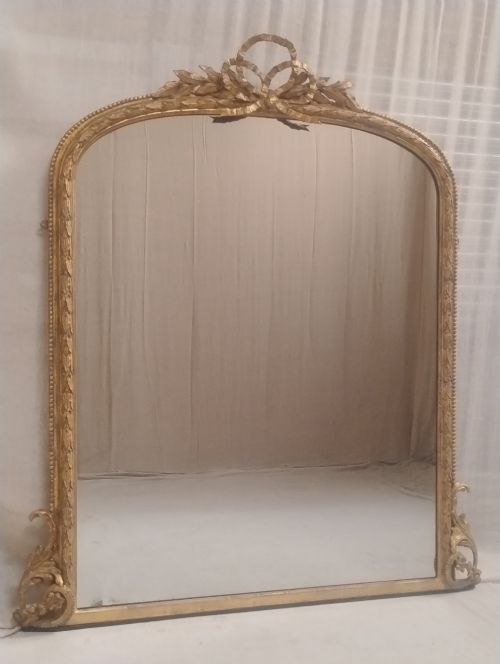
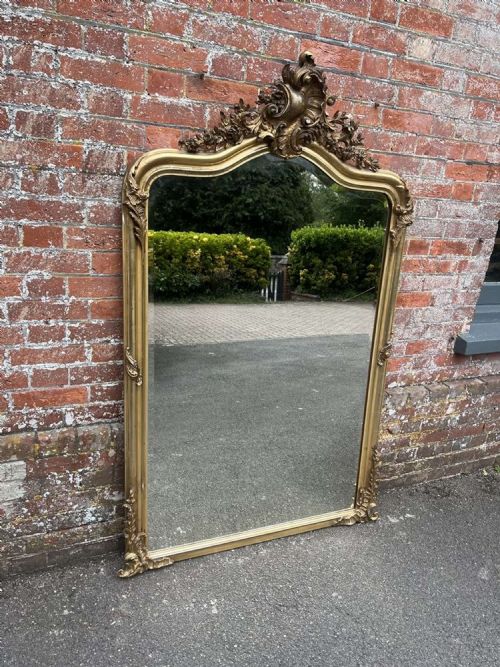
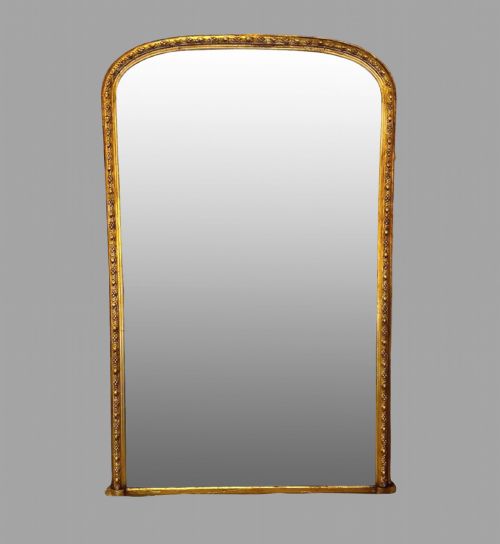
Gold Arch Overmantel Mirror
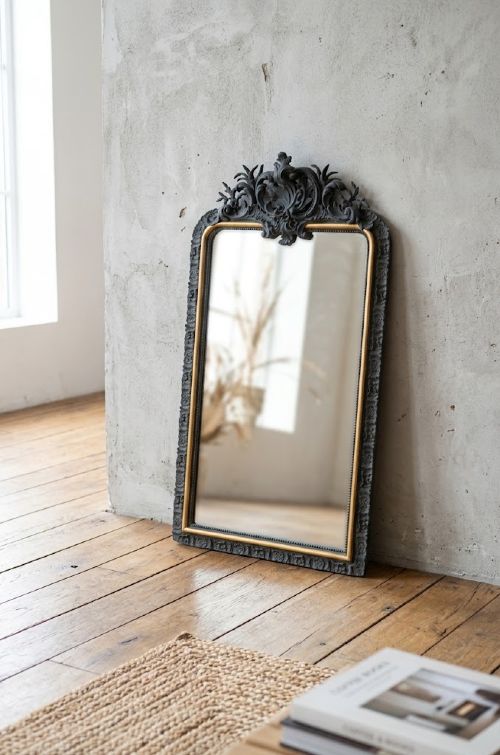
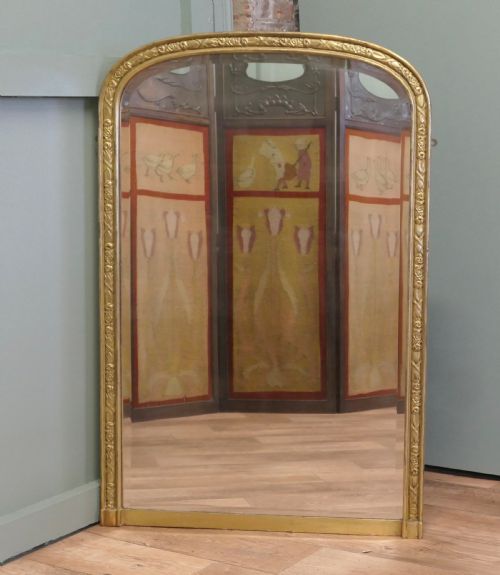
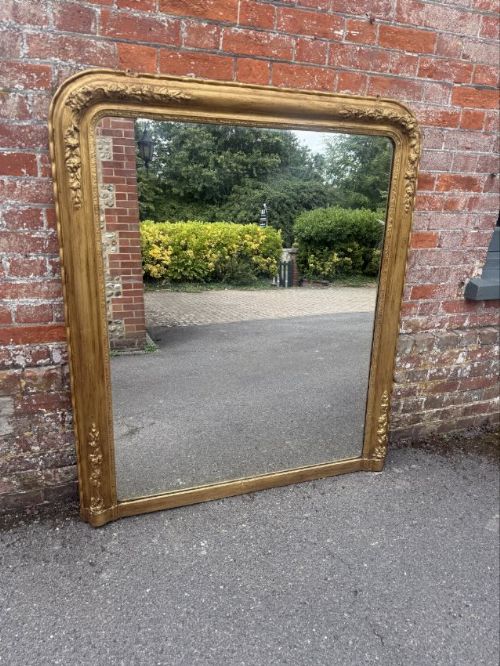
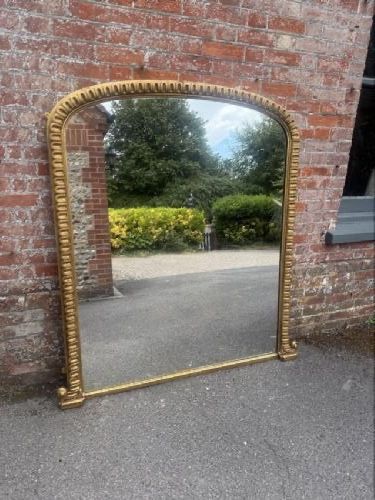
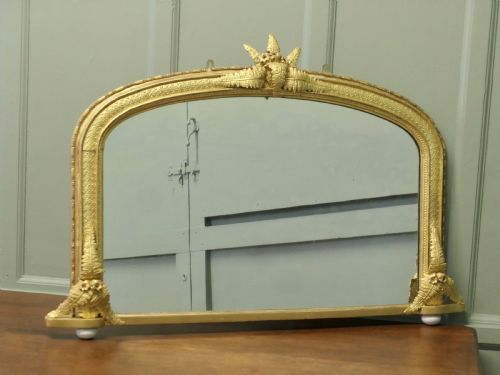
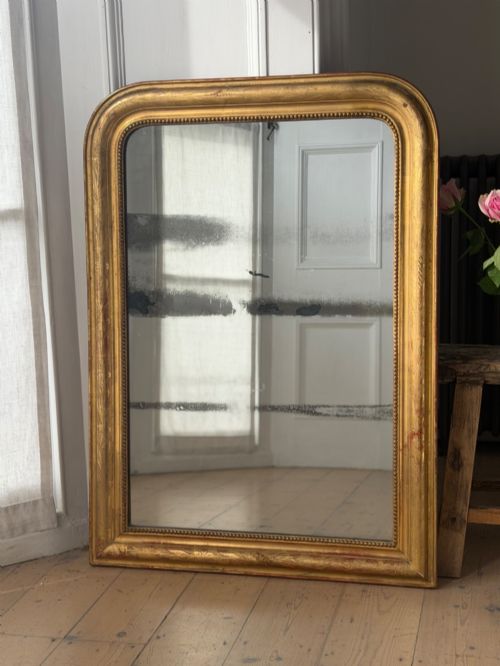
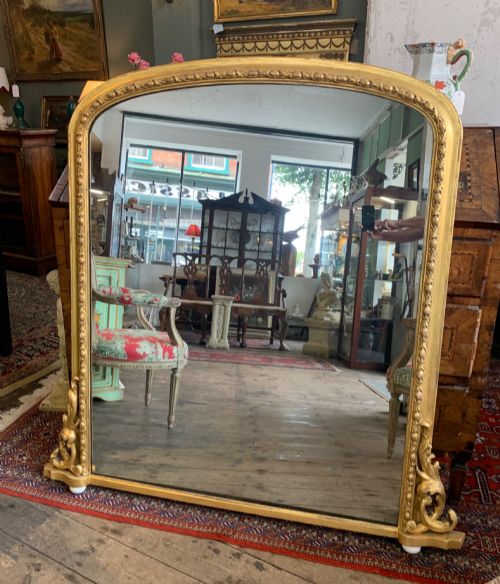
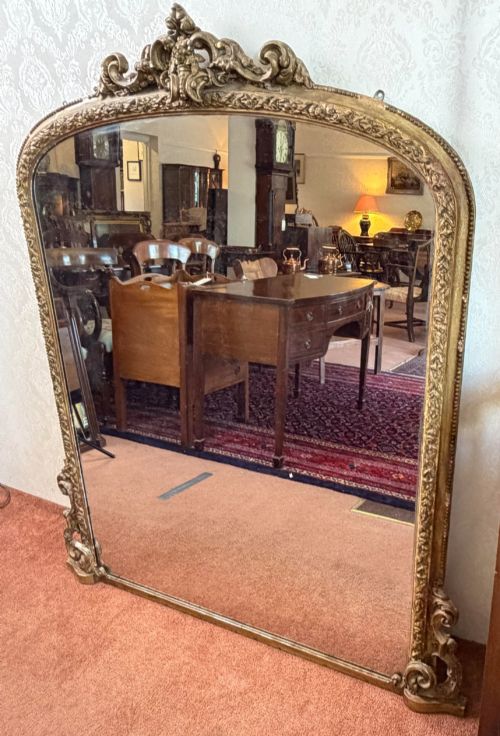
These substantial gold arch overmantel mirrors anchor a room with curved lines and gilded surfaces designed to sit above a fireplace.
Gold Arch Overmantel Mirror
A gold arch overmantel mirror provides a commanding architectural focal point, historically designed to rest upon the mantelpiece within nineteenth-century drawing rooms. The pieces appearing in this selection span the Victorian era, the Georgian period, and French provincial workshops, demonstrating considerable variety in scale.
Most examples present an arched or shaped top frame constructed to follow the horizontal sweep of a traditional chimney breast. English and French makers produced these works in significant numbers during the nineteenth century, utilising wood, gesso, and glass to achieve grand proportions.
Materials and Construction
Carved wood frameworks provide the structural foundation for these pieces, overlaid with layers of gesso to build up intricate surface ornamentation. Artisans applied gold leaf or gilt finish directly onto the prepared gesso base, often incorporating ribbed, rope twist, or tulip moulding into the timber profile.
Reflecting plates consist of heavy glass set securely into the rebated frame, occasionally exhibiting the natural foxing associated with age. Plaster details reinforce the heavier architectural crests found on the larger Victorian and French models.
The listings show pieces spanning from the eighteenth century through the Victorian era, utilising carved wood, gesso, and original mirror glass.
Distinctions in Execution
The depth and crispness of the carved wood and gesso ornamentation separate standard production from superior examples. Master carvers achieved clean lines and well-defined relief work that endured decades of atmospheric changes above burning hearths.
Original gilding retains a warmth and burnished quality that differs markedly from later overpainting. The integrity of the original mirror glass and the stability of the large wooden frames further distinguish the finer specimens.
The Gold Arch Overmantel Mirror Glossary
- Gesso
- A mixture of gypsum and binder applied to wood frames to create a smooth surface for gilding. It allows craftsmen to carve intricate relief details before applying gold leaf.
- Overmantel
- A large mirror or painting designed specifically to hang or rest on the mantel shelf above a fireplace. This placement reflects light from the hearth throughout the room.
- Giltwood
- Timber that has been coated with thin sheets of gold leaf or gold paint. The underlying wood gives the frame its structural strength while the gold provides the reflective surface finish.
- Pier Mirror
- A tall mirror designed to hang on the wall between two windows or above a pier table. These tall vertical glasses were common in nineteenth-century parlours.
- Foxing
- Age-related spots and discoloration within the silvering of mirror glass. This chemical oxidation creates dark patches that confirm the vintage origin of the plate.
Gold Arch Overmantel Mirror: Frequently Asked Questions
How do I hang a heavy overmantel mirror safely?
These substantial mirrors require professional wall anchoring directly into masonry or secure wooden studs to support the considerable combined weight of the wood, gesso, and thick glass.
Hardware must be rated for heavy loads, and the lower edge often rests securely on the mantel shelf to distribute the downward force.
What is the difference between an overmantel and a wall mirror?
An overmantel mirror is specifically proportioned to span the width of a fireplace breast, usually featuring a horizontal or arched format designed to complement a mantel shelf.
Standard wall mirrors generally follow vertical formats and lack the specific architectural proportions required for placement above a hearth.
Can I place these mirrors in modern interiors?
The grand scale and reflective qualities of nineteenth-century arched mirrors allow them to function effectively in contemporary spaces by bouncing natural light around the room.
Resting the piece on a mantel or securing it low on a plain wall creates a strong focal point that balances minimalist modern furniture.