

Gold and Amethyst
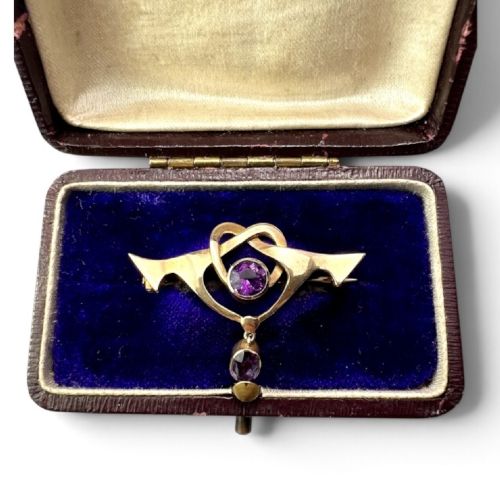
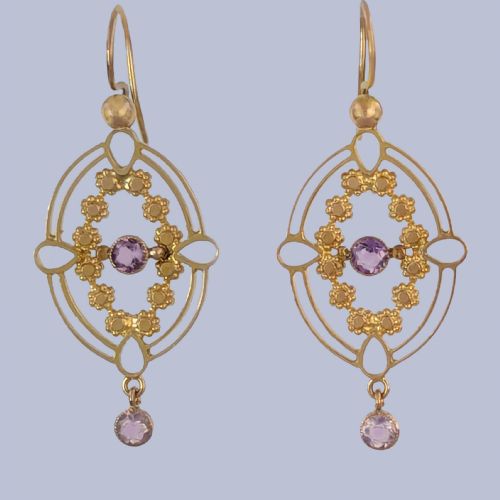
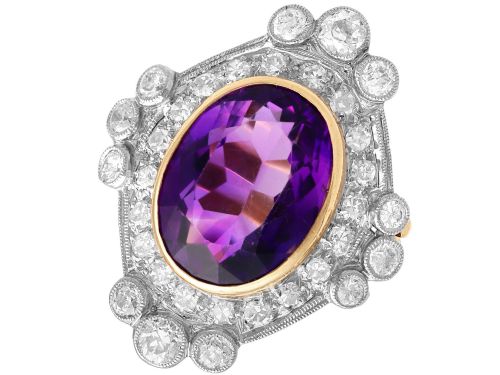
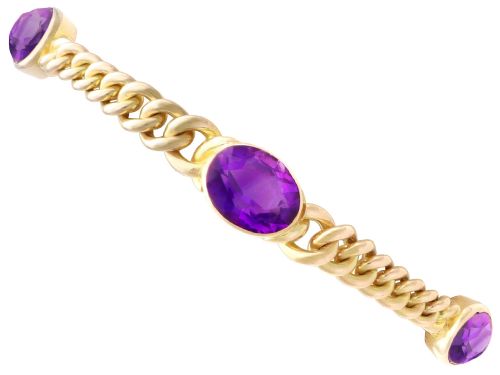
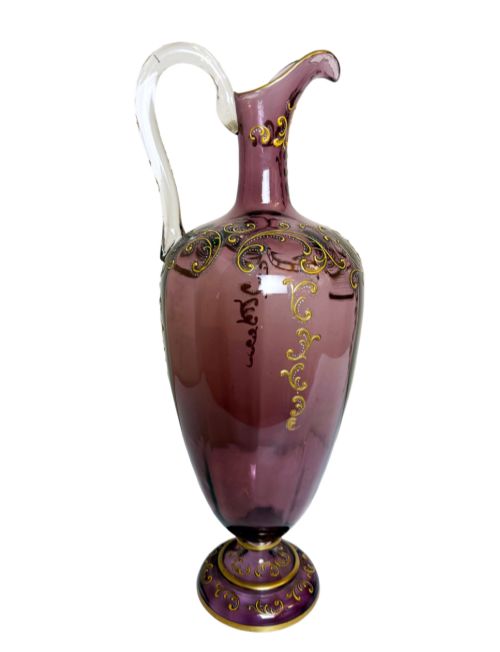
When you search for gold and amethyst, you encounter pieces that combine purple quartz with yellow, rose or white gold across centuries of design.
Gold and Amethyst
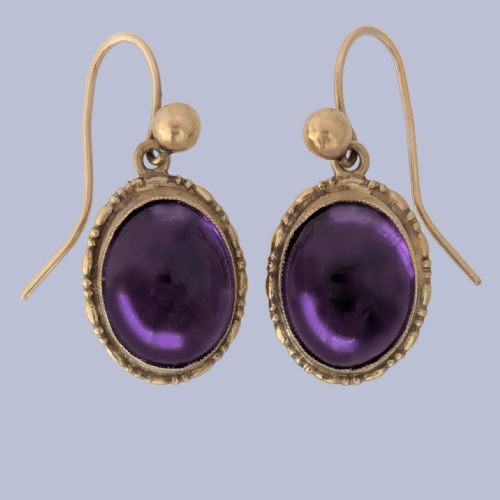
When you search for gold and amethyst, you find a variety of jewellery forms including rings, pendants, earrings, necklaces, brooches and bracelets. These items range from Georgian and Victorian clusters to Edwardian lavaliers, Art Nouveau work, Art Deco pieces, and mid-century designs.
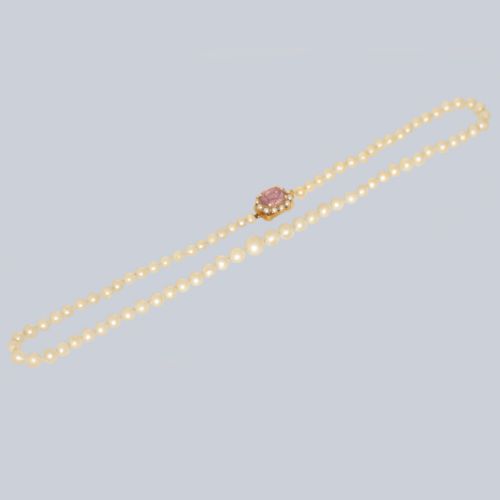
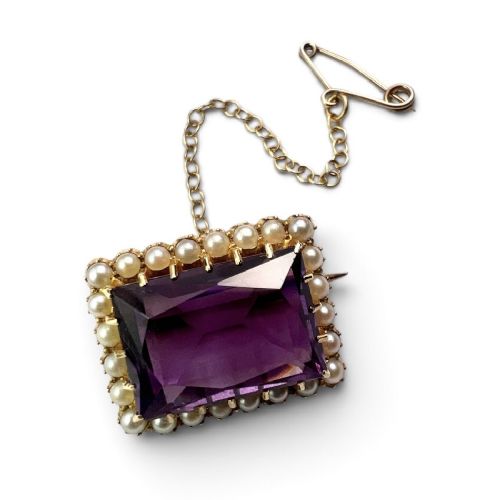
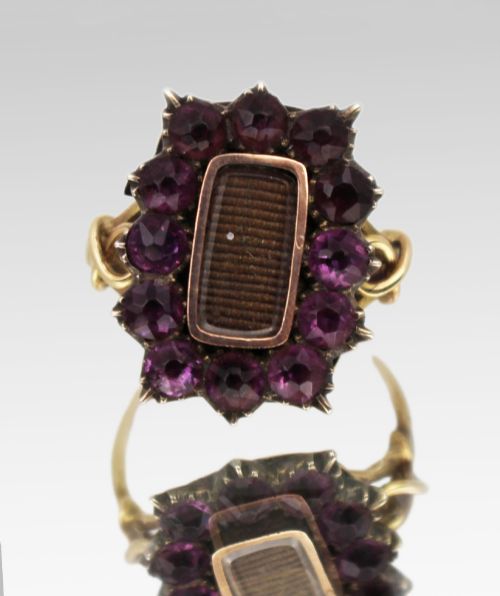
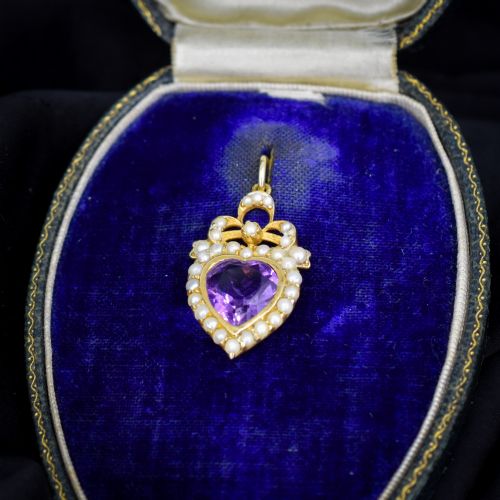
The most common versions on this page are Edwardian and Victorian pendants, brooches and rings that pair purple quartz with seed pearls or diamonds in nine-carat or fifteen-carat yellow gold. You also meet later vintage cocktail rings and drop earrings set in marked gold from the nineteen-sixties and nineteen-seventies.
How they were made
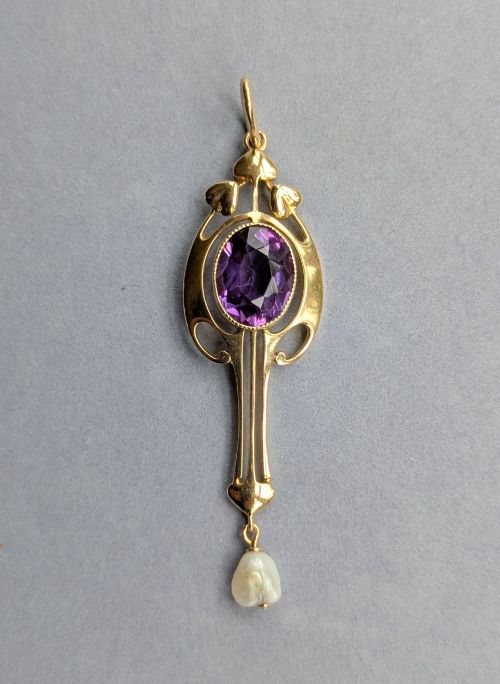
Makers set amethysts into nine-carat, fifteen-carat, fourteen-carat and eighteen-carat yellow, rose or white gold, often pairing the central purple stones with seed pearls, cultured pearls or old-cut diamonds. Metalwork techniques span openwork floral designs, hollow-formed lavaliers, and chased or engraved settings.
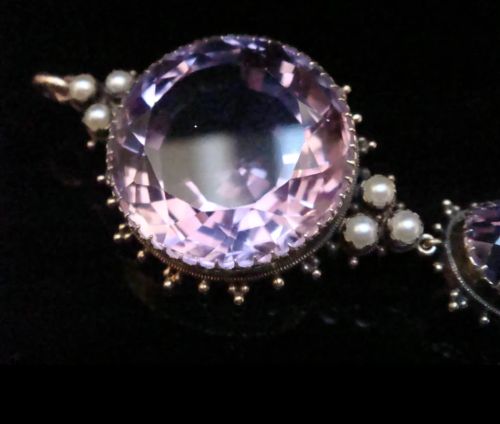
Articulated drops, fringe necklaces and cluster rings rely on secure claw settings, bezel mounts or pinched collets to hold large faceted and cabochon quartz stones. Craftsmen utilised hallmarks, maker stamps and hand-engraved details to finish pieces during the Edwardian and Victorian eras.
Gold and Amethyst Retail Price Guide 2026
Typical asking prices for gold and amethyst among the pieces listed under this phrase on Sellingantiques today, from the lower quarter to the upper quarter. They describe what is for sale here now, not the wider market.
Listings feature items spanning the Georgian era, Victorian period, Edwardian years, Art Deco movement, and mid-century up to the nineteen-seventies.
What varies in quality
The distinction between standard commercial output and finer workshop pieces rests on the depth of the amethyst's purple saturation, the precision of stone-cutting, and the weight of the gold used in the mount. Substantial fifteen-carat or eighteen-carat gold settings carry a heavier presence than thin nine-carat stampings.
Design complexity also separates pieces, with delicate openwork wirework, matched seed pearls and signed maker marks indicating superior craft compared to simpler mass-produced mounts.
Murrle Bennett·Deakin & Francis
The Gold and Amethyst Glossary
- Lavalier
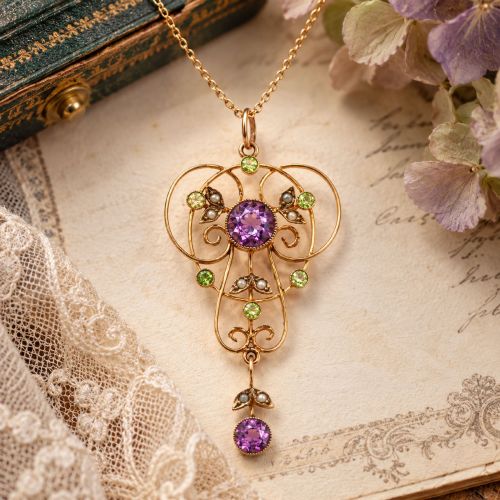
- A pendant featuring a suspended drop stone swinging below a main motif, popular during the Edwardian period. These items typically hang from fine gold chains.
- Seed pearl
- A very small, naturally formed or cultured pearl used in clusters and floral halos around central gemstones. They add a delicate white contrast to deep purple quartz.
- Old-cut diamond
- A hand-faceted diamond shape typical of antique jewellery predating modern brilliant cuts. These stones display smaller tables and higher crowns.
- Guilloche
- An engraved geometric pattern worked into metal beneath a translucent layer of enamel. This technique appears on select Edwardian lockets and pendants.
- Cabochon
- A gemstone polished to a smooth, rounded dome rather than faceted with flat planes. This cut highlights the natural colour distribution of the quartz.
Gold and Amethyst: Frequently Asked Questions
How do I care for antique gold and amethyst jewellery?
Amethyst is a durable quartz but can scratch if stored alongside harder gems like diamonds. Clean pieces gently using warm soapy water and a soft brush, avoiding ultrasonic cleaners.
Store items individually in padded boxes or pouches to protect the gold settings and prevent surface wear on the stones over time.
Are these pieces suitable for daily wear?
Many Victorian and Edwardian rings and pendants stand up well to regular use, provided the claws holding the amethyst remain secure. Lighter stamped items or hollow Victorian brooches require more careful handling.
Check older settings periodically to ensure the prongs have not thinned or shifted away from the girdle of the stone.
How do I distinguish Edwardian from Victorian styles?
Victorian pieces often feature heavier gold work, closed-back settings in early examples, and sentimental motifs like mourning themes or rich fifteen-carat yellow gold clusters. They convey a heavier, grounded aesthetic.
Edwardian designs tend towards lighter openwork, garland motifs, platinum-topped elements, and delicate combinations of amethysts with seed pearls and diamonds.
What is a Suffragette piece?
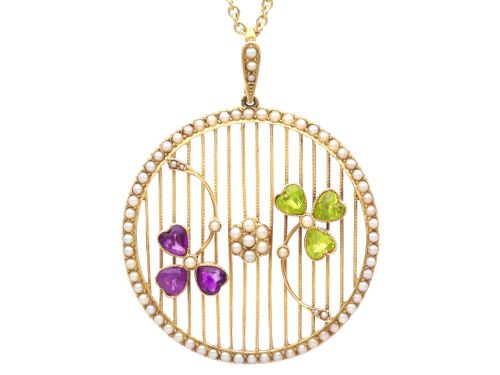
Suffragette jewellery typically incorporates a distinct colour combination of green peridot, white seed pearls and purple amethyst, representing give, freedom and dignity. These pieces date primarily from the early twentieth century.
They appear as rings, lavaliers and brooches worn by supporters of the women's suffrage movement as a subtle political statement.