




Glazed Specimen Case
These glazed specimen case examples bring natural history and curiosities into the home through fitted glass and timber frames.
Glazed Specimen Case
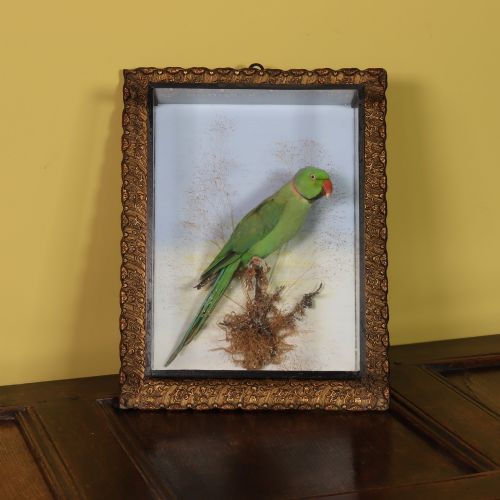
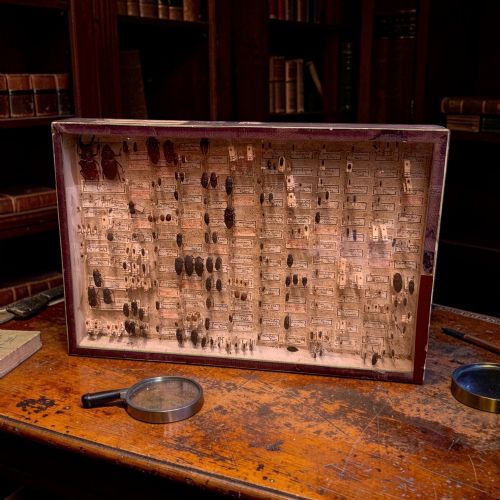
A glazed specimen case serves to protect and display delicate natural history items such as birds, fish, insects, feathers and shells. The versions met on this page range from Victorian table top display cabinets and taxidermy wall cases to cedar collectors' cabinets from the nineteenth and early twentieth centuries.
Makers and taxidermists structured these enclosures using wood and glass to keep dust and handling away from fragile biological material. Styles stretch from Victorian natural history and maritime industrial pieces to Anglo-Indian designs.
How they were made
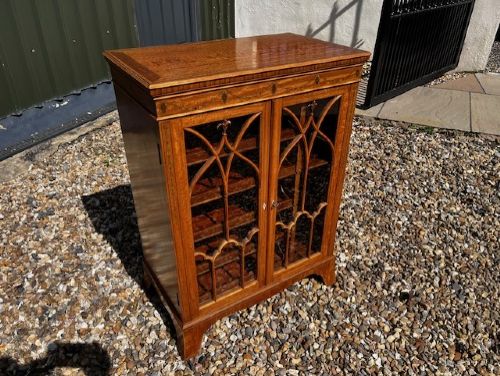
Makers constructed these enclosures primarily from timbers such as mahogany, satinwood, burr walnut and cedar, joined with glass panels to permit clear viewing from the outside. Brass hardware such as locks and hinges secured the access points while framing the glazed viewing areas.
Internal layouts incorporated painted backgrounds, paper linings and fitted brackets to support preserved specimens like fish, jays, parakeets and shells securely within the wooden framework.
The listings on this site span the Victorian, Edwardian and early twentieth century periods, featuring glass, wood, brass, paper and feathers.
What varies in quality
Quality depends upon the selection of timber veneers, such as burr walnut or satinwood, and the precision of marquetry inlay work on the cabinet exterior. Finer examples display superior joinery, heavier brass fittings and well-preserved taxidermy mounting by known practitioners.
The clarity of the glass, the tightness of the frame joints and the complexity of internal paper or painted backgrounds distinguish ordinary utility containers from superior display pieces.
William Bazeley And Sons·W.F. Homer London·Cooper And Sons
The Glazed Specimen Case Glossary
- Taxidermy
- The art of preparing, stuffing, and mounting the skins of animals for display. Examples here preserve birds, fish and feathers inside glazed wooden frames.
- Marquetry
- Decorative inlay work using strips of wood to form intricate patterns on furniture surfaces. This technique appears on late Victorian collectors cabinets.
- Burr walnut
- A highly figured timber showing swirling grain patterns caused by tree growths. Cabinet makers utilised this wood for decorative fronts and table top cases.
- Collector cabinet
- A specialised piece of furniture fitted with multiple small drawers or shelves for organising specimens. These range from mahogany shell cabinets to cedar Indian-style pieces.
Glazed Specimen Case: Frequently Asked Questions
How do I clean a glazed specimen case?
Use a soft, dry cloth to remove dust from the exterior wooden frame and glass panels. Avoid applying liquid cleaners directly to the glass to prevent moisture seeping into older timber joints.
Keep the interior sealed and undisturbed to protect fragile taxidermy specimens or paper linings from accidental damage during maintenance.
Where should I place a display cabinet?
Position the piece away from direct sunlight and damp environments to protect nineteenth-century wood veneers and preserved feathers. Stable indoor temperatures prevent the timber from warping over time.
Table top models require a sturdy surface with enough surrounding space for safe viewing of the enclosed items.
Can I open the case to touch specimens?
Most antique enclosures are designed to remain sealed to preserve the delicate biological materials inside. Opening them unnecessarily exposes old taxidermy and paper elements to humidity and handling.
Many examples feature fitted locks, such as Admiralty pattern brass mechanisms, intended to secure the contents.
How are Victorian and Edwardian cases told apart?
Victorian pieces often display heavier timber construction, rich burr walnut or mahogany grains, and ornate detailing like marquetry inlay. Edwardian examples tend towards simpler lines reflecting changing aesthetic preferences.
Makers' labels or stamps inside the frame often help narrow down the precise production era.