
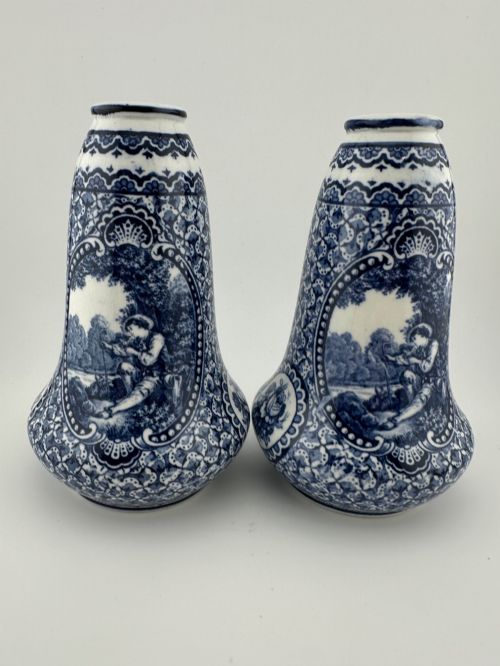
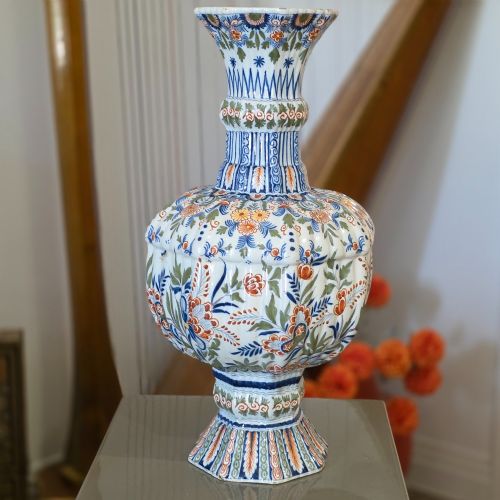
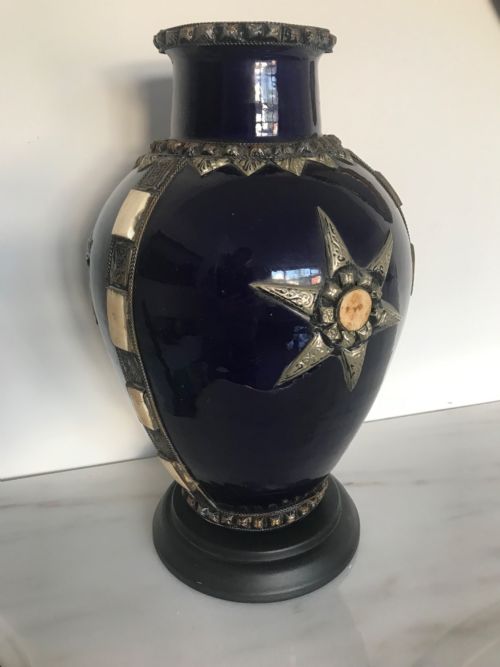
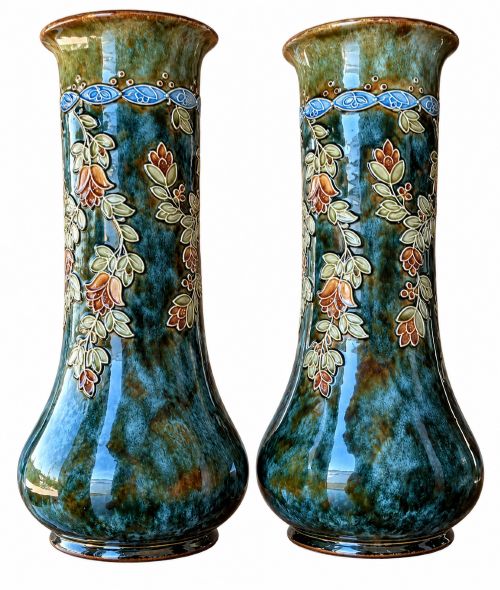
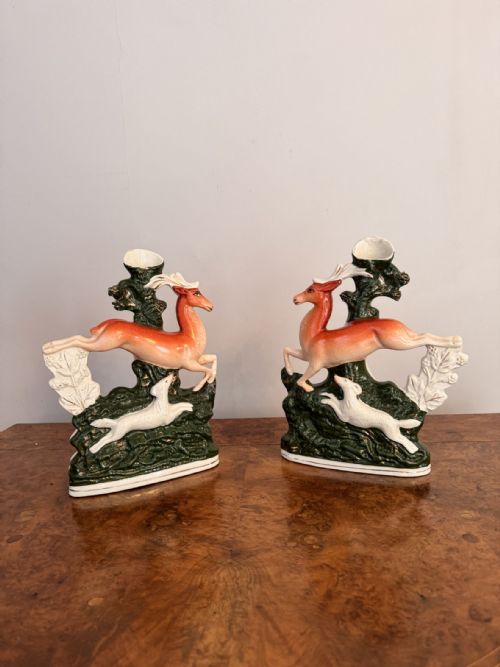
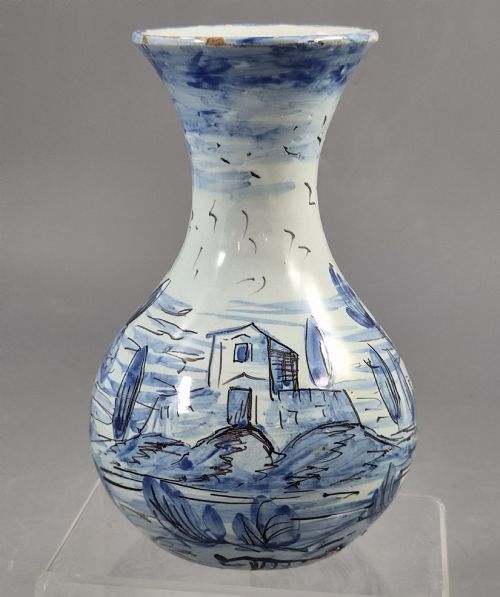
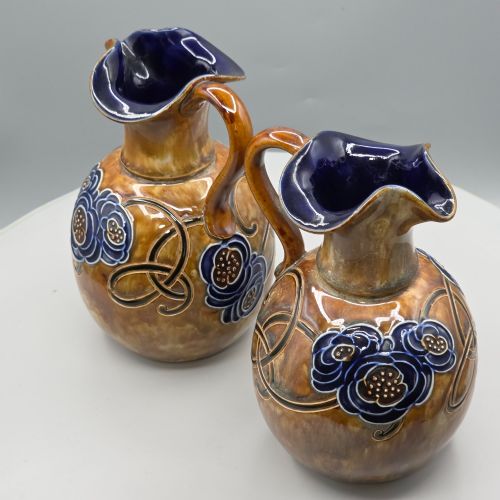
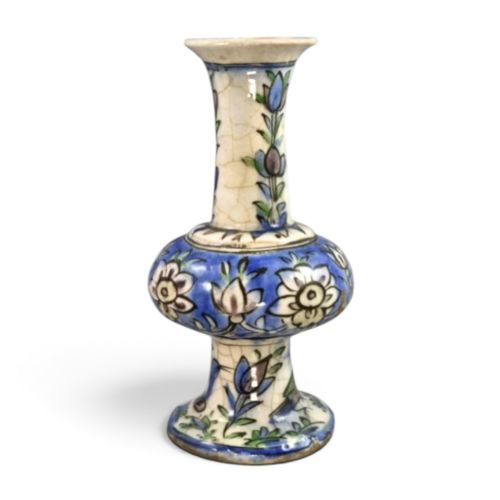
Glazed Pottery Vase
When you handle a glazed pottery vase, you hold centuries of diverse firing traditions, from Staffordshire figures to early Chinese porcelain.
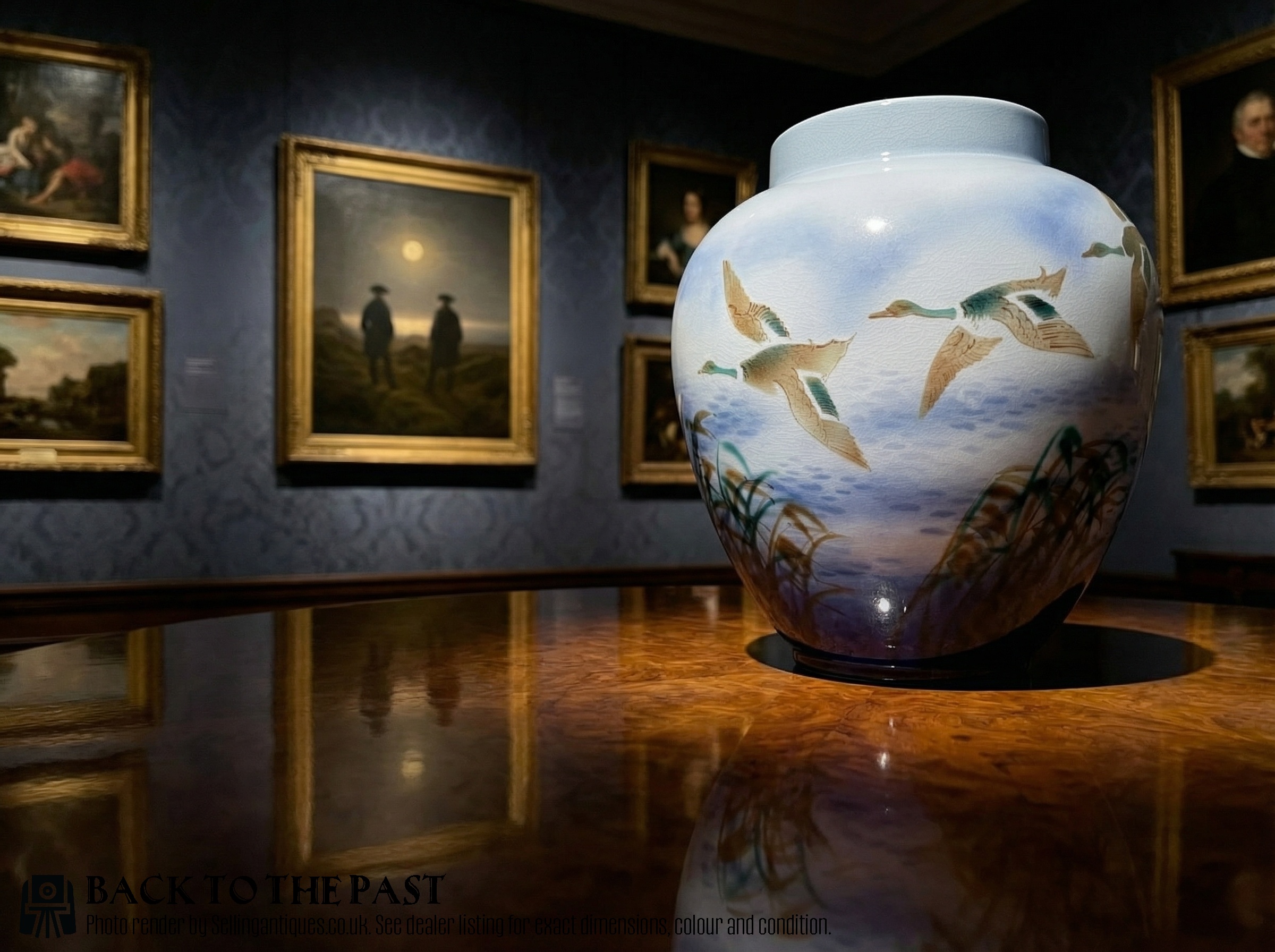
Glazed Pottery Vase
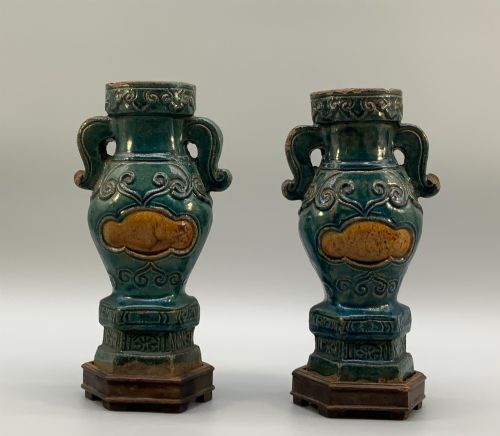
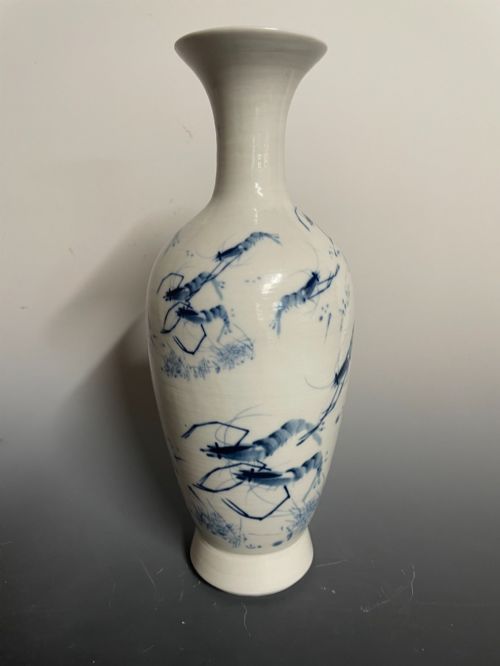
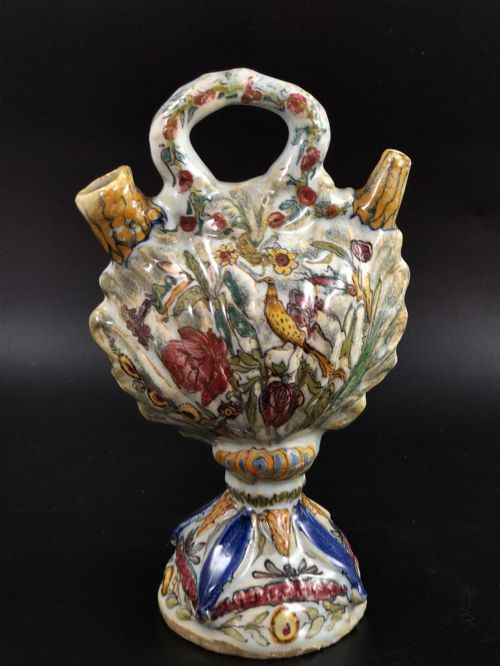
A glazed pottery vase encompasses vessels shaped from earthenware, stoneware, and ceramic, coated in protective or decorative liquid glass layers. These pieces span centuries of production, appearing in forms ranging from tall jars and jugs to spill vases and pilgrim flasks.
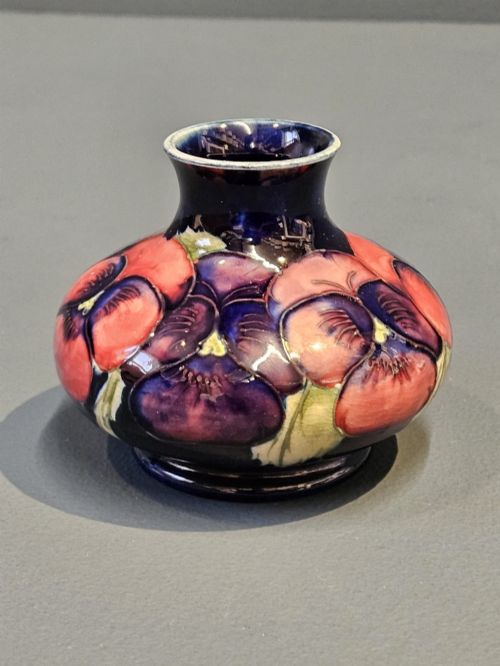
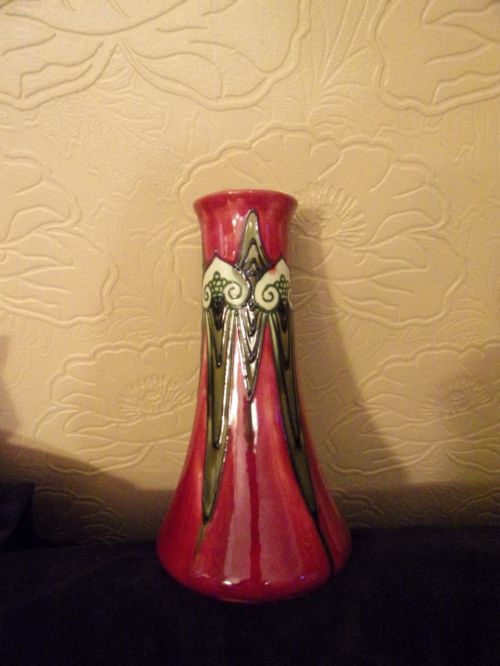
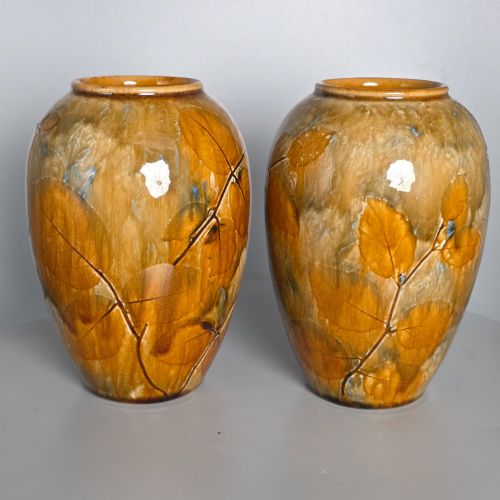
The versions most commonly met on this page date from the nineteenth and early twentieth centuries, reflecting the widespread popularity of Art Nouveau, Arts and Crafts, and regional European revivals. Makers of these eras utilised traditional earthenware and heavy stoneware bodies, finished with vibrant coloured glazes or intricate hand-painted patterns.
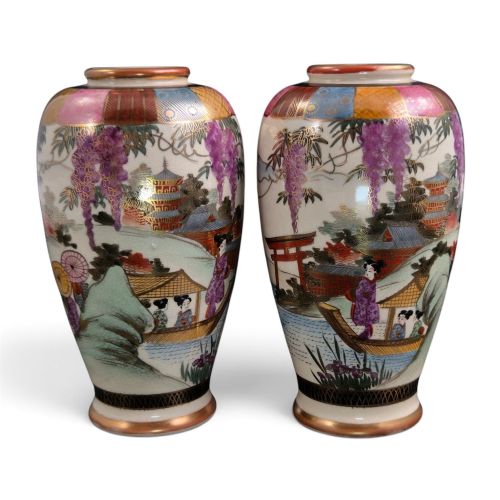
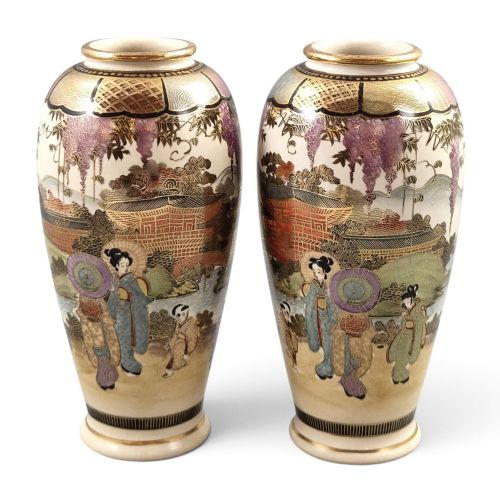
Collectors encounter diverse cultural origins within these listings, including English salt-glazed saltware, Japanese Satsuma wares, French faience, and Persian Qajar ceramics. Each region brought distinct regional clays and kiln techniques to the simple domestic vase form.
How they were made
Potters shaped these vessels using local clays such as terracotta, earthenware, and heavy stoneware, often throwing them on a wheel or forming them in moulds before drying and firing. The raw body required an initial biscuit firing to harden the clay before the application of liquid mineral coatings.
Glazes were applied by dipping, pouring, or painting, utilising metallic oxides like cobalt, copper, and iron to achieve colours during a second, hotter kiln firing. Techniques such as tube-lining, enamel painting, and salt glazing added texture and permanence to the finished surface.
Listings feature pieces spanning the 18th Century through to the 1920s, employing earthenware, stoneware, and terracotta.
What varies in quality
The distinction between standard commercial output and superior studio work lies in the control of the kiln temperature and the precision of the glaze chemistry. High-end pieces display even colour distribution, controlled flow in flambé or lustre effects, and crisp definition in moulded or tube-lined designs.
Artisanal execution separates exceptional examples from mass production, evident in the delicacy of hand-painted motifs and the integration of bronze mounts or gold leaf detailing. The weight of the ceramic body and the depth of the glaze layer reveal the maker's technical mastery.
Royal Doulton·Moorcroft·C.J.C. Bailey Fulham·Cantagalli·Fourmaintraux-Courquin·Inoue Ryosai·Zsolnay Pecs
The Glazed Pottery Vase Glossary
- Earthenware
- A porous pottery body fired at lower temperatures, requiring a vitreous glaze to hold liquids. It forms the basis of many traditional European and Staffordshire vessels.
- Stoneware
- A dense, impermeable ceramic fired at high temperatures until the clay body vitrifies naturally. It resists liquid absorption even without internal glazing.
- Flambé glaze
- A streaked or mottled glaze achieved by introducing fluctuating oxygen levels in the kiln, creating rich red and purple reduction effects. It became popular during the late nineteenth century.
- Tube-lining
- A decorative technique where liquid clay is squeezed through a nozzle onto the vessel surface to outline patterns before glazing. This method creates raised borders that catch and pool the coloured glazes.
- Majolica
- A type of earthenware decorated with opaque tin-lead glazes and painted with metallic oxide colours. It has a bright, glossy finish common in Italian and revival styles.
Glazed Pottery Vase: Frequently Asked Questions
How do I clean a glazed ceramic vase?
Wash the vessel gently by hand using lukewarm water and a mild detergent, avoiding harsh scouring pads that might scratch the glaze surface. Dry it thoroughly with a soft cloth to preserve the finish.
Take extra care with pieces featuring gold leaf, enamel work, or metal mounts, as prolonged soaking can damage delicate decorative elements. Older earthenware bodies can be porous underneath chipped glaze, so keep moisture away from bare clay edges.
Can these antique vases hold water safely?
Many stoneware and fully glazed ceramic vases can hold water without issue, provided the interior glaze remains intact and free from hairline cracks. Stoneware and porcelain bodies are naturally dense and non-porous.
Earthenware and terracotta pieces, however, often remain slightly porous and may seep moisture over time. Place a small glass liner inside older or delicate vessels if you wish to display fresh flowers.
What is the difference between earthenware and stoneware?
Earthenware is fired at lower kiln temperatures, resulting in a softer, porous clay body that requires an all-over glaze to become waterproof. It forms the foundation for much traditional decorative pottery and majolica.
Stoneware is fired much hotter until the clay vitrifies and fuses into a hard, dense, waterproof material. This makes stoneware heavier, more durable, and naturally resistant to liquids even without interior glazing.
How can I tell the period of a pottery vase?
Examine the base for maker marks, impressed stamps, or painted signatures that correspond to known factory operating dates. Stylistic clues such as Art Nouveau floral lines or Victorian revival motifs also help narrow down the decade of production.
The nature of the clay, the type of glaze chemistry utilised, and manufacturing scars like kiln stilt marks provide further physical evidence of age. Comparing these details with documented examples in the archive confirms the likely era.