
Glazed Pottery Jar
When you search for a glazed pottery jar, you encounter centuries of practical vessels and decorative containers finished with vitreous coatings.
Glazed Pottery Jar
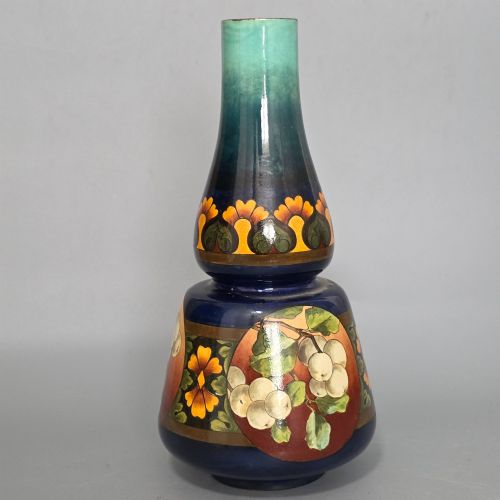
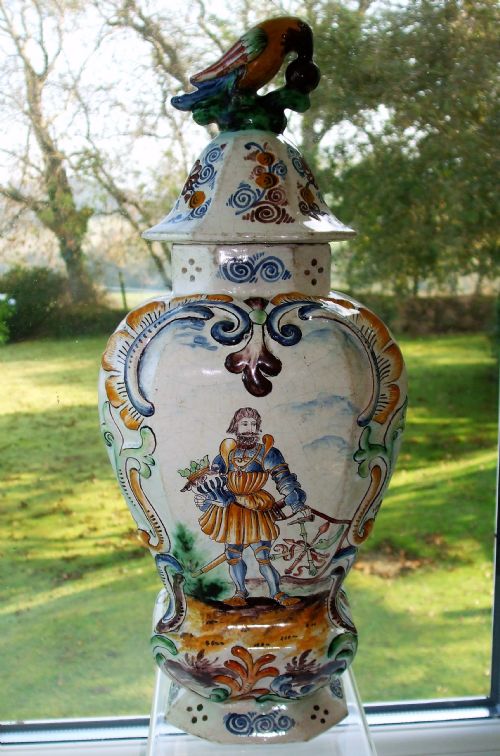
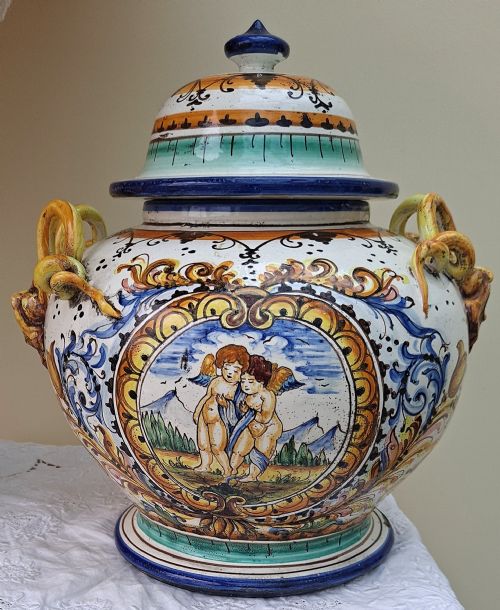
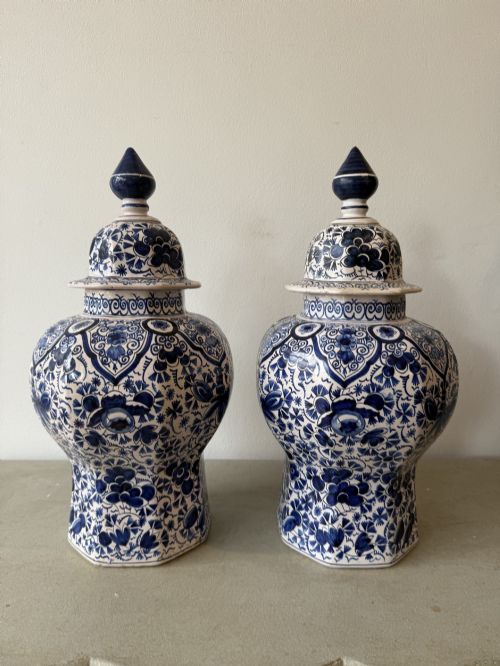
A glazed pottery jar is a vessel formed from fired clay and sealed with a glassy coating, appearing in forms such as apothecary jars, confit pots, and storage containers. These pieces cross multiple periods including the 17th, 18th, and 19th centuries, originating from European, Asian, and Middle Eastern traditions.
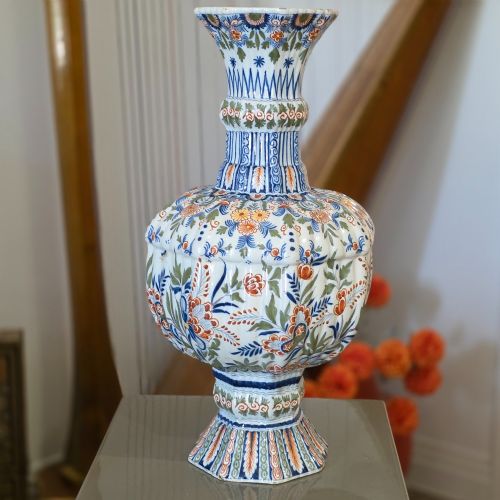
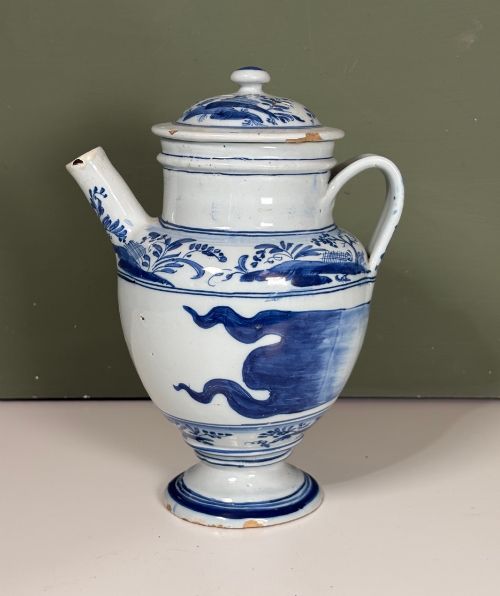
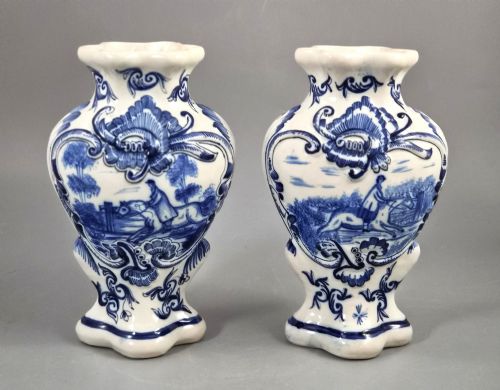
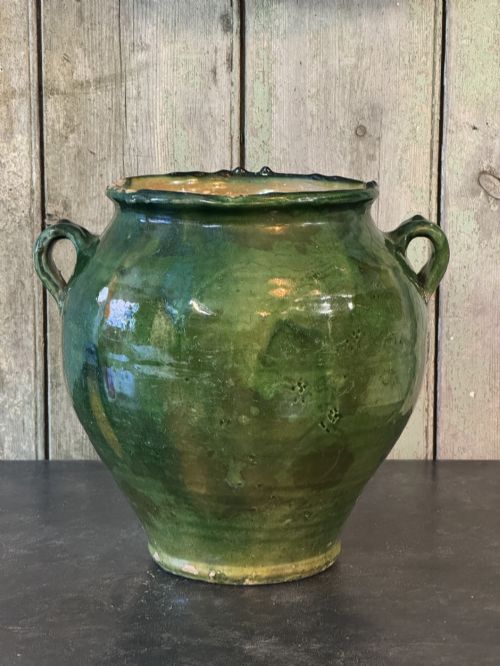
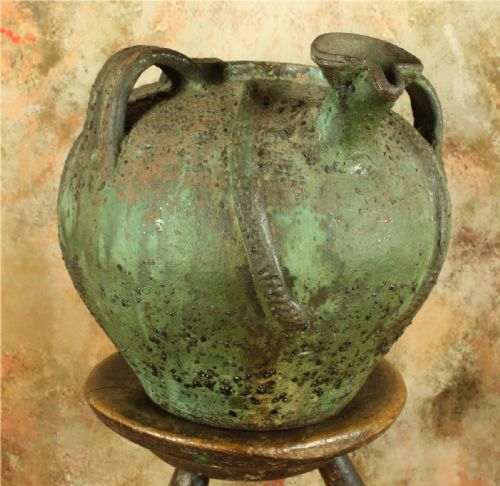
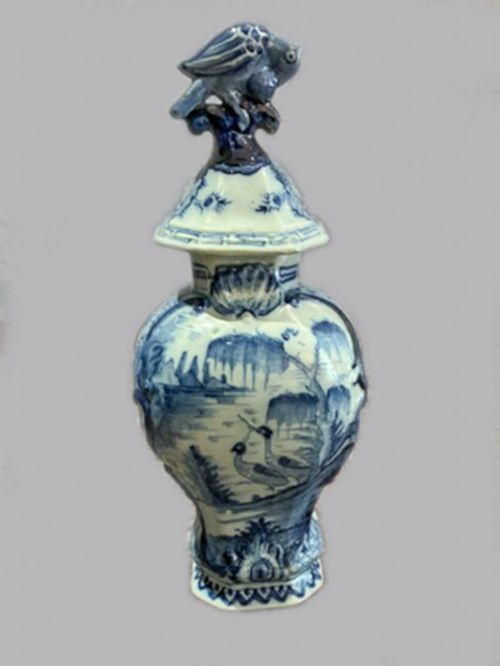
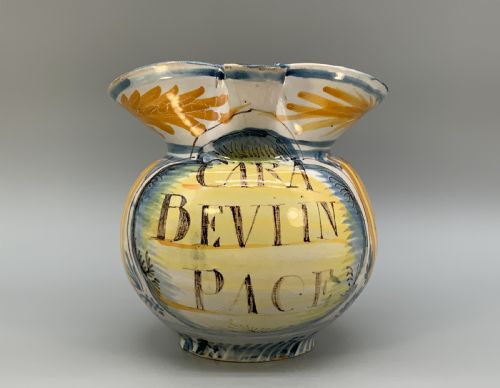
The versions most commonly met on this page include Dutch Delftware, French terracotta confit pots, and Italian majolica pharmacy vessels. Such objects combine utilitarian storage functions with refined decorative painting, often featuring blue and white or polychrome motifs.
How they were made
Potters shaped earthenware, terracotta, or ceramic bodies either by hand on a wheel or within moulds before applying specialised surface treatments. Tin glaze, salt glaze, and lead-based coatings provided both an impermeable seal and a smooth canvas for subsequent pigment application.
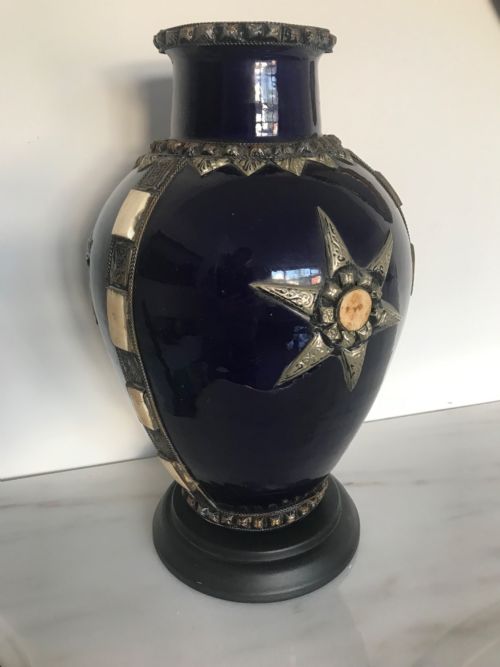
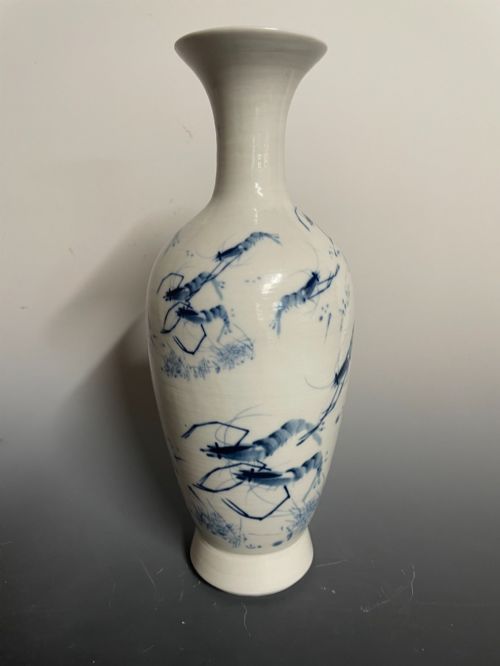
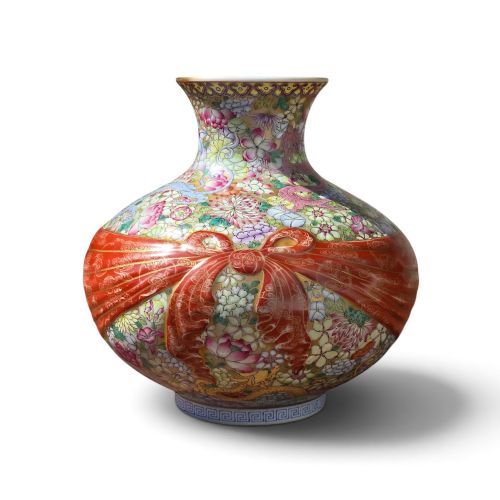
Pigments including cobalt blue, manganese, and iron-red were hand-painted onto the unfired or tin-glazed surface before a high-temperature kiln firing fused the colours permanently. Additional embellishments such as gold leaf, enamel, or metallic mounts occasionally completed the construction.
Several ceramic dogs keep watch over tobacco supplies from inside their glazed pottery jars.
What varies in quality
The calibre of a glazed pottery jar depends upon the precision of the potter's throw and the finesse of the hand-painted decoration. Crispness in botanical, avian, or figural motifs indicates a skilled hand operating within established ceramic workshops.
Material integrity and the uniformity of the glaze application also distinguish finer examples from standard utilitarian wares. Smooth vitrification without excessive crawling or pooling demonstrates superior kiln control and chemical composition.
Fourmaintraux Courquin·Alice Euphemia Thatcher·Gallilleo Chini
The Glazed Pottery Jar Glossary
- Albarello
- A type of majolica pharmacy jar used for dry drugs and ointments, typically cylindrical with an inward-curving waist for easy gripping.
- Confit pot
- A French earthenware storage vessel featuring a fully or partially glazed body, historically utilised for preserving meats or fats.
- Tin glaze
- An opaque white enamel glaze opacified with tin oxide, providing a bright background for painted decoration on earthenware.
- Majolica
- Tin-glazed earthenware produced in Italy and other European regions, celebrated for its colourful polychrome or blue and white designs.
- Pratt ware
- A type of English earthenware characterised by underglaze polychrome relief decoration, frequently produced in the 18th and 19th centuries.
Glazed Pottery Jar: Frequently Asked Questions
What were glazed pottery jars used for?
These vessels primarily served practical domestic and apothecary functions, storing preserved foods, oils, ointments, and dry drugs. Their sealed surfaces prevented moisture absorption and kept contents fresh over long periods.
Over time, many of these containers transitioned from utilitarian pantry items into purely decorative display pieces. Their painted surfaces and sculptural forms made them desirable ornaments for period interiors.
How do I care for a ceramic jar?
Dust these pieces gently with a dry, soft cloth to prevent particulate accumulation on the glaze or painted surfaces. Avoid using harsh chemical cleaners, abrasive sponges, or immersion in water.
Keep pottery jars away from areas with rapid temperature fluctuations or direct, intense sunlight. Such conditions can stress historic earthenware bodies and degrade fragile surface decorations.
How can I tell different periods apart?
Distinguishing periods involves examining the clay body, glaze chemistry, and painting style characteristic of a region's output. Earlier 17th and 18th-century pieces often display heavier earthenware bodies with tin glazes and hand-mixed mineral pigments.
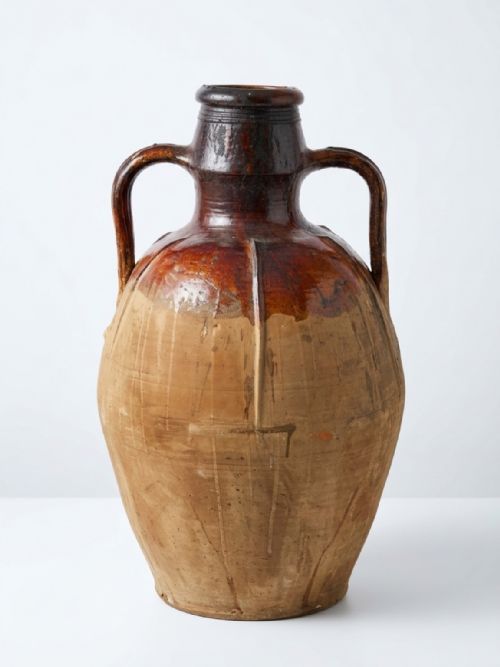
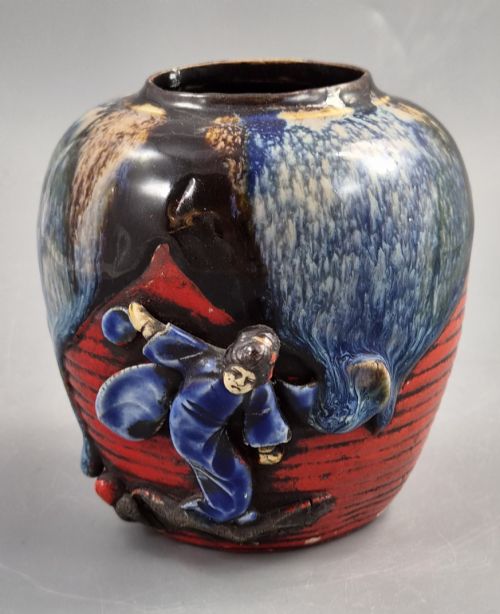
Later 19th-century and turn-of-the-century examples frequently incorporate industrial standardisation, varied glaze techniques like salt-glazing or dribble glazes, and distinct stylistic revivals. Comparing motif execution against documented workshop practices clarifies dating.
Are these jars waterproof?
Many historic glazed pottery jars retain an impermeable vitreous coating that successfully holds water for display purposes. However, micro-fissures in ancient earthenware bodies or crazing in the glaze can develop over centuries.
It is advisable to test a jar with a small amount of water before placing it on delicate furniture. Using a discreet internal container ensures safety for fragile antique ceramics.