


Glazed Pottery Dog
Glazed pottery dog figures bring character to a mantelpiece, ranging from Victorian spaniels to Chinese Foo dogs.
Glazed Pottery Dog
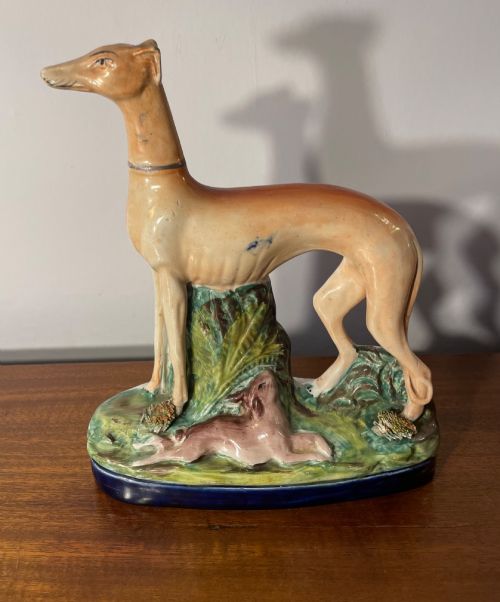
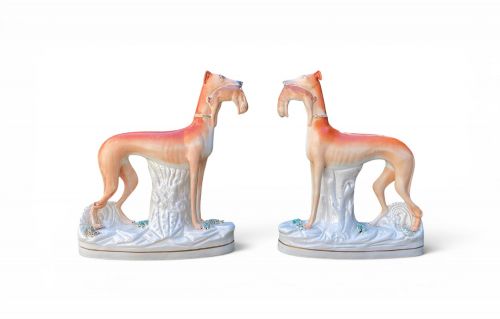
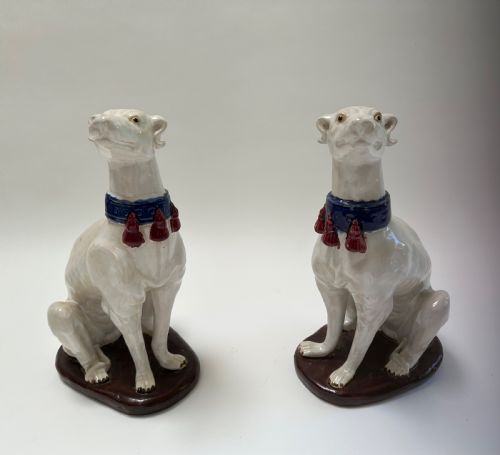
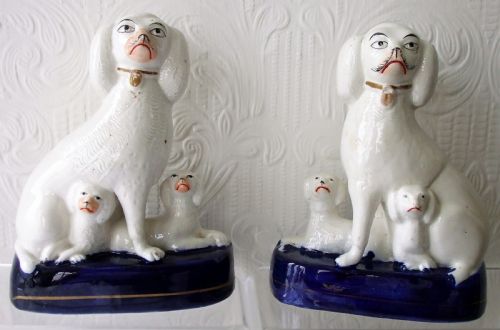
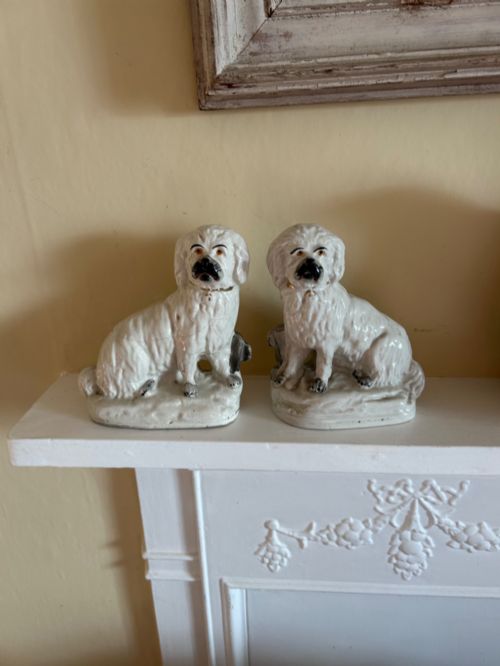
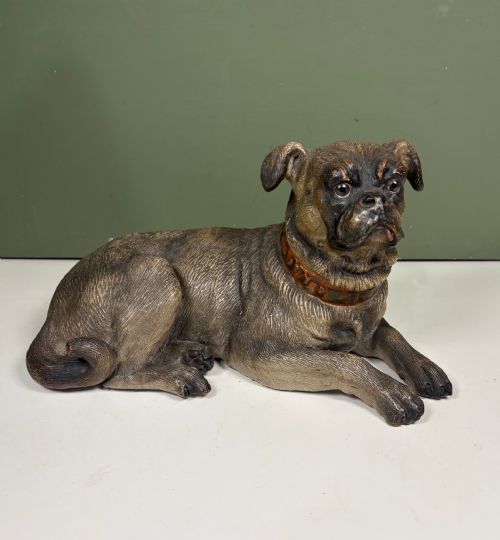
When searching for a glazed pottery dog, collectors encounter an array of ceramic figures spanning the Georgian, Victorian, and later periods. The most common forms on this page are Staffordshire pairs, particularly spaniels, greyhounds, and poodles produced in England during the nineteenth century.
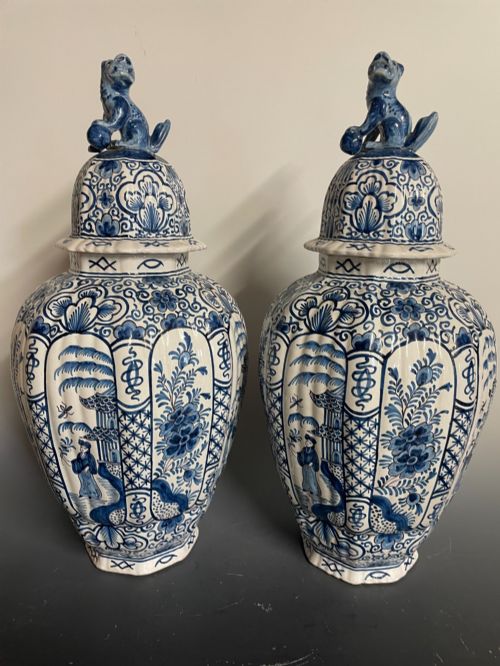
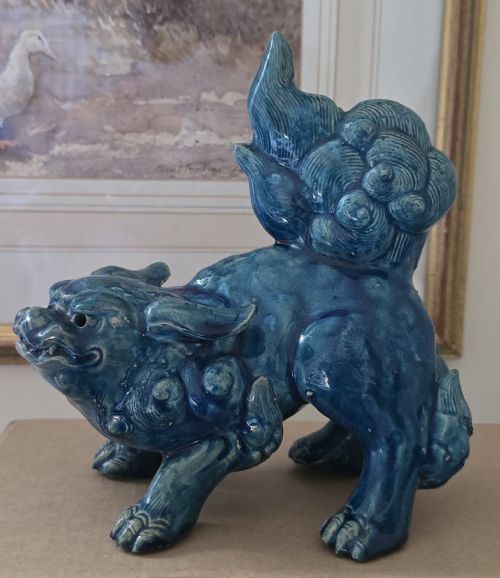
Beyond English earthenware, the selections include Chinese porcelain and pottery examples such as Foo dogs, Shishi figures, and Buddhistic lions from the Qing period. European works also appear, including Italian majolica and French faience tobacco jars shaped like poodles.
How They Were Made
Potters shaped these figures using earthenware, stoneware, or porcelain, often applying lead glazes, enamel colours, or copper lustre to the surface. Many nineteenth-century Staffordshire pieces received hand-painted details over a white ground.
Asian examples utilise turquoise, green, or Sancai glazes fired upon porcelain or pottery bodies. Gold leaf accents and relief moulding further define specific pieces across the various traditions.
Some industrious Staffordshire poodles arrive accompanied by tiny sculpted pups clinging to their sides.
What Varies in Quality
Maker attribution elevates certain pieces, with documented works by potters such as Thomas Parr commanding greater interest. Overall preservation of the original glaze and enamels remains central to the standing of any figure.
Thomas Parr·Wedgwood and Co Ltd·Beswick
The Glazed Pottery Dog Glossary
- Staffordshire
- A term for pottery figures made in the Staffordshire Potteries region of England, famously including mantel spaniels and poodles. These earthenware figures were staple ornaments in Victorian parlours.
- Foo Dog
- A traditional Chinese guardian lion, also known as a Shiwan or Buddhistic lion. They are frequently rendered in pairs with glazed ceramic bodies.
- Majolica
- A type of earthenware decorated with opaque coloured glazes, seen on Italian figural works. The technique produces vibrant surface colours.
- Copper Lustre
- A metallic glaze application that imparts a coppery sheen to pottery. This finish was popular on nineteenth-century Staffordshire dogs.
- Sancai
- A three-colour glaze tradition used on Chinese ceramics. The palette typically combines amber, green, and cream tones.
Glazed Pottery Dog: Frequently Asked Questions
What are Chinese Foo dogs?
Chinese Foo dogs represent traditional guardian lions, often modelled as pairs of Buddhistic beasts. They appear in turquoise, green, and Sancai glazes across various periods.
These ceramic sculptures served as protective figures in architecture and domestic spaces. Their robust forms distinguish them from European earthenware mantel ornaments.
Where were these ceramic dogs displayed?
Staffordshire dogs traditionally sat on mantlepieces in pairs, facing inward toward each other. They became a staple of Victorian domestic interior decoration.
Other forms, such as poodles with pups or tobacco jars, served specific functional or decorative roles. French faience examples often doubled as lidded humidors.
How do I care for glazed pottery dogs?
Display these ceramic figures away from direct sunlight to protect enamel colours and metallic lustre finishes. Gentle dusting with a soft cloth maintains the glazed surface.
Avoid using liquid cleaners on antique earthenware, as moisture can penetrate old craquelure. Handle pieces carefully by the body rather than protruding ears or tails.