
Glazed Painted Glass Cabinet
A glazed painted glass cabinet brings together fine woodwork, delicate brushwork and clear display panels to show off prized objects.
Glazed Painted Glass Cabinet
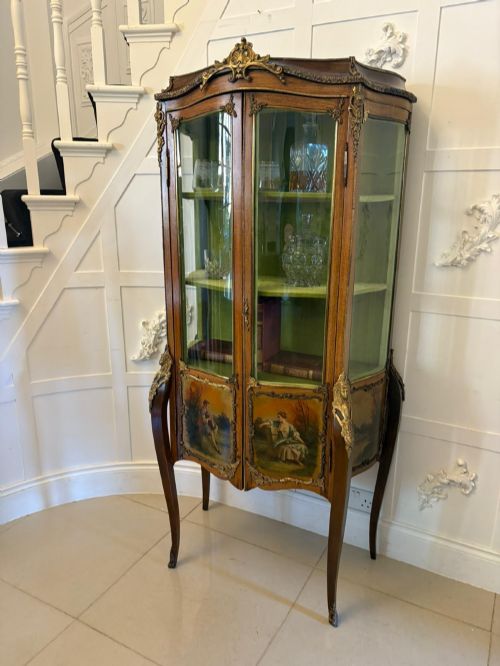
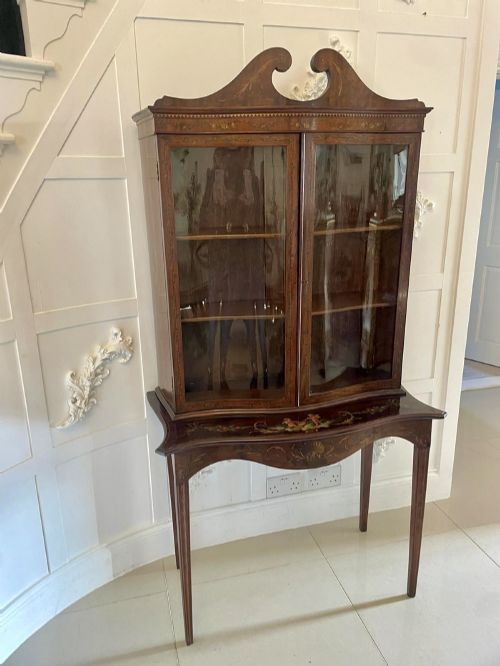
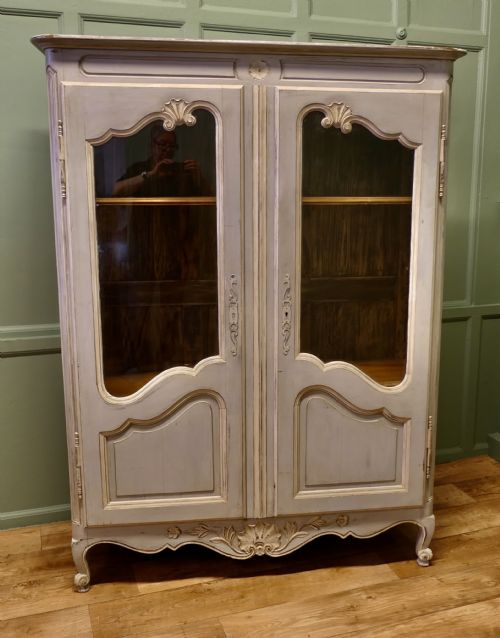
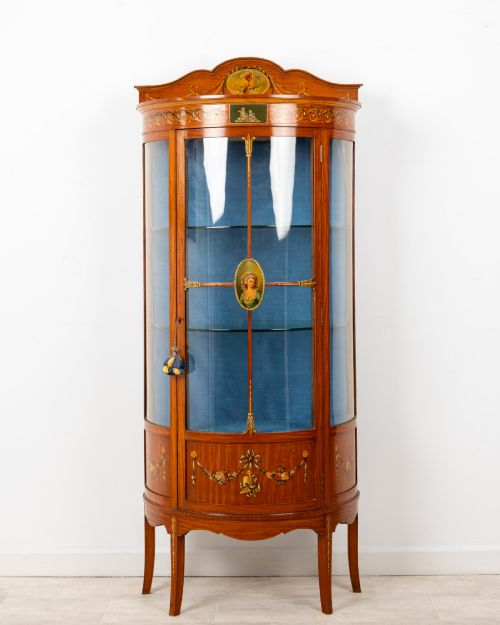
When searching for a glazed painted glass cabinet, buyers encounter a variety of display furniture primarily originating from the nineteenth and early twentieth centuries. These pieces span Victorian, Edwardian, and revivalist styles such as Louis XV and Sheraton.
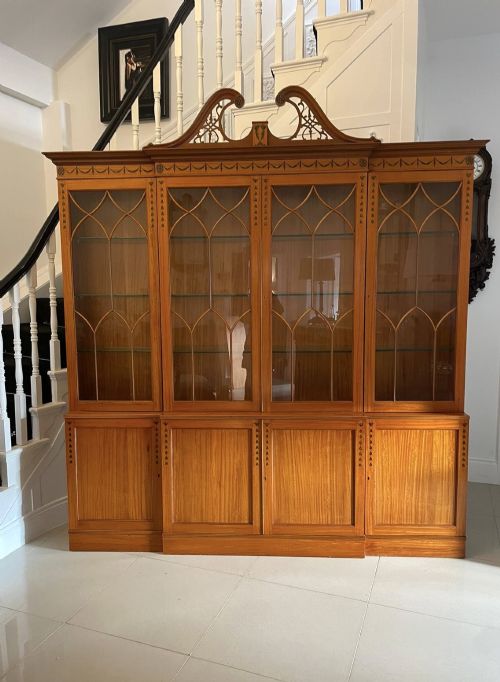
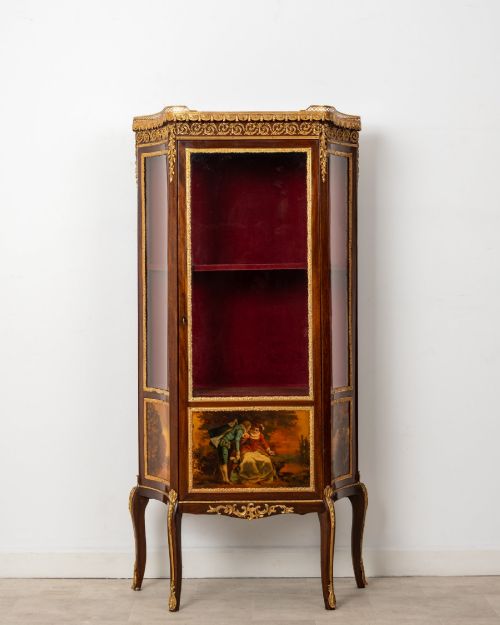
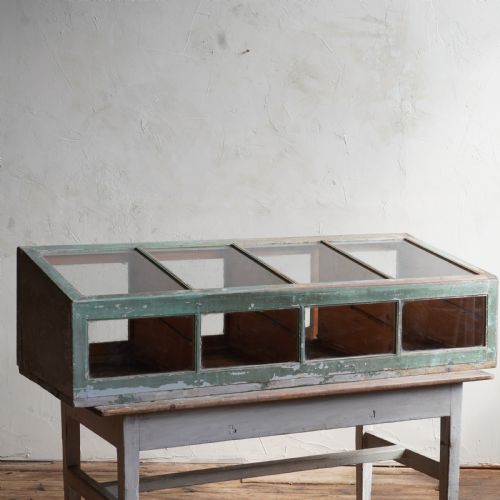
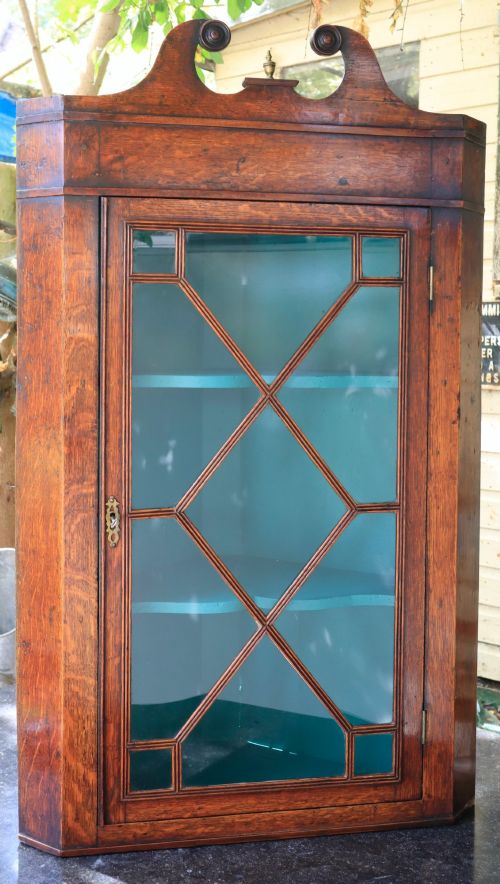
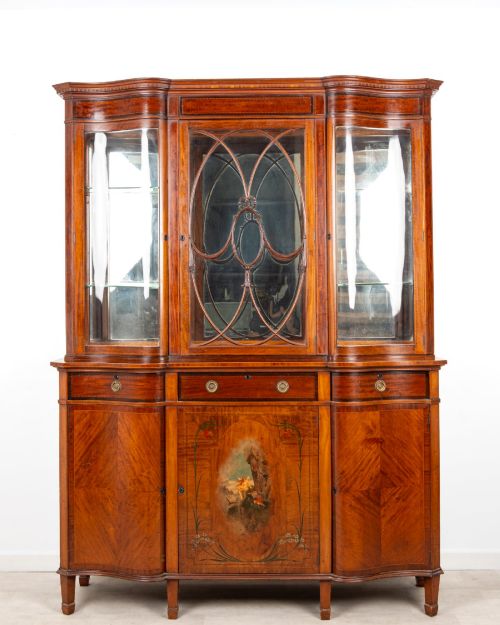
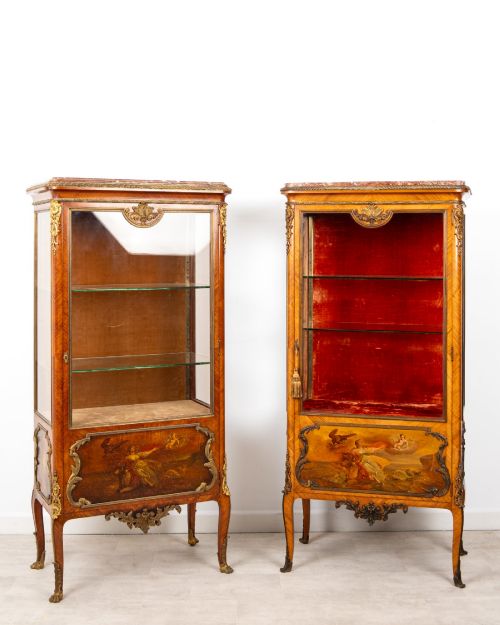
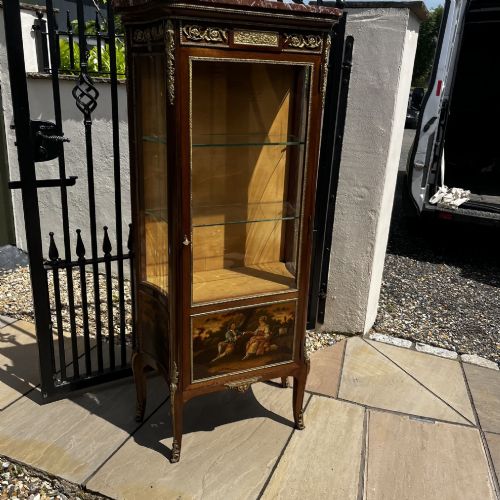
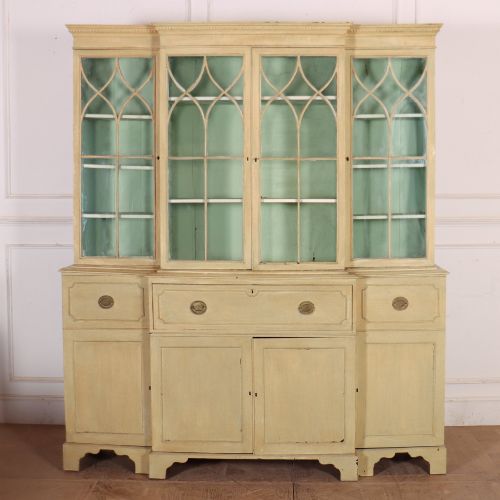
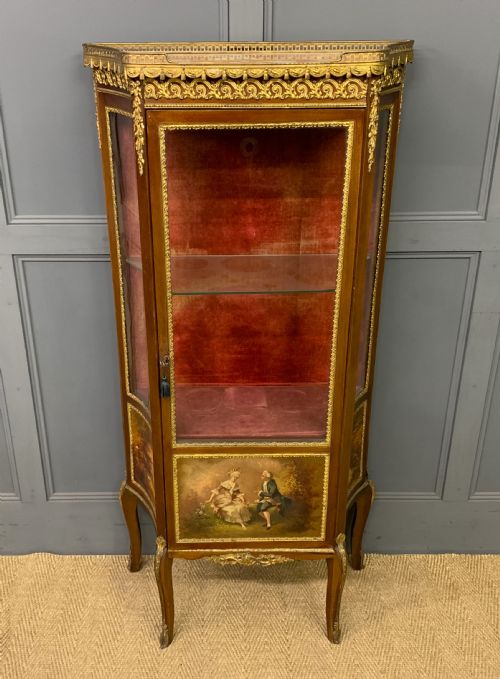
The form ranges from large breakfront bookcases and double-door vitrines to compact countertop boxes, corner units, and wall-hanging cabinets. Many examples hail from French workshops employing Vernis Martin finishes, alongside English satinwood and mahogany productions.
Materials and construction
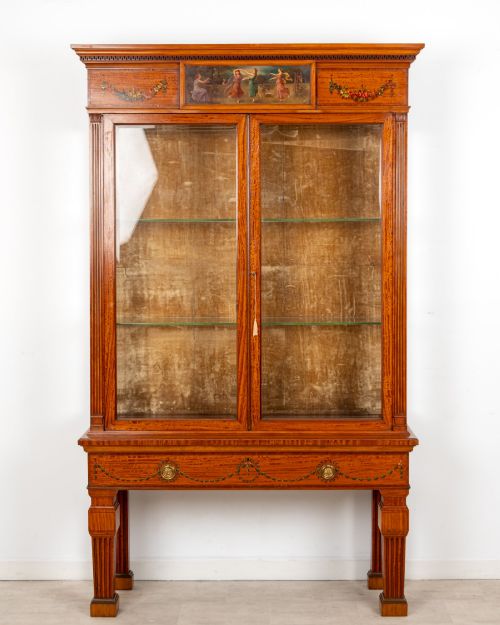
Cabinet makers utilised structural timbers like mahogany, satinwood, kingwood, and pine, often finished with painted decoration, lacquer, or gesso panels. Ormolu mounts, brass hardware, and marble tops frequently complete the French and English designs.
Glass panels are set into framed doors or curved astragal frameworks, allowing light to enter the interior shelves while protecting the contents from dust.
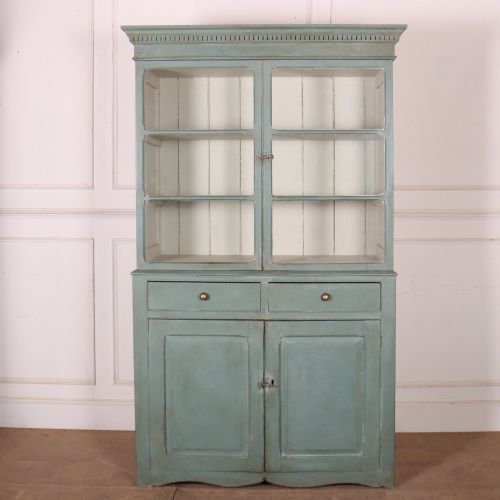
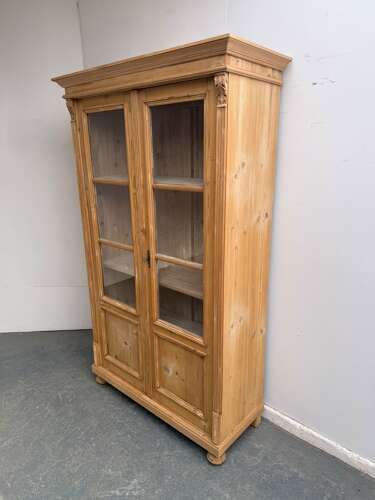
Some nineteenth-century pine cabinets arrive with bare wood awaiting a coat of paint, ready to take on a fresh chapter in a new home.
Quality and craftsmanship
The standard of a glazed painted glass cabinet rests on the precision of its painted panels and the richness of its timber selection. Hand-rendered floral or figural motifs show the hand of a skilled decorator rather than mechanical stencilling.
The integration of cast or chased ormolu mounts, well-fitted glass doors, and stable carcass construction separate standard utility items from fine salon display pieces.
Hampton & Sons·Jewell of Holborn
The Glazed Painted Glass Cabinet Glossary
- Vitrine
- A glass-fronted display cabinet designed specifically for showing porcelain, curiosities, and decorative objects. These pieces often feature glazed sides as well as doors.
- Vernis Martin
- A simulated Japanese lacquer technique developed in eighteenth-century France and emulated in later revival pieces. It uses successive layers of varnish to protect painted pastoral or oriental scenes.
- Ormolu
- Gilded bronze used for decorative mounts and feet on high-status furniture. It provides a bright golden contrast against dark timbers like kingwood and mahogany.
- Astragal
- Moulding strips that divide a large glass window into smaller panes within a door frame. They appear frequently on breakfront bookcases and formal display cabinets.
Glazed Painted Glass Cabinet: Frequently Asked Questions
What is a glazed painted glass cabinet used for?
These cabinets were originally designed to protect and display collections of fine china, books, and curiosities within the home. The glass doors and sides allowed owners to view their treasured possessions while keeping them free from dust.
Today, they serve the same purpose in modern interiors, acting as focal points for curated displays of glassware, books, and decorative objects.
How do I date a painted display cabinet?
Dating relies on examining the secondary timbers, the style of the painted decoration, and construction methods. Pieces from the Victorian and Edwardian eras often display specific revival influences such as Louis XV or Sheraton styles.
Hardware, hinges, and the clarity of the glass panes also provide physical clues to the manufacturing period, ranging from the nineteenth century into the early twentieth century.
Where should I place a vitrine at home?
Because these cabinets feature glass panels and delicate painted finishes, they benefit from placement out of direct, harsh sunlight to protect the pigments. Positioning them in reception rooms or hallways allows the light to pass through the glazed doors.
Ensure the floor is level, particularly with taller or breakfront forms, to keep the doors hanging true and the joints stable.
How do I care for antique painted wood?
Maintain painted and lacquered surfaces by dusting gently with a soft, dry cloth rather than using liquid polishes or abrasive cleaners. Moisture and heavy wax can harm delicate nineteenth-century decorative finishes.
Keep the environment stable in terms of temperature and humidity to prevent the timber framework from moving and straining the glass panes.