

Glazed Majolica Pottery
Glazed majolica pottery brings brilliant colour and modelling to domestic and decorative spaces through tin-glazed earthenware and sculptural ceramics.
Glazed Majolica Pottery
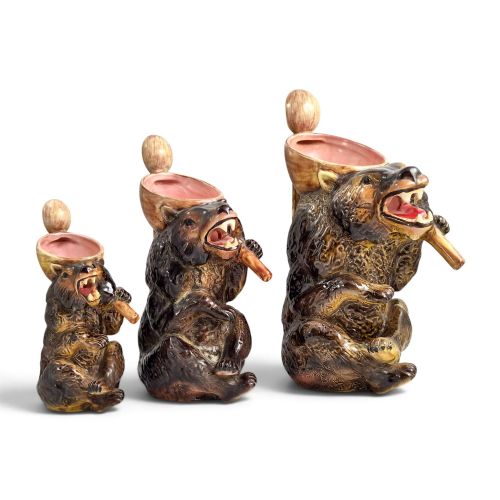
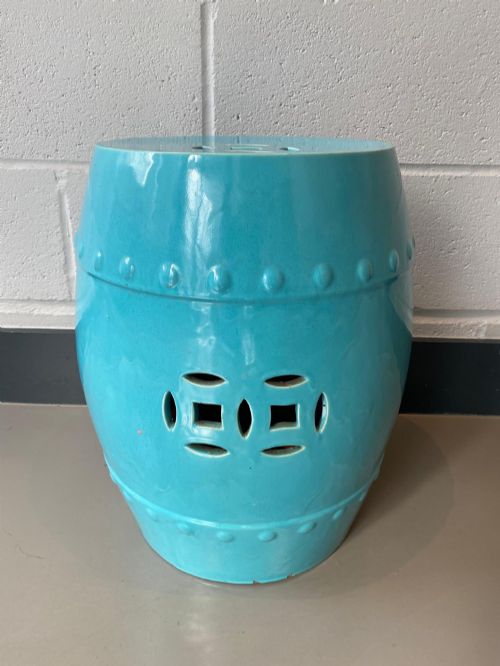
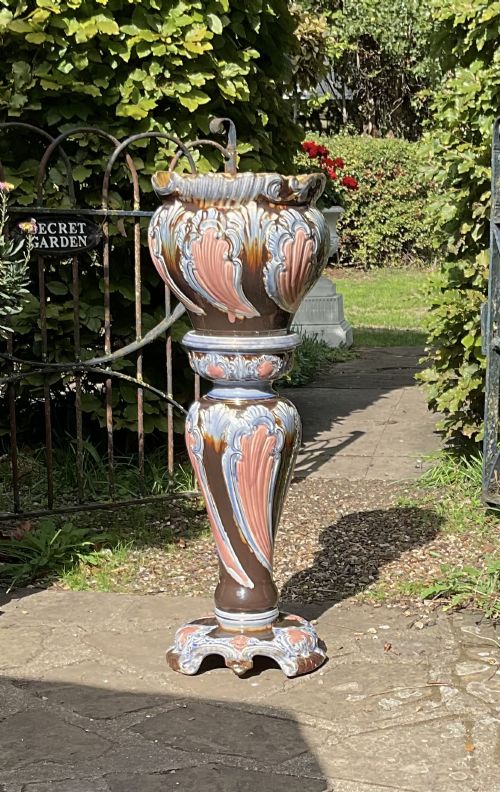
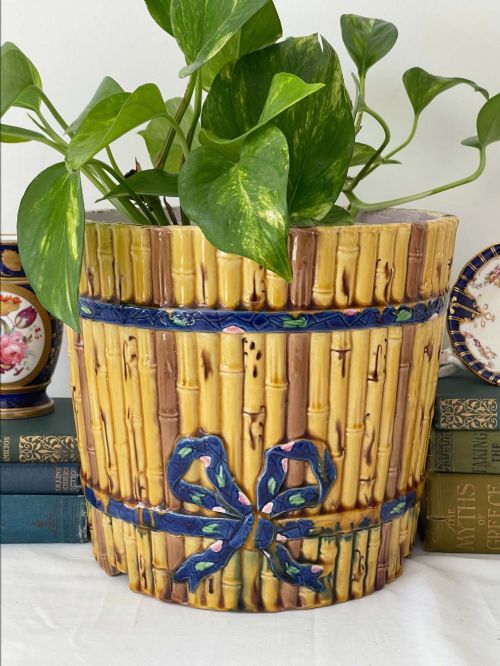
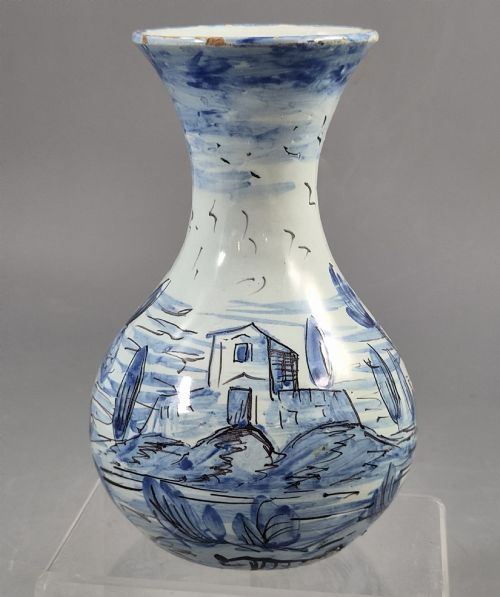
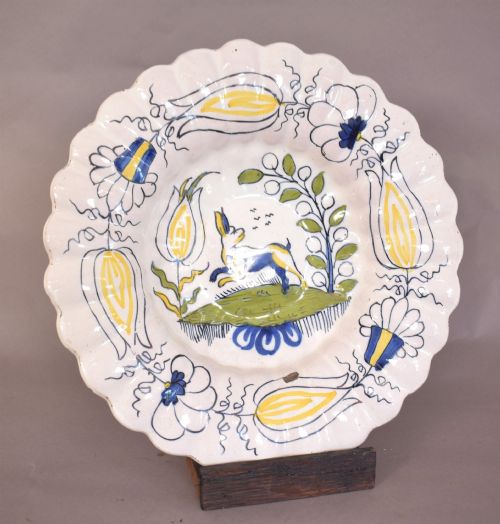
Glazed majolica pottery encompasses tin-glazed earthenware and ceramic objects spanning the seventeenth century through the Victorian era. Collectors encounter diverse utilitarian and decorative forms, ranging from apothecary jars and pharmacy jugs to garden seats, jardinieres, and figural ornaments.
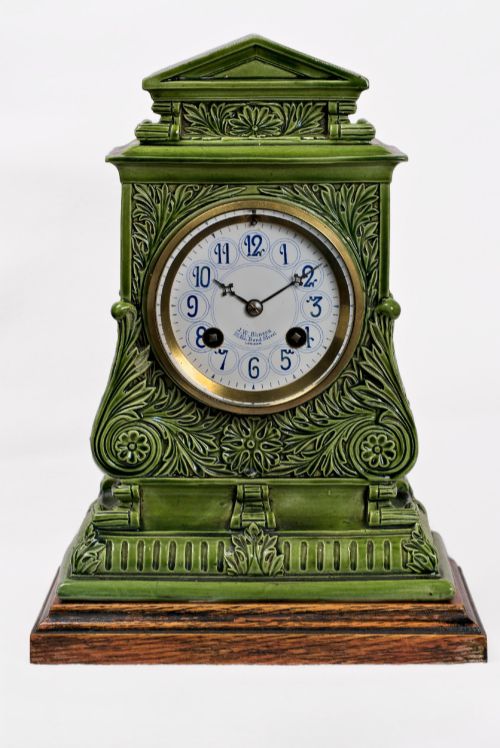
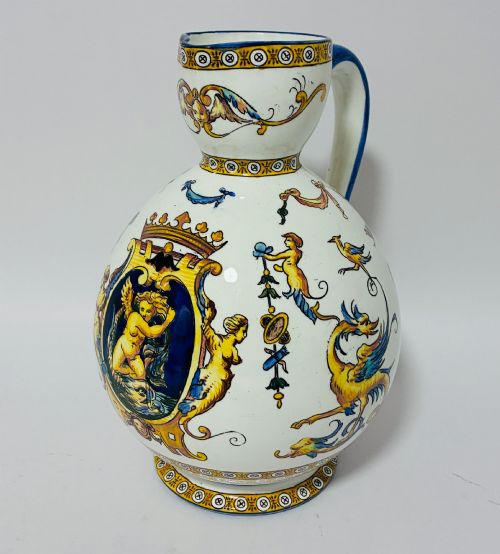
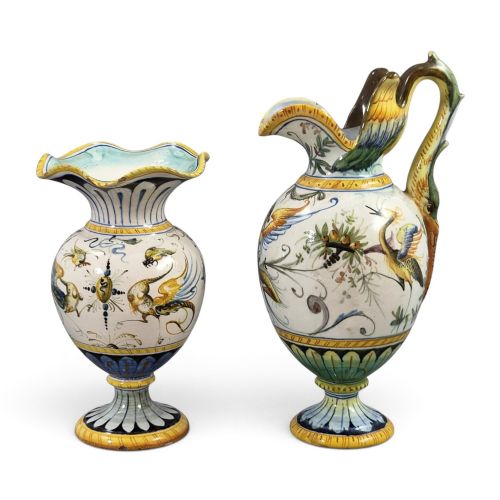
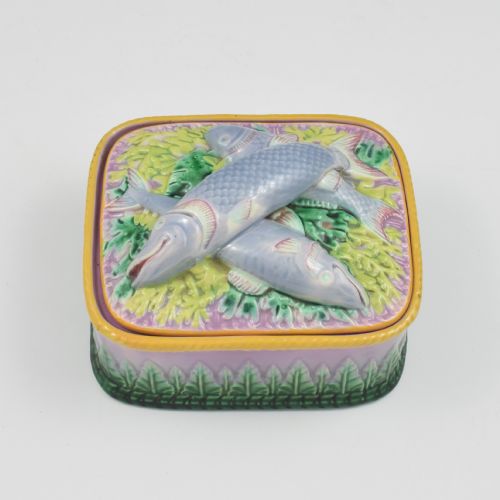
The pieces on this page frequently originate from English potteries like Minton and George Jones, alongside continental workshops in Italy and France. Victorian naturalism and Renaissance Revival styles dominate the selection alongside traditional blue and white drug jars.
How glazed majolica pottery was made
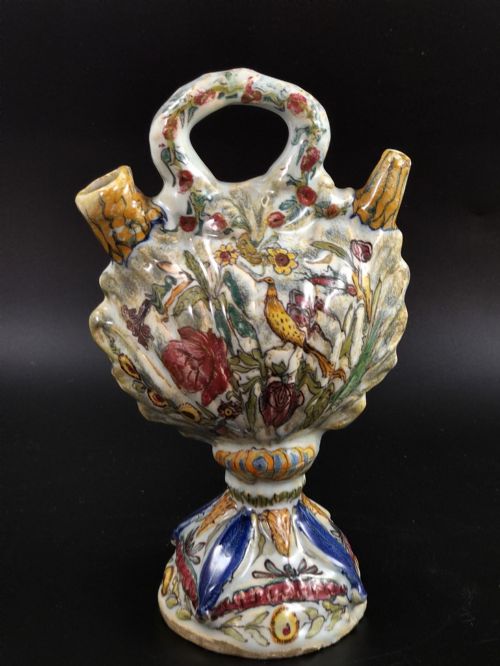
Potters shaped earthenware and ceramic bodies before applying tin glazes to form the white or tinted ground necessary for subsequent decoration. Oxide pigments in manganese, yellow, and polychrome palettes were then painted directly onto the absorbent surface before firing.
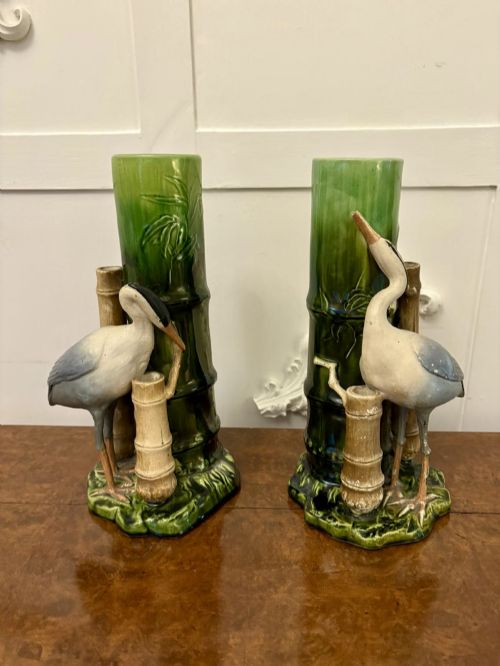
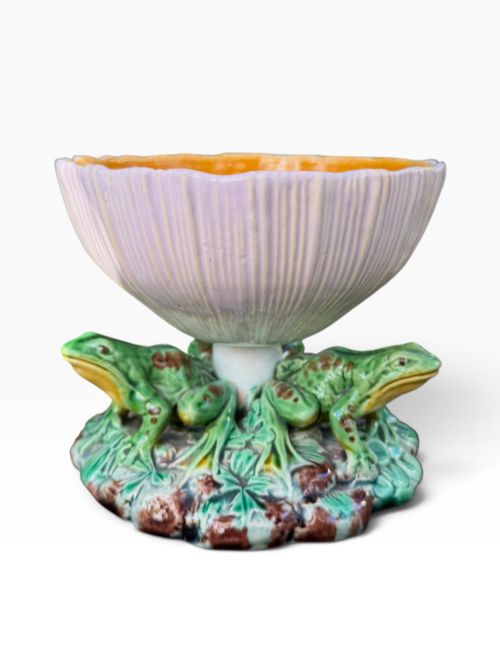
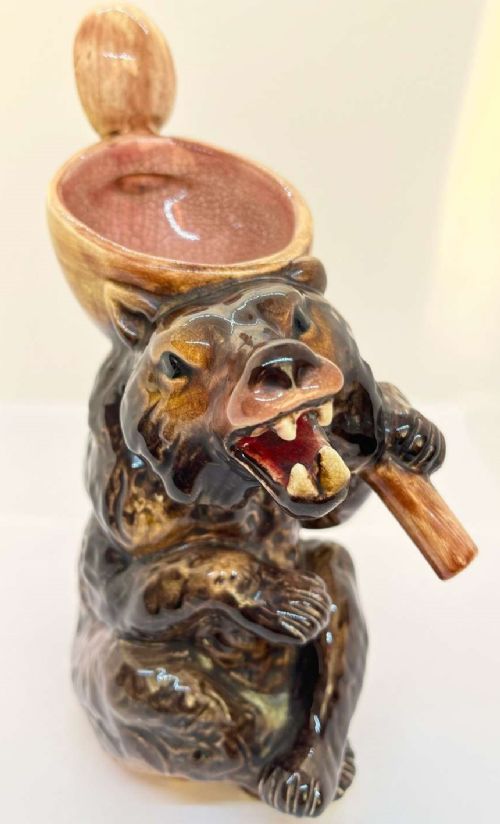
Moulding techniques allowed makers to produce complex sculptural forms such as animal jugs, figural figures, and relief-moulded jardiniere stands. This combination of ceramic modelling and coloured lead or tin glazing created the characteristic high-gloss finish.
Glazed Majolica Pottery Retail Price Guide 2026
Typical asking prices for glazed majolica pottery among the pieces listed under this phrase on Sellingantiques today, from the lower quarter to the upper quarter. They describe what is for sale here now, not the wider market.
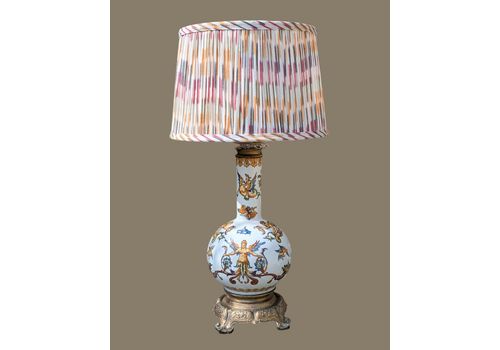
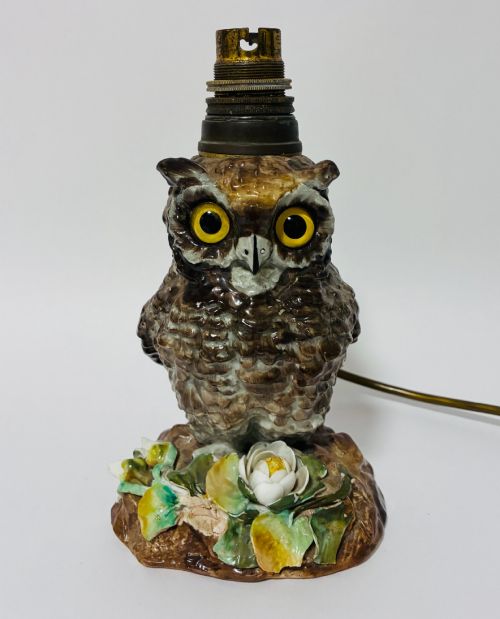
Ceramic forms range from utilitarian apothecary jars and albarellos to sculptural jardinieres, ewers, and table lamps.
What varies in quality in glazed majolica pottery
Quality rests in the crispness of the modelling and the precision of the glaze application across high-relief surfaces. Superior pieces maintain sharp detail in moulded figures and botanical motifs without pooling or running in the coloured glazes.
The sophistication of the palette and the ambition of the form dictate the standing of individual works. Elaborate sculptural designs by notable Victorian factories demonstrate greater technical mastery than plain utilitarian storage vessels.
Minton·George Jones·Cantagalli·Holdcroft·Bretby·Burmantofts·Gien
The Glazed Majolica Pottery Glossary
- Tin Glaze
- An opaque white glaze made by adding tin oxide to lead glaze, providing a smooth surface for painting.
- Albarello
- A cylindrical earthenware jar used by apothecaries for storing dry drugs and ointments.
- Faience
- European tin-glazed earthenware, often associated with French and Italian traditions.
- Charger
- A large decorative plate or dish intended for display on a wall or sideboard.
- Polychrome
- Decoration employing multiple distinct colours painted onto the ceramic body.
Glazed Majolica Pottery: Frequently Asked Questions
What is majolica pottery?
Majolica pottery refers to tin-glazed earthenware decorated with coloured metal oxides on an opaque white glaze. The tradition includes Italian Renaissance wares and later nineteenth-century revival pieces.
Victorian makers expanded the repertoire to include highly modelled animal figures, garden seats, and tableware with vibrant polychrome finishes.
How do I clean majolica?
Clean these ceramic pieces gently with a soft, dry cloth to remove dust without disturbing the glaze. Avoid immersing antique earthenware in water, particularly pieces with historical hairline cracks or repairs.
Harsh chemical cleaners will damage the tin glaze and strip the delicate oxide colours from the surface.
Where were apothecary jars used?
Apothecary jars and albarellos served as storage containers for dried herbs, ointments, and medicinal compounds in historic pharmacies. Pharmacists lined shelves with these labelled vessels for easy identification.
Their distinctive shapes and painted drug labels combined practical utility with decorative appeal in medical shops.
How do I date majolica?
Dating relies on identifying factory marks, stylistic influences such as Renaissance Revival or Art Nouveau, and specific manufacturing techniques. Nineteenth-century Victorian pieces often feature registration diamonds or specific shape numbers.
Earlier seventeenth and eighteenth-century examples display characteristic tin-glaze pooling and hand-painted palette traits unique to their period of production.