
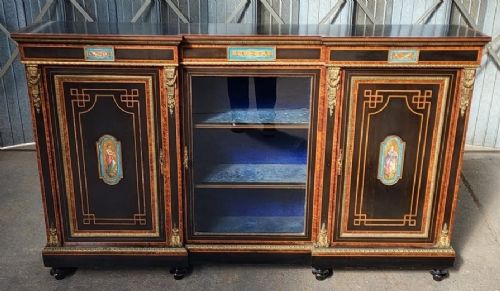
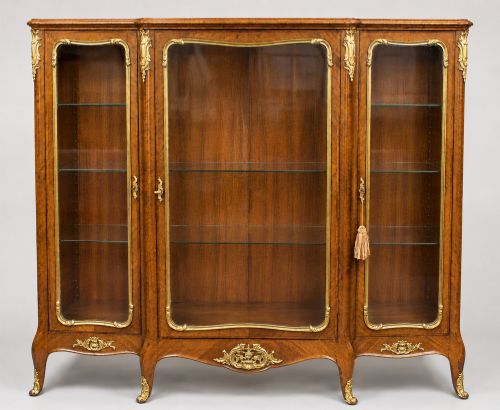
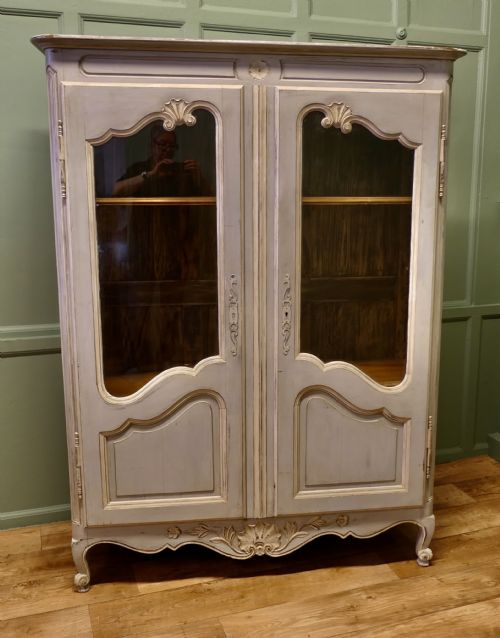
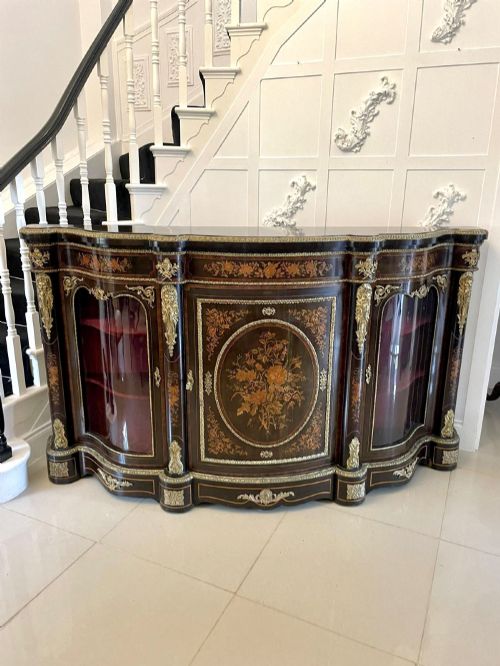
Glazed French Doors
Glazed French doors bring light through timber frames and glass panels, opening rooms with period grace.
Glazed French Doors
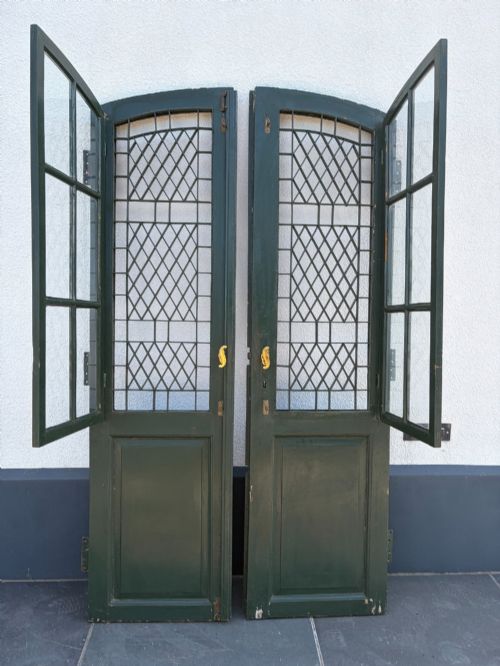
Buyers seeking glazed french doors encounter architectural timber frames designed to hold large glass panes. The selection includes pine arched top variants from the early twentieth century.
These pieces bridge structural joinery and cabinetmaking traditions. They adapt interior or exterior openings while maintaining traditional proportions.
Assessing quality
Quality rests in the precision of the timber joinery and the clarity of the glass. Tighter frame corners and sound wood grain distinguish superior examples.
The weight and finish of the timber reflect the maker's hand. Well-preserved surfaces retain their structural integrity through decades of movement.
Early twentieth century pine doors once welcomed spring breezes into Parisian drawing rooms before finding new homes here.
The Glazed French Doors Glossary
- Glazing
- The glass panes fitted into the timber framework of a door. This allows light to pass through the partition.
- Arched top
- A curved upper frame profile found on specific period doors. This shape softens standard rectangular architecture.
- Pine
- A softwood timber utilised for structural frames. It provides a stable base for painted or natural finishes.
Glazed French Doors: Frequently Asked Questions
How do I install antique doors?
Installation requires precise measurements of the existing door opening. Carpenters plane the timber edges to ensure a smooth swing.
Hinge placement must support the weight of the glass panels. Proper alignment prevents the doors from binding in their frame.
Can these doors be painted?
Many period examples feature painted finishes that adapt to modern interiors. Preparation involves cleaning the timber and applying compatible primers.
Original paint layers require careful assessment before repainting. Some buyers preserve existing patinated surfaces for historical character.
Are the glass panes original?
Older glass often displays slight surface ripples and minor bubbles. These irregularities indicate genuine period manufacture rather than modern replacement.
Checking the putty and glazing beads reveals later repairs. Original glass adds significant character to architectural elements.
How do I maintain the timber?
Regular dusting preserves the surface finish of the wood. Natural waxes nourish unpainted timber frames against drying.
Moisture control prevents the wood from warping in changing climates. Gentle cleaning protects both the timber and the glass.