
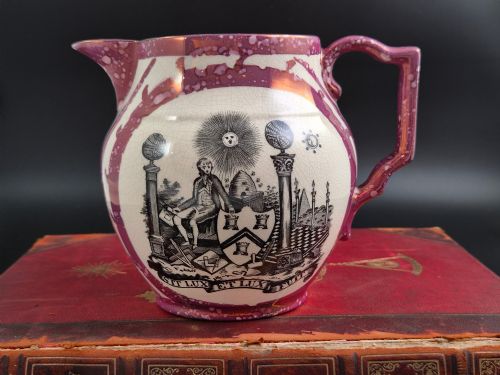

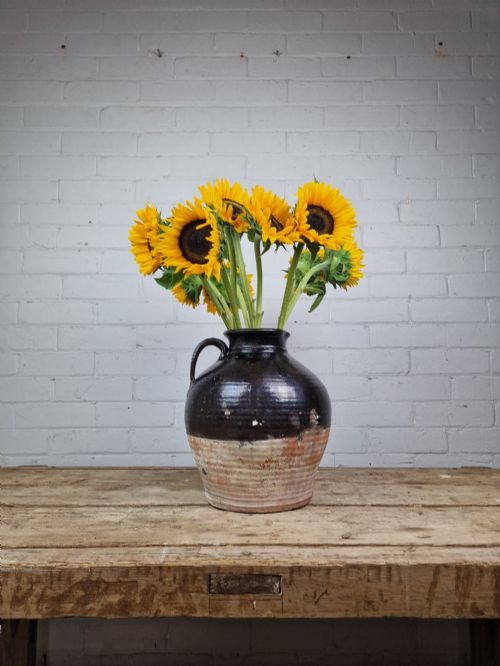
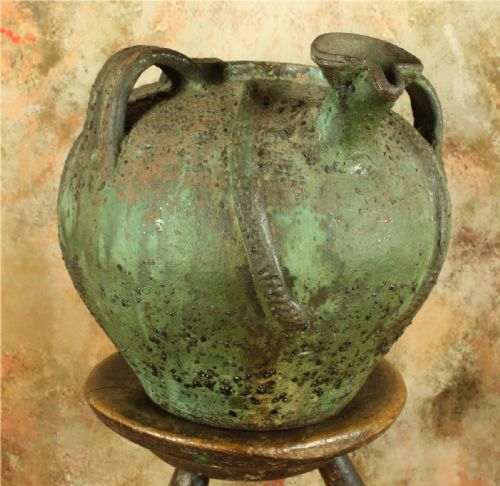
Glazed Earthenware Jug
When you search for a glazed earthenware jug, you are looking at centuries of functional pottery finished with protective and decorative coatings.
Glazed Earthenware Jug
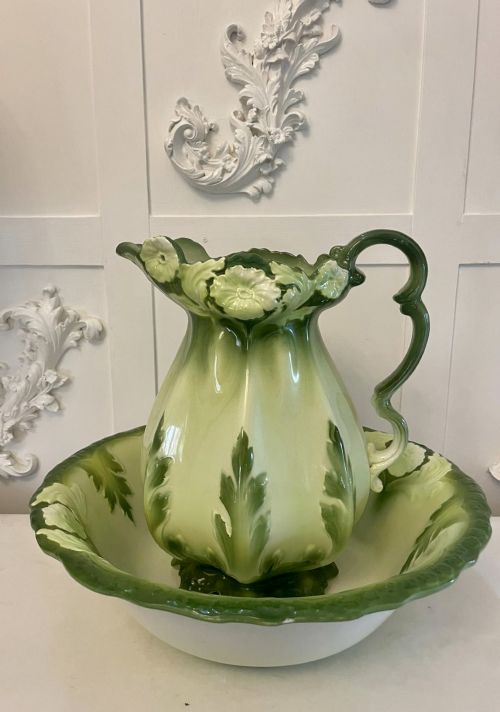
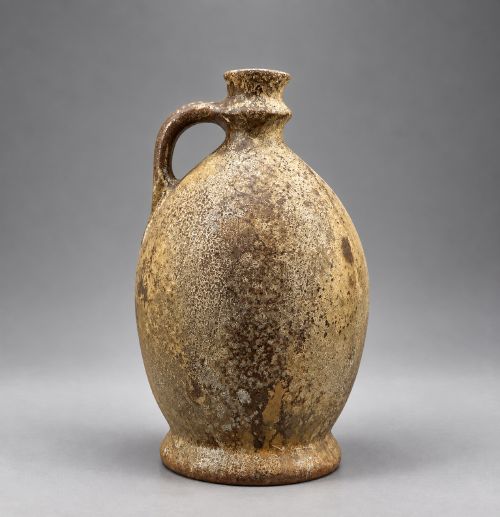
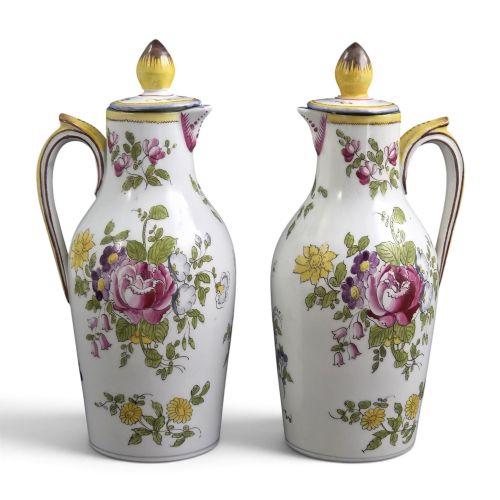
A glazed earthenware jug is a utilitarian or decorative vessel shaped from porous clay and coated with a vitreous layer to hold liquids. These pieces range from robust tavern flagons to delicate mantel ewers across this selection.
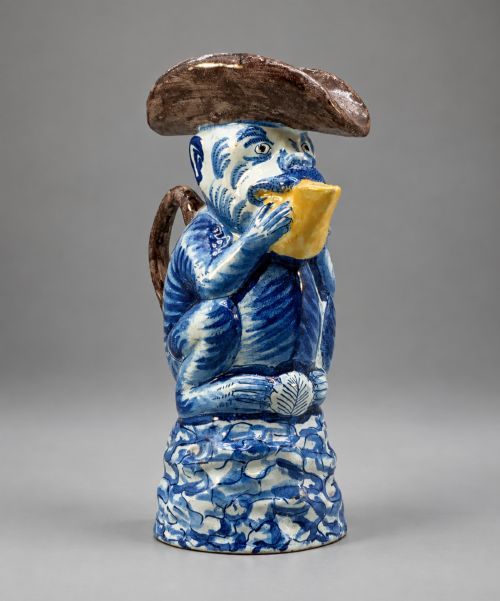
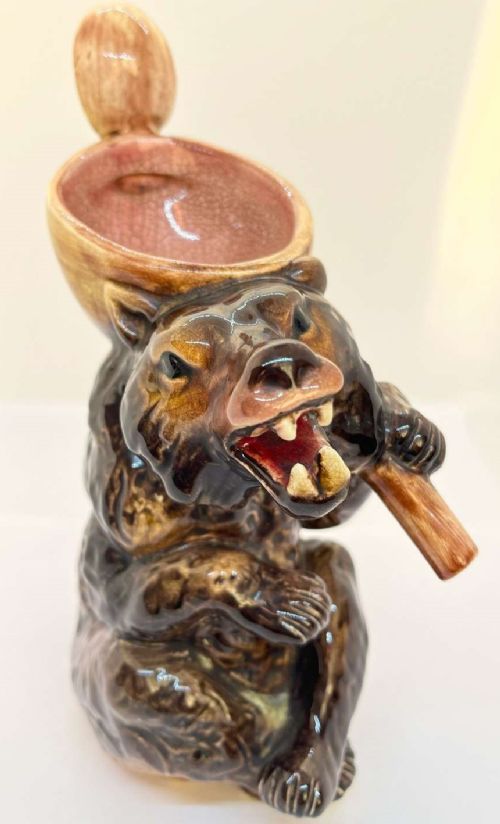
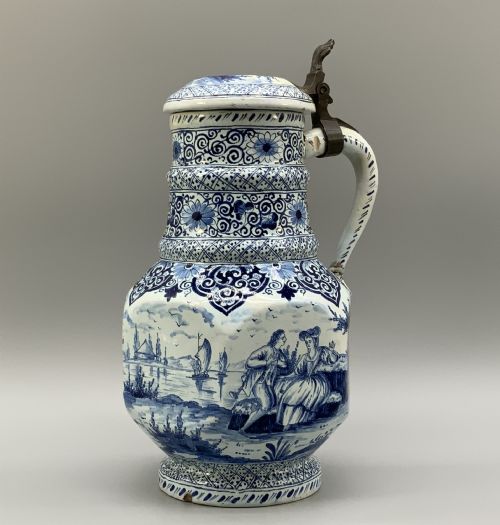
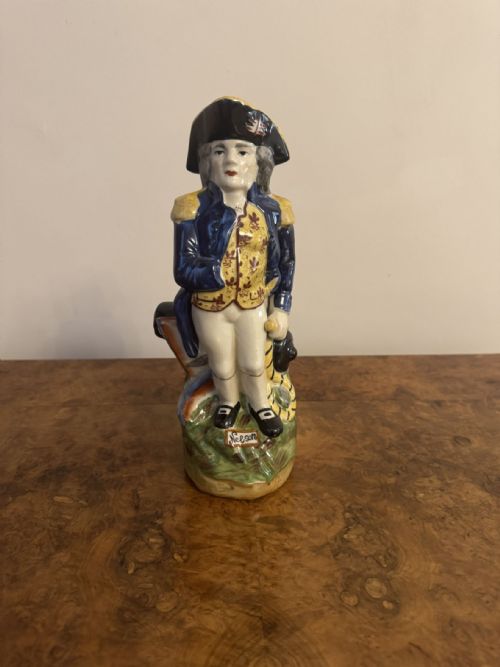
The objects seen here span from the seventeenth century through to the early twentieth century, taking forms such as pitchers, puzzle jugs, and toby jugs. English, Dutch, French, and Italian workshops dominate the origin points.
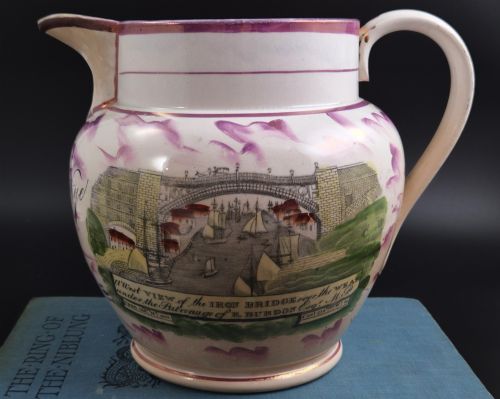
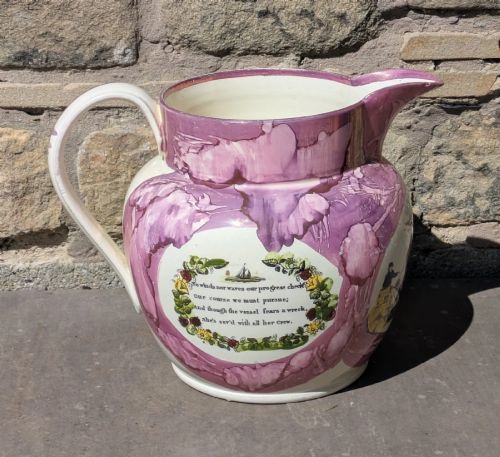
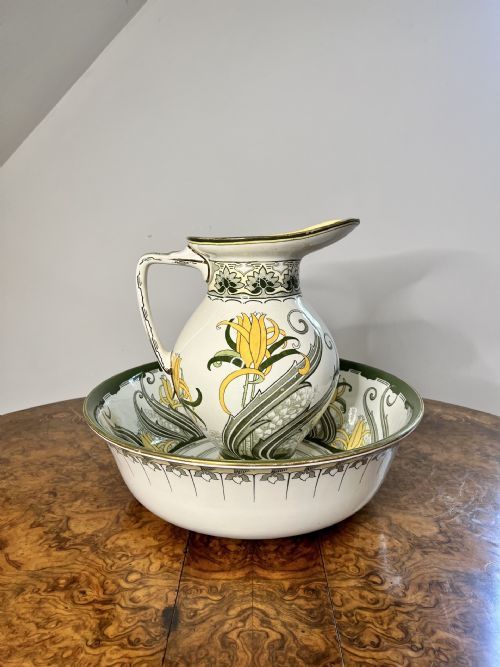
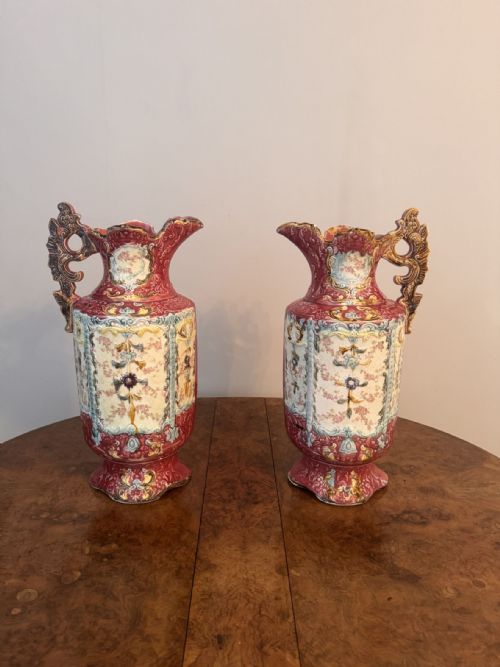
Makers utilised various styles including Victorian, Dutch Delftware, and Arts and Crafts to decorate these surfaces with floral motifs, maritime scenes, and figures.
Materials and Techniques
Potters shaped local clays by hand or on the wheel before applying liquid mineral coatings such as tin glaze, slip, or metallic lustre. Firing in a kiln then fused the glass-like surface to the porous earthenware body.
Decoration was applied either directly onto the raw glaze for soft, absorbent brushwork or painted over fired surfaces using polychrome enamels and cobalt blue pigments.
Materials represented across these entries include earthenware, stoneware, tin glaze, metallic lustre, and slipware.
Assessing Quality
Quality rests in the crispness of the modelled form, the stability of the handle attachment, and the depth of the glaze firing. Superior examples show confident, spontaneous brushwork on painted designs rather than hesitant lines.
The chemical stability of early glazes also dictates standard, as pots fired at correct kiln temperatures display fewer chemical crazing lines and a more even distribution of colour across the body.
Holdcroft·Royal Doulton·Doulton Burslem·Doulton Lambeth·Sir Edmund Elton·Cantagalli Florence·Gien
The Glazed Earthenware Jug Glossary
- Earthenware
- Porous pottery fired at relatively low kiln temperatures that requires a glazed surface to become waterproof. It forms the structural body for the majority of the jugs shown here.
- Tin Glaze
- An opaque white glaze made by adding tin oxide to a lead glaze, providing a smooth background for painted blue or polychrome decorations. This technique defines much of the Dutch and Italian output.
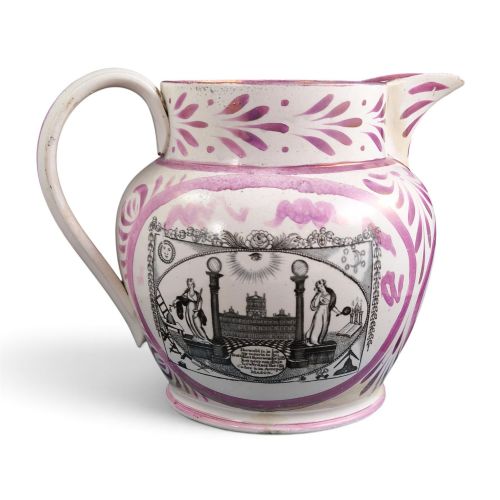
- Lustreware
- Pottery decorated with a metallic film that produces an iridescent sheen when fired in a reduced oxygen atmosphere. Sunderland pink and splash lustre examples rely on this technique for their distinctive pink glow.
- Slipware
- Pottery decorated with slip, which is a liquid clay mixture applied to a different coloured clay body before firing. It creates bold, contrasting lines and patterns across seventeenth and eighteenth-century examples.
- Toby Jug
- A pottery jug modelled in the shape of a seated eighteenth-century gentleman holding a mug of beer or a pipe. These character jugs are frequently painted in bright lead glazes.
Glazed Earthenware Jug: Frequently Asked Questions
What were glazed earthenware jugs used for?
These vessels served primarily to store, carry, and pour liquids such as wine, water, beer, milk, and oil in domestic and tavern settings.
Some specialised forms, such as puzzle jugs and puzzle vessels, were made to test the drinker's skill by requiring them to suck liquid through a hidden tubular rim without spilling.
How do I date a glazed earthenware jug?
Dating relies on combining the stylistic clues of the painted decoration, the type of glaze, and the construction methods of the handle and base. Seventeenth and eighteenth-century pieces often display hand-thrown potting rings and tin glazes, while nineteenth-century items show firmer factory standardisation.
Reference marks stamped or painted on the base help link pieces to specific potteries or known active periods.
How should I clean and display an old jug?
Dust these pieces gently with a dry, soft brush and avoid submerging historical earthenware in water, as old porous bodies and historic glazes can absorb moisture through tiny cracks. Keep them away from direct, strong sunlight to protect overglaze enamels from fading over time.
Display them on stable surfaces away from high-traffic zones where handles might be accidentally knocked.
Are these jugs safe for holding liquids today?
Most antique earthenware jugs are best reserved for display rather than daily dining use due to potential micro-cracks in the glaze and the presence of historical lead content in older formulations.
Using them for dry storage or simply appreciating their sculptural form preserves the material integrity of the piece.