

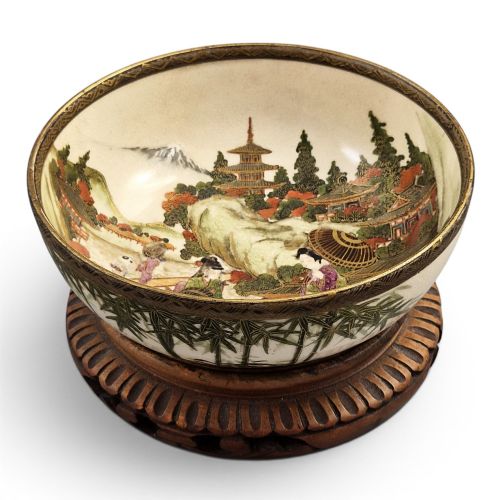


Glazed Earthenware Display Dish
A glazed earthenware display dish brings centuries of painted tin-glazed colour and tin-glazed surface pattern to a wall or cabinet.
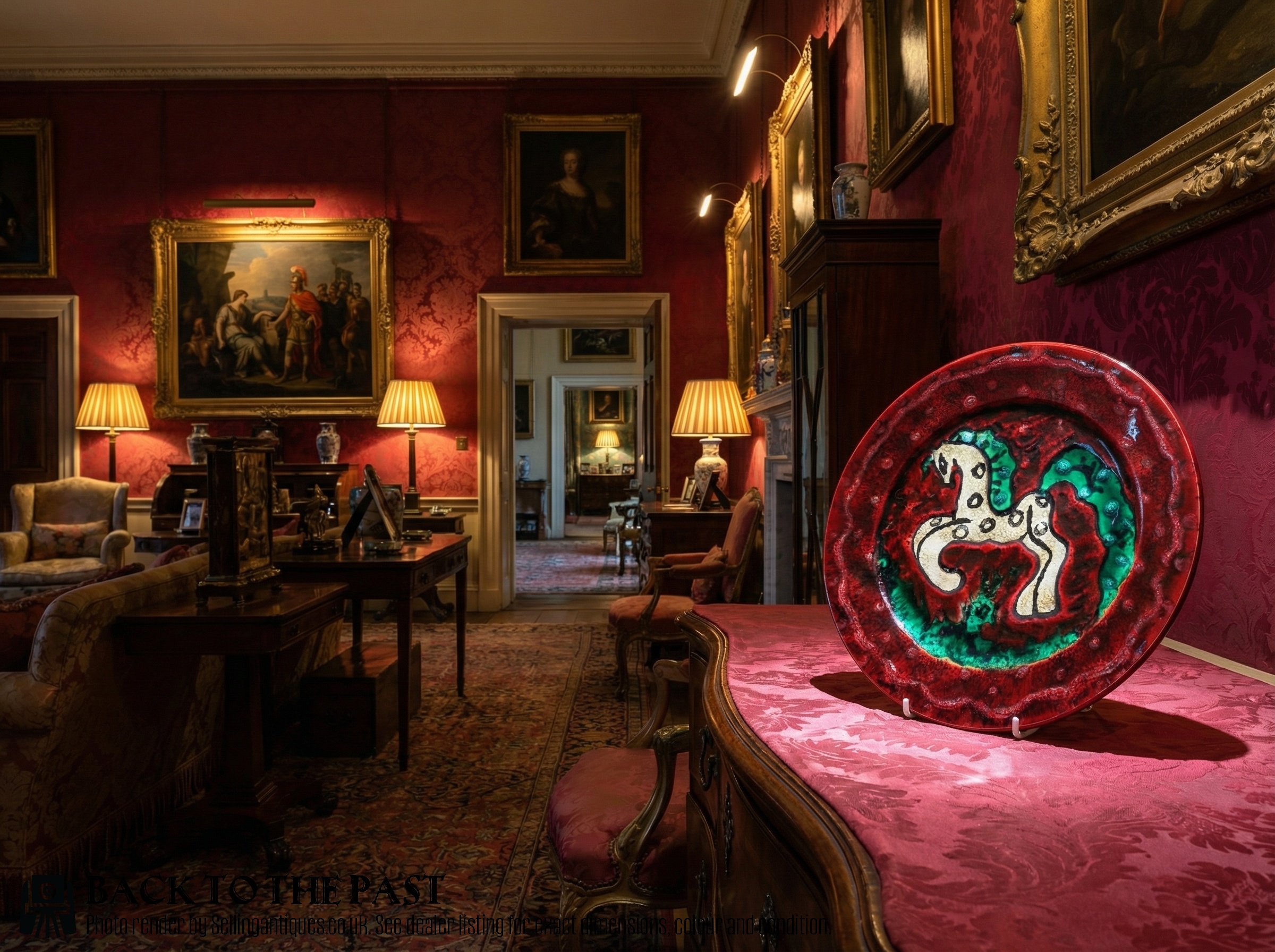
Glazed Earthenware Display Dish
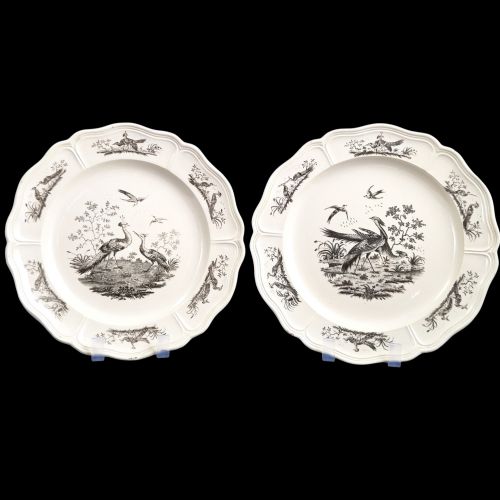
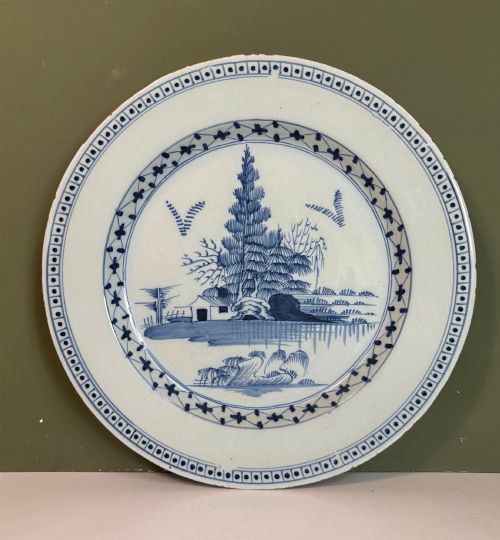
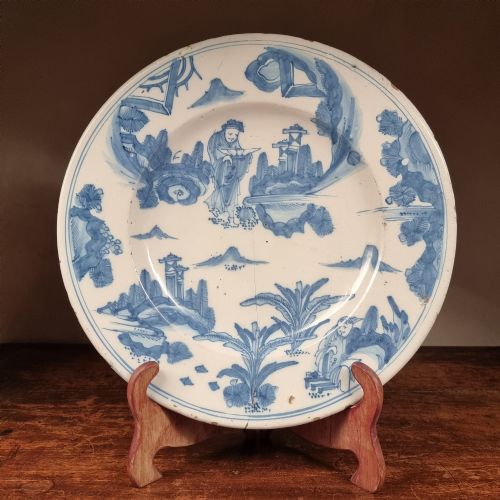
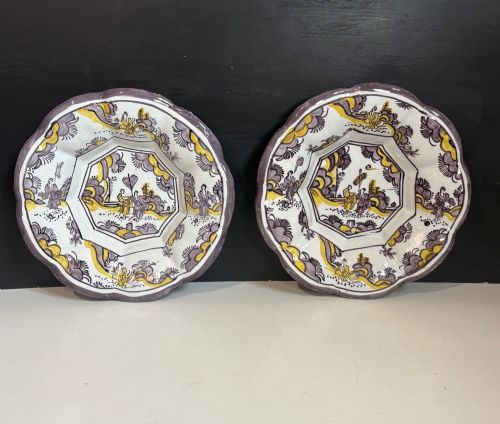
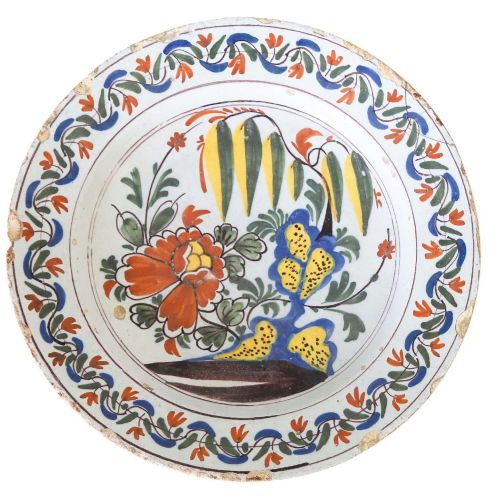
A glazed earthenware display dish is principally found in the form of large chargers and plates from the seventeenth and eighteenth centuries, originating from English, Dutch, and French workshops. These pieces span robust domestic earthenware to tin-glazed Delftware decorated with blue and white or polychrome pigments.
How They Were Made
Potters shaped local clay into plates and deep chargers before applying a tin-glaze that created an opaque white or cream surface for painting. Cobalt pigment and other metal oxides were hand-painted directly onto this absorbent unfired glaze.
Artisans also utilised specialised techniques like tubelining during later periods, raising clay lines to contain pools of coloured glaze on high-fired bodies.
Some seventeenth-century potters painted sprawling tulips on chargers simply because the flower was worth more than a house.
What Varies in Quality
Quality rests in the crispness of the hand-painted brushwork and the stability of the glaze upon the earthenware body. Pieces with confident, fluid cobalt or polychrome decoration demonstrate superior hand control by the painter.
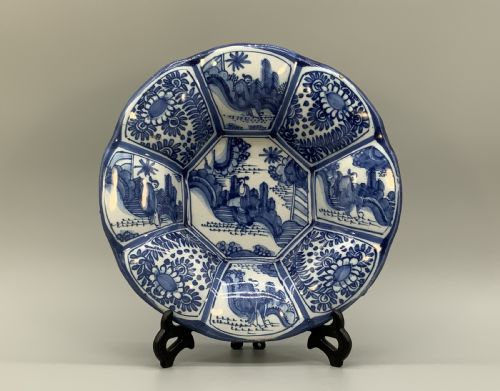
The depth of the glaze and the complexity of the design, whether an intricate Kraak style or a balanced floral arrangement, distinguish standard domestic wares from exceptional display chargers.
Gyokkō·Charlotte Rhead Crown Ducal
The Glazed Earthenware Display Dish Glossary
- Tin-glazed earthenware
- Pottery coated with a lead glaze made opaque by the addition of tin oxide. This white surface provided an ideal canvas for painted pigments.
- Charger
- A large decorative plate primarily intended for display on a wall or dresser rather than for dining. These substantial pieces measure wider than standard dinner plates.
- Chinoiserie
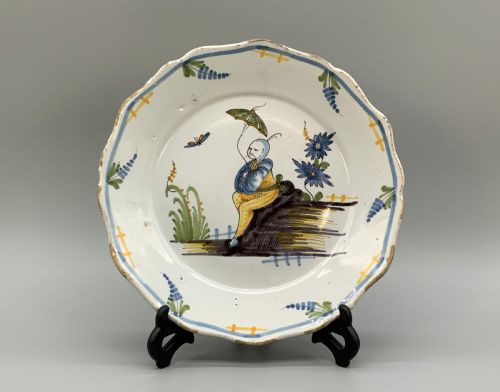
- European interpretations of Chinese artistic motifs and garden scenes. This decorative style appears frequently on seventeenth and eighteenth-century Delftware.
- Polychrome
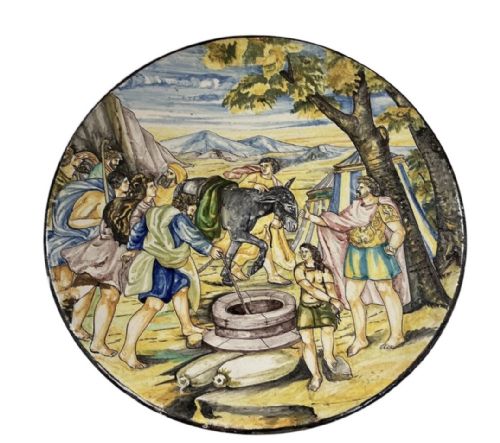
- Decoration employing multiple colours, typically painted in manganese, yellow, blue, and green on tin-glazed surfaces. It contrasts with simple blue and white work.
- Kraak style
- A Chinese porcelain design tradition characterised by panels radiating from a central focal point. Dutch and English potteries adapted this aesthetic for their own earthenware dishes.
Glazed Earthenware Display Dish: Frequently Asked Questions
How do I hang a heavy charger safely?
Display chargers require robust wire spring hangers that distribute weight evenly across the rim without putting pressure on the footring. Ensure the wall fixing secures firmly into masonry or a stud.
Avoid using adhesive disc hangers on antique tin-glazed earthenware, as the weight and delicate glaze layer can cause the surface to detach.
Can I use these dishes for serving food?
These historical dishes suit display and decorative use rather than daily dining. Historic tin-glaze and earthenware bodies absorb moisture and modern acidic foods.
Cleaning should be restricted to gentle dusting or very careful wiping with a dry cloth to protect the historic glaze surface.
How do I tell English Delft from Dutch Delft?
English Delftware often utilises a slightly softer pinkish or buff earthenware body beneath the tin-glaze, alongside specific local pigment tones. Dutch pieces frequently exhibit crisper blue and white painting and distinct footring markings.
Examination of the glaze pooling on the reverse side often reveals clues about kiln stacking methods specific to different European regions.
What period do most of these dishes date from?
The majority of pieces originate from the seventeenth and eighteenth centuries, representing the height of European Delftware production. Seventeenth-century examples often feature bolder Kraak influences.
Later nineteenth-century revivals and early twentieth-century art pottery pieces also appear among the selection, offering different glaze textures and forms.