


Glazed Ceramic Sculpture
When you seek a glazed ceramic sculpture, you enter a diverse world of modelled figures and animals spanning centuries of European and Asian kiln work.
Glazed Ceramic Sculpture
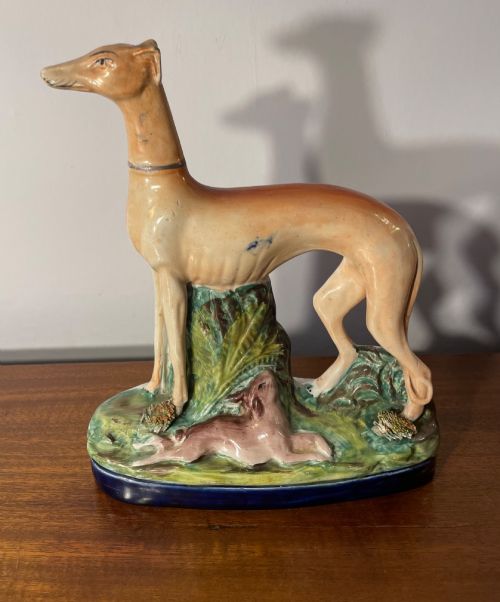
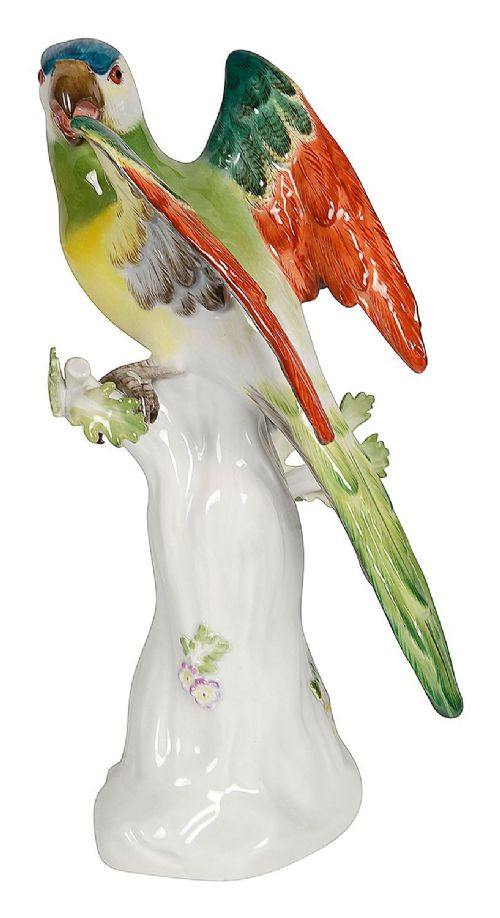
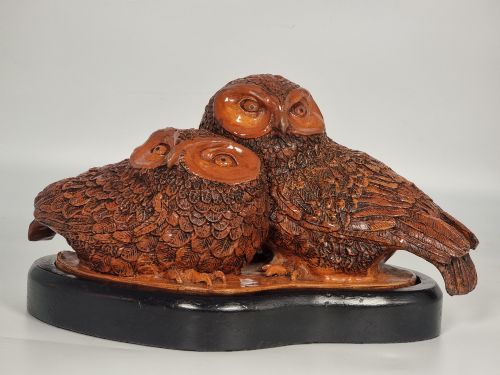
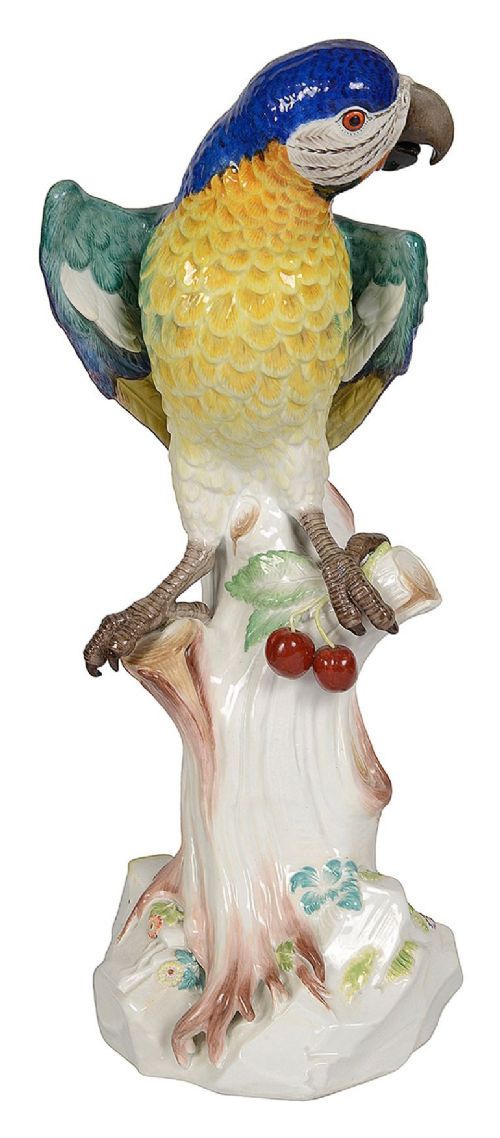
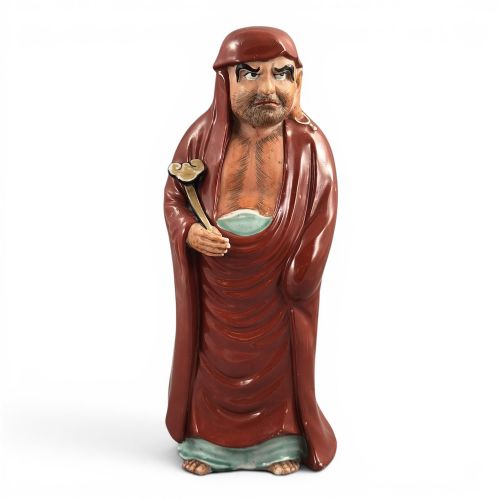
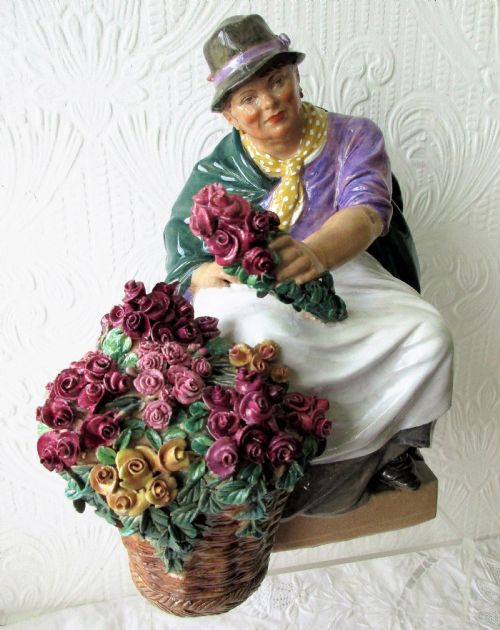
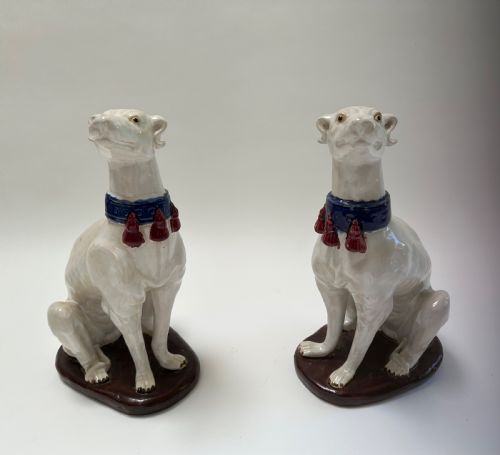
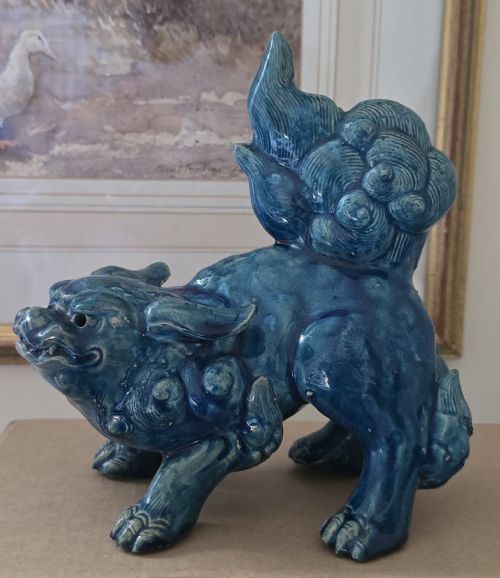
A glazed ceramic sculpture encompasses three-dimensional figures, animals, and decorative groups shaped from clay, porcelain, or earthenware. When exploring this selection, buyers encounter everything from large Meissen parrots and Victorian Staffordshire greyhounds to Chinese sancai-glazed funerary figures and Art Deco French cats.
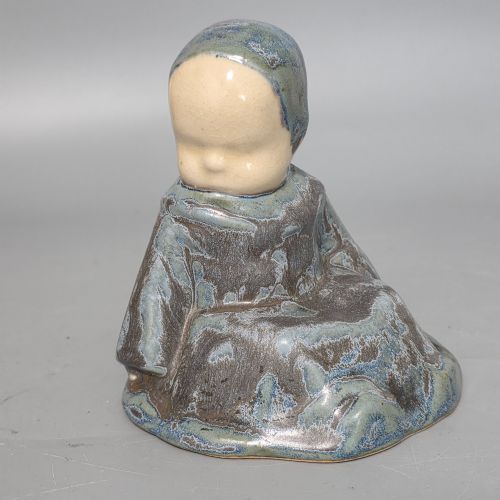
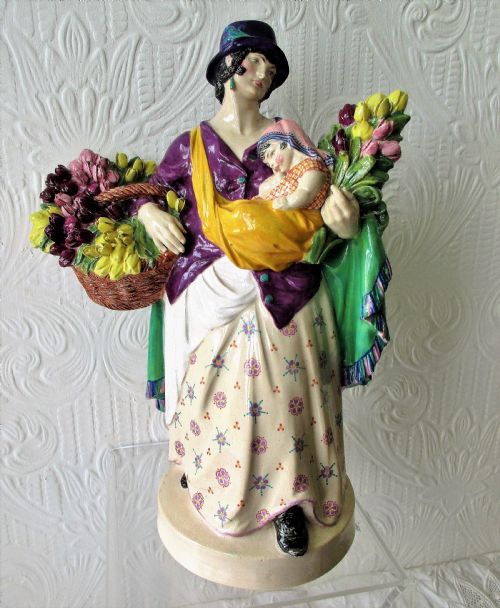
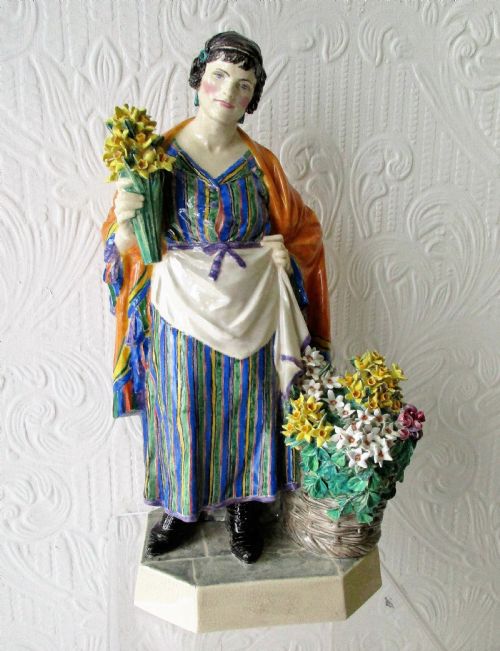
The objects derive from multiple traditions, including nineteenth-century European factories, East Asian export wares, and studio pottery pieces like those by Charles Vyse. Forms range from functional bookends and wall masques to classical deities, literary characters, and naturalistic animal studies.
Dated pieces span from eighteenth-century pearlware and soft-paste groups to twentieth-century stoneware and earthenware creations. This variety reflects changing domestic tastes, shifting global trade patterns, and the enduring appeal of modelled clay brought to life with vitreous coatings.
Materials and methods
Makers shaped these sculptures using plastic clays, fine earthenware, hard-paste porcelain, or soft-paste bodies, often pressing the material into moulds or hand-sculpting the forms. Once dried and bisque-fired, the pieces received coloured glazes, enamel paints, or metallic highlights before undergoing a final kiln firing to vitrify the surface.
Techniques varied widely by region and period, from the vibrant lead-based sancai glazes of Tang style pottery to the intricate hand-painted famille rose enamels on Chinese porcelain. European factories utilised glossy lead glazes, tin opacifiers for majolica, and smooth white porcelain bodies to capture fine details in drapery, feathers, and facial expressions.
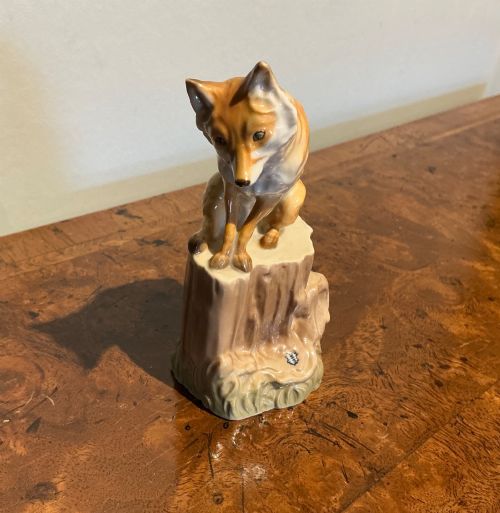
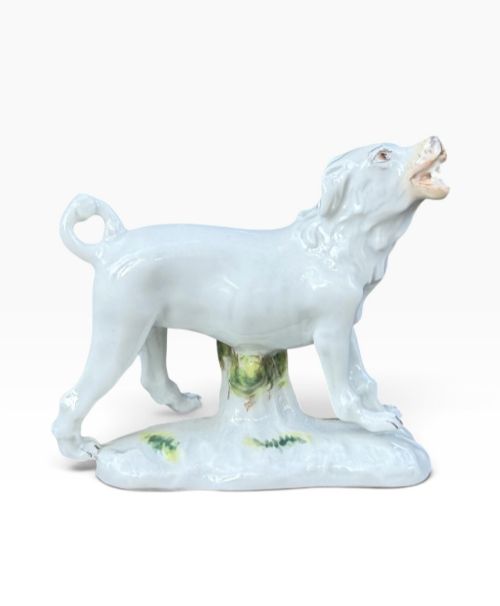
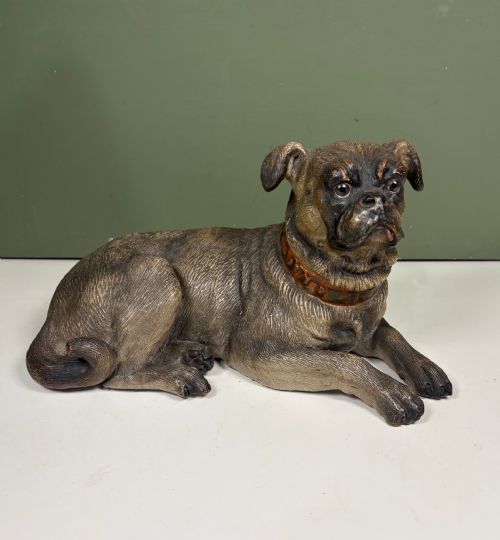
Glazed pugs, parrots, and pensive cats stare out from these shelves, proving that historical sculptors loved household pets just as much as we do.
Judging quality
The application of colour separates standard workshop output from exceptional pieces. Controlled brushwork, subtle shading, and stable kiln results produce harmonious surfaces, while inferior items often display clumsy pigment application, uneven firing flaws, or garish tones that obscure the underlying form.
Charles Vyse·Royal Dux Bohemia·Berthe Savigny·Meissen·Nymphenburg
The Glazed Ceramic Sculpture Glossary
- Sancai
- A traditional three-colour Chinese glaze technique, typically combining amber, green, and cream tones on pottery figures.
- Bisque
- Unglazed fired porcelain or ceramic, prized for its matte texture and ability to reveal delicate sculptural detail.
- Majolica
- Tin-glazed earthenware decorated with colourful metallic oxides, popular in Italian and European revivalist decorative arts.
- Okimono
- A Japanese term for a freestanding decorative figurine or carving designed for display in a domestic interior.
- Pearlware
- A refined fine earthenware developed in the eighteenth century, featuring a pale bluish-white glaze that pooled in recesses.
Glazed Ceramic Sculpture: Frequently Asked Questions
How do I clean an antique glazed ceramic sculpture?
Dust the surface gently with a soft, dry brush to prevent dirt accumulation in crevices and incised details. Avoid using water, detergents, or chemical cleaners, especially on pieces with delicate overglaze enamels or gold leaf.
Keep the sculpture away from direct sunlight and areas subject to sudden temperature shifts to protect the ceramic body and glaze integrity.
Were these sculptures meant for display or use?
Most pieces served purely decorative roles on mantelpieces, sideboards, and cabinets as symbols of status or refined taste. Some specialised forms, such as bookends, lamps, and vase figures, combined sculptural presence with domestic utility.
Export wares and studio figurines alike reflected the prevailing interior design trends of their respective eras.
How can I tell an older figure from a modern reproduction?
Examine the base for kiln marks, factory stamps, or wear patterns appropriate to the stated period and manufacturing technique. Hand-modelled pieces and older glazes show subtle irregularities, crazing, and handling marks that distinguish them from mass-produced modern casts.
Familiarity with the specific palette, clay body, and potting style of the era helps confirm authenticity.
What does sancai glaze mean on pottery figures?
Sancai translates to three colours, referring to the lead-glazed earthenware tradition originating in ancient China. These pieces use characteristic amber, green, and cream or white tones that run and mingle naturally during the firing process.
Later European and studio potters frequently adopted this distinctive aesthetic for animal and figural sculptures.