

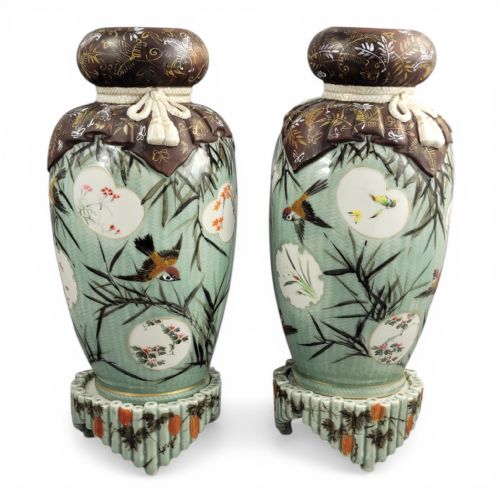


Glazed Ceramic Bird Pair
These glazed ceramic bird pair selections bring avian form into your interior through centuries of international kiln traditions.
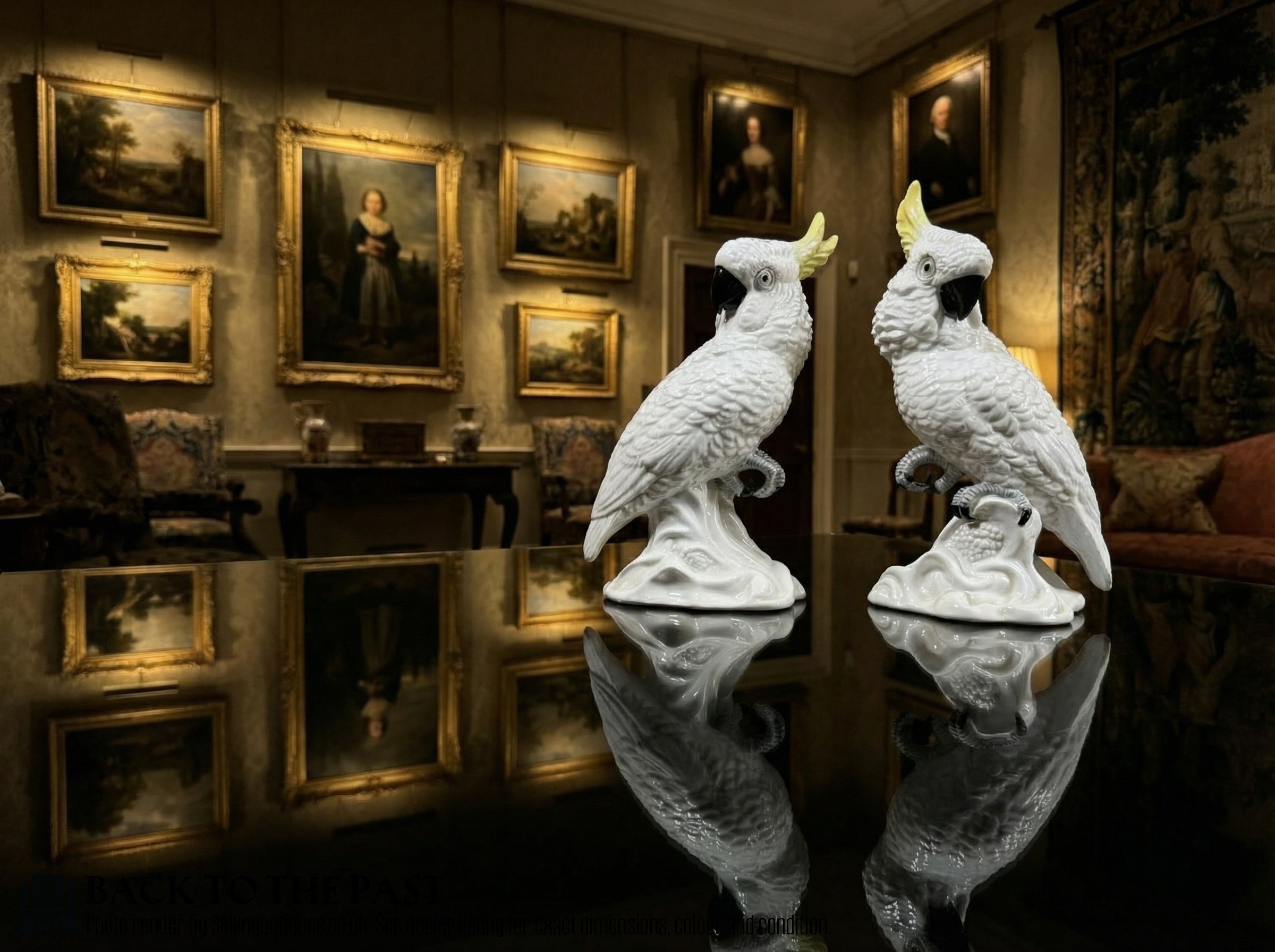
Glazed Ceramic Bird Pair
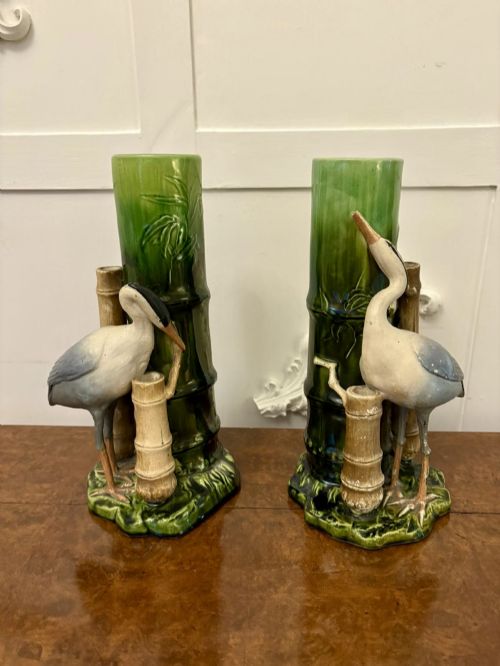
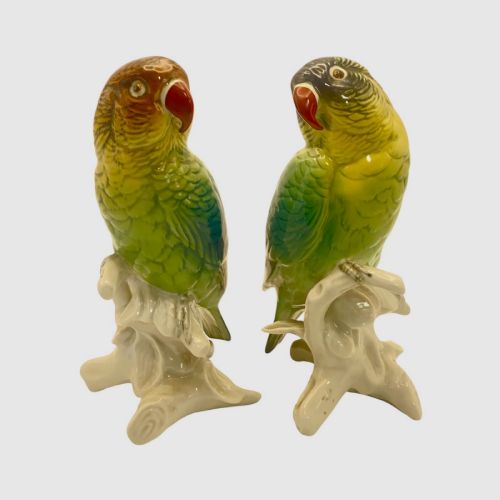
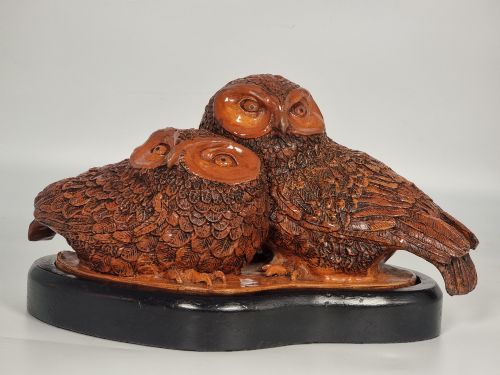
A glazed ceramic bird pair brings avian figures into the home across various international traditions spanning the eighteenth century through to the mid twentieth century. When you search for a glazed ceramic bird pair, you encounter matched sets of porcelain parrots, earthenware owls, and faience partridge-tureens.
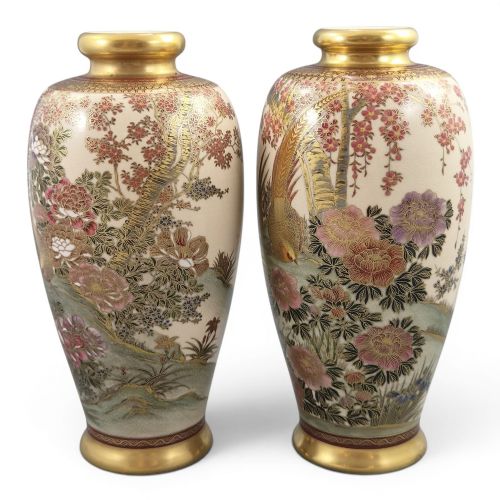
The selections range from European studio pottery and German art porcelain to Japanese Satsuma and Seto porcelain, alongside Chinese Qing dynasty cockerels and Ming style ducks. Figures often appear on matching bases or as sculptural vessels designed for display.
Domestic display forms dominate the current grouping, uniting decorative figurines with functional tureens and vases featuring avian motifs. Each matched pair demonstrates the persistent appeal of rendering feathered subjects in glazed clay.
How they were made
Potters shaped these figures using porcelain and earthenware bodies, frequently applying tin-glaze, sancai glaze, or polychrome faience. Hand sculpting created three-dimensional forms such as owls and cockatoos before kiln firing set the ceramic body.
Makers integrated decorative enhancements including enamel pigments and gold leaf details over the primary glaze layers. Certain examples incorporate ebonised wood bases or fitted porcelain stands to support the paired sculptures.
Several feathered sitters refuse to fly away, remaining permanently anchored to their ebonised wooden stages.
What varies in quality
Quality rests in the precision of the hand sculpting and the complexity of the glaze application across both items in the set. Finer examples display meticulous feather detail and balanced symmetry between the two figures.
The depth of the enamel work and the preservation of delicate overglaze details distinguish superior studio and factory production. Uniformity in the matching pair indicates careful sorting and firing control by the maker.
Karl Ens·Manpei Kobe·Kato Sanhei·T.J Jones
The Glazed Ceramic Bird Pair Glossary
- Tin-Glazed Earthenware
- Earthenware coated with a tin oxide glaze that provides a white, opaque surface for painted decoration. This technique underpins traditional European faience and delftware production.
- Sancai
- A three-colour glaze tradition typically utilising amber, green, and cream or white tones. Chinese kilns applied these mineral glazes to earthenware and porcelain figures.
- Satsuma
- Japanese pottery featuring a crackle-glaze earthenware body decorated with polychrome enamels and gilding. These wares were produced extensively for export during the nineteenth and early twentieth centuries.
- Faience
- European tin-glazed earthenware decorated with coloured metal oxides before a final kiln firing. The method allows for intricate painted designs on domestic vessels and figural tureens.
- Porcelain
- A vitrified ceramic material made from clay containing kaolin, fired at high temperatures to achieve a dense, non-porous body. It permits fine detail in figural sculpture.
Glazed Ceramic Bird Pair: Frequently Asked Questions
How do I clean antique ceramic birds?
Dust the surfaces gently with a soft, dry brush to prevent accumulation. Avoid submerging pieces with applied gold leaf or enamel in water.
Inspect the glaze condition before attempting any cleaning method. Professional conservation advice is recommended for fragile historical ceramics.
What is sancai glaze?
Sancai is a traditional three-colour lead glaze system originating in China. It typically combines amber, green, and cream tones that run together during the firing process.
Potters applied this technique to earthenware figures and vessels to create rich surface variation. The style remains influential in later revival pieces.
Where were Satsuma vases made?
Satsuma wares originated in Satsuma Province on the southern Japanese island of Kyushu. Production later expanded to urban centres like Kyoto and Kobe to meet export demand.
These pieces are recognised by their ivory-coloured crackle glaze and detailed enamel painting. Many carry maker marks on the underside.
Are these bird figures purely decorative?
Many examples function solely as decorative sculptures or mantel ornaments. Others, such as partridge-tureens, were designed to hold food at the dining table.
Factory figures and studio pottery alike prioritize visual display over utilitarian purpose. Matched pairs are typically arranged symmetrically in interior settings.