

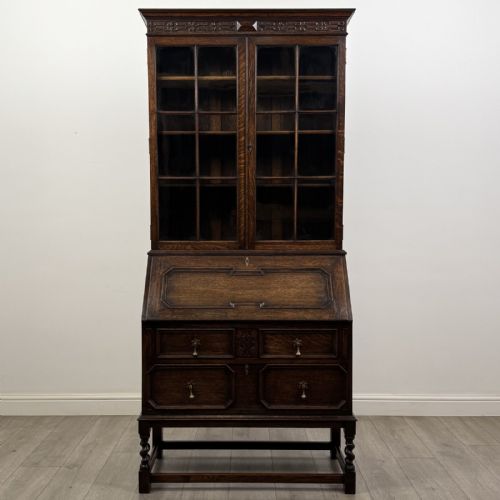
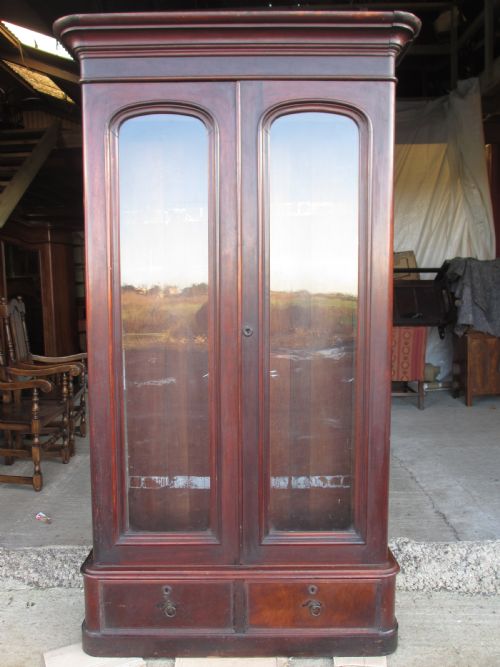
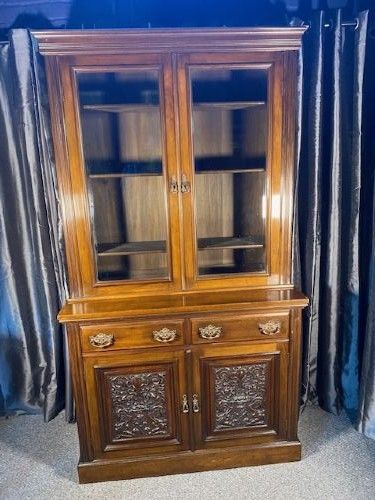
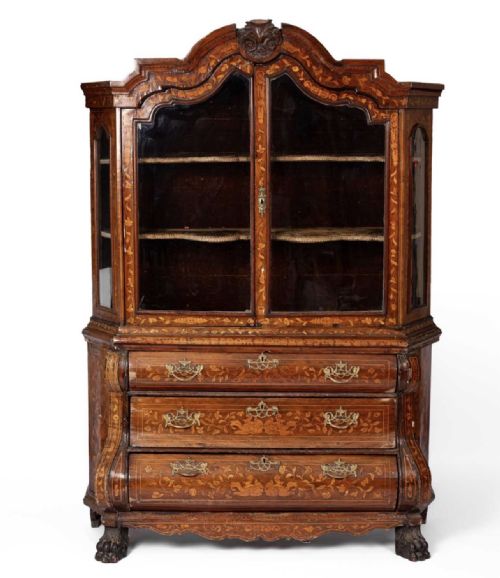
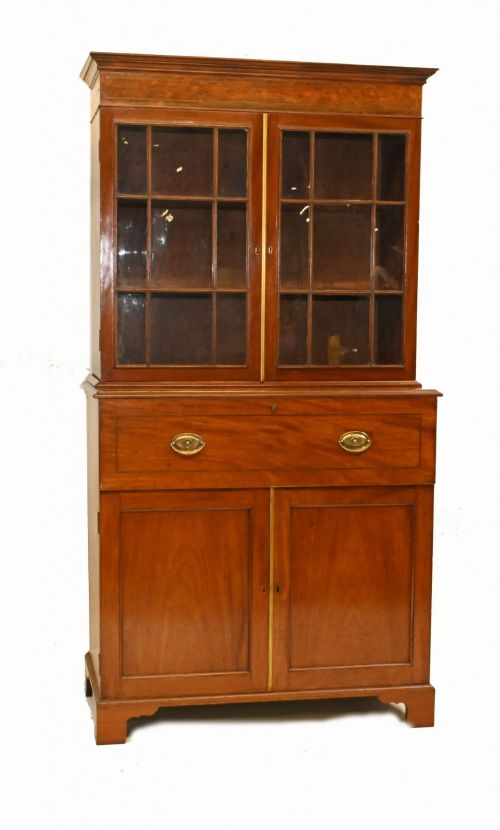
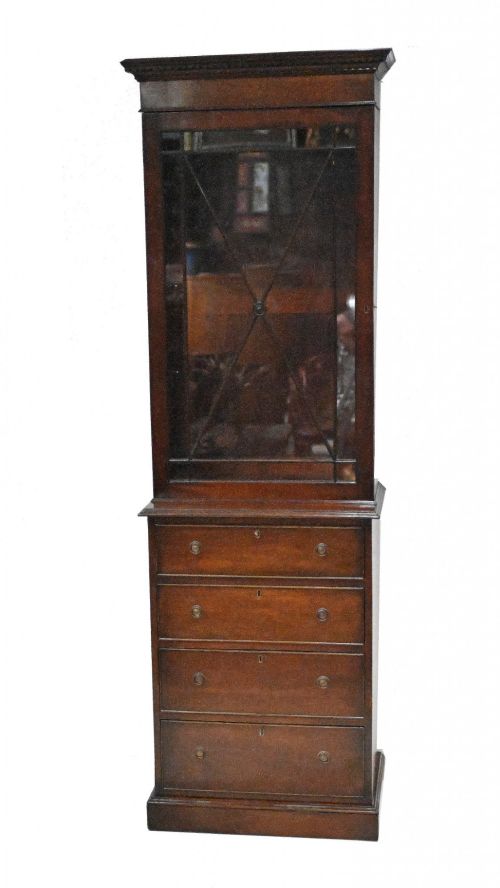
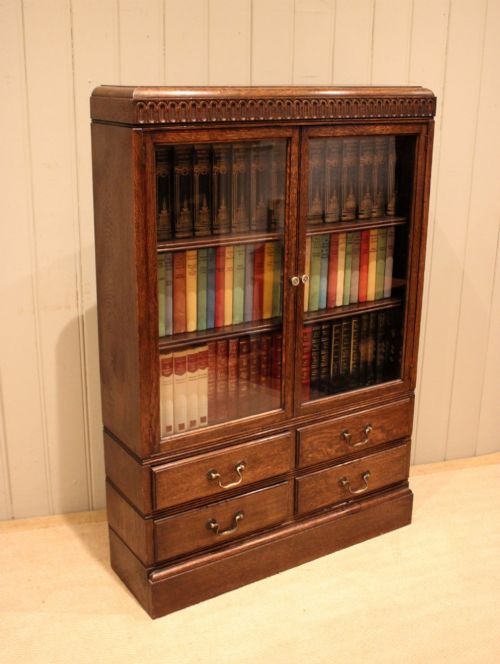
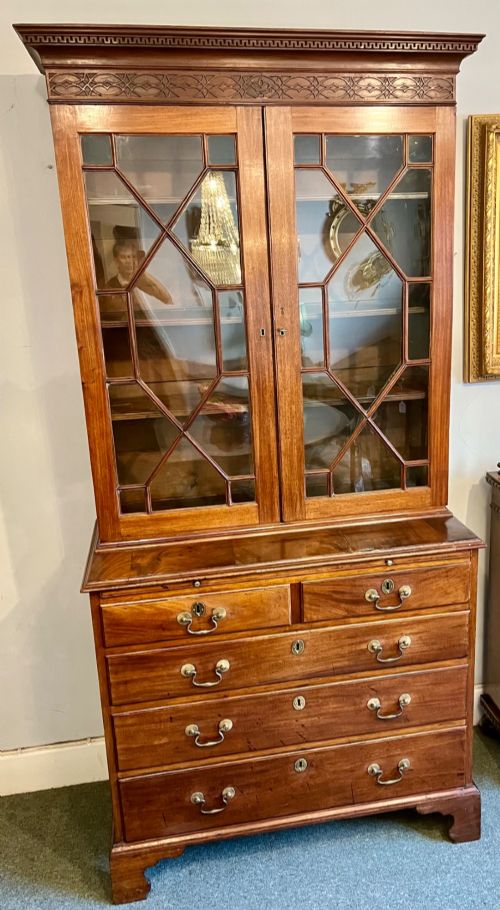
Glazed Cabinet with Drawers
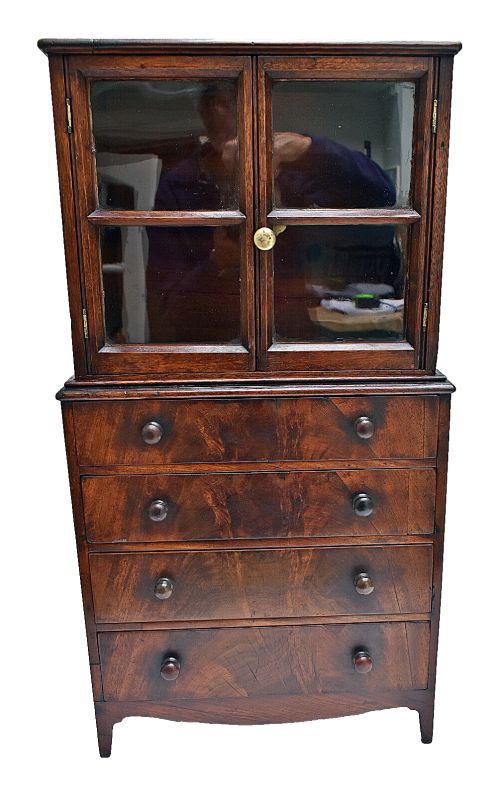
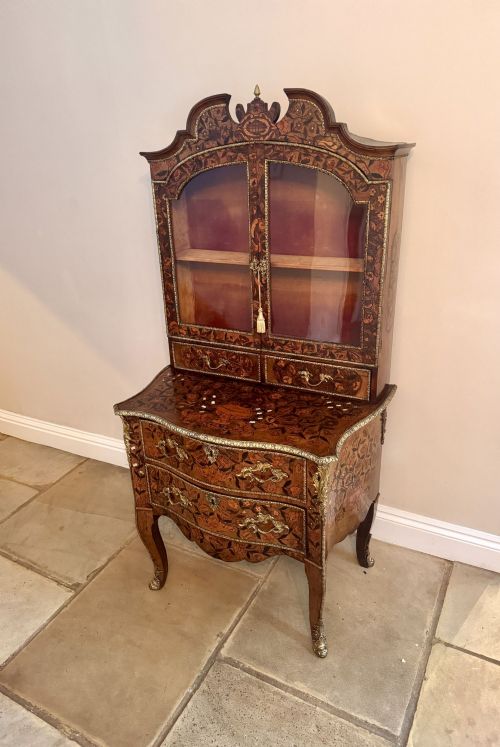
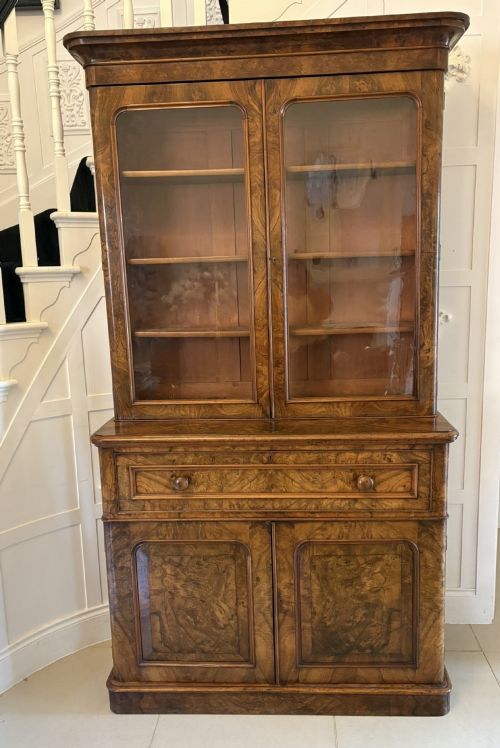
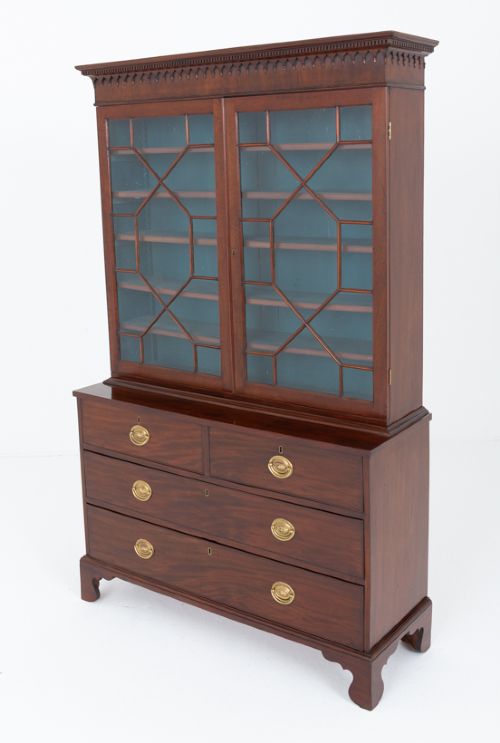
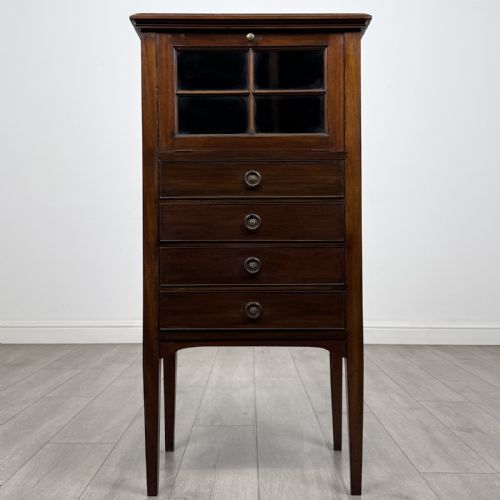
These glazed cabinet with drawers pieces combine upper display space with lower storage, offering a practical form for books and collections.
Glazed Cabinet with Drawers
A glazed cabinet with drawers appears in multiple forms across the periods, most commonly as bookcases, secretaire bookcases, and display cabinets. Buyers seeking this phrase encounter pieces ranging from the 18th century through the Georgian, Victorian, and Edwardian eras.
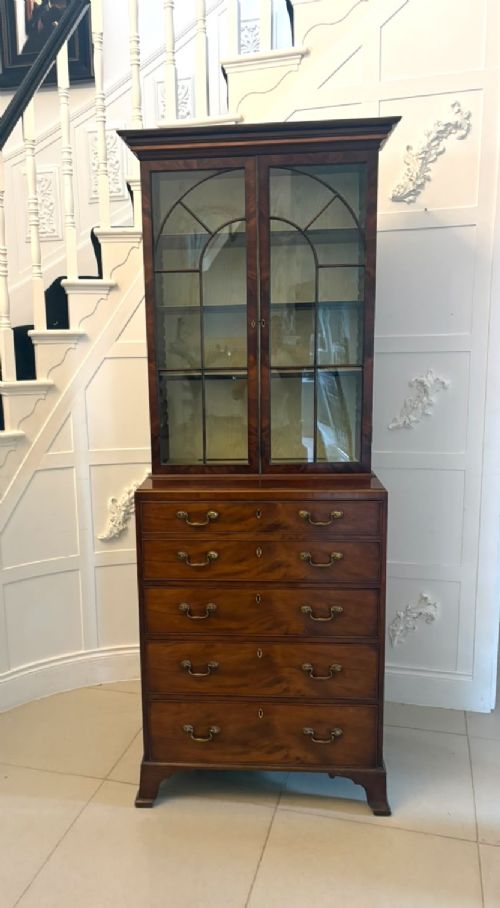
The layout typically pairs upper glass doors for viewing contents with lower wooden drawers or cupboards. Bookcases on chests and bureau bookcases form a significant portion of the selection.
Regional variations include dressers and corner cabinets fitted with glass and drawers, constructed from woods such as mahogany, oak, and walnut.
Materials and construction
Carpenters utilised solid timbers and veneers, predominantly mahogany, oak, and walnut, frequently accented with satinwood, rosewood, or maple marquetry. Structural integrity relied on traditional joinery methods suited to large case furniture.
Glass panels are held by wooden astragals or lead came, while drawers incorporate brass pulls, handles, and locks. Ormolu mounts and gilt detailing appear on select display cabinets and credenzas.
Glazed Cabinet with Drawers Retail Price Guide 2026
Typical asking prices for glazed cabinet with drawers among the pieces listed under this phrase on Sellingantiques today, from the lower quarter to the upper quarter. They describe what is for sale here now, not the wider market.
Glazed cabinet forms span bureau bookcases, display cabinets, corner cupboards, and Cornish dressers.
Craftsmanship and proportion
Quality rests in the selection of figured timber veneers, such as flame mahogany or burr walnut, and the precision of the cabinet maker's joinery. Proportions remain balanced between the glazed upper section and the drawer base.
Interior fittings, including adjustable shelving, fitted writing drawers with pigeonholes, and original brass hardware, separate standard workshop output from finer production.
James Winter & Sons·Short & Mason·Gillows
The Glazed Cabinet with Drawers Glossary
- Astragal
- The wooden moulding strips that divide panes of glass within a glazed door. These form geometric patterns characteristic of Georgian and Victorian cabinet work.
- Secretaire
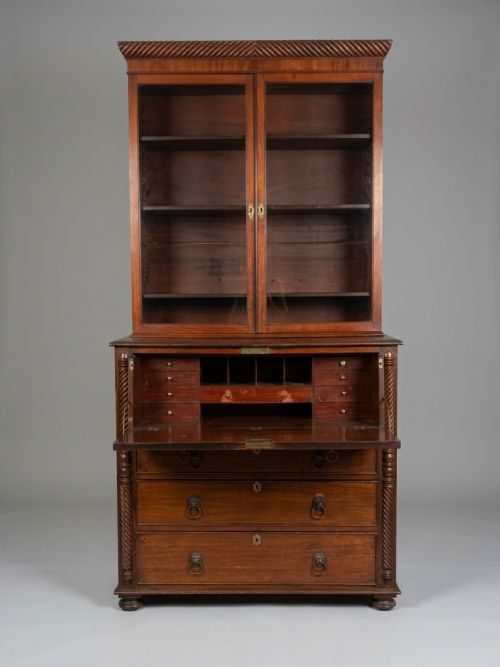
- A desk disguised as a drawer that pulls down to reveal a writing surface and small pigeonholes. This feature integrates a writing desk into a bookcase or cabinet.
- Globe Wernicke
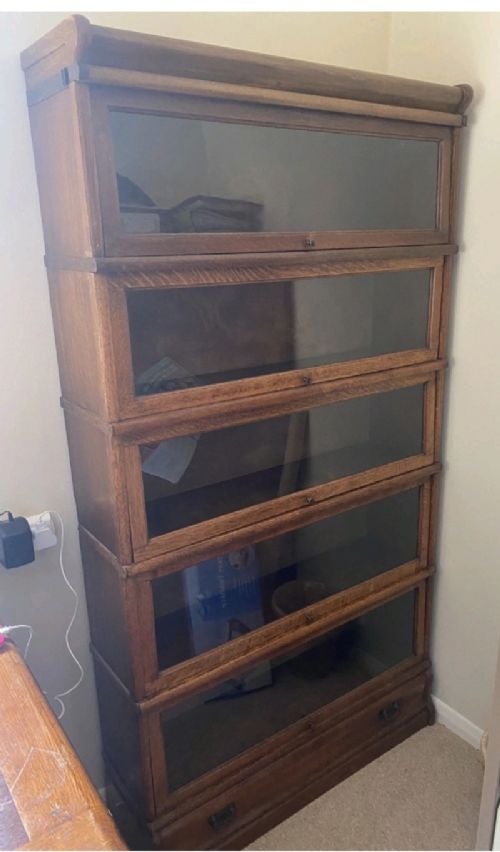
- A sectional barrister bookcase system built with modular stacking units and glazed upward-lifting doors. It incorporates a drawer base in certain configurations.
- Breakfront
- A cabinet design where the central section projects forward from the flanking wings. This architectural arrangement creates depth across larger library bookcases.
- Ormolu
- Gilt-bronze mounts applied as decorative ornaments to furniture. They appear on Victorian walnut and credenza pieces.
Glazed Cabinet with Drawers: Frequently Asked Questions
What is a secretaire bookcase?
A secretaire bookcase combines a traditional upper glass-fronted library cabinet with a drop-front desk drawer at mid-height.
Inside the drop-front, fitted compartments and small drawers provide space for writing materials while keeping the lower drawers intact.
How do I date a mahogany cabinet?
Dating relies on timber choice, construction methods, and hardware styles observed across periods like the Georgian and Victorian eras.
Solid mahogany and hand-cut dovetails generally indicate earlier 18th or early 19th-century origins, whereas machine-sawn elements point toward later Victorian and Edwardian production.
Where were corner cabinets placed?
Corner cabinets were designed to fit directly into room angles, making efficient use of otherwise unused domestic space.
Tall freestanding versions and wall-hanging variants both provided secure display for glassware and spirits behind glazed doors.
What is a Globe Wernicke bookcase?
A Globe Wernicke bookcase is a modular sectional system patented in the late 19th century.
Individual tiers stack together, featuring glass doors that slide upward into the cabinet to allow access to books.