
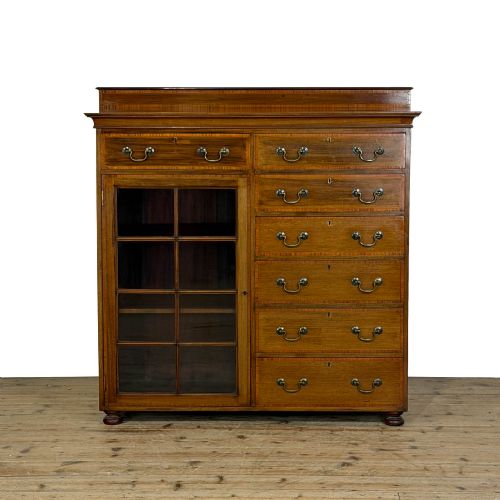
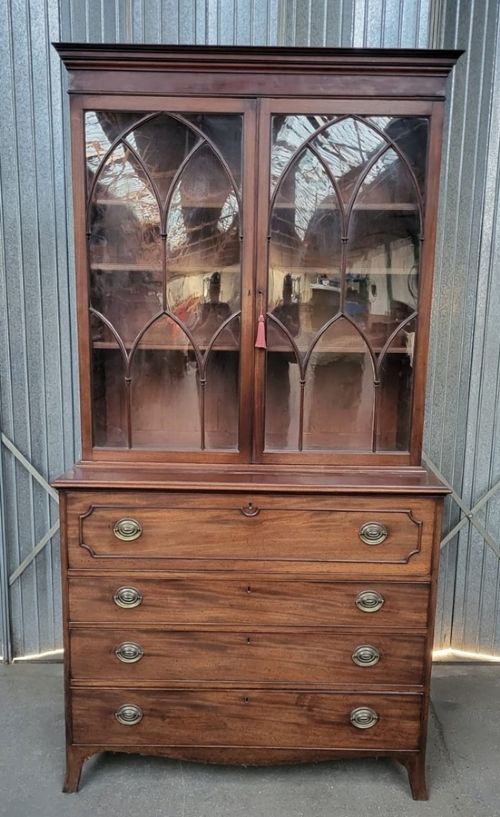
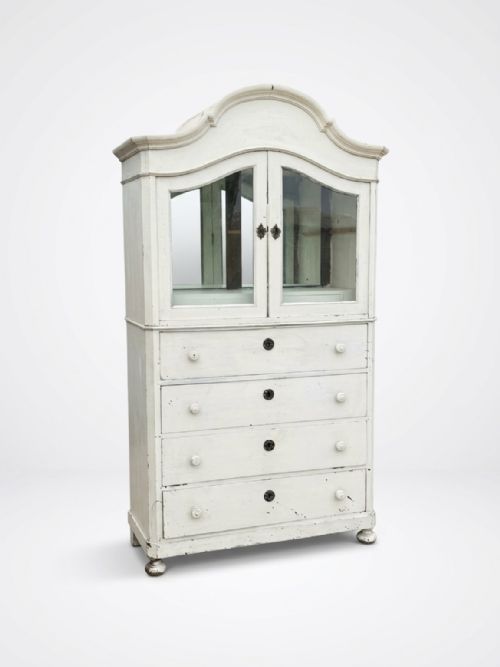
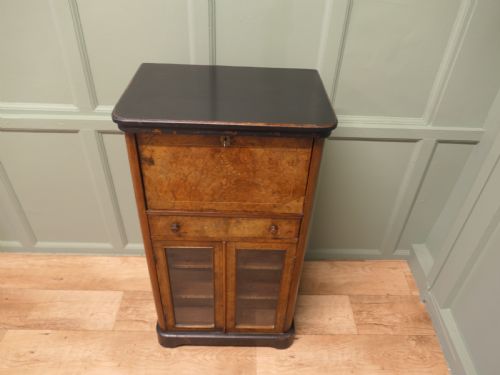
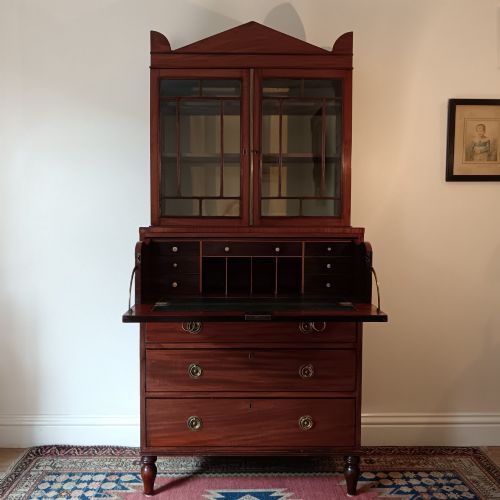
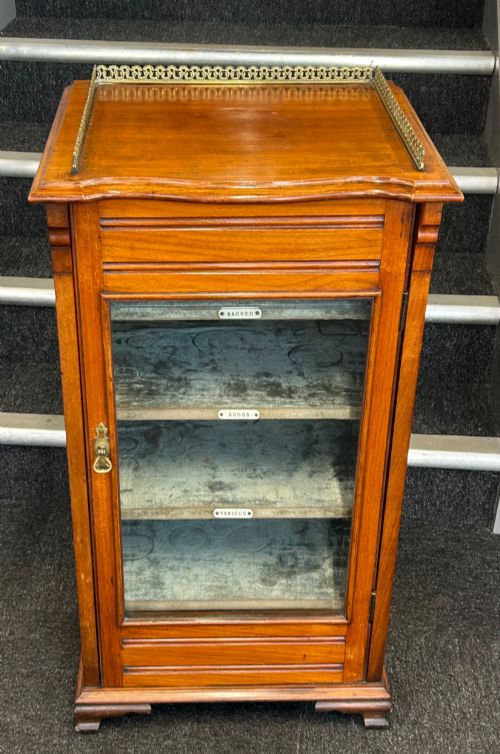
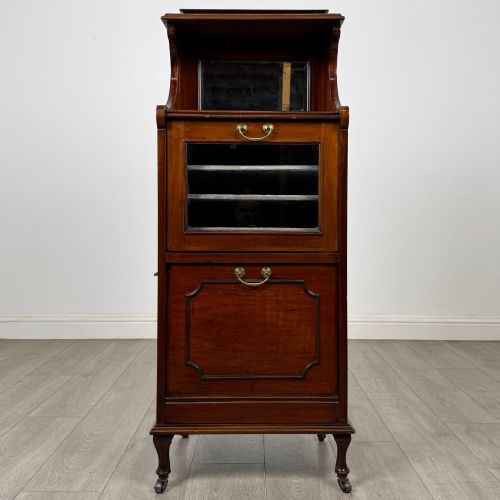
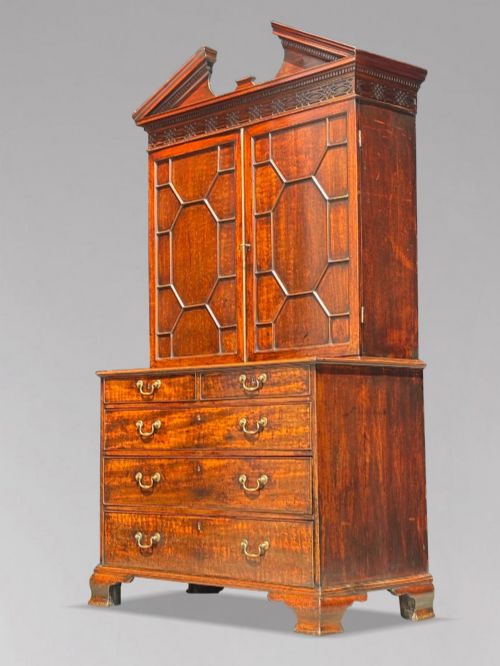
Glazed Cabinet on Chest
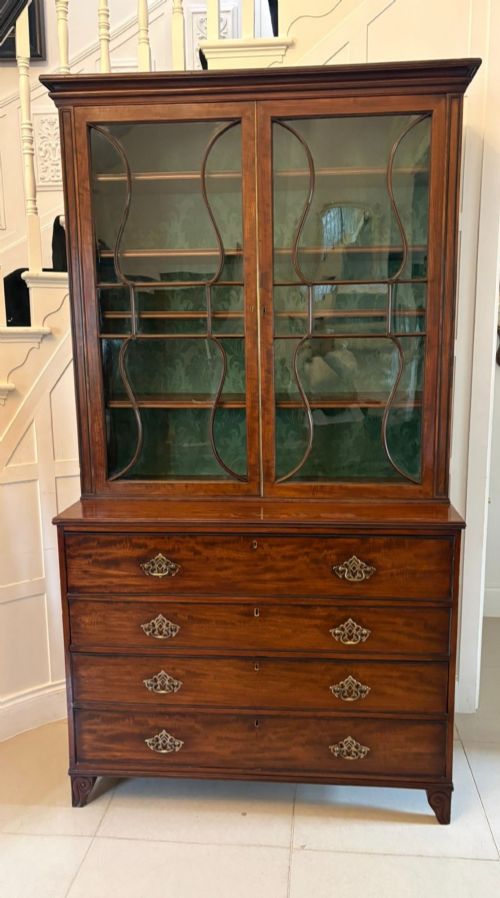
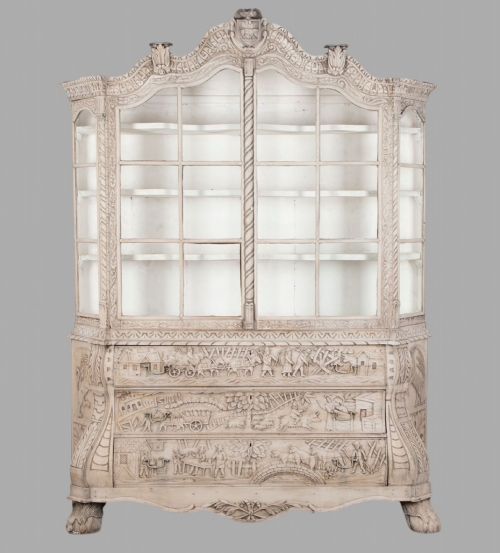
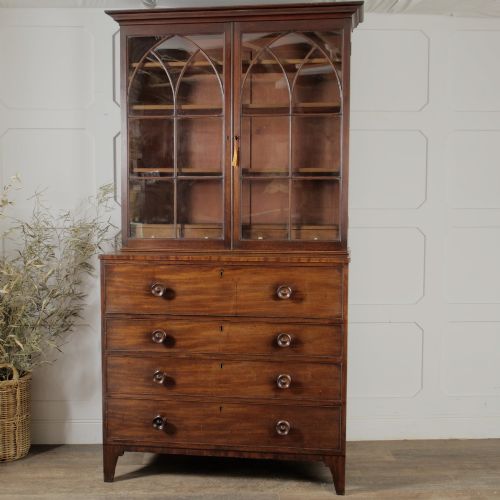
A glazed cabinet on chest unites upper display space with lower drawer storage, offering a traditional solution for books and collections.
Glazed Cabinet on Chest
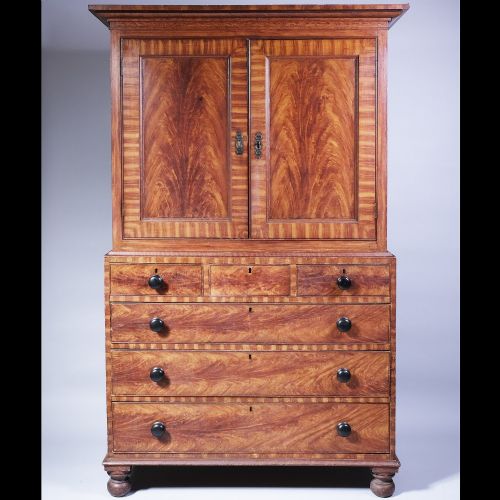
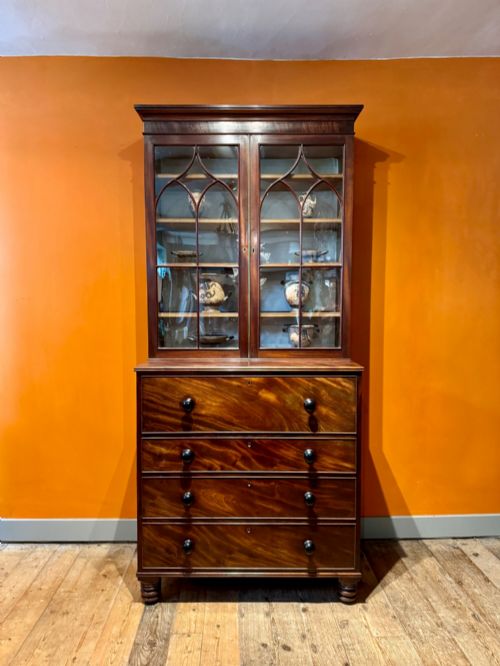
When you search for a glazed cabinet on chest, you encounter a dual-purpose form comprising an upper display section with glass doors seated upon a lower chest of drawers. These pieces span the 18th century, Georgian, Regency, Victorian, and Edwardian periods.
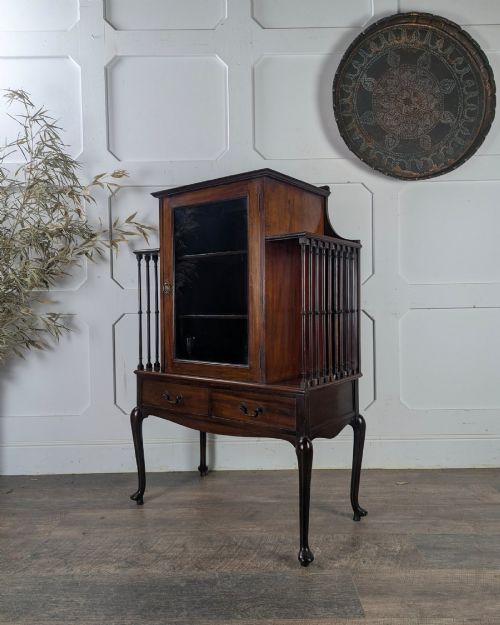
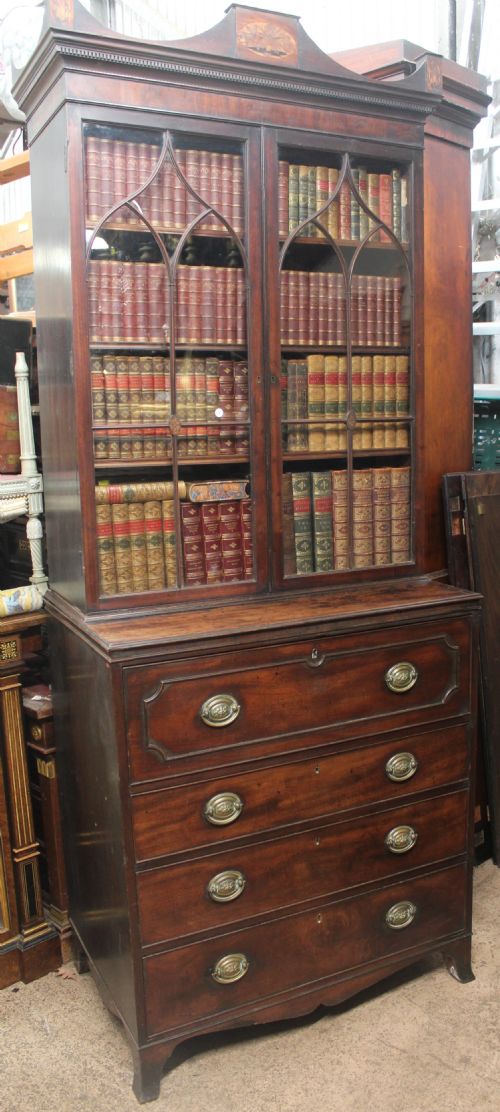
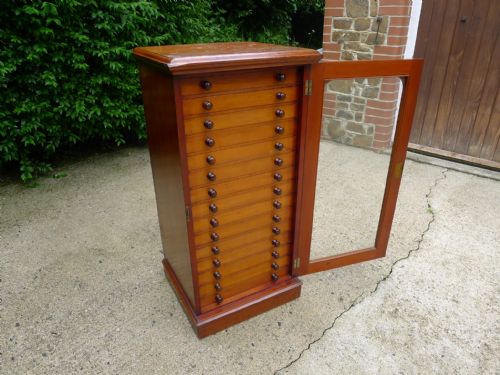
The selections on this page include secretaire bookcases, display cabinets, music cabinets, and multi-drawer collectors cabinets. Formats range from English mahogany designs to Dutch marquetry walnut cabinets and Swedish bonnet top examples.
Makers such as Thomas Chippendale, George Oakley, Edwards & Roberts, and Brady of Edmonton appear alongside unassigned pieces. Construction materials feature mahogany, walnut, burr walnut, oak, satinwood, pine, and teak.
How they were made
Timbers like mahogany and walnut provide structural carcasses, frequently enhanced with burr walnut veneers, satinwood, or intricate marquetry inlay. Glass panels are set into framed doors, often featuring astragal glazing bars.
Lower sections utilise brass hardware for drawer pulls and fitted secretaire interiors, while specialised pieces incorporate numerous small internal drawers for collectors or sheet music.
Listings feature mahogany, walnut, burr walnut, oak, satinwood, pine, and teak across 18th-century, Georgian, Regency, Victorian, and Edwardian periods.
What varies in quality
The refinement of timber selection and inlay work marks the distinction between standard workshops and master makers. Figured mahogany, elaborate marquetry, and satinwood detailing elevate the standing of a piece.
Internal complexity also sets examples apart, such as fitted secretaire compartments with multiple small pigeonholes or multi-drawer configurations built for specific collections.
Thomas Chippendale·George Oakley·Edwards & Roberts·Brady of Edmonton·Watkins & Doncaster
The Glazed Cabinet on Chest Glossary
- Secretaire bookcase
- A cabinet featuring a pull-down writing drawer that conceals a fitted interior of small drawers and pigeonholes.
- Astragal glazing
- Wooden bars that divide glass panes into smaller geometric sections within cabinet doors.
- Marquetry
- Decorative veneer work arranged in pictorial or floral patterns using various coloured woods.
- Collectors cabinet
- A multi-drawer cabinet designed specifically for organising specimens such as insects or small artefacts.
- Vitrine
- A glass-fronted display cabinet used for showing porcelain or ornaments.
Glazed Cabinet on Chest: Frequently Asked Questions
What is a glazed cabinet on chest?
A glazed cabinet on chest combines an upper display section with glass doors and a lower set of drawers. This form allows for both the display of books or objects and the concealed storage of household items.
Such pieces evolved through the Georgian, Regency, and Victorian eras, taking forms ranging from library bookcases to music cabinets.
What woods were used in these cabinets?
Cabinet makers utilised mahogany and walnut as primary hardwoods, frequently selecting figured veneers or burr walnut for visual depth. Oak, satinwood, pine, and teak also appear.
Inlay work incorporates contrasting timbers to create floral or geometric marquetry patterns across the surfaces.
How do collectors cabinets differ from standard bookcases?
Collectors cabinets contain numerous shallow drawers designed to hold specimens, insects, or small objects rather than large books. They feature many small internal compartments instead of open shelving.
Examples from makers like Brady of Edmonton or Watkins & Doncaster often house dozens of fitted drawers.