


Glazed Cabinet Furniture
Glazed cabinet furniture brings together timber and glass to display and protect valued possessions, drawing on centuries of craftsmanship from the Georgian period to Art Deco.
Glazed Cabinet Furniture
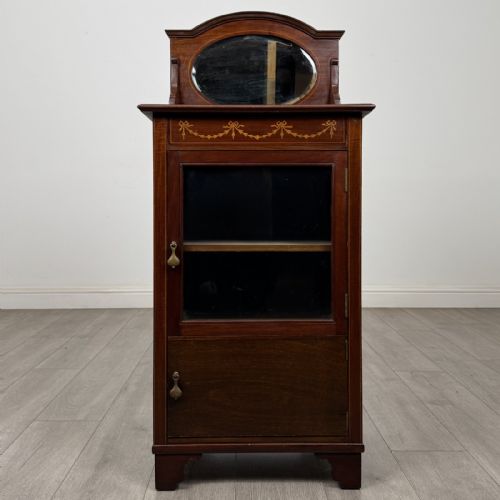
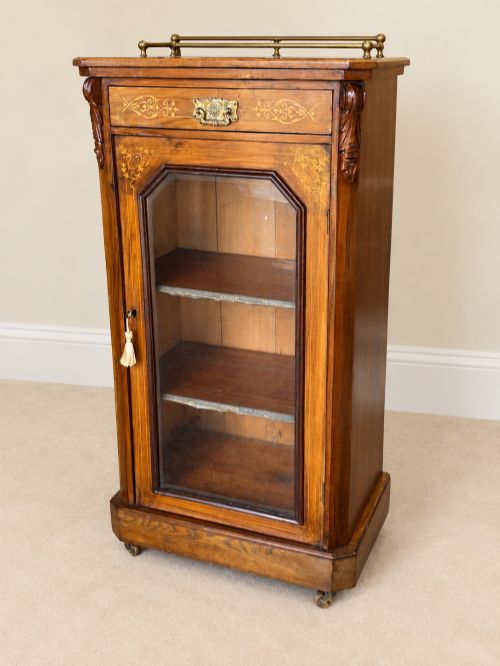
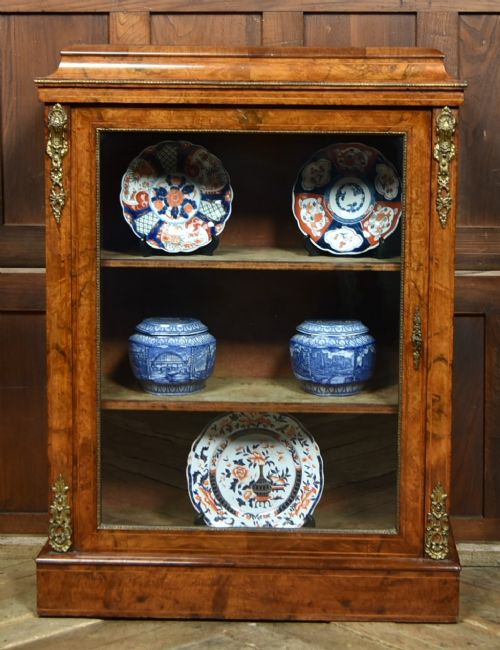
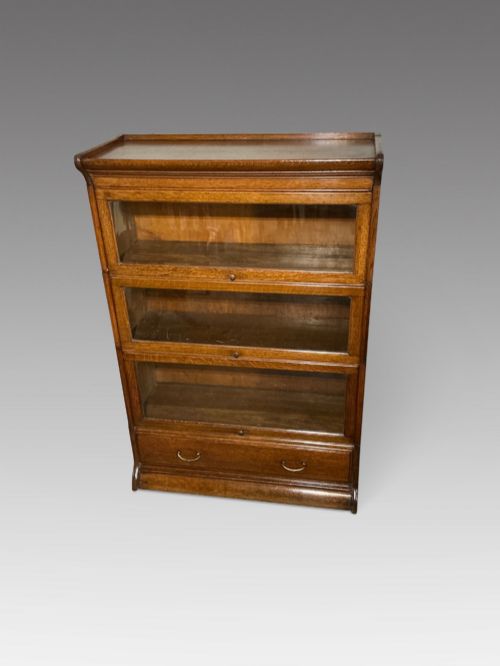
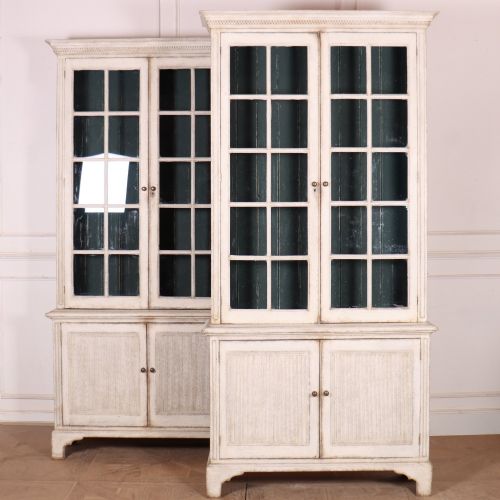
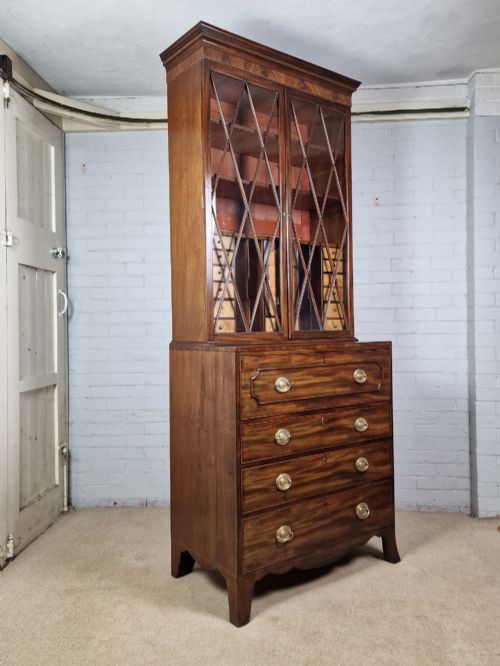
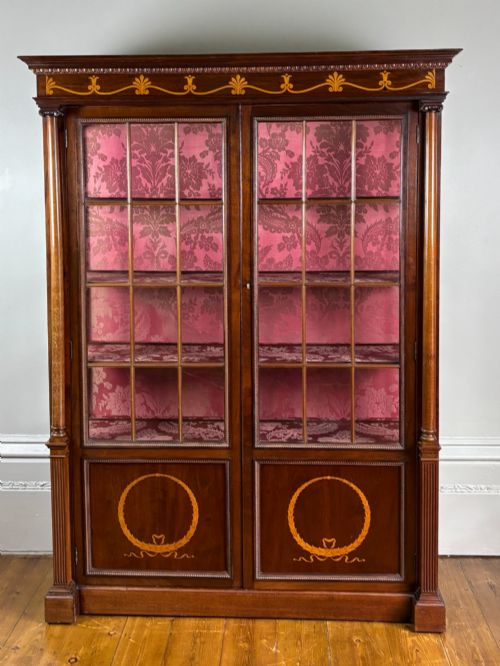
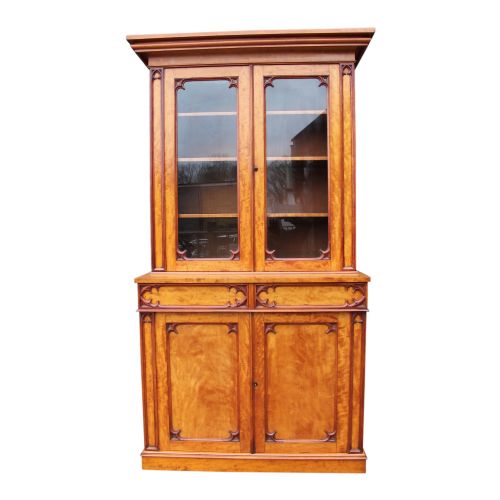
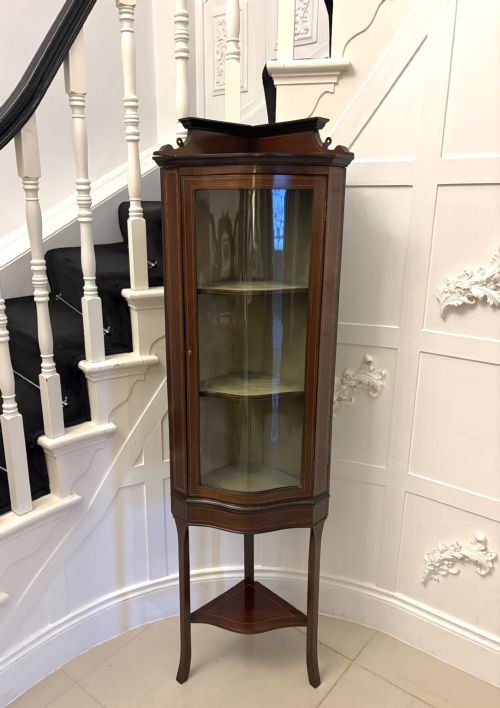
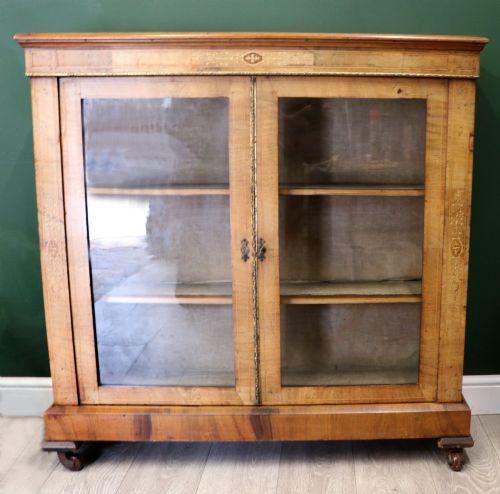
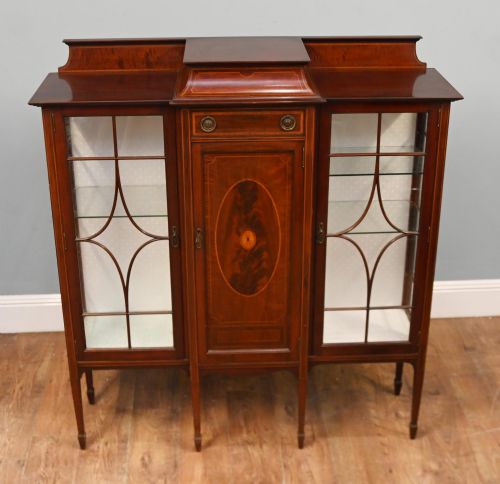
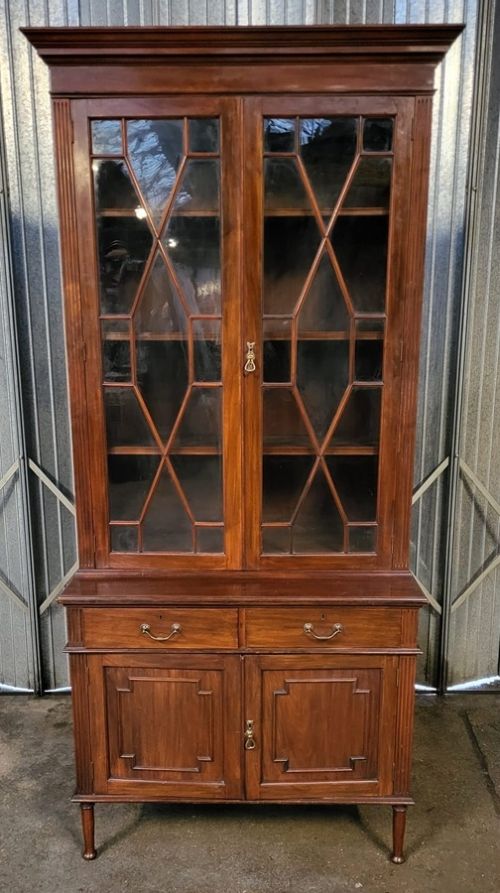
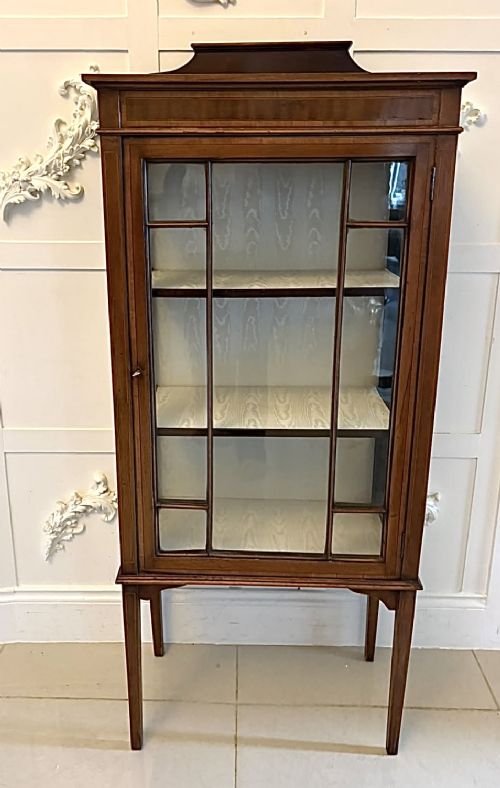
Glazed cabinet furniture encompasses a diverse selection of display cabinets, bookcases, secretaire bookcases, and pier cabinets spanning the Georgian, Victorian, Edwardian, and later periods. Buyers seeking these pieces encounter everything from compact oak corner cupboards and walnut pier cabinets to large mahogany breakfront bookcases and Dutch marquetry display cabinets.
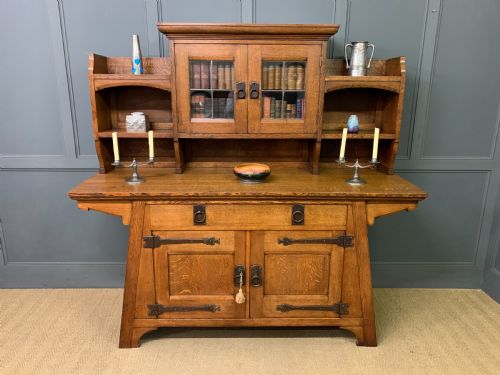
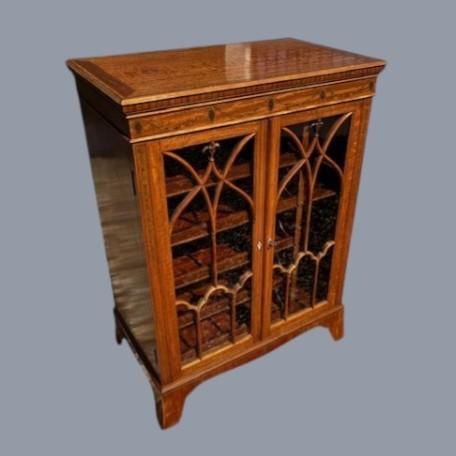
The selection ranges from vernacular pine farmhouse cupboards to sophisticated Sheraton Revival satinwood vitrines and Arts and Crafts oak designs. Regional and international influences appear frequently, including French Empire bookcases, Anglo-Indian carved hardwood cabinets, and Japanese Meiji lacquer pieces.
Materials and Technique
Cabinet makers utilised primary hardwoods such as mahogany, oak, walnut, and satinwood, frequently enhanced by decorative veneers, marquetry inlay, and contrasting timbers like amboyna and ebony. Structural integrity relied on traditional joinery, while glass panes were secured within timber doors, sometimes complemented by brass hardware and ormolu mounts.
Surface preparation involved polishing, French polishing, or carving, particularly evident in Gothic Revival, Art Deco, and vernacular pieces. Cabinet construction accommodated specialised interior fittings, including adjustable shelving, fitted desk sections in secretaire bookcases, and mirrored backs in display cabinets.
Glazed Cabinet Furniture Retail Price Guide 2026
Typical asking prices for glazed cabinet furniture among the pieces listed under this phrase on Sellingantiques today, from the lower quarter to the upper quarter. They describe what is for sale here now, not the wider market.
Apprentice-made miniature cabinets offered young woodworkers a chance to prove their joinery skills before joining the guild.
Markers of Distinction
Quality in glazed cabinet furniture rests upon the selection of timber figures, such as burr walnut or figured mahogany, and the precision of inlaid marquetry and parquetry. Superior examples exhibit refined proportions, clean joinery, and well-executed secondary details like carved cornices or fitted interiors.
Maker attribution and the integrity of the original glass and brassware elevate certain pieces above standard production. The balance between structural robustness and delicate decorative elements determines the overall standing of a cabinet within its period.
Maple & Co.·Gunn Furniture·Lebus·Gillows·Edwards & Roberts
The Glazed Cabinet Furniture Glossary
- Vitrine
- A glass-fronted display cabinet designed specifically for the exhibition of porcelain, curiosities, or small objects. These pieces often feature glazed sides to maximise light penetration.
- Secretaire bookcase
- A tall storage form combining upper bookshelf sections with a pull-down writing drawer enclosing fitted small drawers and pigeonholes. This dual function served both library and writing needs.
- Marquetry
- The art of applying decorative veneer pieces in wood, metal, or shell to form pictorial or geometric patterns on a carcase. It requires considerable skill to fit the precise pieces together.
- Breakfront
- A cabinet design where the central section projects forward from the flanking wings. This architectural arrangement creates depth and visual interest in large bookcases and sideboards.
- Pier cabinet
- A narrow cabinet specifically built to stand against the wall space between windows, known as a pier. They frequently incorporate glazed doors to display collectibles in domestic interiors.
Glazed Cabinet Furniture: Frequently Asked Questions
What is a secretaire bookcase?
A secretaire bookcase combines upper shelving for books with a central drawer that folds down to reveal a writing surface and small internal compartments.
This hybrid form allowed owners to manage correspondence and study within the library without requiring a separate desk.
How do I clean antique glass?
Antique glass requires gentle cleaning with a soft cloth and mild, non-ammonia solution applied directly to the cloth rather than the wood.
Harsh chemical sprays can damage aged timber surrounds, original French polish, and delicate brass glazing bars.
Are these cabinets suitable for books?
Many glazed cabinet furniture pieces, particularly bookcases and sectional variants, were built specifically to store and protect volumes from dust.
Adjustable shelving found in nineteenth-century and Edwardian examples allows for the accommodation of various book heights.
How do I distinguish Victorian from Edwardian cabinets?
Victorian cabinets often utilise darker timbers like walnut and mahogany with heavy cornices, deep carving, and robust proportions.
Edwardian pieces frequently embrace lighter satinwood, Sheraton Revival influences, inlaid decoration, and a brighter overall aesthetic.