
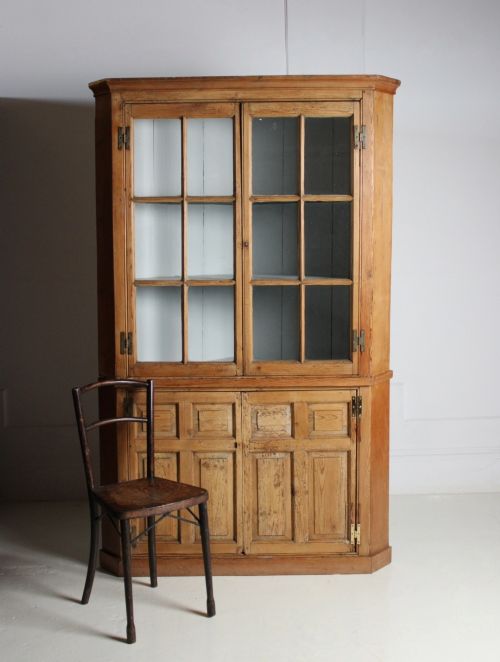
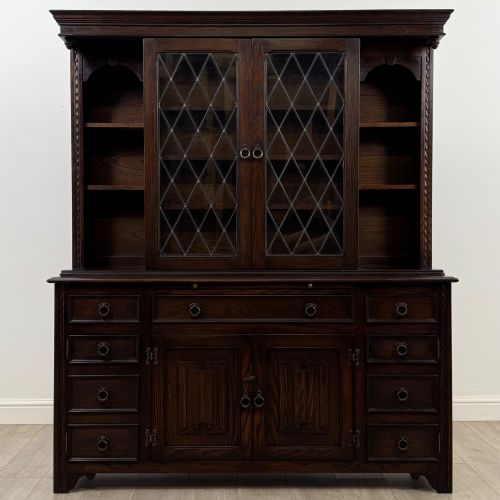
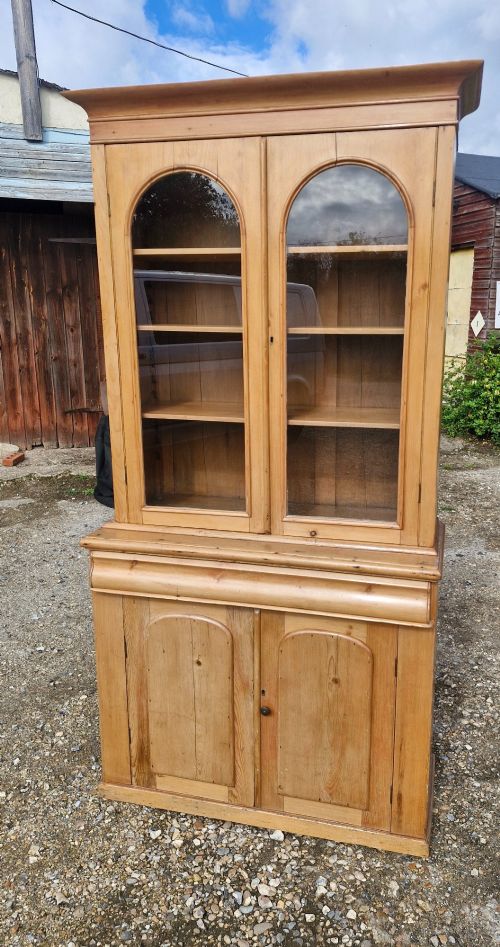
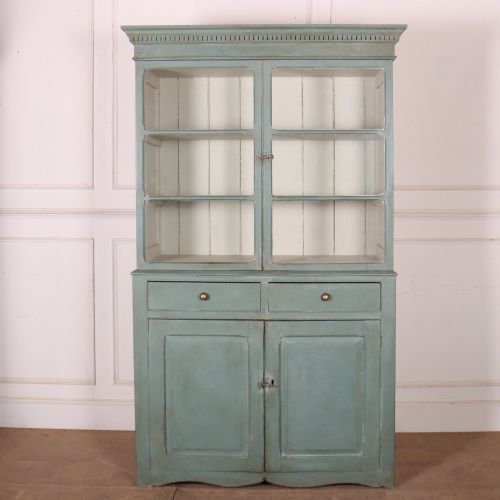
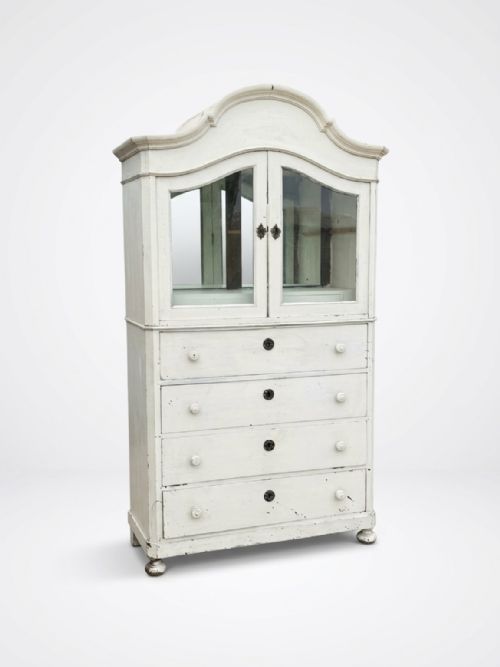
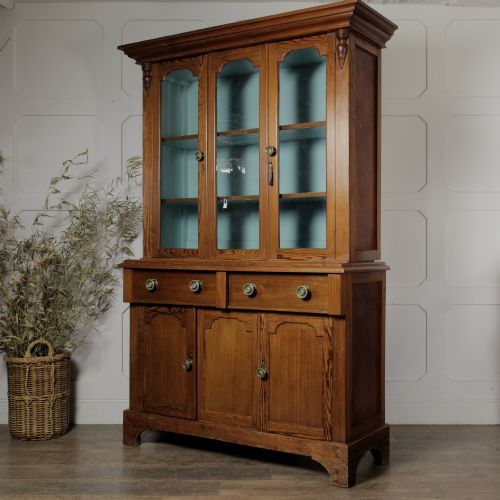
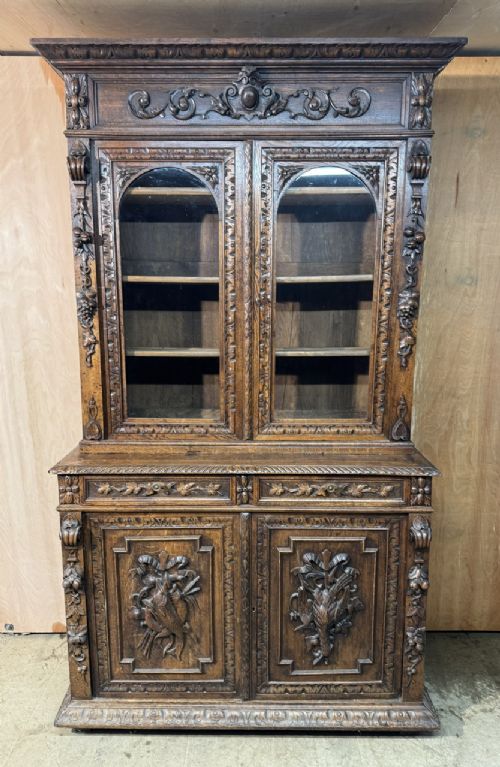
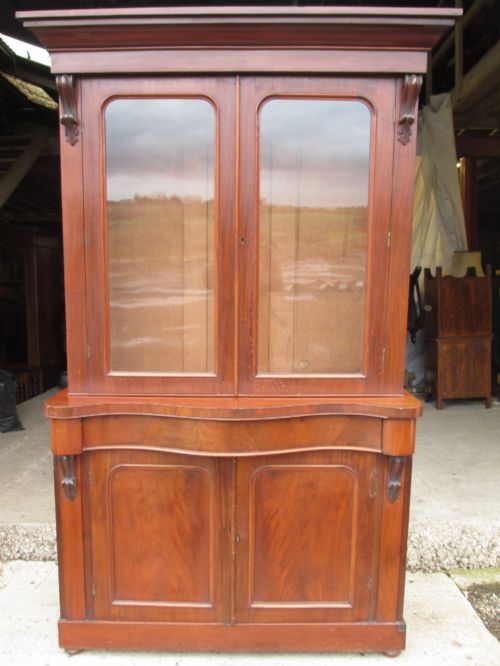
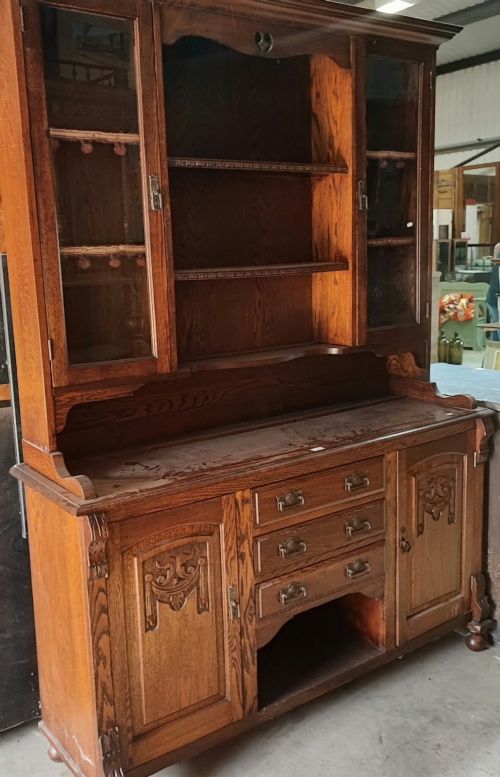
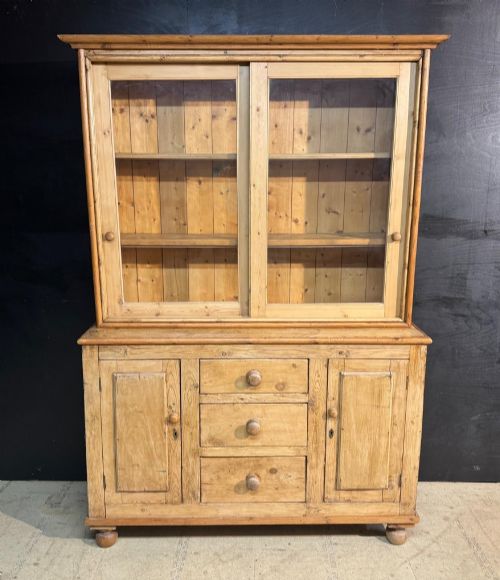
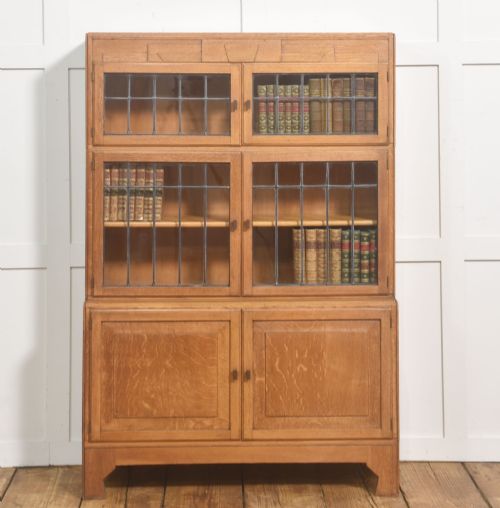
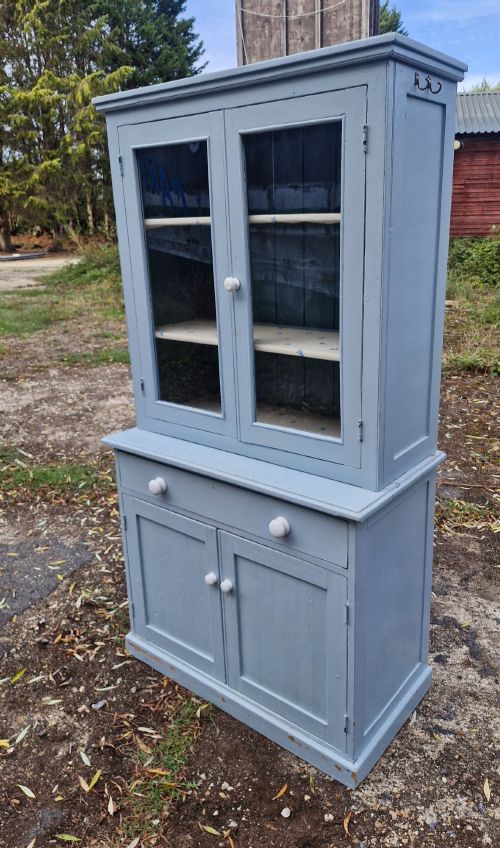
Glazed Cabinet Dresser
A glazed cabinet dresser combines a kitchen base with glass display doors, offering practical storage alongside a showcase for china.
Glazed Cabinet Dresser
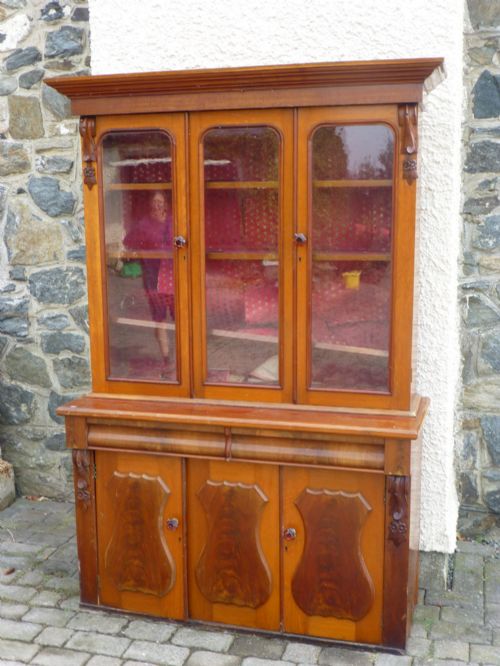
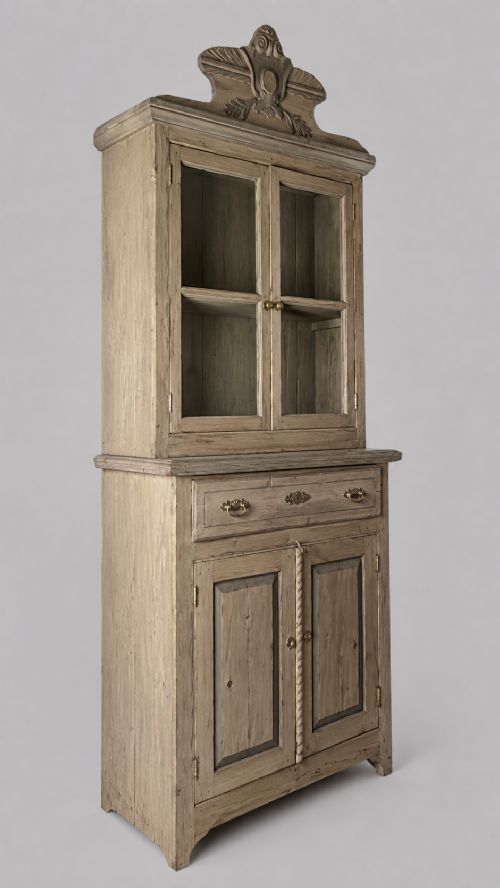
When searching for a glazed cabinet dresser, a buyer encounters two-part storage furniture combining a lower base with an upper glass-fronted section. These pieces originate from periods spanning the eighteenth, nineteenth, and early twentieth centuries.
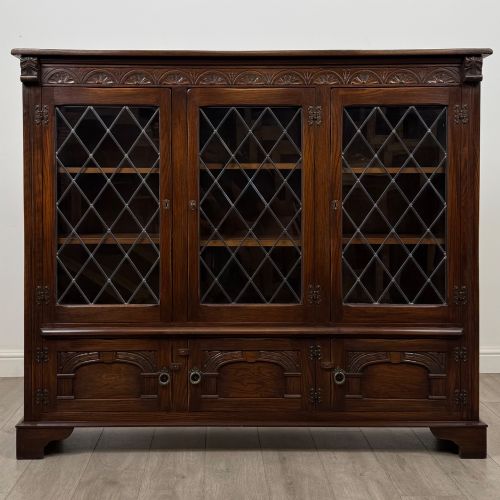
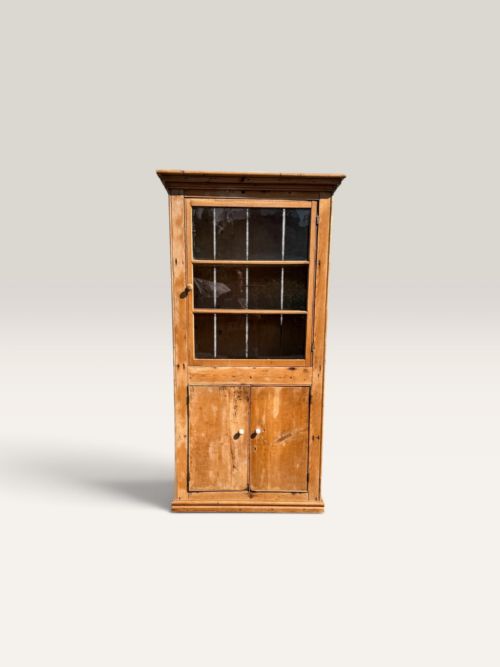
The versions most commonly met on this page are pine kitchen dressers and oak bookcase cabinets from the Victorian and Edwardian eras. Regional forms include Welsh oak pieces and French provincial cupboards alongside English country pine designs.
Makers utilised these dual-purpose structures in domestic settings to store tableware below while displaying prized ceramics or books safely behind glass above.
How They Were Made
Construction relies heavily on timber framing, with oak, mahogany, walnut, and various pine varieties forming the structural carcass and shelving. Artisans joined these timbers using traditional methods suited to heavy domestic service.
Glazing techniques incorporate glass panes held by timber or lead cames within doors, sometimes featuring stained or leaded glass panels. Brass hardware provides hinges and handles, while iron frequently reinforces internal fittings and structural joints.
Listings demonstrate a strong presence of nineteenth-century pine alongside Edwardian oak and mahogany examples.
What Varies in Quality
The standard of timber selection and cabinetmaking distinguishes pieces, where closely figured grain and precise joinery indicate superior workshop production. Simpler regional pine furniture relies on honest proportions and practical utility rather than ornate cabinetwork.
Original glass panes, uncompromised backboards, and matching hardware contribute significantly to the integrity of a piece. Alterations to the finish or replaced glazing elements shift an item away from its original state.
August Ungethüm·Liberty & Co
The Glazed Cabinet Dresser Glossary
- Carcass
- The main structural body or frame of a cabinet dresser, excluding the doors and drawers. It provides the foundational strength for the entire piece.
- Two-part form
- A piece of furniture constructed in two distinct sections, typically a heavy base cupboard surmounted by a glazed upper cabinet. This construction aided transport into domestic dwellings.
- Lead cames
- Slender rods of cast lead used to hold individual panes of glass together in leaded windows and cabinet doors. They allow for geometric or decorative glass arrangements.
- Cornice
- The ornamental moulding fixed to the topmost edge of a cabinet dresser. It crowns the structure and often reflects the stylistic period of the maker.
- Scumble
- A translucent layer of glaze applied over a base coat to imitate wood grain or create decorative textures on painted pine furniture. It was common in regional domestic pieces.
Glazed Cabinet Dresser: Frequently Asked Questions
What rooms suit a glazed cabinet dresser?
These tall two-part pieces function naturally in kitchens and dining rooms to store and display everyday ceramic collections or glassware.
Alternatively, placing them in studies or living areas allows the upper glass doors to protect books and decorative objects from dust.
How do I date a pine dresser?
Examination of construction marks, drawer dovetails, and backboard fixings helps determine the manufacturing period of utilitarian pine furniture.
Earlier nineteenth-century examples often display wider boards and hand-cut joints, whereas Edwardian pieces show more standardised mechanical production.
Are these dressers heavy to move?
Because the evidence shows these forms are built in two separate stages, moving them becomes significantly more manageable.
Lifting the upper glazed cabinet off the base cupboard allows two people to transport the components safely without straining the joints.
What is a Welsh oak dresser?
A Welsh oak dresser is a traditional regional variant designed for rural domestic storage, utilising native hardwood timbers throughout the carcass.
These items frequently feature open rack shelving or enclosed upper glazed cabinets tailored to display local pottery.