

Glass Shade Pendant Light
These pieces of glass shade pendant light illuminate a room with the character of past eras, bringing authentic period hanging fixtures into modern spaces.
Glass Shade Pendant Light
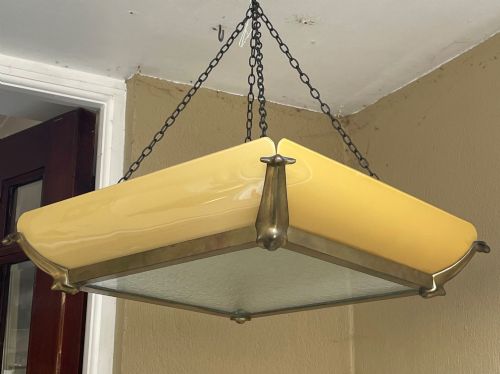
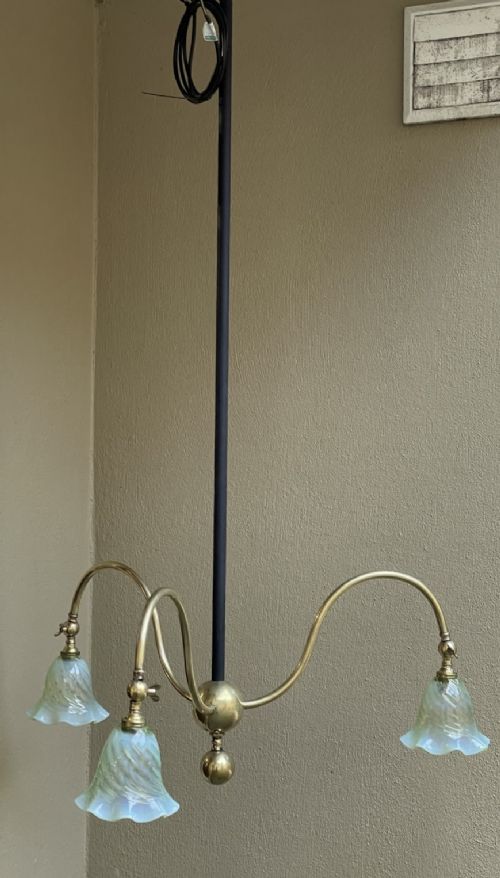
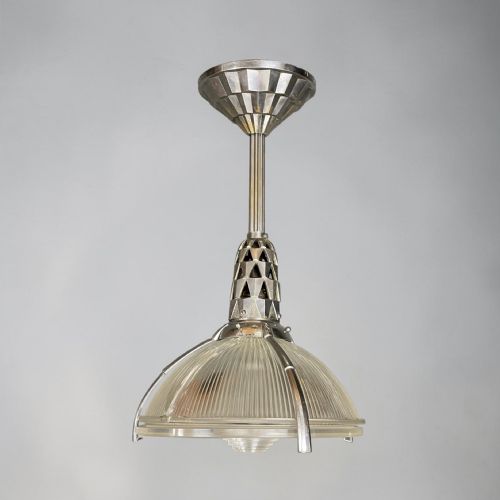
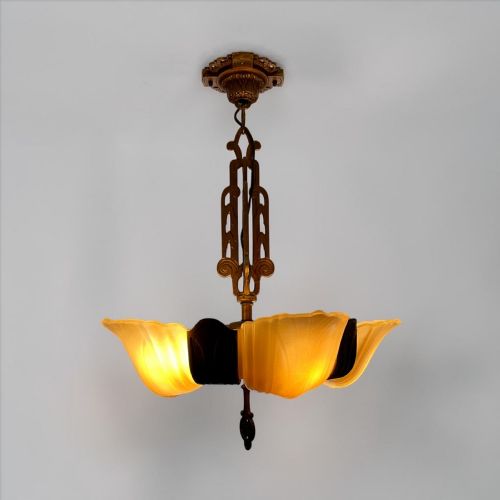
A glass shade pendant light brings historic hanging illumination into domestic spaces, drawing from a rich timeline of domestic and institutional design. When searching for a glass shade pendant light, buyers encounter everything from modest Edwardian fixtures to striking Art Deco creations.
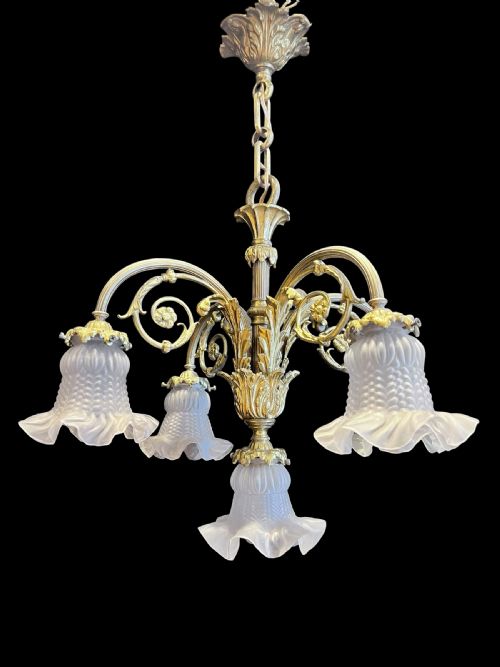
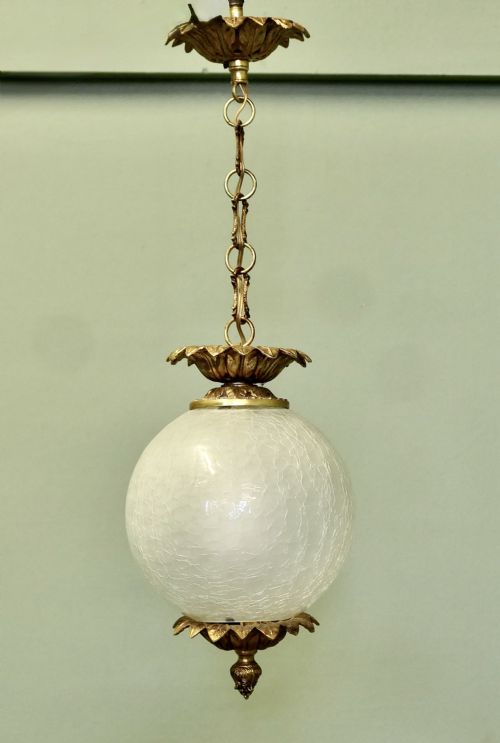
The selection ranges across the Victorian, Edwardian, and Art Deco eras, encompassing styles from industrial simplicity to French chateau elegance. Common forms include ceiling lights, chandeliers, and single pendants suspended by chains or mounted on galleries.
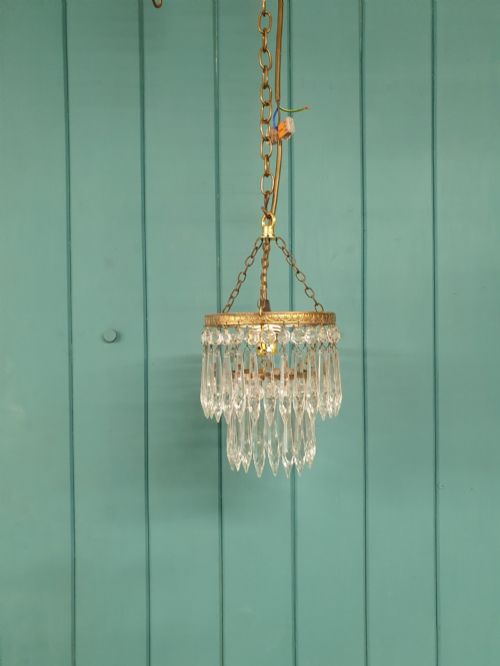
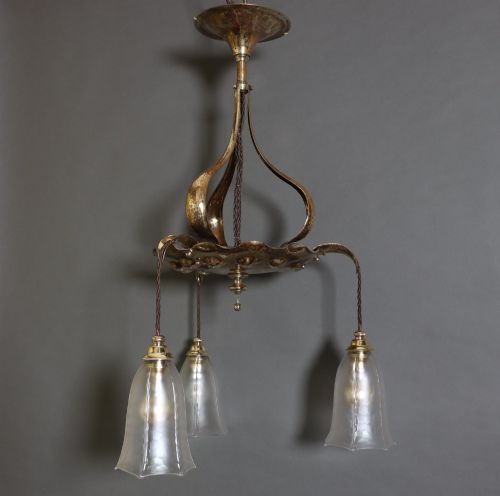
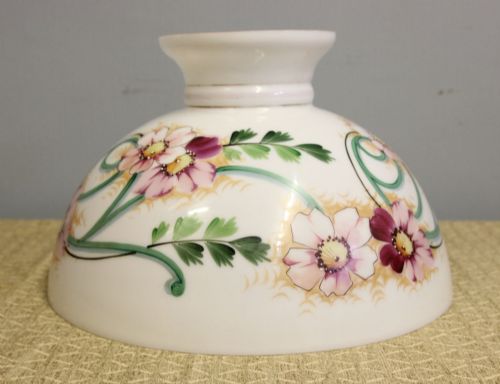
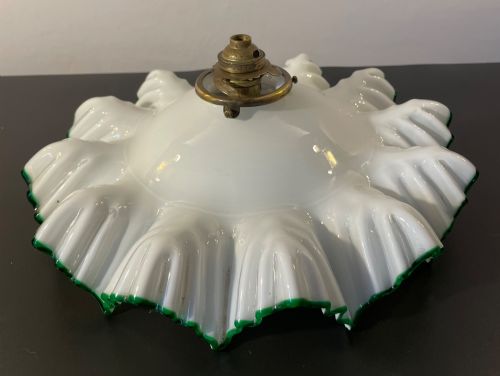
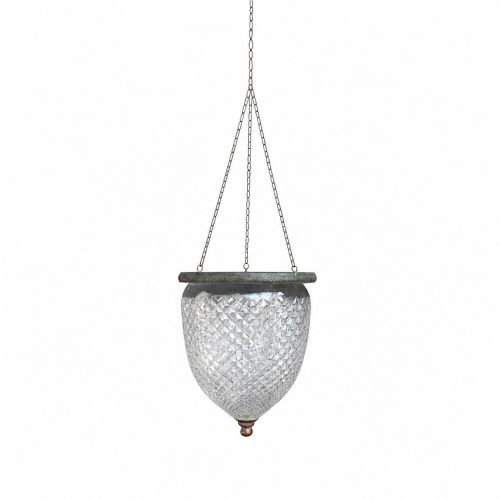
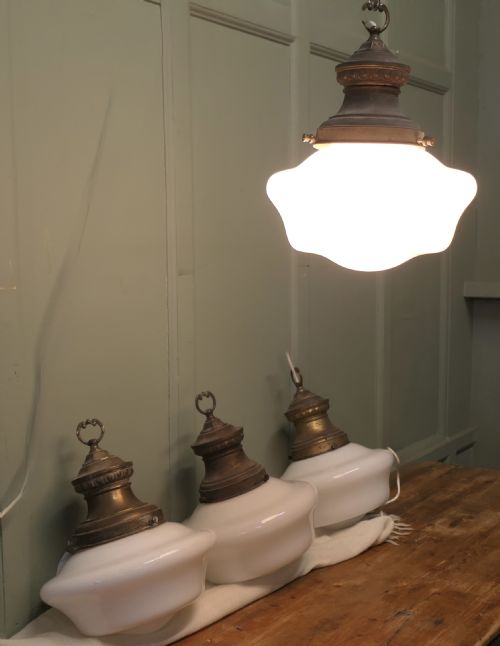
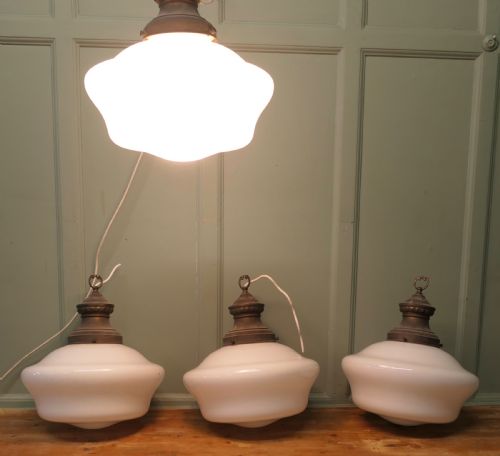
Many examples feature distinctive glass treatments such as opaline, moonstone, cut glass, and prismatic surfaces. These fixtures often combine brass, copper, or metal hardware with specialised glass shades designed to diffuse light effectively.
How They Were Made
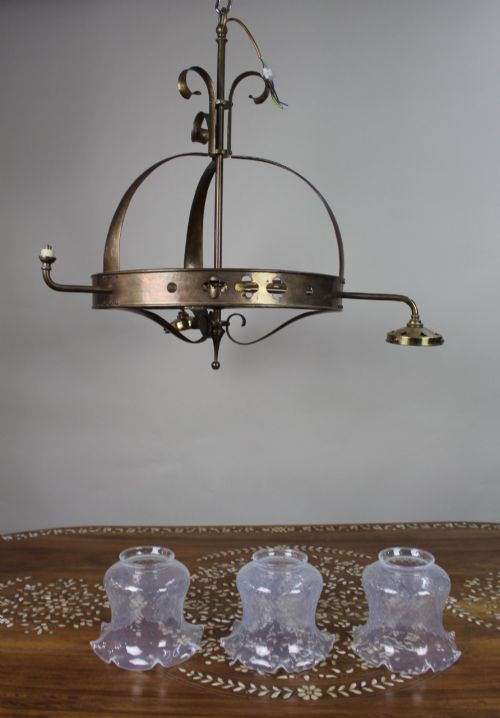
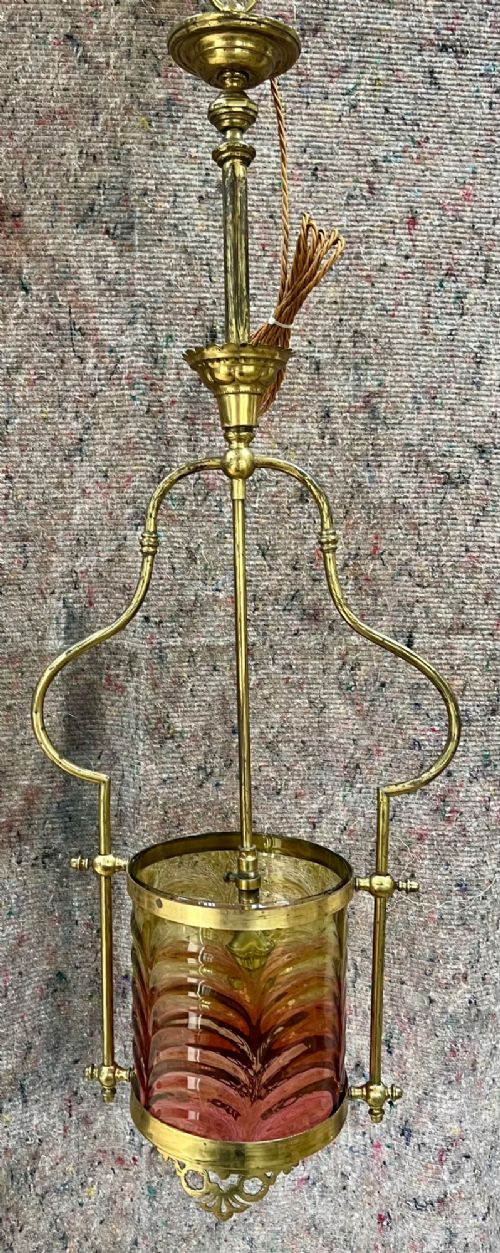
Maker workshops joined spun or cast brass and copper metalwork with blown, moulded, or cut glass components. Metal galleries secure the glass shades, often utilising chains or rise and fall mechanisms for suspension.
Glass elements display diverse manufacturing techniques, including hand-painting, acid etching, prismatic moulding, and leaded construction. Metal frames incorporate finishes like silver plating, gilding, or patinated brass and copper.
Some Edwardian brass chandeliers feature built-in rise and fall pulleys, letting users haul their lighting up and down like a bucket from a well.
What Varies in Quality
Quality rests in the weight and clarity of the glass, alongside the robustness of the metal galleries and suspension hardware. Heavier cut crystal, intricate moulding, and substantial brass or copper frames distinguish superior examples.
Design execution and the presence of integrated period details, such as matching original chains, galleries, and maker signatures, elevate a piece. The integration of decorative metalwork, from leaf designs to cherub arms, defines the finer tiers.
Émile-Jacques Ruhlmann·Holophane
The Glass Shade Pendant Light Glossary
- Opaline Glass
- An opaque or translucent white glass that diffuses light with a soft glow. It appears frequently in Edwardian and Art Deco pendant designs.
- Gallery
- The metal ring or collar that grips the top of a lampshade and connects it to the suspension chain. Galleries are often cast from brass or copper.
- Plafonnier
- A ceiling-mounted light fixture where the glass shade sits flush or very close to the ceiling surface. These are common in early twentieth-century interiors.
- Moonstone Glass
- A semi-translucent milky glass resembling the soft sheen of a moonstone. This material was widely utilised during the Edwardian period.
- Prism
- A cut glass component designed to refract and scatter light rays across a room. Prisms are often hung in clusters around chandeliers and lanterns.
Glass Shade Pendant Light: Frequently Asked Questions
What rooms suit a pendant light best?
Pendant lights suit spaces with adequate ceiling height, making them ideal for hallways, dining tables, kitchens, and living rooms. Smaller dome fixtures and single shades fit well in compact circulation areas.
Larger multi-light chandeliers and industrial pendants provide strong central illumination in high-ceilinged rooms. Positioning depends on the drop length of the chain and the desired pool of light.
How do I date a glass pendant light?
Dating relies on stylistic markers, glass manufacturing techniques, and metal hardware characteristics. Edwardian pieces often feature moonstone glass and simple brass galleries, while Art Deco examples display geometric lines and crackle or slip shades.
Victorian and nineteenth-century fixtures frequently incorporate heavy cast brass, gasolier conversions, or etched details. Patent numbers and registration marks stamped on metal components offer precise chronological clues.
Can I replace a broken glass shade?
Sourcing a matching antique replacement shade requires patience due to the specific fitter sizes and manufacturing methods of past eras. Exact matches for specialised items like Holophane or moonstone shades can be found through specialist antique suppliers.
Measuring the exact collar or fitter diameter is essential when searching for replacement glass. Many period fittings accommodate standard historical shade dimensions if an exact match proves elusive.