


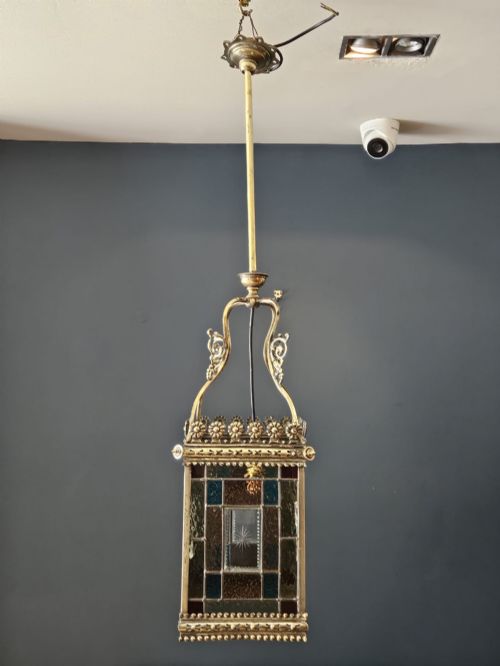
Glass Pendant Lighting
Glass pendant lighting brings suspended illumination into a room, combining hanging metal frameworks with glass shades or crystal drops.
Glass Pendant Lighting
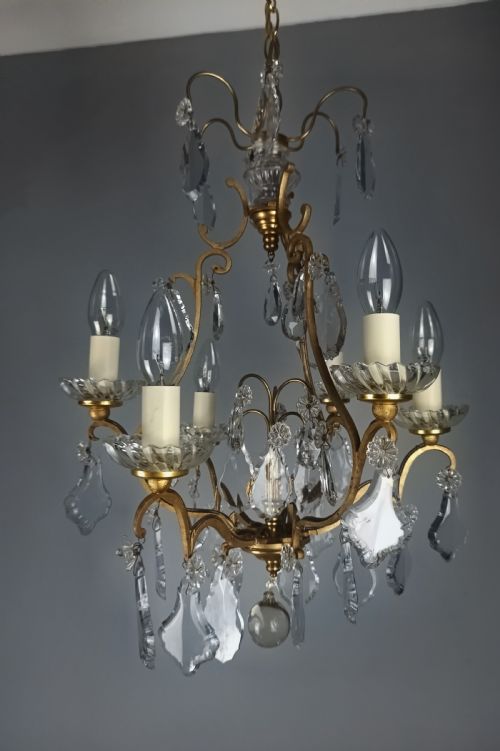
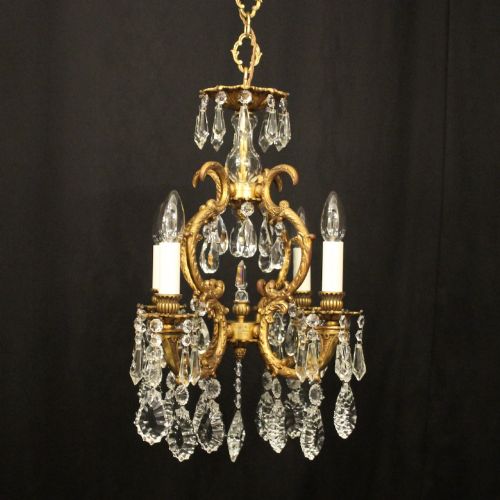
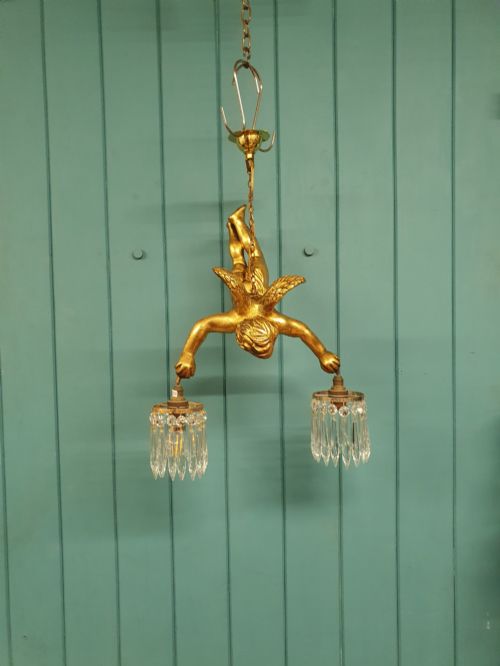
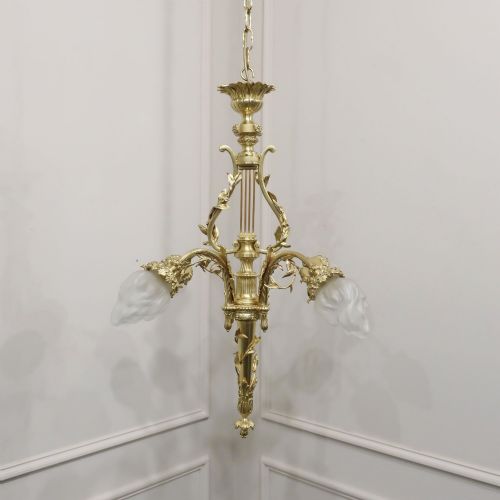
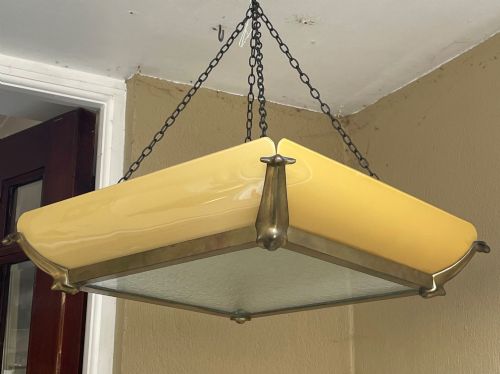
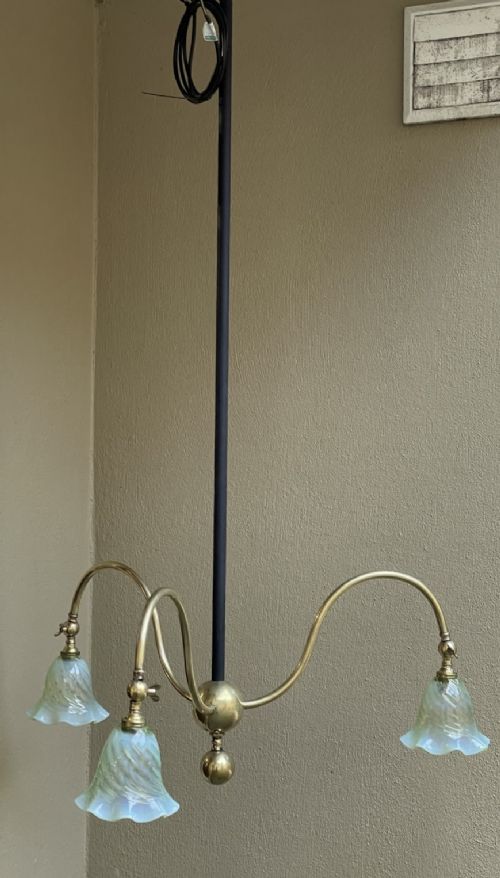
Glass pendant lighting encompasses suspended ceiling fixtures that utilise glass panels, shades, crystal drops or blown vessels held within metal frames. When searching for glass pendant lighting, buyers encounter diverse forms ranging from single-light lanterns and drop pendants to multi-branch chandeliers spanning several historical periods.
The selections on this page draw heavily from early twentieth-century and nineteenth-century traditions, including Edwardian, Art Deco, Arts and Crafts and Victorian aesthetics. French styles, such as Empire and Rococo, appear frequently alongside English and continental designs.
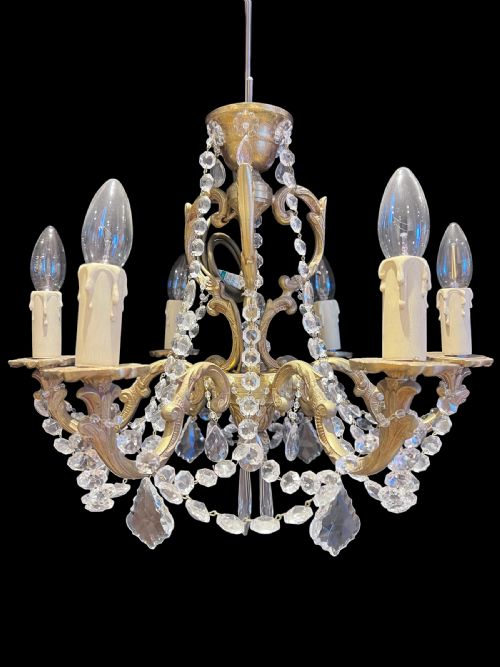
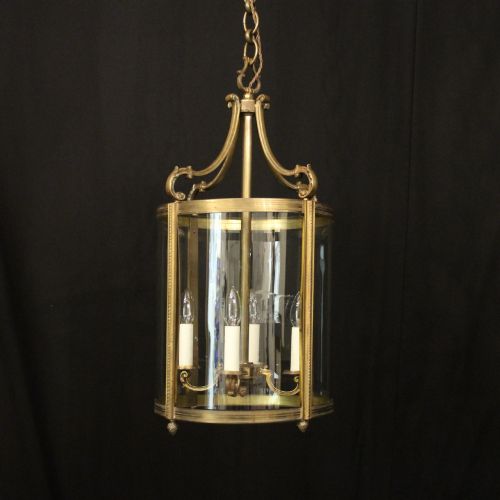
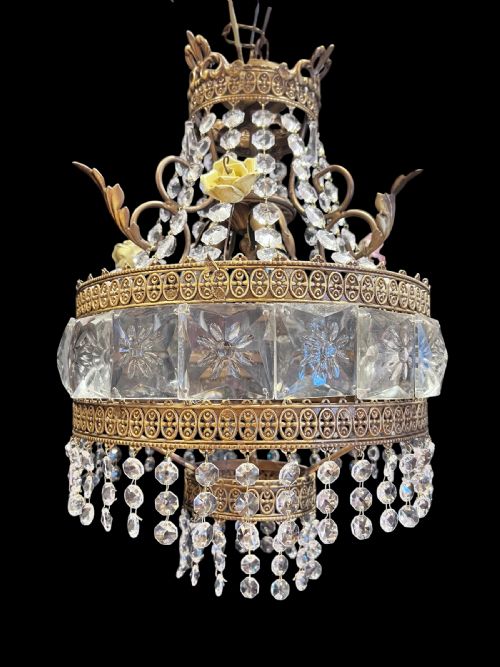
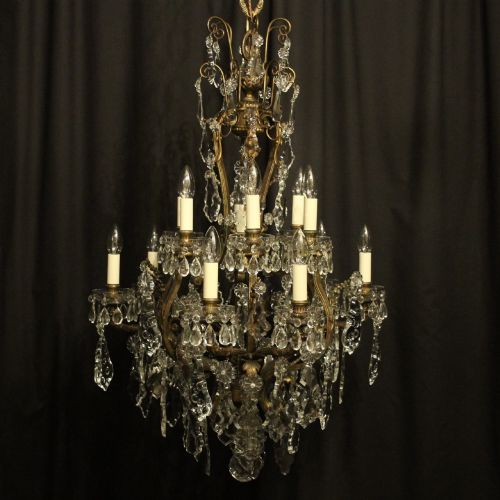
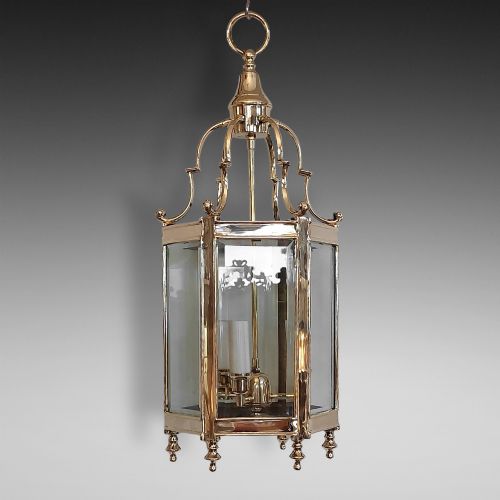
Object types vary from simple hall lanterns and convex glass fixtures to elaborate tent and waterfall chandeliers hung with crystal lustres. Brass, bronze and copper provide the supporting structures for cut glass, opaline, leaded and bevelled glass elements.
Materials and construction
Metalwork forms the backbone of these pieces, employing cast or spun brass, gilt bronze, gilded brass and copper to shape frames, galleries and suspension chains. Metal components are often pierced, framed or cast in specific regional styles like French Neoclassical or Arts and Crafts.
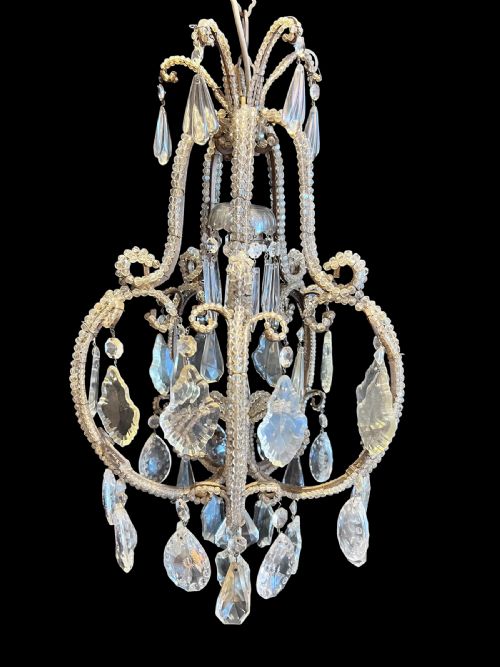
Glass is integrated through various techniques, spanning heavy cut glass, moulded slip shades, leaded panels and delicate opaline or painted shades. Crystal drops, lustres and beadwork are suspended from frames using wire ties to refract light outward.
Materials appearing across the inventory include glass, crystal, cut glass, brass, gilt brass, gilded brass, gilt bronze and metal.
Distinctions in quality
Quality rests upon the purity and depth of the materials, separating mass-produced items from superior examples. Heavier gauge brass or bronze frames with crisp, detailed casting sit above lighter, plain metal constructions.
The excellence of the glass itself dictates the upper tier, marked by hand-cut facets, heavy bevelled edges, or sophisticated moulded opalescent and slip shades. Completeness of original crystal lustres and matching components also elevates a piece.
Émile-Jacques Ruhlmann
The Glass Pendant Lighting Glossary
- Pendant light
- A single or multi-bulb lighting fixture suspended from the ceiling by a cord, chain or rigid rod. These fixtures hang centrally in rooms or hallways to provide focused illumination.
- Cut glass
- Glass decorated by grinding facets or patterns into the surface using a wheel. This technique enhances light refraction in crystals and shades.
- Opaline glass
- An opaque or translucent pale glass, often white or pastel-toned, popular for softening light output in twentieth-century shades.
- Hall lantern
- An enclosed hanging light fixture, often glazed with glass panels, originally designed to illuminate entrance passages and vestibules.
- Tent and waterfall
- A chandelier configuration where strings of crystal beads form an upper triangular tent shape that flows down over internal lights into a cascading skirt of drops.
Glass Pendant Lighting: Frequently Asked Questions
How do I hang a pendant light?
Pendant fixtures suspend from ceilings using matching chains or metal rods attached to a secure ceiling rose. Proper installation requires verifying that the ceiling structure supports the combined weight of the metal frame and glass components.
Electrical wiring runs through the central suspension tube or alongside the chain to connect safely to the main power supply. Professional installation ensures the fixture hangs at the correct height for the room.
How do I clean antique glass pendants?
Dust glass panels and crystal drops regularly using a soft, dry microfibre cloth to prevent grime build-up. For deeper cleaning, remove delicate crystal lustres and wash them gently in lukewarm water with mild soap.
Avoid immersing antique metal frames in liquid cleaners, wiping them instead with a damp cloth to preserve patination. Ensure all components are completely dry before reassembling or restoring power.
Where should I place a hall lantern?
Hall lanterns suit entrance hallways, vestibules and stairwells where vertical space allows a suspended fixture to hang freely. Their enclosed glass designs protect internal bulbs from drafts while casting clear light across narrow spaces.
Lower ceilings benefit from compact flush-mounted variants, while higher entryways accommodate larger multi-light lanterns or drop pendants.