
Hall Light Fixture
A proper hall light fixture sets the tone for an entire home, offering both essential illumination and a striking architectural presence as guests step inside.
Hall Light Fixture
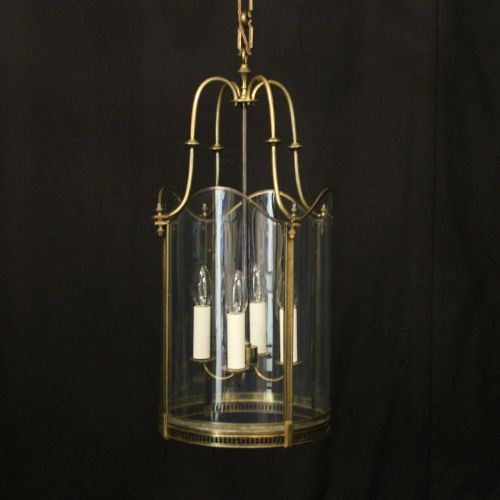
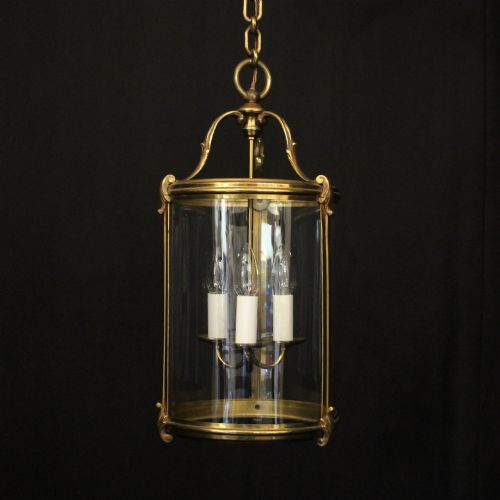
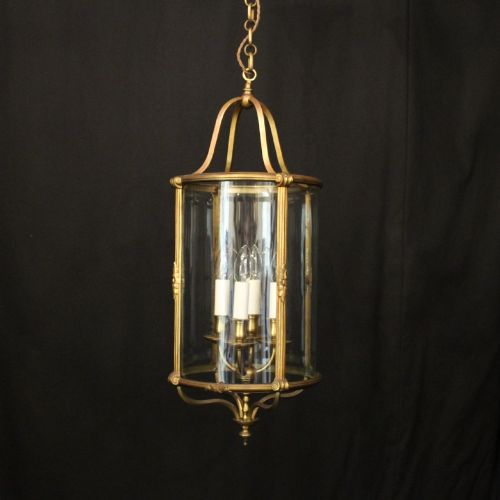
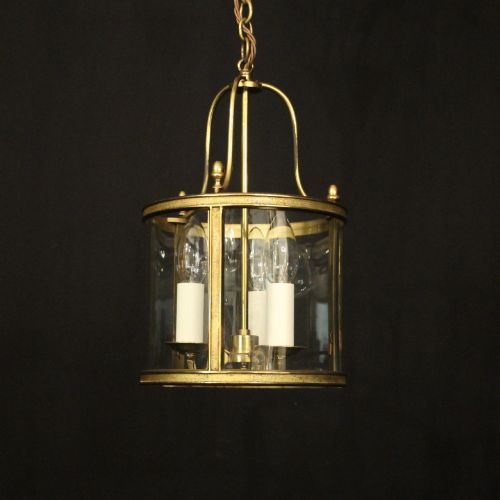
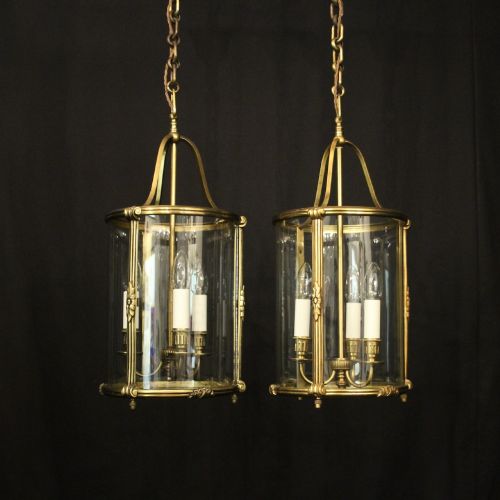
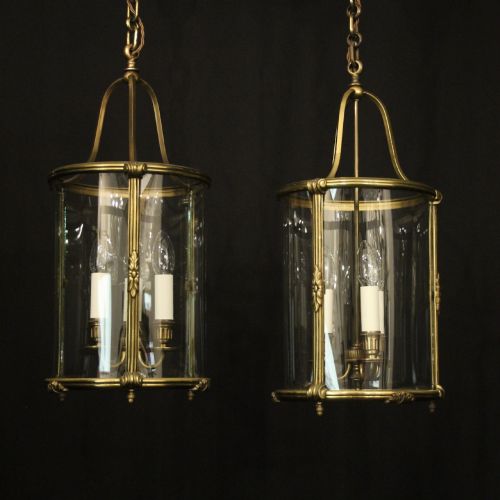
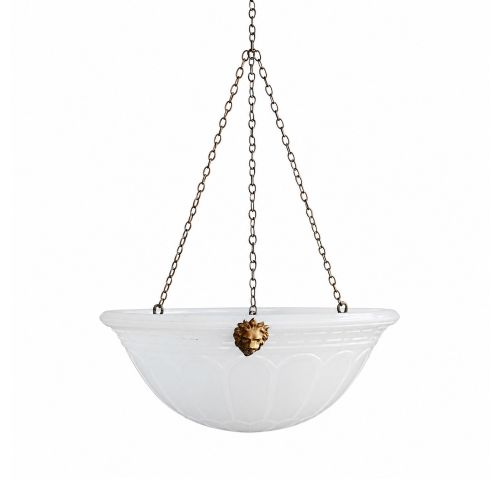
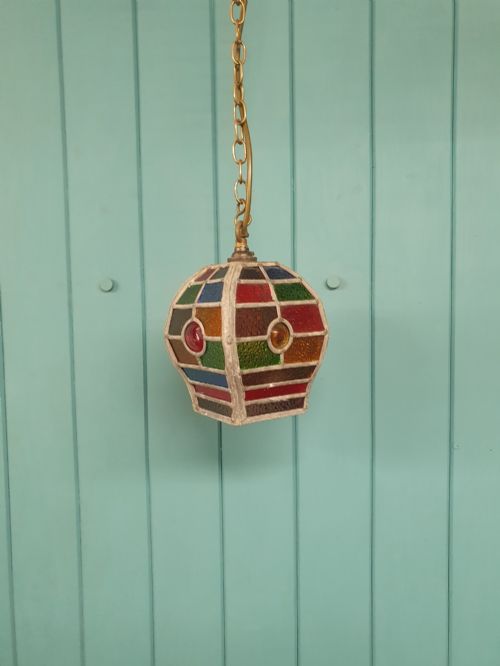
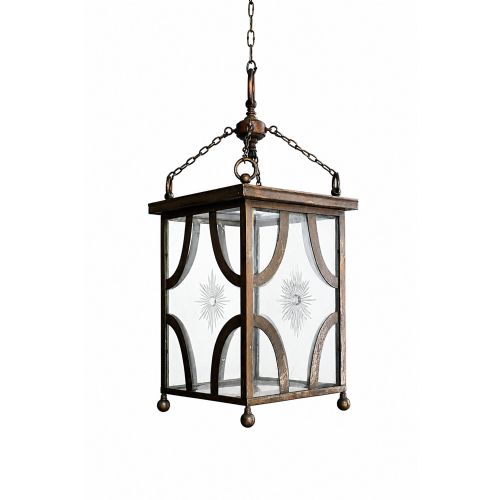
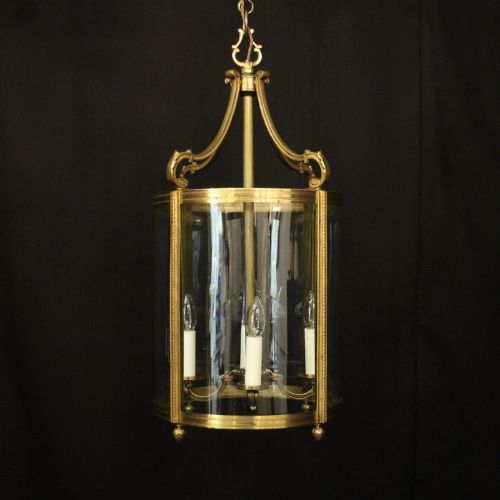
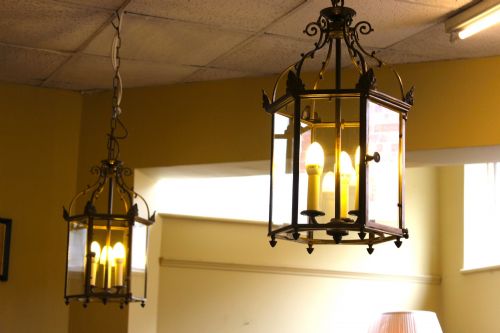
A hall light fixture serves as the primary overhead illumination for entryways, vestibules and corridors, combining functional design with decorative impact. When searching for a hall light fixture, buyers encounter a diverse selection of hanging lanterns, ceiling lights, pendants and chandeliers designed to anchor these transitional spaces.
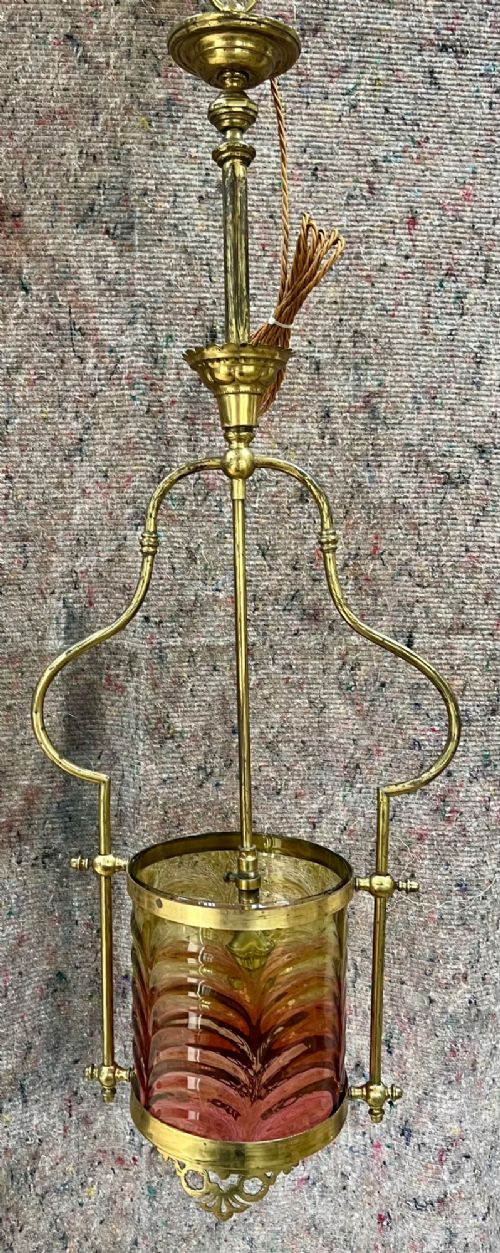
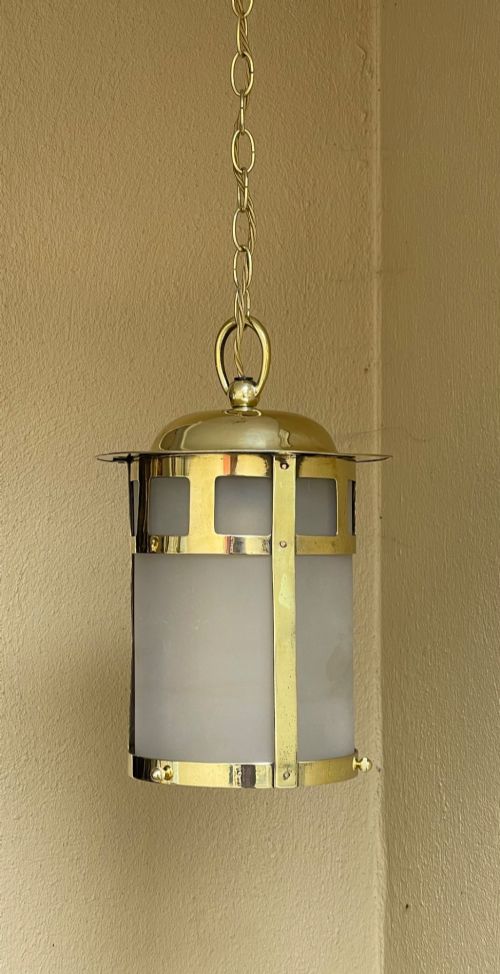
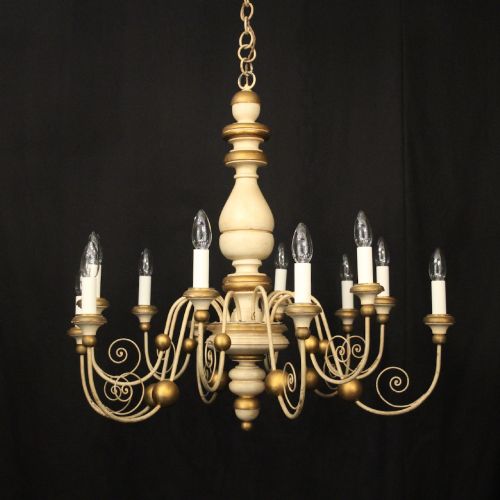
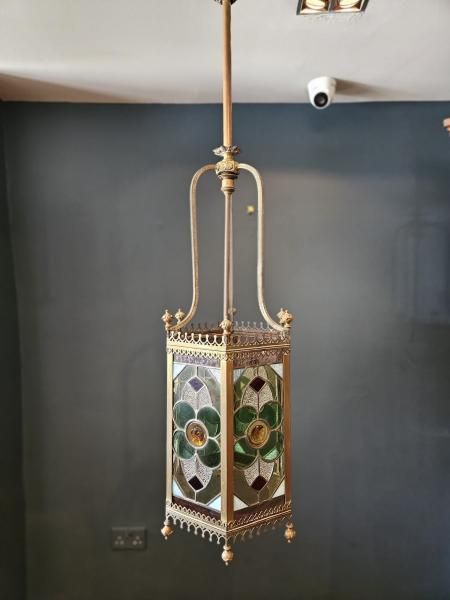
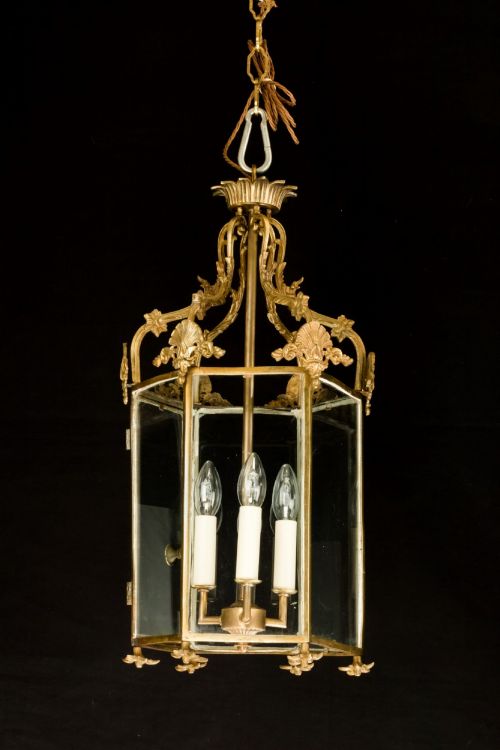
The pieces available on this page draw heavily from the nineteenth century, the Edwardian era and the nineteen-twenties, showcasing styles from Victorian Gothic and French Neoclassical to Arts and Crafts. Lanterns with glass panels and metal frames dominate the selection, offering both single-light utility and multi-bulb grandeur.
How they were made
Metalwork forms the structural backbone of these pieces, utilising cast brass, gilt bronze, wrought iron, steel and copper to create durable frames that often display intricate casting or hand-hammered details. Glass elements, ranging from plain leaded panes and convex crystals to coloured, opaline and moonstone varieties, are fitted securely into these metal skeletons to diffuse light evenly.
Surface finishes applied to the metal framework include gilding, silver gilding and polychrome painting, which enhanced the decorative appeal of the fixtures for formal domestic interiors.
One delightfully specific nineteenth-century survivor retains the physical memory of a time when hallways were illuminated entirely by flickering candles.
What varies in quality
Quality in these fixtures is defined by the weight and refinement of the metal casting, the clarity and thickness of the glass panels, and the harmony of the overall proportions. Finer examples display crisply chased bronze mounts, hand-formed leaded glass and sophisticated multi-light configurations rather than simple, mass-produced frames.
The integrity of the original surface finish, whether deep patinated bronze or bright gilding, dictates the visual depth and historical character of each piece.
Perry & Co
The Hall Light Fixture Glossary
- Hall lantern
- A ceiling-suspended lighting fixture enclosed by glass panels within a metal frame, traditionally designed to protect candle or gas flames from draughts in corridors.
- Gilt bronze
- Metal cast in bronze and treated with a thin layer of gold leaf or gold paint, creating a lustrous and durable decorative surface often found on French pieces.
- Leaded glass
- Small panes of glass held together by strips of lead came, commonly utilised in geometric or stained glass window and lantern designs.
- Convex glass
- Curved glass panels that project outward, frequently employed in French lanterns to diffuse light across a wider angle and magnify the bulb or candle inside.
Hall Light Fixture: Frequently Asked Questions
How do I choose the right size hall light fixture?
Consider both the ceiling height and the floor area of your entryway to ensure the fixture balances well within the space without obstructing movement or doors.
Larger multi-light lanterns or chandeliers require substantial vertical clearance, whereas compact pendant lights suit narrower corridors and lower ceilings.
Were these fixtures originally electrified?
Many older examples began life holding candles or gas burners before being converted to electricity during subsequent decades as domestic technology evolved.
When examining period lighting, look for evidence of rewiring and adaptation that allows the piece to integrate safely with modern electrical standards.
What styles are most common in antique hall lighting?
French designs, particularly those drawing on neoclassical and rococo revival motifs with gilded bronze frames, appear frequently alongside English Victorian and Edwardian brass models.
Arts and Crafts pieces also feature prominently, offering simpler, more robust metalwork and honest construction techniques.
How do I care for antique glass and metal fixtures?
Dust the metal framework gently with a dry, soft cloth and avoid abrasive cleaning agents that might strip historic platings, patinas or applied gilding.
Glass panels can be carefully wiped down with a mild glass cleaner applied to a cloth rather than sprayed directly onto the fixture to protect the surrounding metal.