


Glass Glazed Display Table
A glass glazed display table turns the storage of small treasures into a refined visual experience.
Glass Glazed Display Table
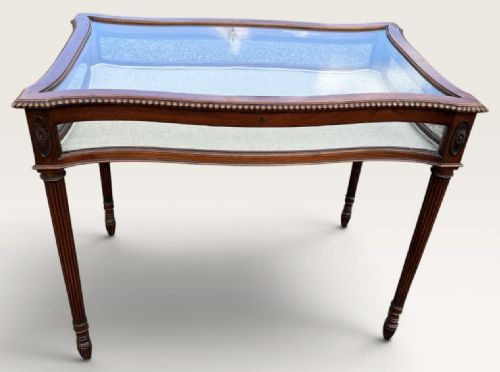
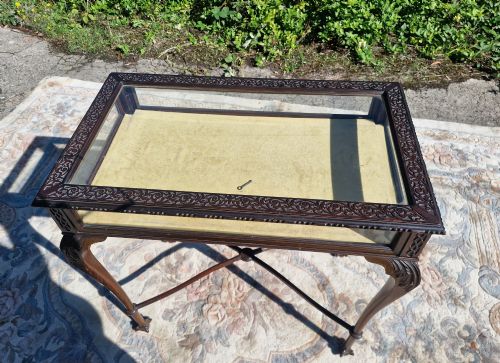
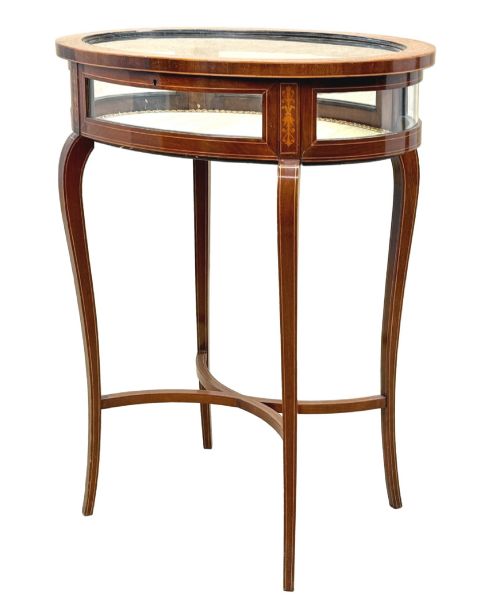
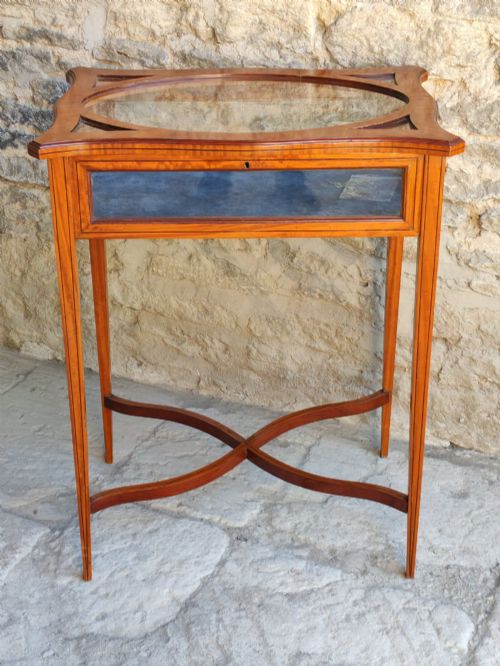
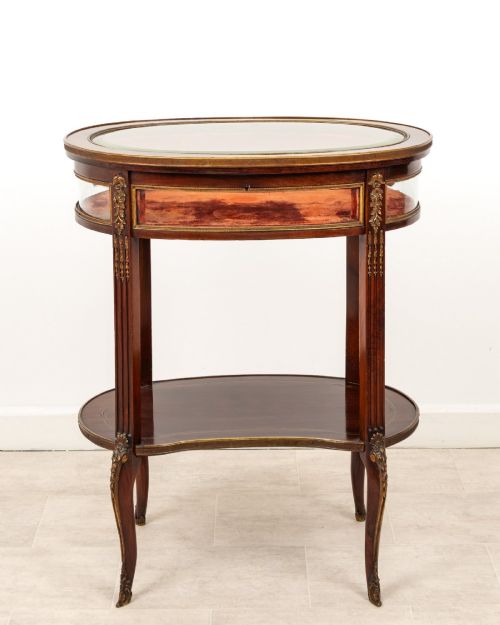
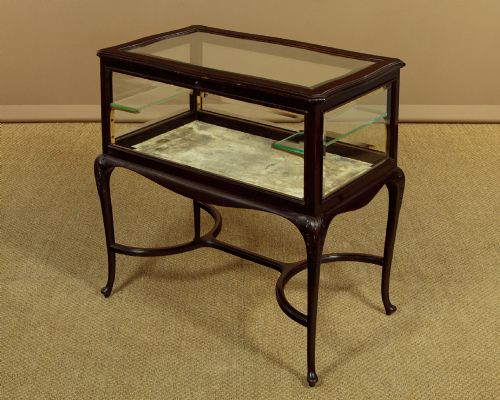
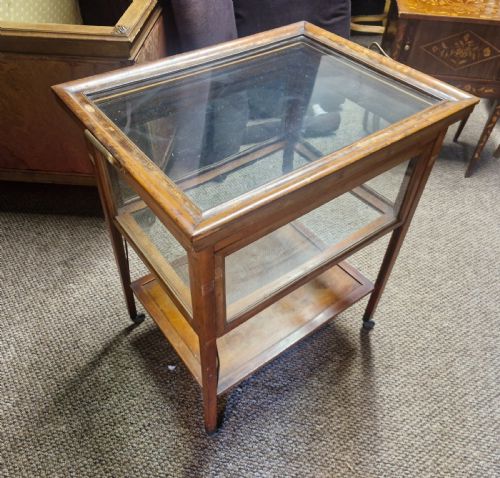
A glass glazed display table, often found as a bijouterie table or vitrine, serves primarily to exhibit personal collections and small valuables beneath a transparent surface. These pieces combine the function of a standard table with the protective enclosure of a cabinet, keeping delicate objects visible yet secure.
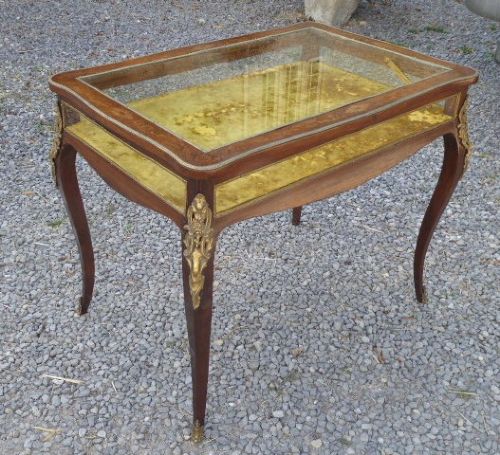
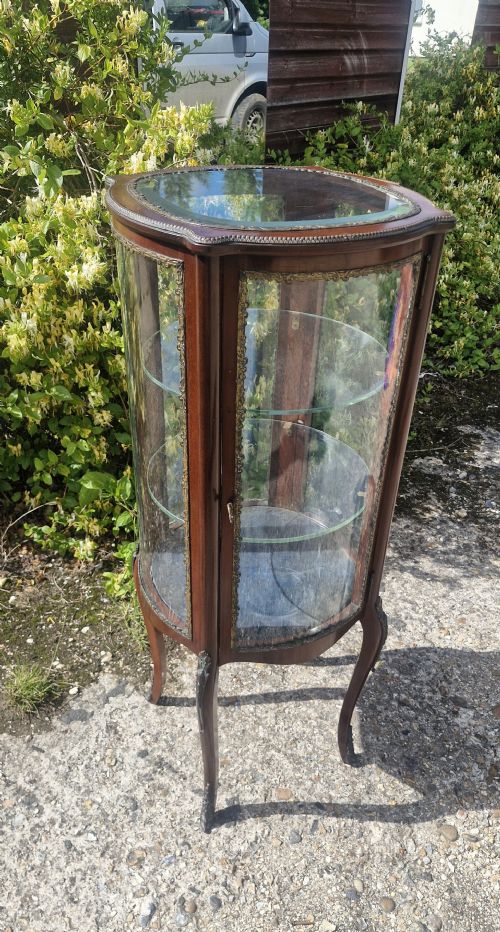
Most examples encountered on this page date from the Victorian and Edwardian eras, alongside several late nineteenth and early twentieth century variations. Makers frequently adopted French revival styles, including Louis XVI and Rococo forms, translating continental elegance into domestic English interiors.
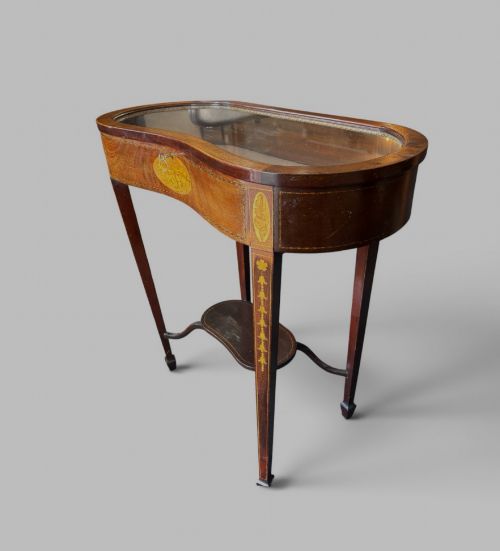
Common formats range from serpentine and kidney shapes to oval and octagonal designs constructed in mahogany, satinwood, and kingwood. Interior surfaces are typically lined with velvet or fabric to cushion the displayed items and enhance the visual contrast against the timber frame.
How they were made
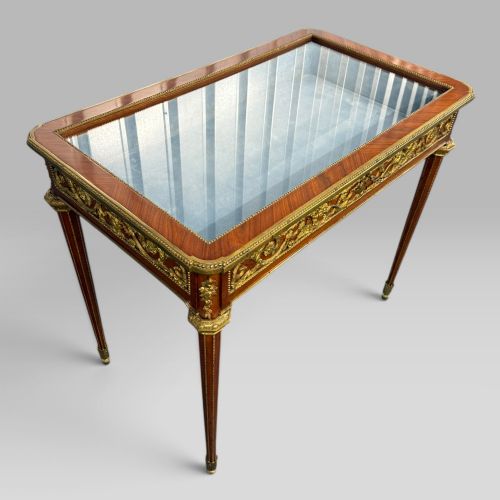
Cabinet makers constructed the primary framework of a glass glazed display table using dense timbers such as mahogany, walnut, and kingwood, often enhanced with satinwood inlay or marquetry. Ormolu and brass mounts provide structural reinforcement and decorative edge detailing around the glazed panels.
Glazing is set into hinged or fixed frames to allow access to the velvet or fabric lined interior compartment. Metal components like gilt bronze or brass secure the glass and articulate the corners of French revival and English Edwardian pieces.
One vintage display table carries later sign written detail advertising Breitling watches, hinting at a past life inside a shop.
What varies in quality
The refinement of the ormolu mounts and the intricacy of the timber inlay largely dictate the distinction between standard and superior pieces. Finer examples exhibit hand chiselled brass work and carefully selected veneers like burr walnut or kingwood.
Structural joinery and the integrity of the internal fabric lining also signal distinction, where original velvet upholstery and tight fitting glazed lids indicate careful preservation and higher initial manufacture.
François Linke
The Glass Glazed Display Table Glossary
- Bijouterie table
- A specialised display table featuring a glass top and glazed sides designed specifically for small ornaments, jewellery, and curiosities. These items rose to popularity during the Victorian and Edwardian periods.
- Ormolu
- Gilded bronze or brass ornamentation applied to the mounts, legs, and frames of furniture. This technique is frequently seen on French revival display pieces from the nineteenth century.
- Marquetry
- Decorative veneer work arranged in geometric or floral patterns across the wooden surfaces of a table. Craftsmen used contrasting timbers such as satinwood and mahogany to achieve the design.
- Vitrine
- A glass enclosed cabinet or table designed for displaying objects of art or collections. The term encompasses both standing cabinets and glass glazed display tables.
- Kingwood
- A dense, richly grained exotic timber utilised extensively for high quality cabinet making and inlay work during the nineteenth century. It provides a dark contrasting background for lighter decorative elements.
Glass Glazed Display Table: Frequently Asked Questions
What is a bijouterie table used for?
A bijouterie table is designed to exhibit small decorative items, medals, coins, and jewellery beneath a protective glass top. The internal velvet or fabric lining cushions these delicate possessions while keeping them in plain view.
Historically, these tables occupied formal drawing rooms and parlours where hosts could share their personal collections with visiting guests. The enclosed compartment protects items from dust and handling while maintaining a clear sightline.
How do I date a glass display table?
Dating relies heavily on the prevailing style, timber selection, and construction methods observable in the frame. Victorian and Edwardian examples often feature specific revival motifs such as Louis XVI or French Rococo details.
Mahogany frames with satinwood inlay typically point towards the Edwardian era, while heavier carved walnut or rosewood structures more commonly align with mid to late Victorian manufacturing periods.
Are these tables suitable for everyday use?
These tables function well as occasional accent pieces in modern living spaces, provided they are placed away from direct sunlight and excessive moisture. The glass top allows them to serve as functional surface areas while displaying items underneath.
Care should be taken with the delicate ormolu mounts and fabric linings during routine cleaning. Placing heavy objects directly on the glass top is discouraged to protect the hinges and framing.
What is the difference between a vitrine and a bijouterie table?
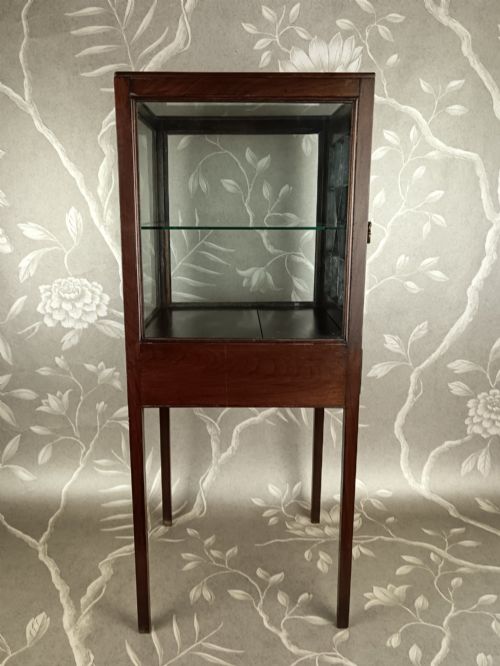
A vitrine generally refers to an upright glass display cabinet designed to hold porcelain, glassware, and larger decorative objects on internal shelves. In contrast, a bijouterie table incorporates the display compartment directly beneath a horizontal or slightly sloped table surface.
Both forms utilise extensive glazing to showcase collections, but the table format keeps items at a lower level specifically suited for close inspection from a seated position.