

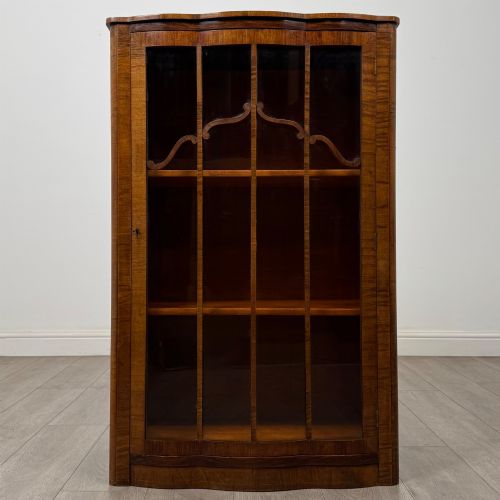
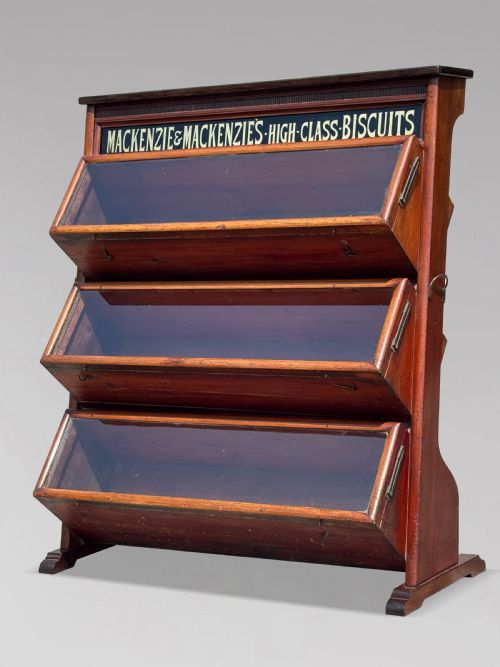

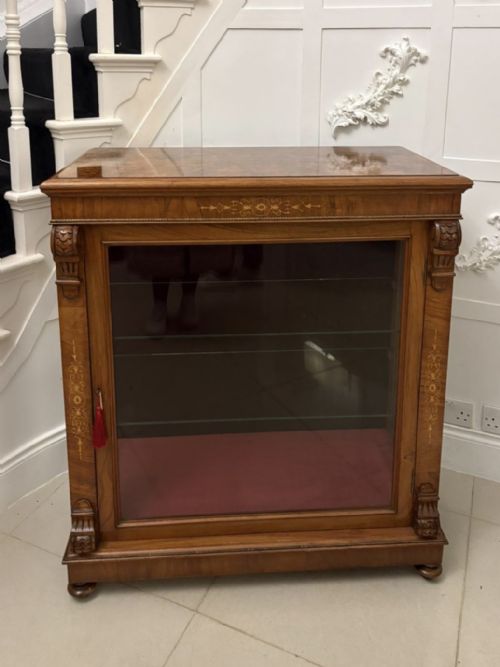
Glass Fronted Display Case
A glass fronted display case brings order to prized possessions while keeping dust at bay behind clear panels.
Glass Fronted Display Case
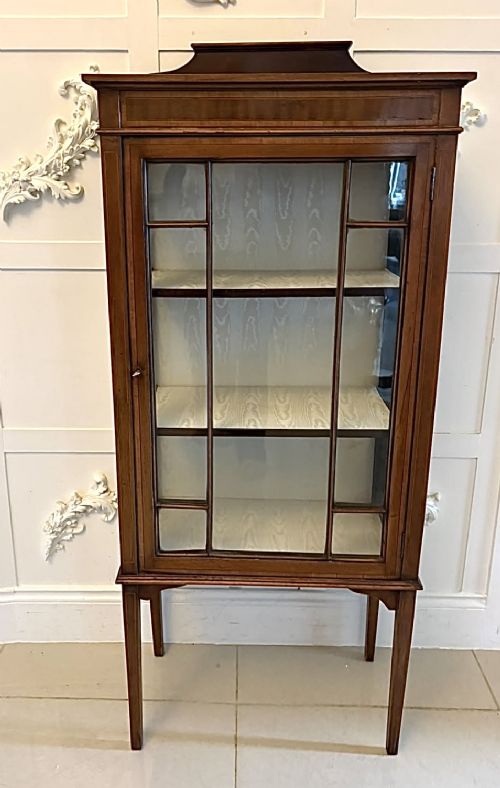
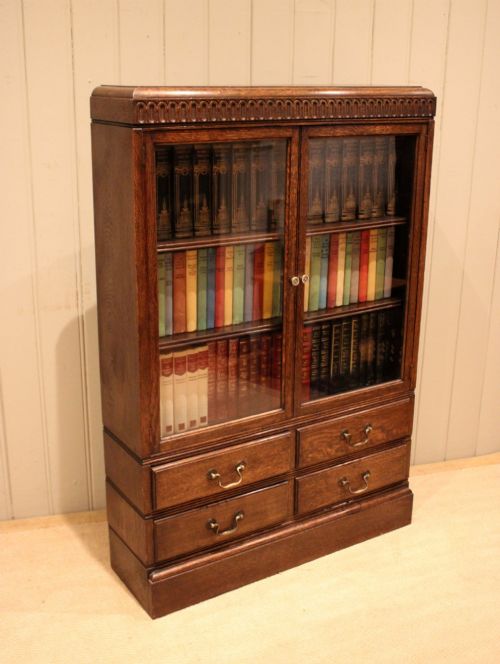
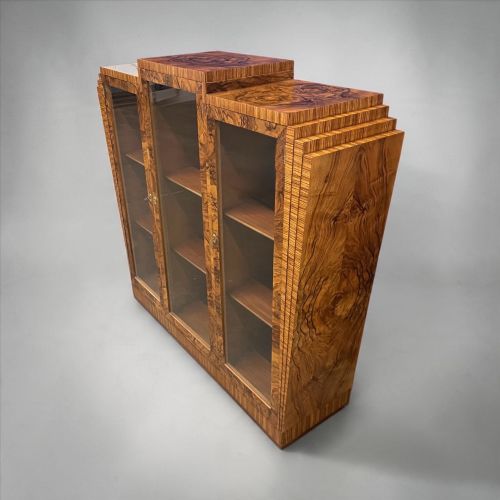
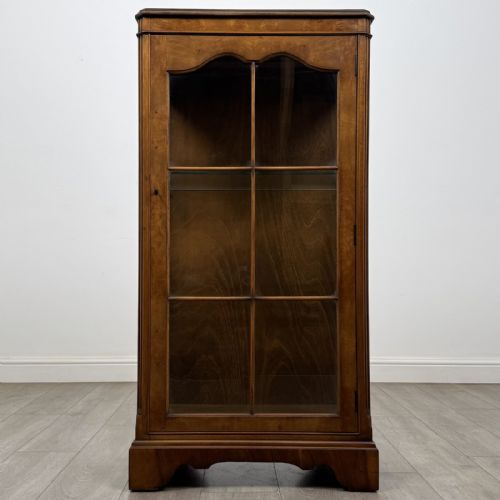
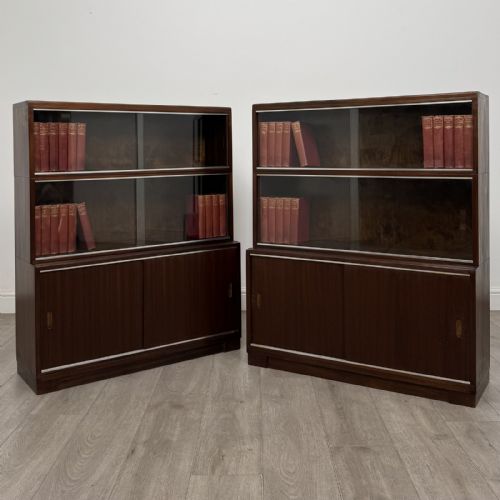
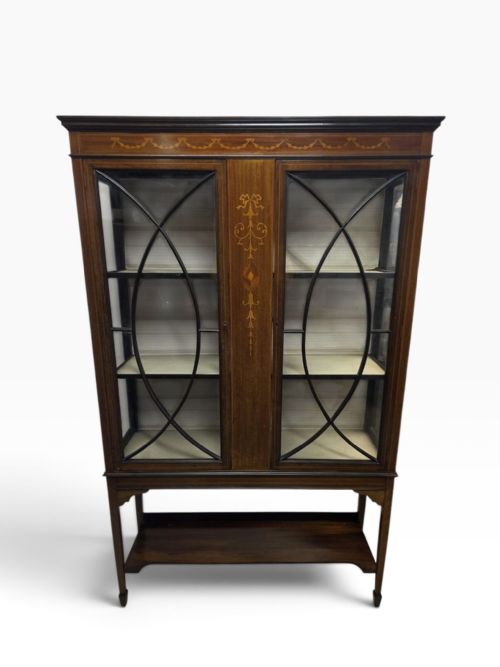
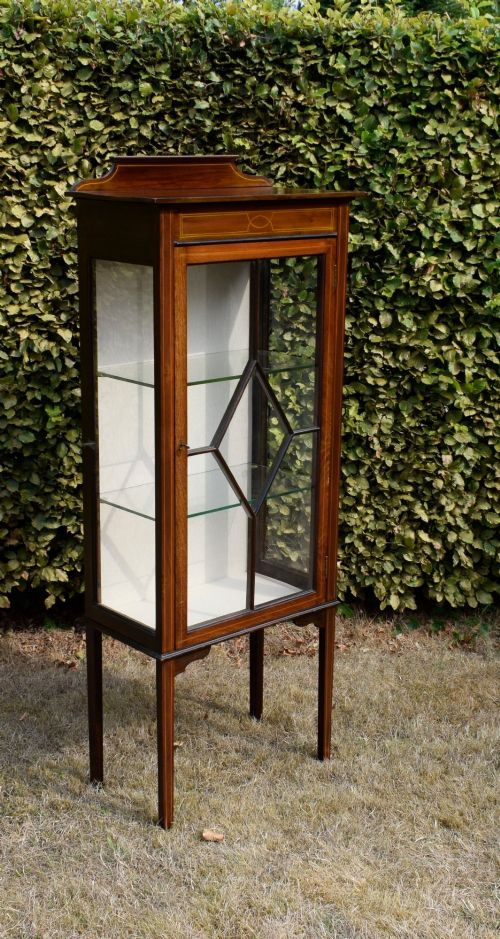
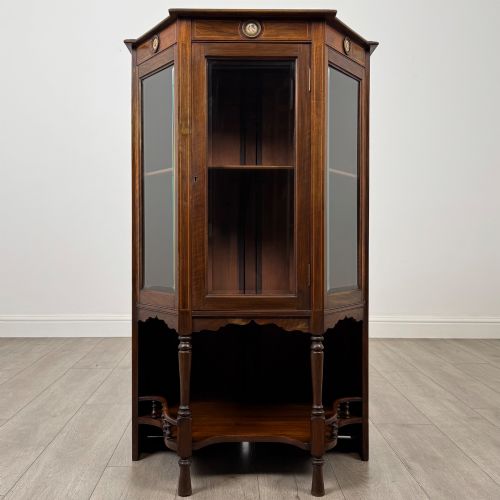
A glass fronted display case serves to exhibit objects securely within domestic and commercial settings, drawing from forms such as glazed bookcases, corner cabinets, and shop counters. The examples found here span the Victorian, Edwardian, and Art Deco periods, created as single standing pieces, wall-mounted units, or specialised dioramas.
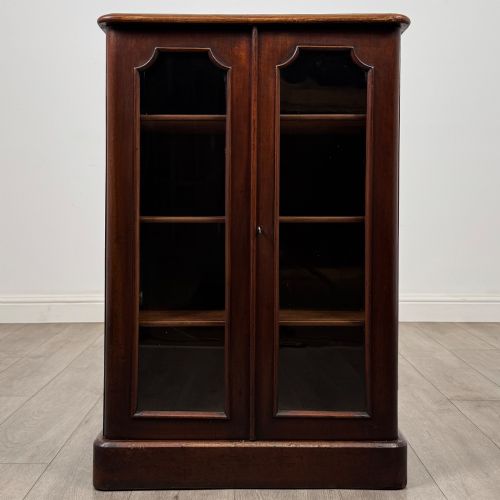
Most pieces encountered on this page originate from the nineteenth and early twentieth centuries, constructed in formats designed for parlours, libraries, and retail spaces. They include tall china cabinets, low pier cabinets, and timber-framed shop fittings intended to present wares or collections clearly.
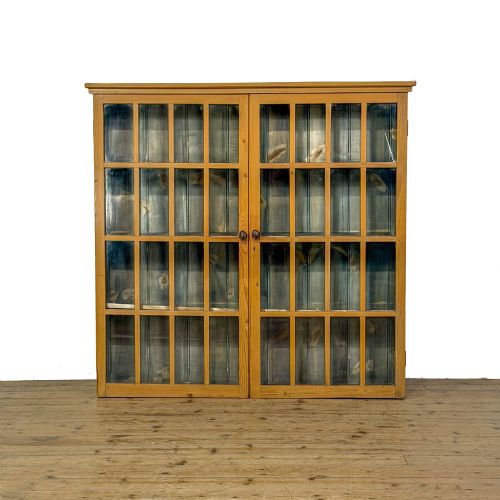
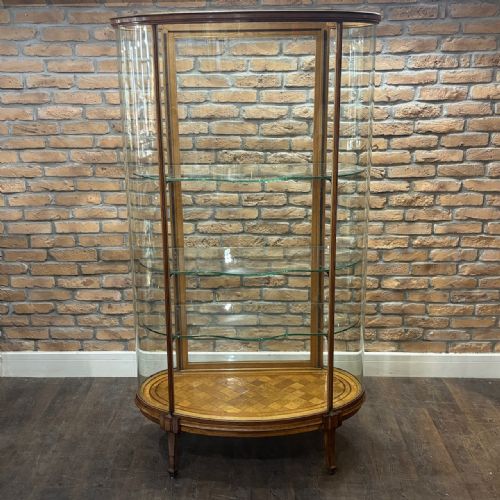
The selection reflects varied regional origins and workshop practices, spanning English domestic furniture, French vitrines with ormolu mounts, and specialised mercantile cases. Their forms range from simple pine cupboards to heavily inlaid satinwood and burr walnut furniture.
Materials and construction
Cabinet makers relied predominantly on timbers such as mahogany, walnut, oak, and satinwood, frequently applying burr veneers or marquetry inlay to primary surfaces. Carcases combined solid wood frames with flat panels, while internal shelving relied on adjustable wooden supports.
Glazing techniques required timber or brass framing bars to hold individual glass panes securely in doors and sides. Brass hardware, including hinges, locks, and mounts, completed the structural assembly alongside fabric linings applied to interior backing boards.
Glass Fronted Display Case Retail Price Guide 2026
Typical asking prices for glass fronted display case among the pieces listed under this phrase on Sellingantiques today, from the lower quarter to the upper quarter. They describe what is for sale here now, not the wider market.
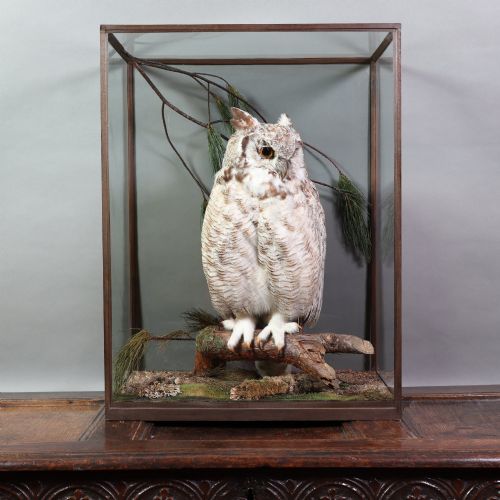
A horned owl and a kestrel peer out from behind the glass of nineteenth-century taxidermy dioramas.
Distinctions in manufacture
The degree of refinement in timber selection and veneer matching defines the standard of a cabinet, alongside the crispness of marquetry inlay and brass mounts. Superior examples exhibit tightly fitted joints, hand-cut dovetails in drawers, and sound structural integrity across large glazed doors.
Interior detailing, such as fabric upholstery, mirrored backs, and shaped shelving, indicates the original tier of production. Cabinets intended for prominent domestic reception rooms generally received more elaborate decorative treatments than utilitarian shop or office storage.
F. Sage & Co·Rowland Ward Ltd·Ermen & Roby
The Glass Fronted Display Case Glossary
- Vitrine
- A glass-fronted cabinet designed specifically for displaying porcelain, curiosities, or ornaments. These pieces frequently feature glazed sides to maximise light entry.
- Pier cabinet
- A low cabinet built to stand against the narrow section of wall between windows, typical of Victorian drawing rooms. They often possess a single glazed door and an inlaid top surface.
- Marquetry
- Decorative patterns formed by fitting together thin slices of various coloured woods and veneers onto a solid carcase. The technique creates pictorial or geometric designs on door panels.
- Ormolu
- Gilded bronze mounts applied to furniture for decorative effect, common in French-influenced nineteenth-century pieces. The metalwork is cast and chased before receiving its gold finish.
- Crossbanding
- A narrow strip of veneer laid around the border of a panel so that the grain runs at right angles to the central wood. This frames the primary surface of a door or drawer front.
Glass Fronted Display Case: Frequently Asked Questions
How do I clean the glass safely?
Use a soft cloth and a mild glass cleaning solution applied directly to the cloth rather than the wood. Avoid letting moisture touch antique timber frames or fabric linings.
Ensure metal fittings and brass mounts remain dry to prevent tarnishing or corrosion of the surrounding wood surfaces.
Where should I place my display case?
Position the cabinet away from direct sunlight to protect internal fabric linings, wooden veneers, and displayed objects from fading. Stable room temperatures prevent timber shrinkage and door warping.
Ensure floors are level so the heavy glass doors hang evenly and latch correctly without straining the hinges.
Can I adjust the shelves?
Many nineteenth and early twentieth-century cabinets feature fixed wooden supports or traditional wooden notched strips rather than modern metal peg systems. Altering shelf heights requires examining how the internal supports are fixed to the cabinet sides.
Carefully lift wooden shelves upward to clear their rests before attempting to reposition them within the glazed compartment.