




Giltwood Framed Portrait Art
Giltwood framed portrait art brings historic faces into a room through oil paint, pastel and engraving enclosed in carved gold leaf.
Giltwood Framed Portrait Art
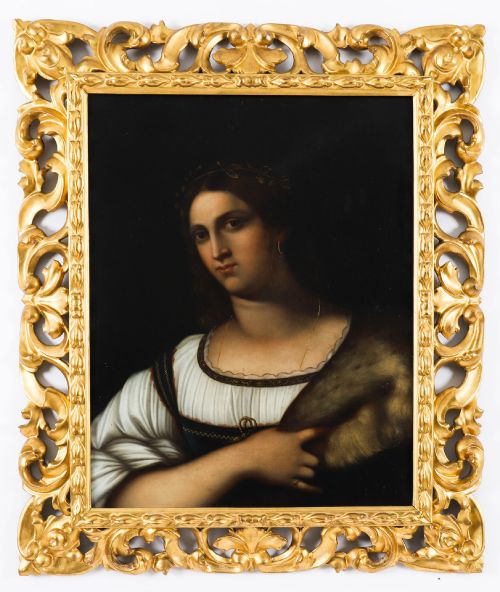
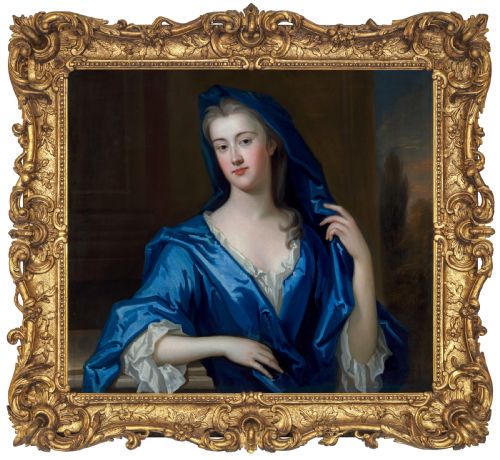
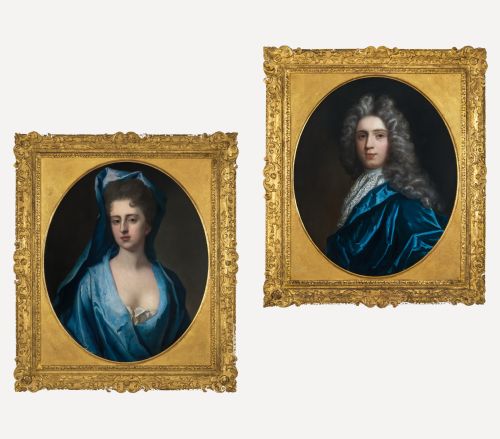
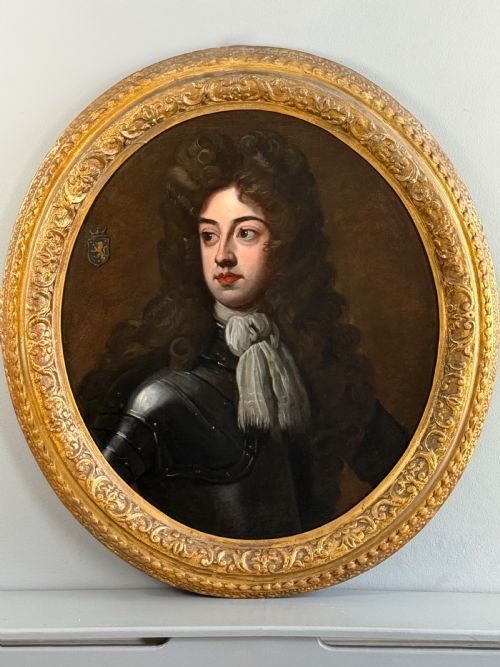
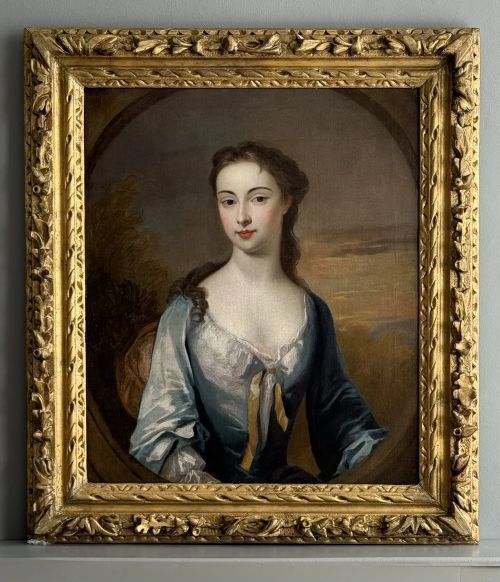
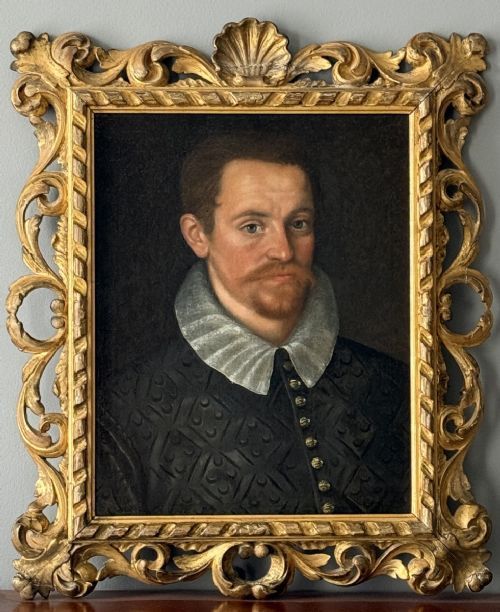
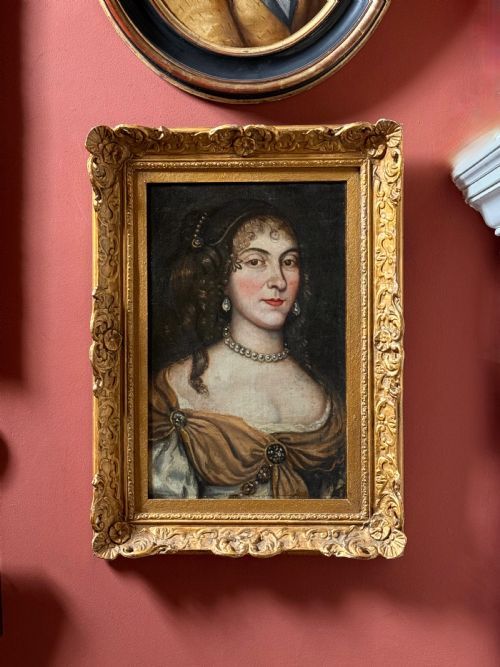
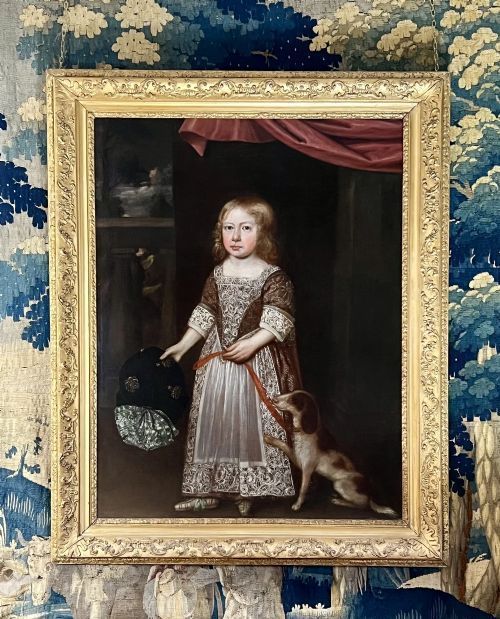
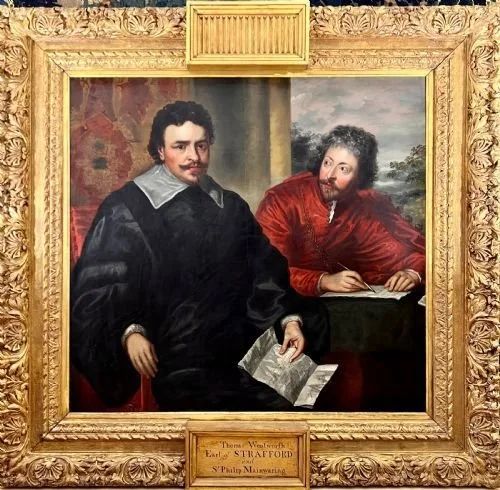
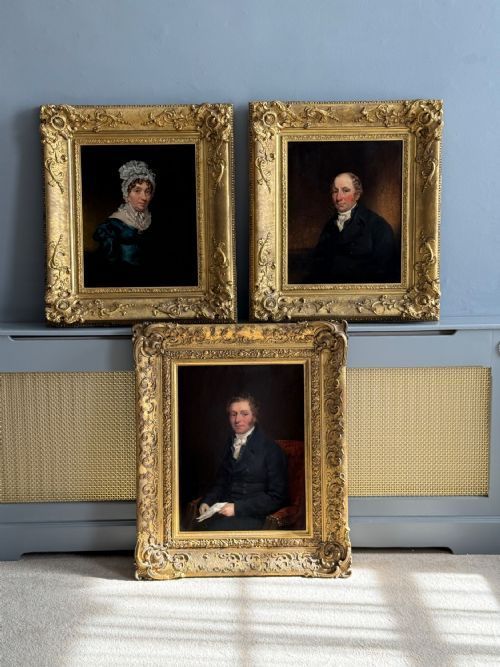
Giltwood framed portrait art encompasses historical likenesses rendered in oil on canvas, pastel on paper, and print formats, spanning periods from the sixteenth century to the Edwardian era. These pieces record identifiable sitters, nobles, officers, and anonymous subjects framed in ornamental carved wood treated with gold leaf.
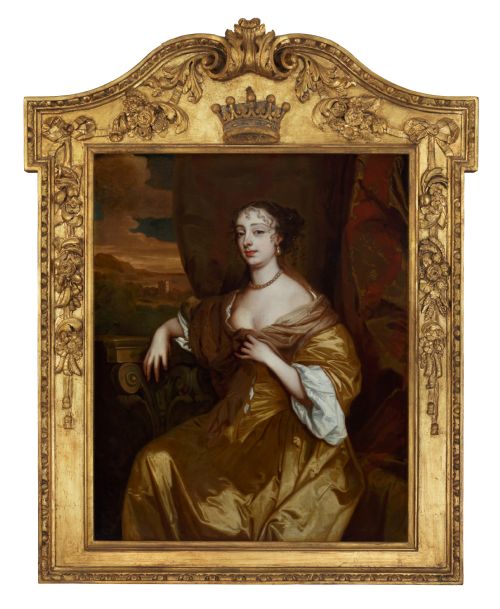
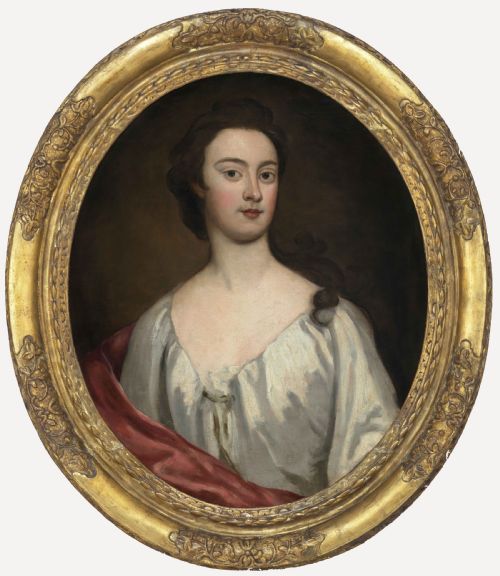
The version most frequently met on this page is the seventeenth or eighteenth-century oil on canvas painting, often depicting a half-length figure in contemporary dress, secured within a period carved timber moulding. Alongside oils, buyers encounter eighteenth-century pastels and nineteenth-century engravings bearing glazed protection and decorative surrounds.
Regional British, continental European, and Anglo-Flemish schools dominate the selection, showing sitters from various walks of life from nobility to privateers and children. The frames themselves range from restrained early wooden profiles to elaborate coronet designs matching the prominence of the depicted individual.
Materials and Techniques
Painters used oil on canvas or panel, building up pigments to achieve rich fabrics like silk, velvet, and lace, while pastel artists worked on paper to capture softer facial textures. Canvases were stretched over wooden frames before receiving layers of ground and paint, occasionally bearing later restorations.
Frames were constructed from timber, carved by hand with floral, scroll, or bead motifs, and then gilded with gold leaf applied over a prepared gesso base. Glass protected works on paper or delicate pastels, whilst oil paintings remained unglazed to let the texture of the canvas and varnish speak directly.
Listings span periods from the sixteenth century to the Edwardian era, featuring oil paintings, pastels, engravings, and reverse glass prints.
Distinctions in Quality
The connection between the artwork and its surround determines overall integrity; pieces retaining their original period carved giltwood frames hold greater historical coherence than those paired with later replacements. The crispness of the wood carving and the warmth of the underlying gold leaf separate exceptional frames from flat, commercial gilding.
Sir Godfrey Kneller·Charles Jervas·John Greenhill·Sir Peter Lely·Constantyn Netscher·Jeremiah Davison·Joseph Clover·Eugène Verboeckhoven·Jean-Baptiste Van Loo·Maurice Quentin de la Tour·Sir Anthony van Dyck·Edouard Pingret·Thomas Gainsborough·Renato Moretti
The Giltwood Framed Portrait Art Glossary
- Giltwood
- Wood that has been coated with thin sheets of gold leaf over a prepared gesso layer. This finish adds reflective warmth to the border surrounding the image.
- Pastel
- A dry medium composed of powdered pigment and a binder, pressed into sticks. Pastels produce velvety surfaces that require glass protection.
- Provenance
- The documented history of ownership of an artwork. A known provenance connects the painting to specific collections, estates, or historic houses.
- Stipple engraving
- A printmaking technique using dots of varying density to create tonal gradations and skin textures. It was widely used for reproducing portraits in the eighteenth century.
Giltwood Framed Portrait Art: Frequently Asked Questions
How do I date a portrait frame?
Dating relies on the joinery, the depth of the timber carving, and the composition of the gesso beneath the gold leaf. Earlier frames show hand-cut joints and bolder, deeper relief work.
Changes in moulding profiles across the seventeenth, eighteenth, and nineteenth centuries also help align the frame with the period of the artwork inside.
Were these paintings cleaned or restored?
Many historic oil paintings undergo conservation to remove aged, yellowed varnish and stabilise the canvas. Professional cleaning reveals the original brilliance of the pigments.
Documentation from dealers often notes past restoration work, which helps buyers understand the physical history of the canvas.
How should I hang giltwood framed art?
These heavy frames require secure fixings anchored directly into wall studs or masonry rather than standard plaster hooks. Proper weight distribution protects both the wall and the heavy carved corners.
Placement should avoid direct sunlight and damp environments to protect both the organic timber frame and the canvas or paper within.
What is the difference between an oil and a pastel?
Oil paintings use suspended pigments in drying oil on canvas or panel, offering a durable and textured surface. They do not require glass for daily protection.
Pastels use dry pigment sticks on paper, yielding a matte, chalky finish that must remain sealed behind glass to prevent the pigment from dusting away.