
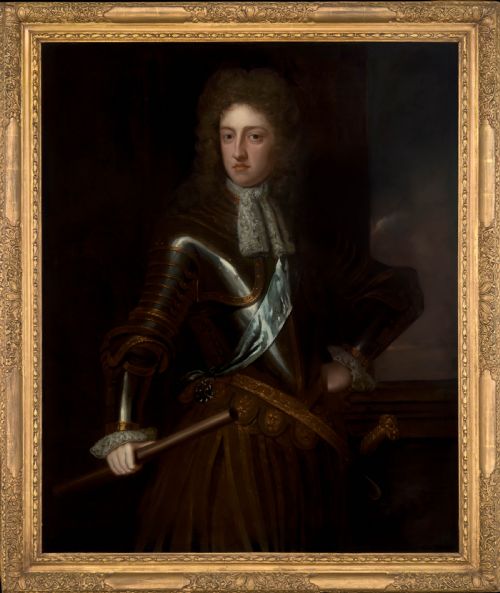
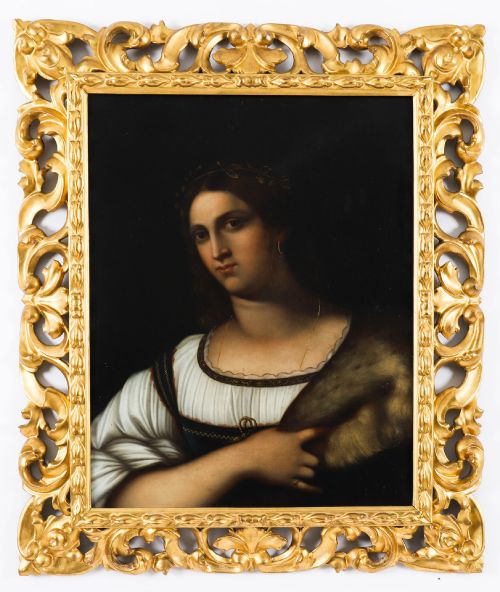
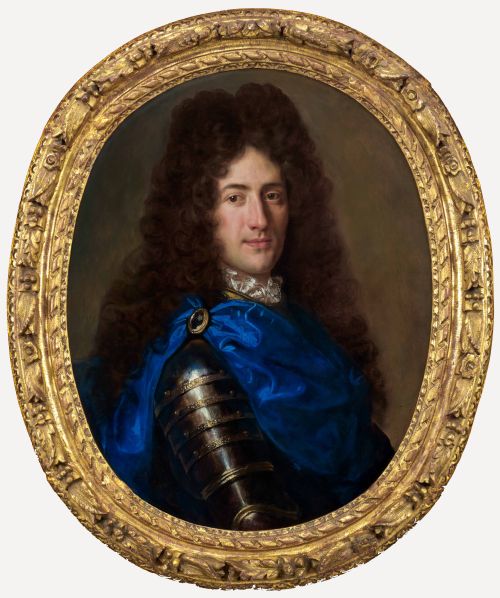
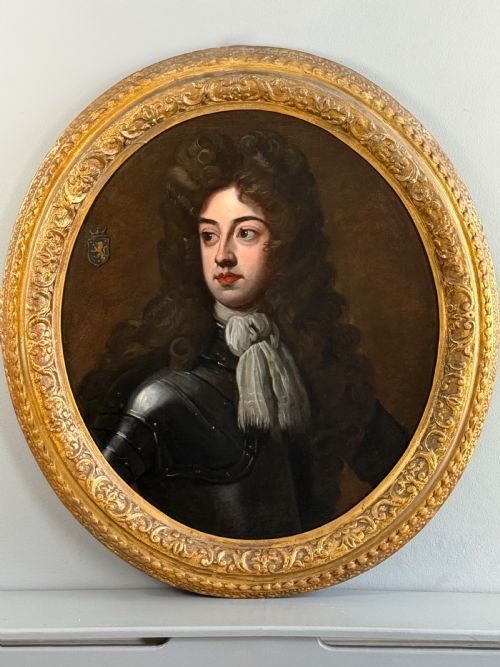
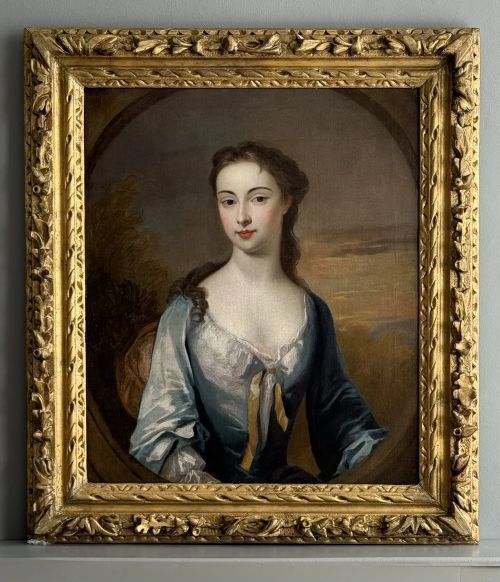
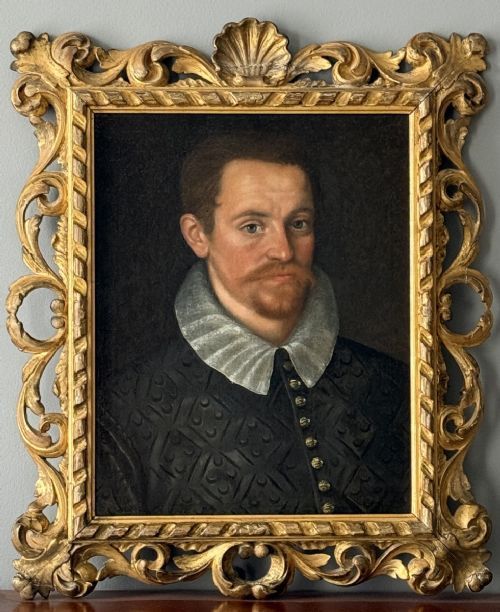
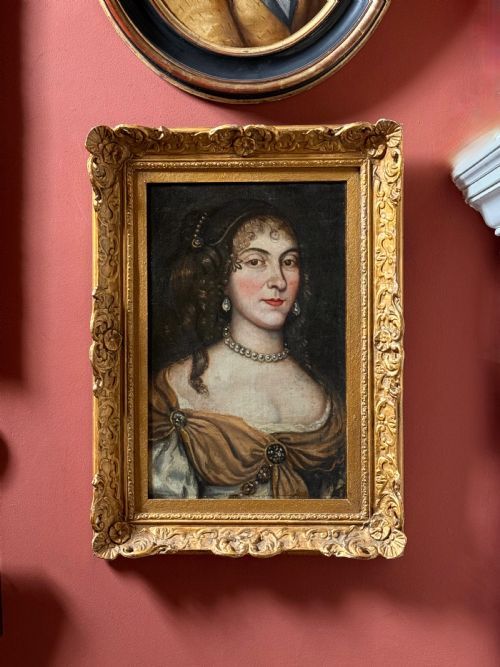
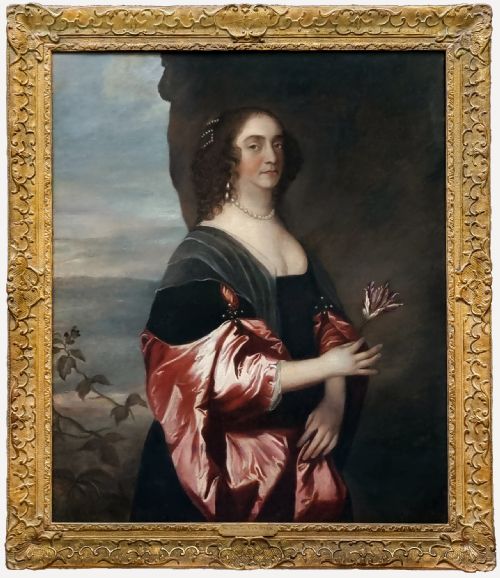
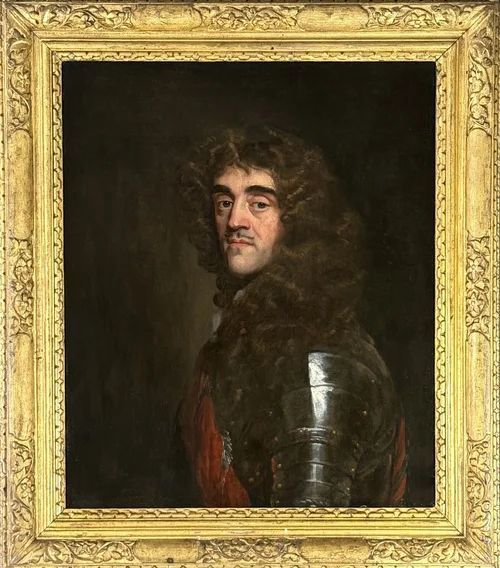
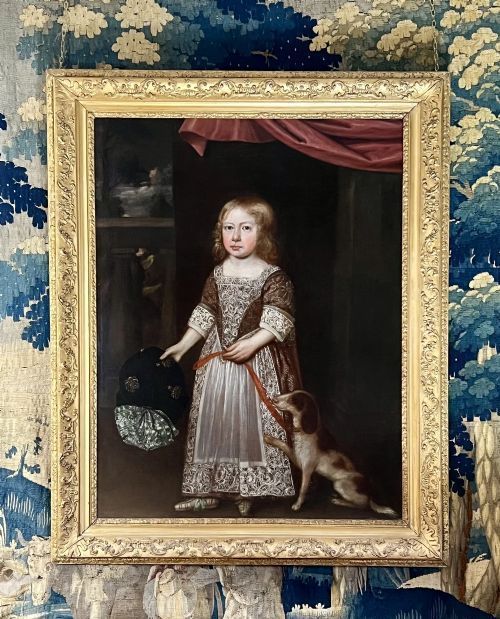
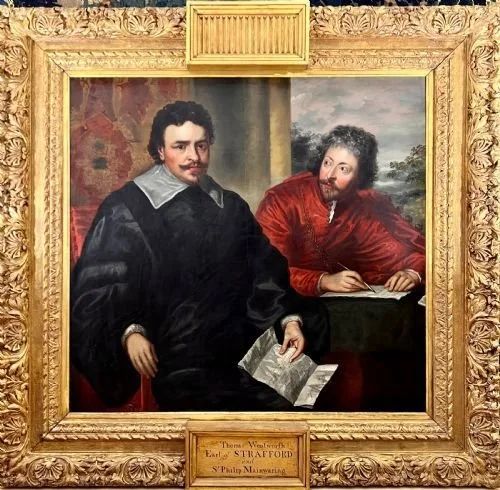
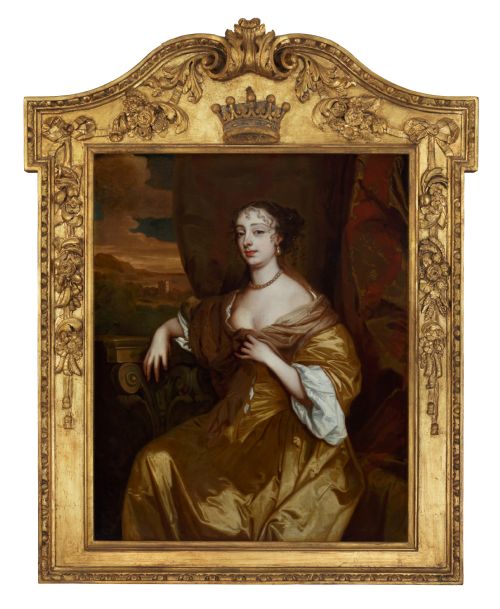
Carved Frame Oil Portrait
A carved frame oil portrait brings the weight of centuries into a room, binding painted canvas to sculpted wood.
Carved Frame Oil Portrait
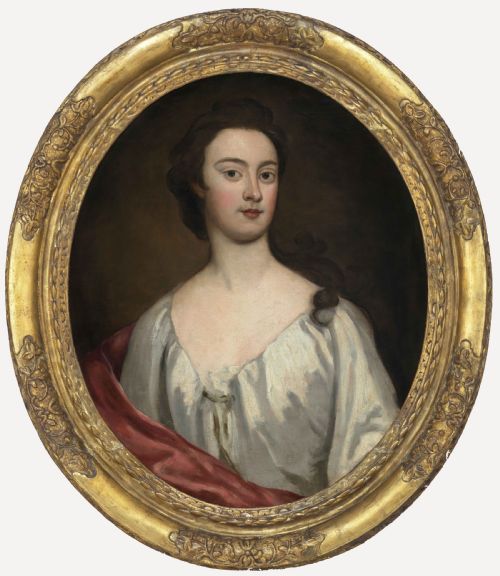
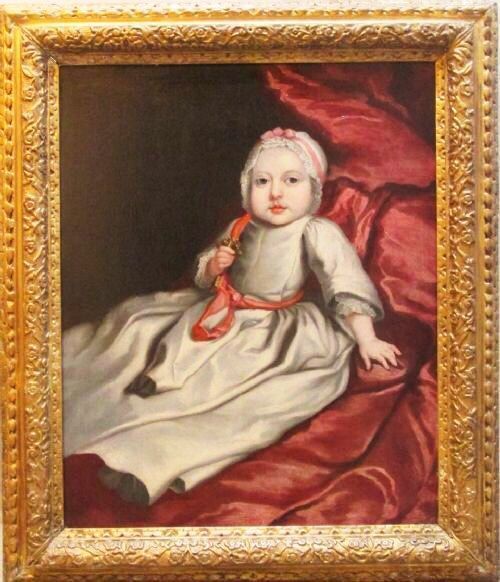
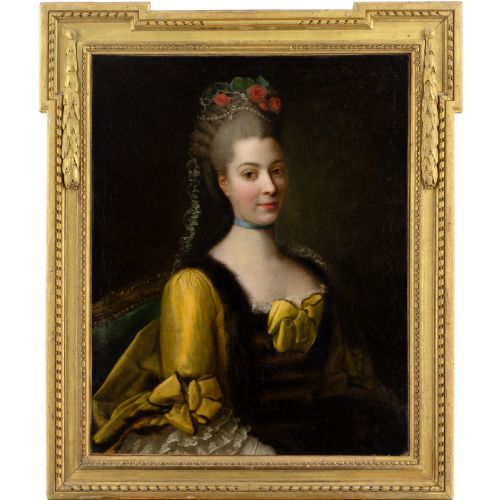
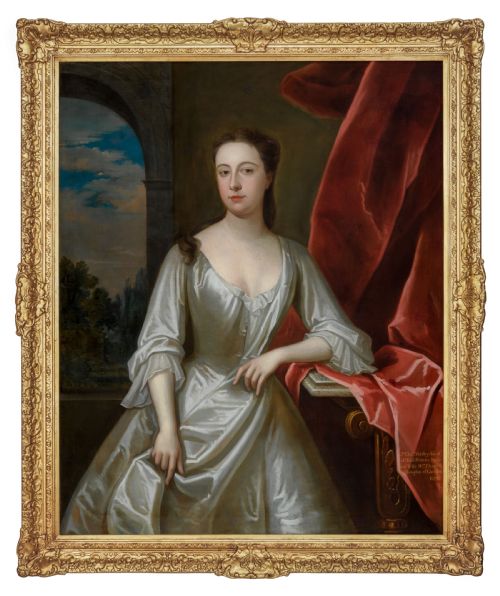
A carved frame oil portrait combines historical portraiture on canvas with heavily ornamented wooden surrounds. These works span multiple centuries, capturing subjects from nobility to children across the seventeenth, eighteenth, and nineteenth centuries.
The buyer encounters British, French, Italian, and Spanish schools executed in oil on canvas. Many pieces display baroque or georgian sensibilities, uniting portrait subjects with elaborate enclosing woodwork.
Materials and construction
Artisans stretched canvas over wooden frames to receive applications of oil paint. Pigments built up through layered technique create depth in garments, skin tones, and background details.
Surrounding surrounds utilise solid wood as a foundation, coated in gesso before receiving layers of gold leaf or giltwood finishes. Carving creates relief ornamentation directly into the wooden substrate or gesso layer.
Several portraits preserve historical pets alongside their owners, including a dedicated painting of a monkey and another featuring a hunting prince.
Distinctions in execution
Depth and crispness of hand-carving separate superior frames from simpler mouldings. The interplay between high-relief wooden decoration and the painted surface dictates visual harmony.
An artist's mastery over oil paint textures, facial expression, and fabric folds elevates the canvas. Original pairings of canvas and carved surround hold greater historical coherence.
Sir Godfrey Kneller·Charles Jervas·Joseph Vivienne·Sir Peter Lely·John Greenhill·Trajan Hughes·Jeremiah Davison·Mary Beale·Sir Anthony van Dyck·Nicolaes Maes·Sir Joshua Reynolds
The Carved Frame Oil Portrait Glossary
- Giltwood
- Wood carved and covered with a thin layer of gold leaf or gold paint. This technique gives frames a metallic sheen that catches ambient light.
- Gesso
- A plaster mixture applied to wood frames as a base for gilding. It provides a smooth surface for detailed carving and gold leaf adhesion.
- Oil on Canvas
- A painting medium using pigments bound with drying oils applied to woven fabric support. This combination allows for rich colour blending and longevity.
- Baroque
- An artistic style characterised by exaggerated motion and clear detail used to produce drama. Frames and portraits from this movement display theatrical grandeur.
Carved Frame Oil Portrait: Frequently Asked Questions
How do I identify the period of a carved frame?
Study the depth and motifs of the woodwork, as seventeenth-century frames differ significantly from Georgian or Victorian examples. Comparing the construction methods of the timber backing offers further chronological clues.
Examine the gesso application and the wear of the gold leaf beneath natural light. Historical frames often show distinct tool marks and patina consistent with their stated era.
Are these portraits original period works?
The listings include seventeenth, eighteenth, and nineteenth-century pieces alongside later interpretations and school works. Attributions range from named masters to regional European schools.
Documentation, inscriptions, and stylistic analysis help determine whether a piece is a primary contemporary work or a subsequent studio production.
How should I hang an oil portrait safely?
Ensure the wall structure can support the combined weight of the heavy wooden frame and canvas. Utilise robust picture hooks rated well above the total mass of the artwork.
Position the portrait away from direct sunlight and fluctuating heat sources to protect both the oil paint and the underlying gesso from cracking.
What distinguishes British school portraits from continental ones?
British portraits often emphasise restrained elegance and direct likeness, particularly during the Georgian and Victorian eras. Continental works from Spanish, Italian, or French schools frequently lean into more theatrical baroque styling.
Clothing styles, heraldic elements, and specific regional painting techniques also help differentiate the origin of the sitter and artist.