







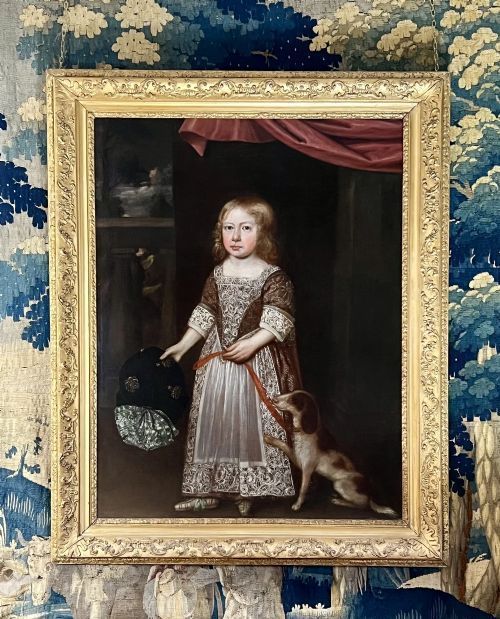
Giltwood Frame Painting
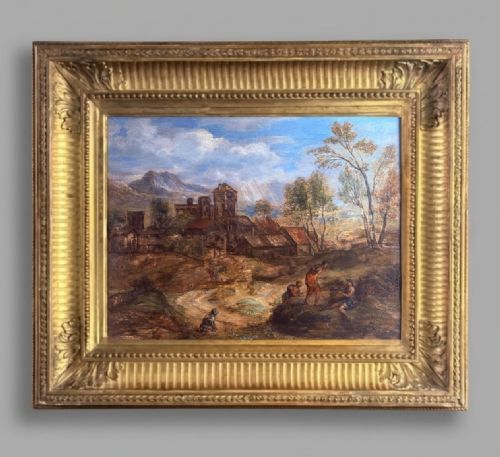
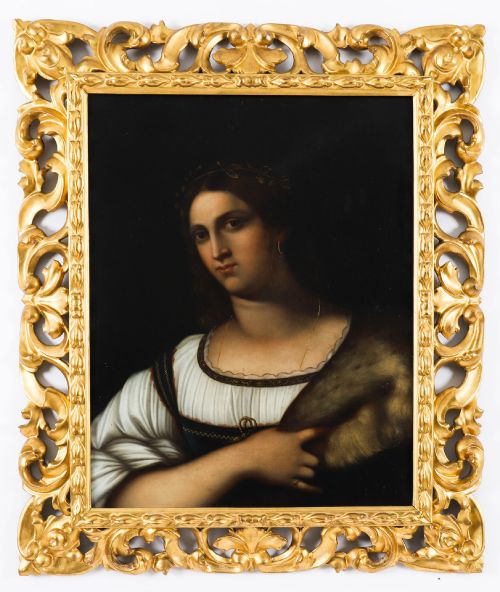
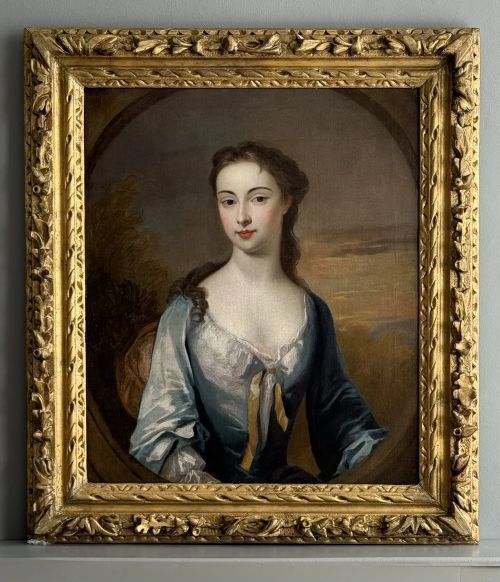
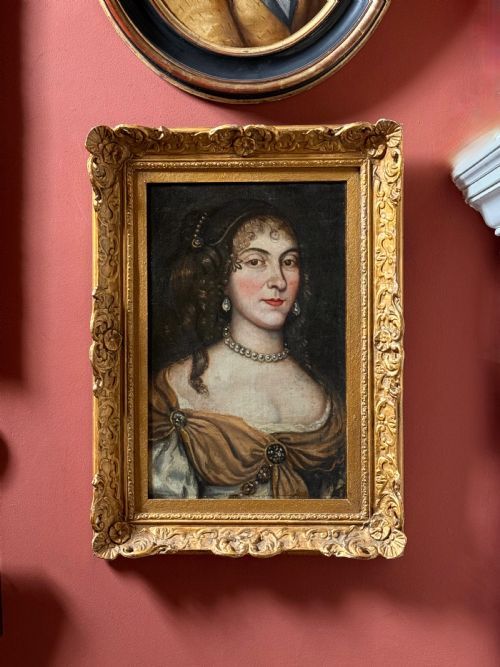
When you search for a giltwood frame painting, you are looking at centuries of oil paintings, portraits, and mirrors enclosed within carved and gilded wooden surrounds.
Giltwood Frame Painting
A giltwood frame painting combines a historic canvas, panel, or glass surface with an ornate wooden surround finished in gold leaf or gesso. You will encounter works spanning from the seventeenth century through the Edwardian period, encompassing portraits, landscapes, and maritime scenes.
The selection ranges from British and French school oils to Italian old masters and provincial Scottish or Flemish portraits. Many pieces retain their original or period-matching frames, whilst others pair later canvases with traditional Florentine or French carved surrounds.
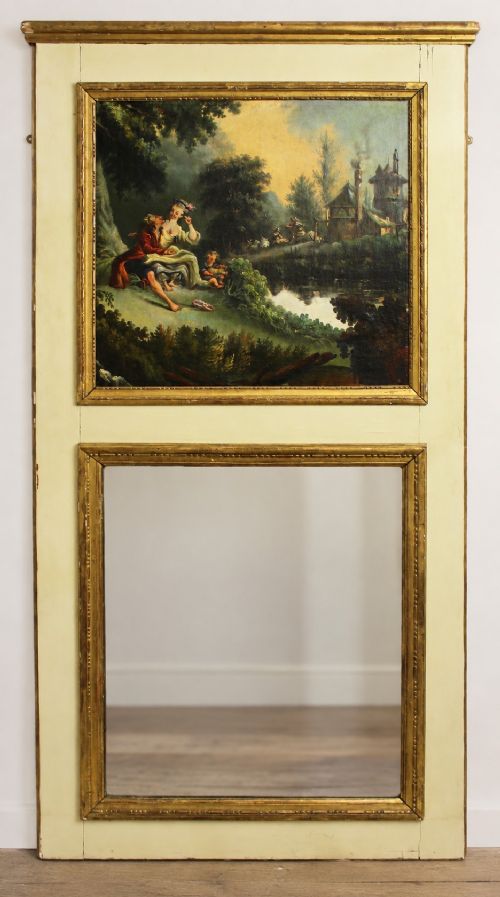
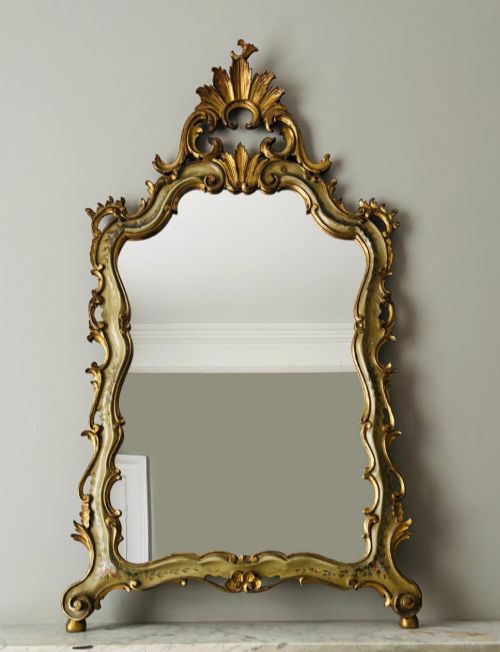
Alongside standard oil paintings on canvas, the selection includes reverse glass prints, pastoral pastels, and trumeau mirrors incorporating seascapes. These objects bring together painterly artistry and decorative carpentry from distinct European traditions.
How They Were Made
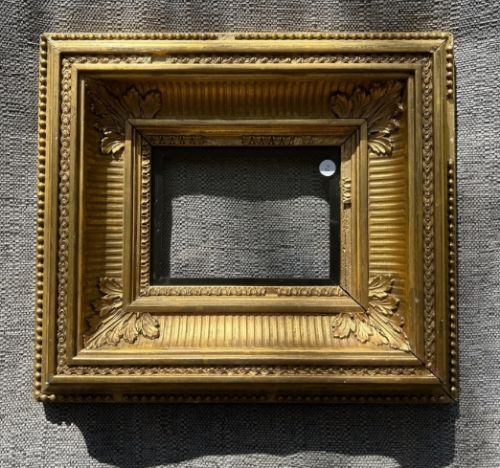
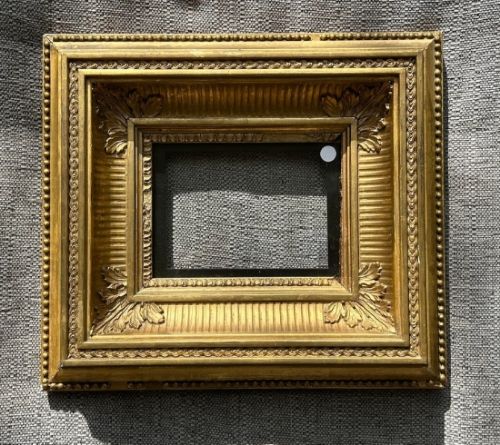
Makers constructed the primary support using wooden panels or stretched canvas, applying oil paint pigments mixed with binding oils. Frames were carved from timber, often built up with layers of gesso to create high-relief ornamentation before the application of gold leaf.
Artisans utilised mercury glass for antique mirrors and employed specialist techniques for reverse glass painting. Gilders laid thin sheets of gold leaf over bolus onto the prepared wooden mouldings, burnishing sections to achieve varied sheens.
The listings span multiple centuries, uniting seventeenth-century Dutch and Flemish portraiture with nineteenth-century French landscapes and Edwardian canvases.
What Varies in Quality
The depth and intricacy of the carving on the wooden frame set individual examples apart, with hand-carved pierced work and deep relief moulding sitting above simpler profiles. The skill of the portraitist or landscape artist dictates the painterly merit of the central artwork.
Preservation of the original gold leaf surface and the integrity of the canvas or panel influence the standing of a piece. Works retaining their matching period frame and untouched painted surfaces represent the upper echelon of surviving examples.
Eugène Verboeckhoven·Jean-Baptiste Van Loo·Sir Anthony van Dyck·Thomas Murray·Edouard Pingret·Benjamin Barker of Bath·Walter Heath Williams·Sir Peter Lely·Thomas Sidney Cooper·Henry H. Parker·Charles Euphraisie Kuasseg·Edgar Hunt·Robert Cleminson·Charles Leslie·Renato Moretti
The Giltwood Frame Painting Glossary
- Giltwood
- Wood that has been coated with gold leaf or gold paint. This finish defines the characteristic metallic sheen seen on period surrounds.
- Gesso
- A plaster-like mixture applied to wood frames to create a smooth base for carving or gilding. It allows artisans to shape intricate relief details before applying gold leaf.
- Trumeau
- A decorative wall mirror featuring an oil painting set into the upper section. These pieces originated in France and combine functional glass with fine art.
- Mercury glass
- Silvered glass produced by pouring a liquid mercury amalgam between double-walled blown glass. This technique creates a distinctive mottled reflective quality in older mirrors.
- Old Master
- A European artist of high skill working before the nineteenth century. These painters established foundational traditions in portraiture and landscape art.
Giltwood Frame Painting: Frequently Asked Questions
What is a giltwood frame painting?
It is an artwork, typically an oil painting on canvas or panel, housed within a wooden frame finished with gold leaf or gesso. These pieces combine historic fine art with decorative woodworking.
The framing and the central image were frequently created together to complement each other aesthetically. Surviving examples range from small seventeenth-century portraits to monumental Edwardian landscapes.
How do I identify the period?
Dating relies on examining the painting technique, costume details in portraits, stretcher construction, and the style of the wood carving. Eighteenth-century frames often display rococo asymmetry, whereas nineteenth-century pieces lean towards heavier classical moulding.
Secondary clues include the canvas weave, the type of nails or fixings used at the back, and any inscriptions or signatures recorded on the reverse.
Where were these paintings displayed?
Historic owners hung these works in grand country houses, drawing rooms, and municipal reception spaces as symbols of status and culture. Large landscape pairs often decorated formal dining rooms, whilst portraits commemorated family lineage.
Trumeau mirrors with integrated paintings were specifically designed to hang above mantelpieces in European drawing rooms.
How should I care for giltwood?
Giltwood surfaces require protection from direct sunlight, excessive humidity, and rapid temperature fluctuations which can cause the underlying gesso to crack. Dusting should be done gently with a dry, soft brush without applying chemical cleaners.
Because the gold leaf is extremely thin, moisture can lift the metallic layer from the wooden substrate.