



Gilt Wood Table Stand
A gilt wood table stand brings decorative presence and surface utility to a room through carved detail and reflective finish.
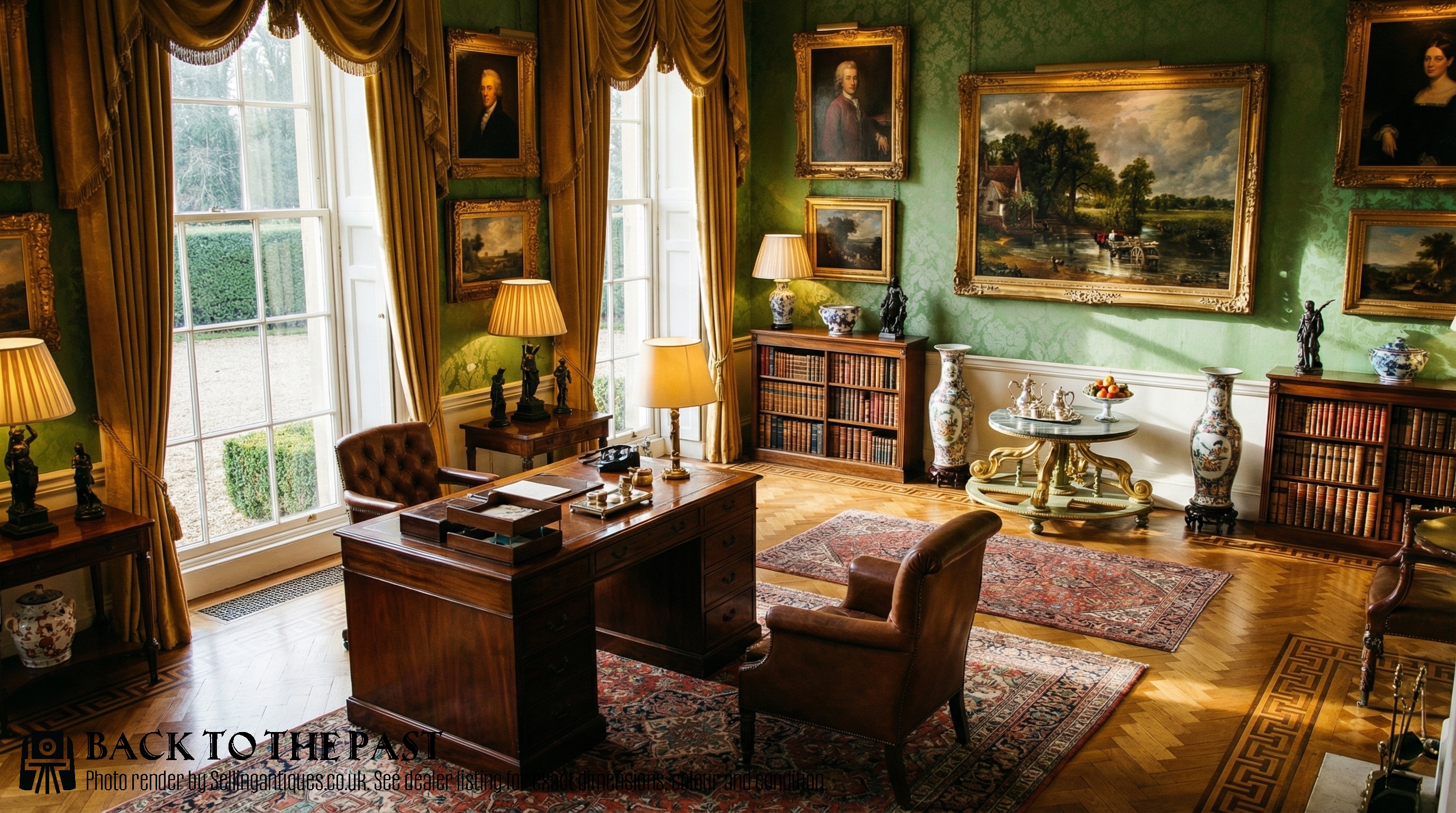
Gilt Wood Table Stand
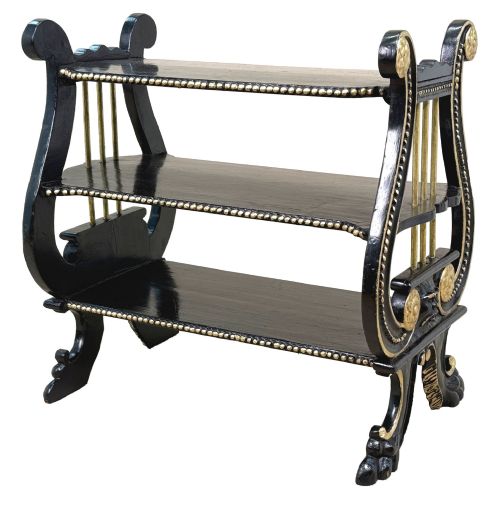
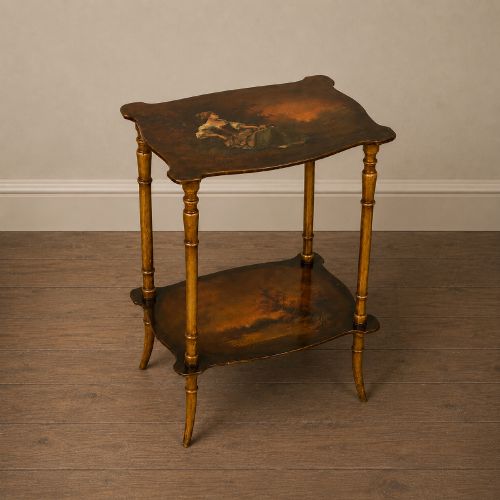
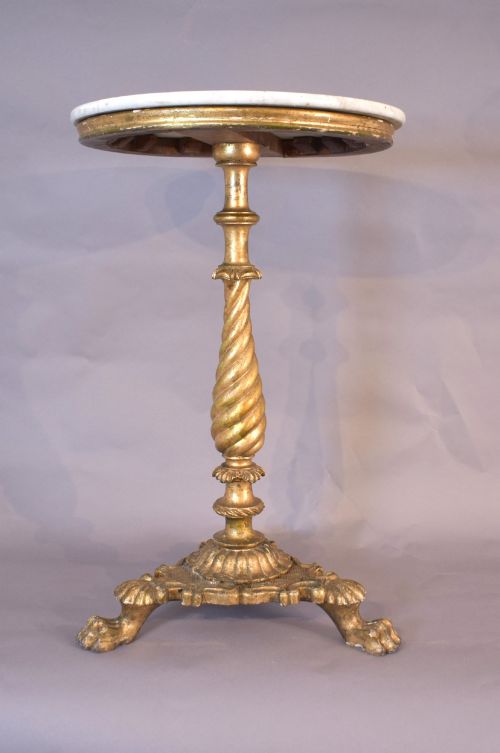
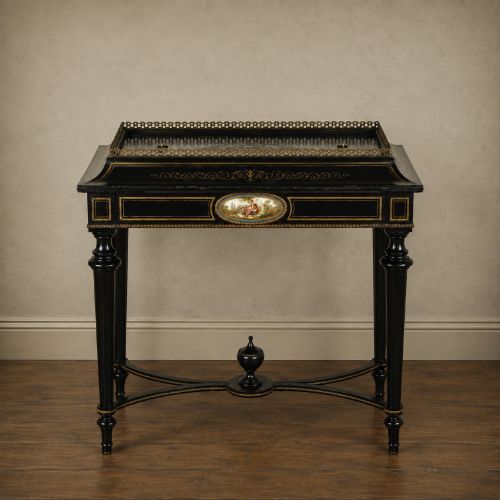
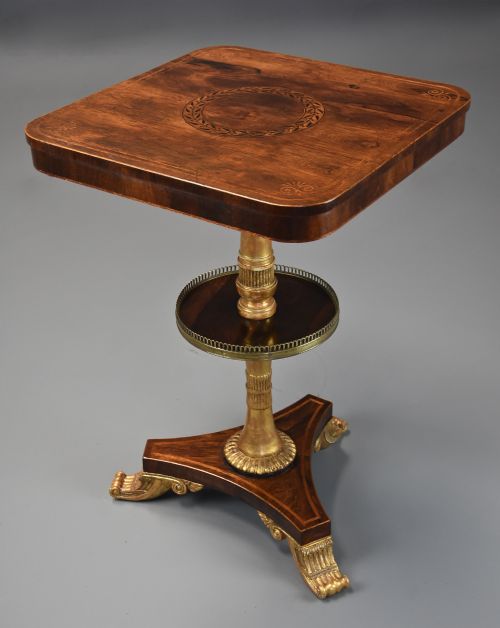
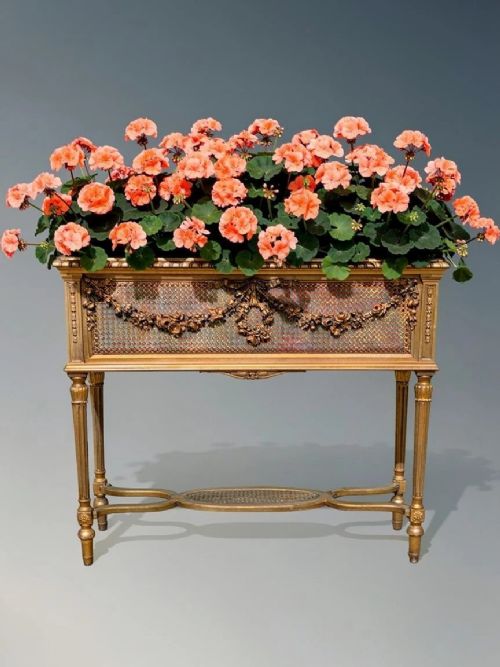
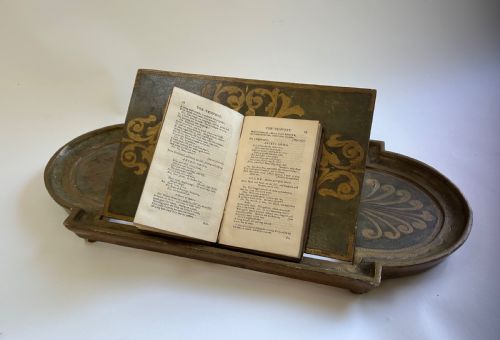
A gilt wood table stand brings together decorative carved wooden frames and reflective gold surfaces to serve as a functional display or support surface. You will frequently encounter forms such as occasional tables, console tables, etageres, and pedestals across this selection.
The pieces span various periods including the nineteenth century, Regency, and Edwardian eras, reflecting design influences from French Chateau to Italian Baroque and Rococo Revival styles. These items often incorporate contrasting materials like marble tops, brass mounts, or ebonised wood alongside the primary gilding.
Makers and workshops utilised these stands to display ornaments, lamps, or plants within domestic interiors, ranging from compact tripods to multi-tiered etageres. The survival of these objects demonstrates the enduring appeal of gilt surfaces in traditional and eclectic decorative schemes.
How they were made
The construction of a gilt wood table stand typically relies on carved timber carcasses treated with gesso as a smooth base for applying gold leaf or paint. Artisans shaped woods such as mahogany, rosewood, or ebonised timber, frequently pairing them with inset marble tops, brass details, or ormolu mounts.
Techniques varied from the intricate hand-carving seen in Italian Baroque and Rococo frames to the parcel gilding and black lacquering characteristic of Regency Chinoiserie pieces. Structural stability was achieved through traditional joinery, tripod bases, or multi-tiered frameworks designed to support functional loads.
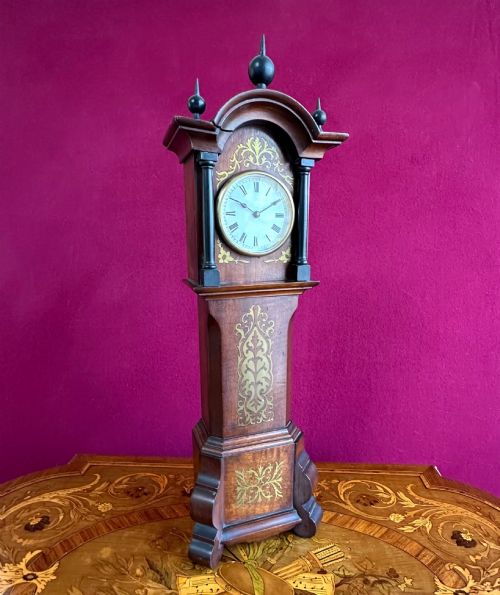
Among the stands and tables, a miniature grandfather clock and a decorative fan painted with a pastoral musical scene make unexpected appearances.
What varies in quality
The standard of a gilt wood table stand depends significantly on the crispness of the wood carving and the precision applied during the gilding process. Hand-carved detail in styles like Italian Baroque or French Rococo shows deeper relief and finer definition than mass-produced alternatives.
Material selection also dictates the hierarchy, with genuine marble tops, ormolu or gilded brass mounts, and sound timber carcasses elevating a piece above simpler painted or gessoed structures. The integrity of the underlying joinery and the harmonious preservation of the original surface finish determine the enduring character of the item.
The Gilt Wood Table Stand Glossary
- Giltwood
- Timber that has been coated with gold leaf or powder over a prepared gesso ground. This technique provides the bright, reflective surface characteristic of many antique stands and frames.
- Étagère
- A set of open shelves or tiers designed for displaying small objects, books, or ornaments. These pieces frequently appear in multi-tiered formats utilising wood, brass, and painted finishes.
- Ormolu
- Finely chased and gilt bronze mounts applied to furniture and stands. This material was widely employed during the nineteenth century to accent corners, legs, and tabletops.
- Gesso
- A plaster-like mixture applied to wood surfaces as a preparation for gilding or painting. It allows craftsmen to achieve smooth contours before applying gold leaf.
- Parcel-gilded
- Partially gilt, where only specific carved elements or raised details receive gold leaf against a contrasting painted or ebonised background. This method highlights particular decorative motifs on a stand.
Gilt Wood Table Stand: Frequently Asked Questions
What is a gilt wood table stand used for?
A gilt wood table stand primarily serves as a decorative surface for displaying lamps, clocks, urns, or small ornamental objects within a room. Their elevated design brings both utility and visual interest to corners or beside seating areas.
Historically, these stands functioned in parlours and drawing rooms to showcase prized decorative items, utilising their reflective surfaces to catch and amplify the ambient light of the period.
How do I identify a Regency period stand?
Regency pieces often display classical restraint, clean architectural lines, or specific decorative vocabularies such as black lacquered finishes and Chinoiserie motifs. The materials frequently include rosewood, burr elm, and parcel gilding.
Examining the construction methods, such as the specific type of timber framing and the application of brass or gilt details, helps distinguish Regency items from later nineteenth-century revival styles.
Where should I place a multi-tiered etagere?
An etagere works effectively against a wall or in a corner where its multiple open shelves can be accessed and viewed from various angles. They suit living spaces or hallways for holding small collections.
Ensure the location protects the delicate gilded or painted surfaces from direct sunlight and excess moisture, preserving the integrity of the wood and finish over time.
What distinguishes Italian Rococo Revival stands?
Italian Rococo Revival stands typically feature exuberant, asymmetric carved decoration, scrolling foliage, and deep relief work finished in rich giltwood. These pieces often incorporate serpentine outlines and elaborate pedestals.
By contrast, later Victorian or Edwardian interpretations may show more restrained proportions or combine painted elements with traditional gilding techniques.