
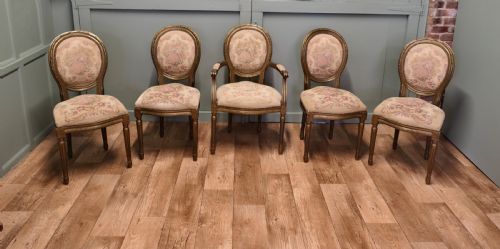
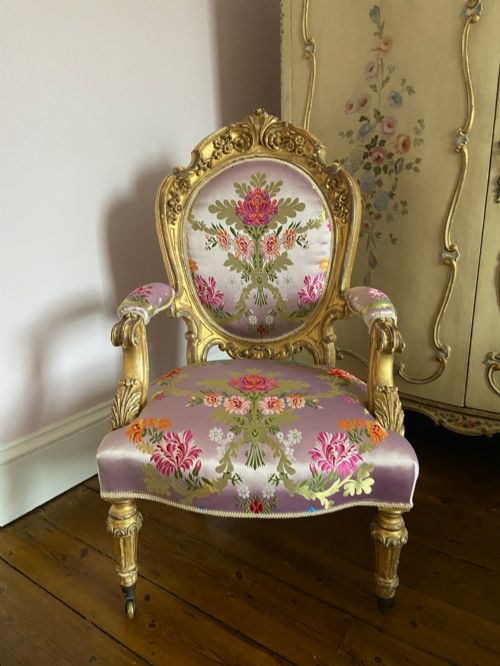
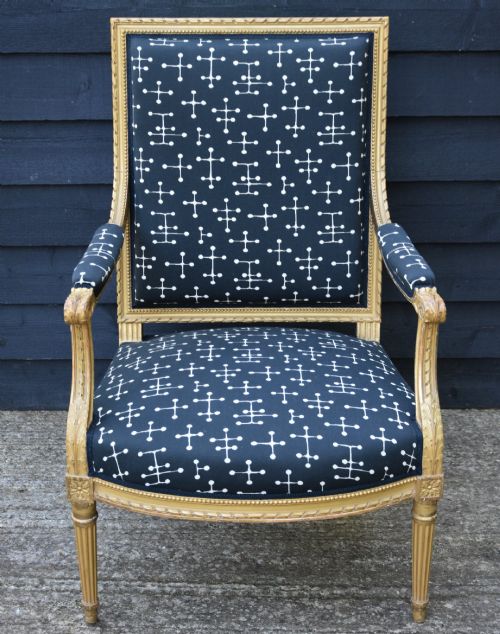
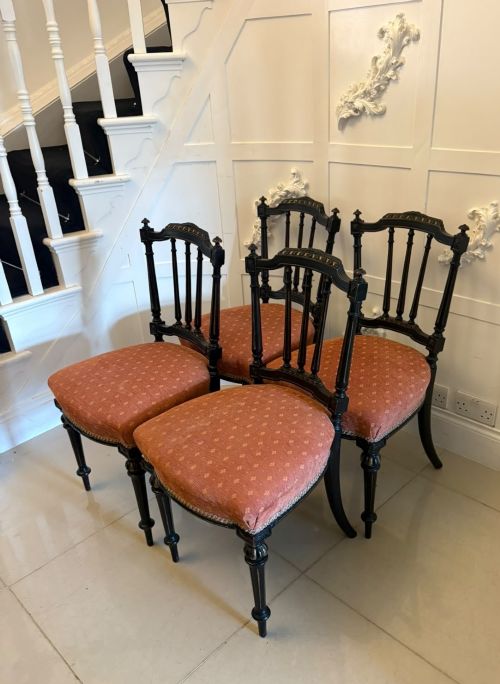
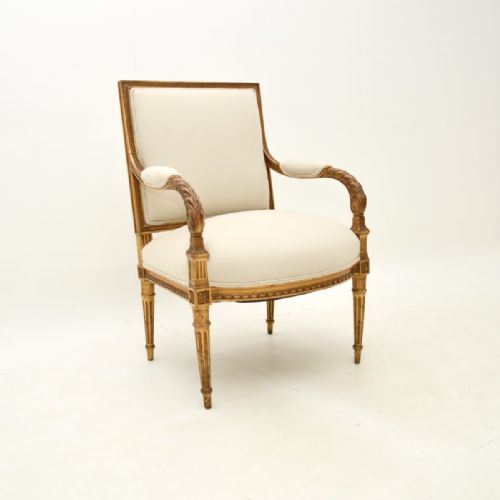
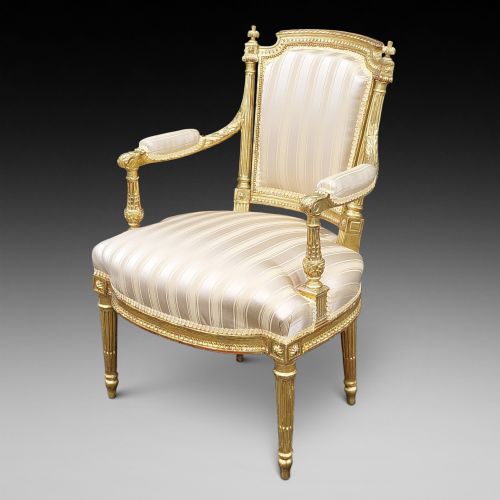
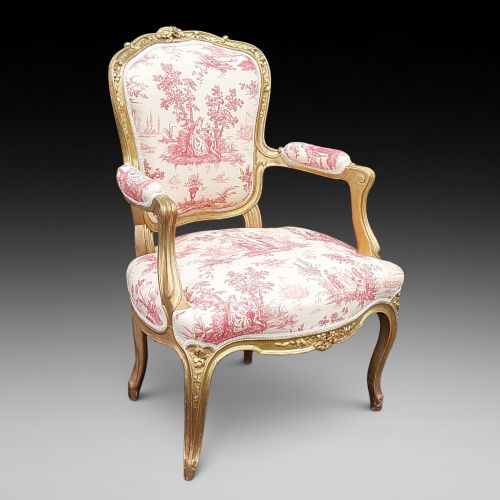
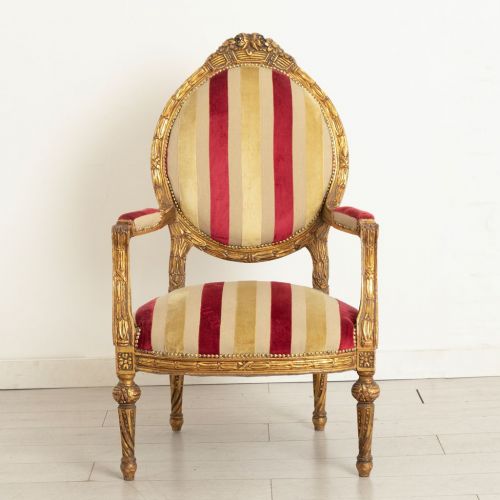
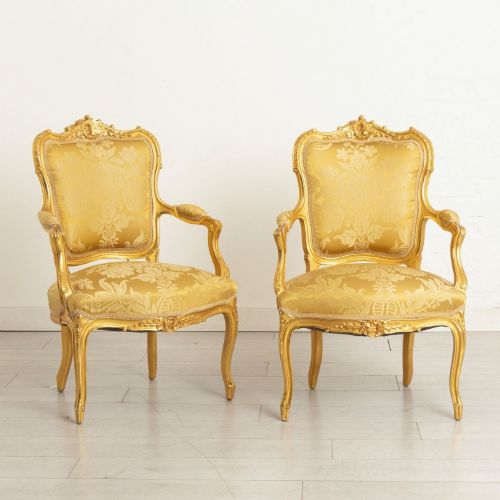


Gilt Wood Salon Chairs
These gilt wood salon chairs bring formal French elegance and nineteenth-century craftsmanship into domestic interiors.
Gilt Wood Salon Chairs
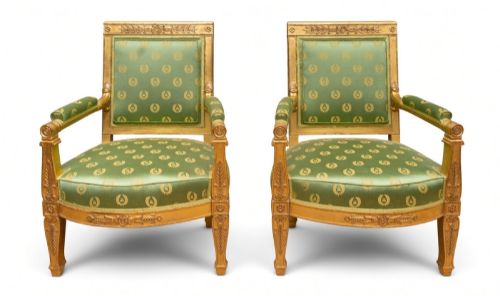
When you search for gilt wood salon chairs, you encounter seating designed for formal reception rooms, predominantly originating from nineteenth-century France.
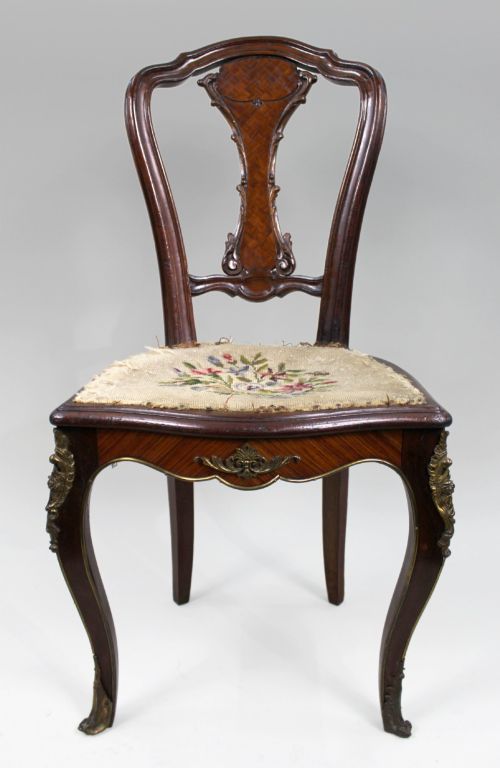
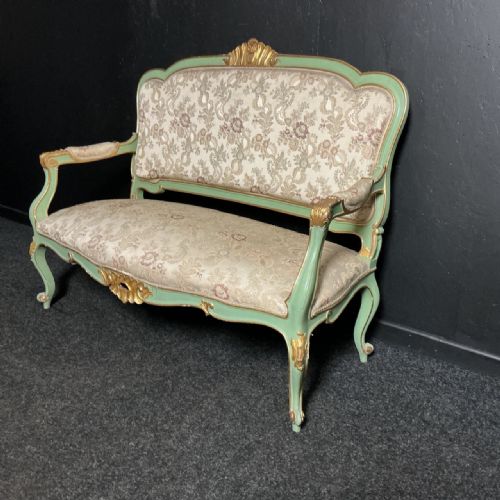
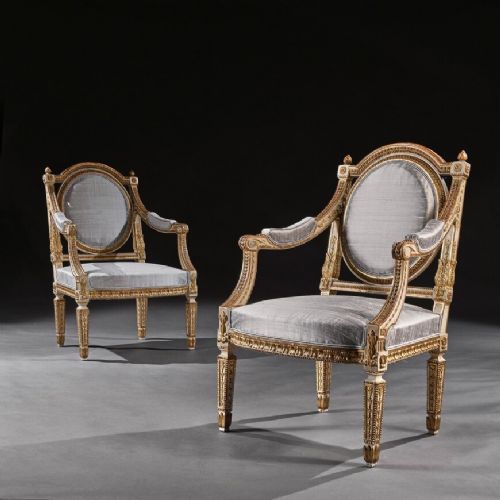
The selections on this page span armchairs, side chairs, and complete salon suites reflecting revival aesthetics.
Louis XVI style and Rococo Revival forms dominate the available examples, often featuring open frames and distinct carved details.
Materials and construction methods
Carved timber frames, frequently beech or walnut, form the structural foundation of these pieces.
Giltwood surfaces are achieved through the application of thin metal leaf over a prepared base.
Upholstery materials range from contemporary silk and velvet to traditional tapestry and textile.
Listings feature beech and walnut frames decorated with silk, velvet, and tapestry textiles.
Assessing quality in execution
Depth and crispness of the hand-carved ornamentation distinguish superior frames from simpler production.
The integrity of the original gilding and the quality of subsequent restoration alter the visual presence of the wood.
Upholstery choices, whether period-appropriate tapestries or fresh silks, dictate the finished character of the seating.
Jacob-Desmalter
The Gilt Wood Salon Chairs Glossary
- Giltwood
- Timber coated with gold leaf or metal foil to simulate solid gold. This finish catches candlelight and natural illumination in a room.
- Fauteuil
- An open-framed armchair with upholstered armrests. These seats were built for formal entertaining during the eighteenth and nineteenth centuries.
- Bergère
- An enclosed armchair featuring upholstered sides padded and integrated into the frame. They offer a deeper seat for relaxation.
- Ormolu
- Cast bronze mounted details finished in ground gold. These metallic ornaments accent the wooden structures on select French seating.
- Salon suite
- A matching set of reception furniture comprising sofas and armchairs. They create a unified seating arrangement in a reception space.
Gilt Wood Salon Chairs: Frequently Asked Questions
Where were gilt wood salon chairs used?
These seats belonged in formal reception rooms and parlours of grand European residences. They served guests during social gatherings and musical recitals.
Today, they function as statement accent seating in living spaces and bedrooms. Their ornate frames suit traditional and eclectic modern interiors alike.
How do I identify Louis XVI style chairs?
Louis XVI style chairs feature straight, fluted legs and geometric frames, often circular or rectangular backs. They emerged as a neoclassical reaction to curved rococo designs.
Carvings on these pieces typically incorporate classical motifs such as acanthus leaves, ribbons, and beaded mouldings.
Are salon suites still sold together?
Complete salon suites containing matching sofas and multiple armchairs appear alongside individual pairs and single chairs. These grouped sets preserve historical interior arrangements.
Acquiring a matched suite provides a cohesive decorative scheme for larger reception rooms.
How should I care for giltwood finishes?
Giltwood requires gentle dusting with a soft, dry cloth to protect the delicate metallic leaf. Avoid liquid cleaners and modern chemical polishes that strip the surface.
Keep these chairs away from direct sunlight and moisture to prevent the wood and gold leaf from degrading over time.